
Beverage systems
Beverage Filling Machines & Bottling Lines
Compare beverage filling equipment, define the complete line and prepare a quotation brief for water, juice, tea and carbonated drinks.
Equipment selection
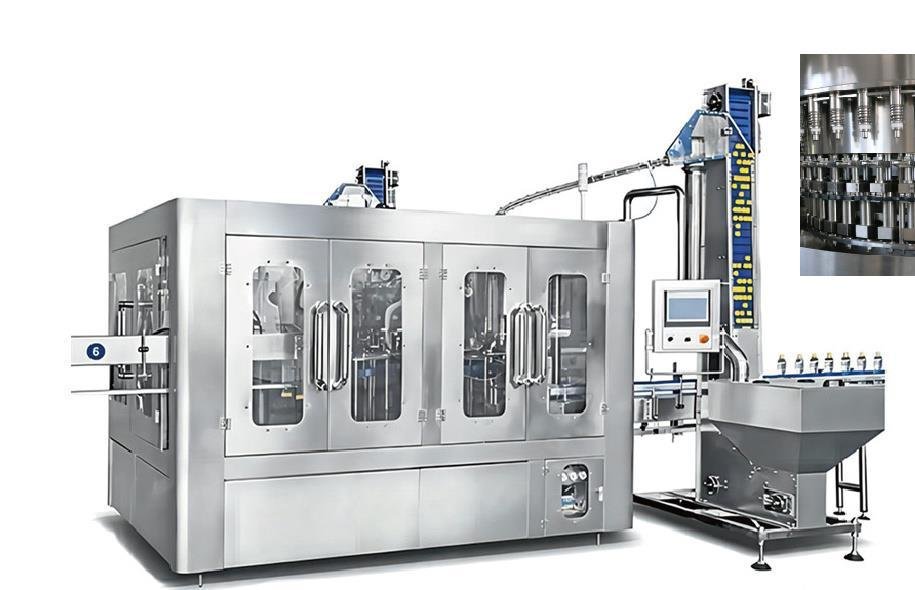
Compare three PET beverage filling platforms.
Images and rated ranges come from the Allot Tech 2026 catalog, pages 9–14. These are filling-machine references; guaranteed output and complete-line scope depend on the confirmed product, package and operating conditions.
Water filling machines · XGF
Catalog range: 6,000–42,000 BPH at 500 ml. Start with source water, the bottle and closure.
View models and line requirements →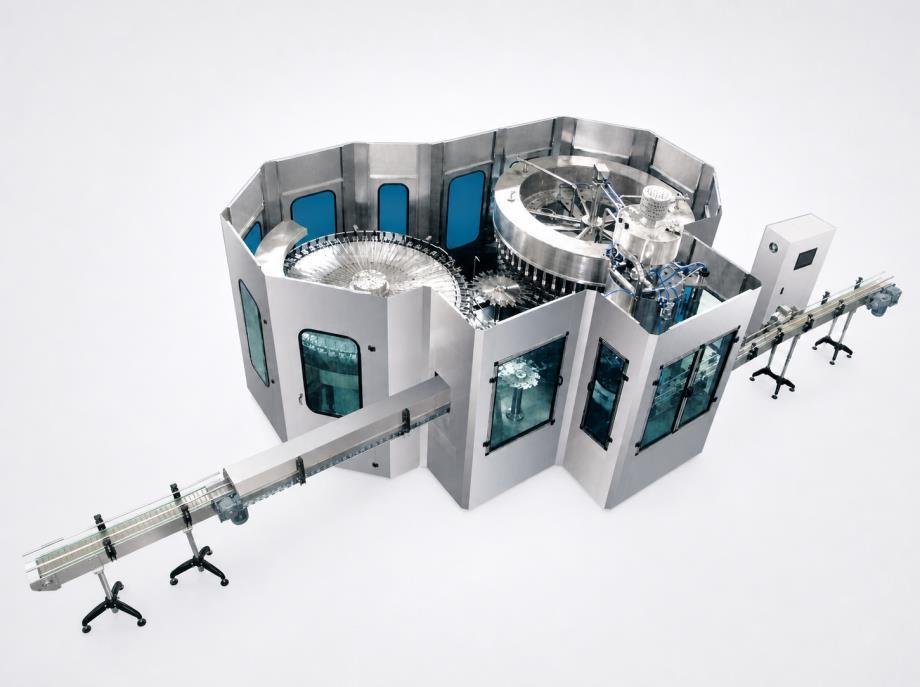
Juice and tea filling · RXGF
Catalog range: 4,000–32,000 BPH at 500 ml. Confirm the product process and compatible package.
View models and line requirements →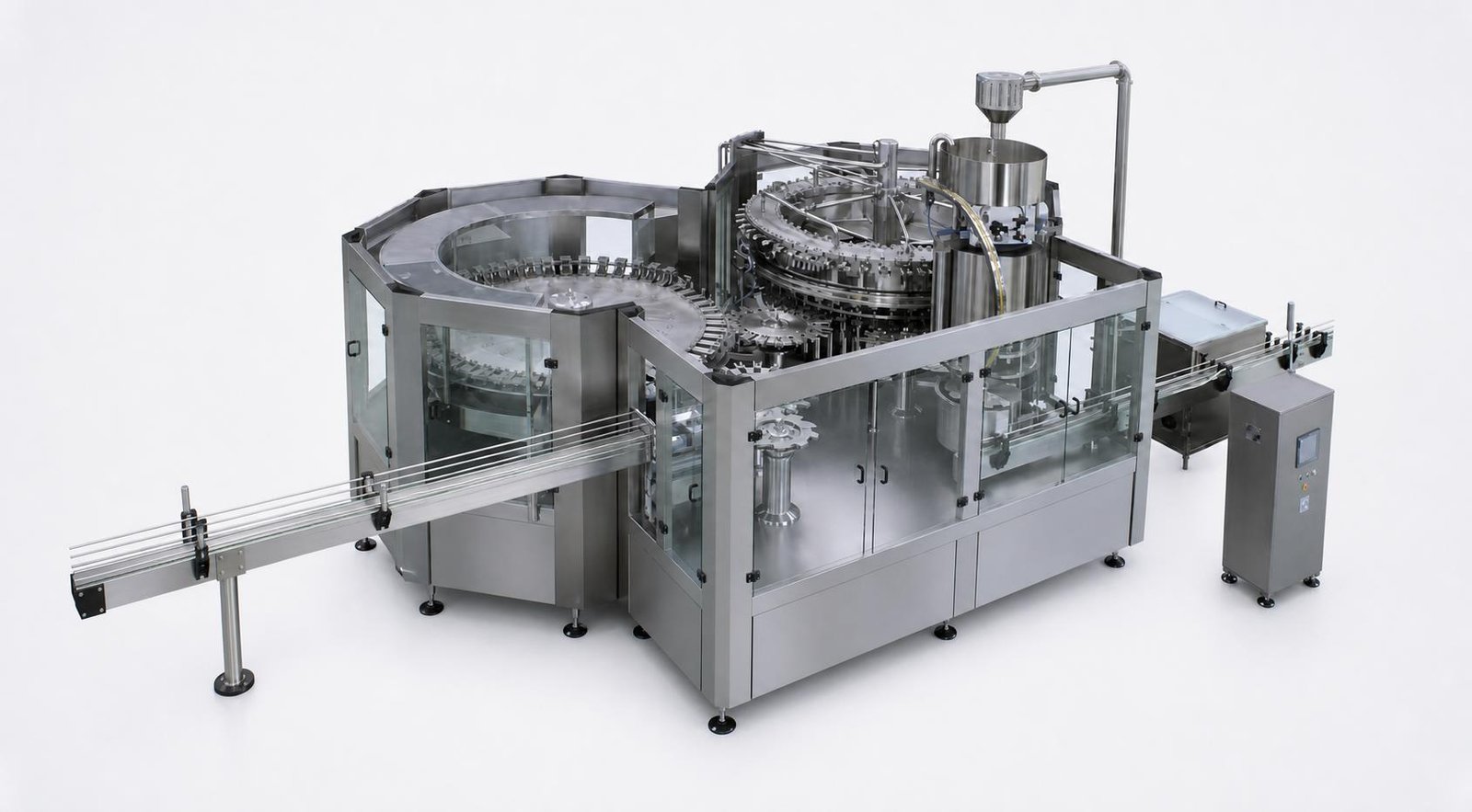
Carbonated drink filling · DXGF
Catalog range: 4,000–28,000 BPH at 500 ml. Review carbonation, temperature and pressure-rated packaging.
View models and line requirements →Selection guide
Select the beverage and package before comparing machine scope.
The same bottles-per-hour target can require different equipment. Use this first comparison to choose the relevant production route; exact configuration is developed from the product and package specification.
| Purchase direction | When to consider it | What makes the comparison useful | Next step |
|---|---|---|---|
| Still bottled water | Source-water treatment, hygienic storage and a bottle-compatible rinsing, filling and capping route. | Raw-water report, bottle and cap drawings, output and final pack. | Plan a water line |
| Juice and tea | Recipe preparation and the approved thermal and hygienic process govern the filling and cooling boundary. | Recipe family, particles, packaging, storage objective and process brief. | Plan juice or tea |
| Carbonated beverages | Blending, carbonation and pressure-compatible filling connect to product temperature and package behavior. | Carbonation basis, product, container, closure and required output. | Plan a carbonated line |
| Cans or glass bottles | Container handling and the closing method require their own package and inspection scope. | Container specification, can end or closure, product and handling plan. | Review can filling |
| An existing line upgrade | Retain suitable machinery and define the mechanical, electrical and control interfaces of the replacement. | Existing drawings, actual running rates, controls and the current bottleneck. | Review integration |
Editable buyer checklist
Send the same equipment brief to every proposed resource.
Download an editable RFQ checklist for beverage, bottle and cap, output, process scope, site utilities, acceptance and commercial boundaries. The plain-text file opens in a text editor and can be copied into your own project documents.
New procurement guides
Specify upgrades, PET packaging and particle-containing juice.
Beverage Systems
Bottling Line Retrofit and Upgrade Planning
Decide what to retain, modify or replace using measured line performance and a controlled cutover plan.
Open procurement guide →Beverage Systems
PET Preform and Bottle Specification for a Bottling Line
Connect the purchased preform, finished bottle, closure and blow-molding setup through one approved package specification.
Open procurement guide →Beverage Systems
Juice Filling with Pulp and Fruit Particles
Turn “juice with pulp” into a measurable product brief before comparing filling equipment.
Open procurement guide →Choose the filling application
Select by beverage and package, then define the upstream and downstream scope.
Bottled Water Filling Lines from China
Define a complete PET bottled water line around the water source, bottle, target output, factory conditions and finished-pack format before comparing equipment proposals.
Open buyer resource →Juice & Tea Filling Lines from China
Connect beverage preparation, heat treatment, hygienic transfer, filling, cap treatment, cooling and packaging around the actual product and shelf-life requirement.
Open buyer resource →Carbonated Drink Filling Lines from China
Build the CSD line around beverage formulation, CO2 target, container, fill conditions, pressure control, temperature and finished-pack requirements.
Open buyer resource →5 Gallon Water Filling Lines from China
Define returnable-bottle handling, internal and external washing, filling, capping, inspection and finished-bottle movement around the local distribution model.
Open buyer resource →Complete Beverage Production Lines from China
Turn a list of machines into a coordinated beverage project by defining product process, packaging, interfaces, utilities, layout, acceptance, export and startup responsibilities.
Open buyer resource →Can Filling and Seaming Line Planning
Can and lid definition, depalletizing, filling, seaming, seam checks, post-fill treatment, inspection and packing.
Open buyer resource →Glass Bottle Beverage Filling Line Guide
One-way or returnable glass, bottle washing, inspection, filling, closure, breakage control, labeling and packing.
Open buyer resource →Hot Fill Juice Bottling Line Planning
Juice recipe, validated thermal process, hot-fill package, closure, inversion, cooling, labeling and process records.
Open buyer resource →Hot Fill vs Aseptic Filling for Beverage Projects
Product risk, heat treatment, package sterilization, hygienic boundary, validation, utilities and operating responsibility.
Open buyer resource →Juice Filling with Pulp and Fruit Particles
Turn “juice with pulp” into a measurable product brief before comparing filling equipment.
Open buyer resource →Configure and connect the equipment
Check treatment, process, packaging, utilities and the interfaces between machines.
Water Treatment Systems for Bottling Plants
Use raw-water evidence and the required product-water specification to define treatment stages, flow, recovery, storage, sanitation and the connection to the filling line.
Open buyer resource →PET Bottle Blowing Systems for Beverage Lines
Preform, bottle, mold, compressor, high-pressure air, bottle transfer and balanced-line output planning.
Open buyer resource →Filling, Labeling & Packing Line Integration
Filling, capping, inspection, coding, labeling, conveyors, packing and line-control responsibility.
Open buyer resource →Bottling Line Layout & Utility Planning
Workshop dimensions, product flow, service access, drainage, power, air, water, steam and cooling interfaces.
Open buyer resource →Rinser Filler Capper Monoblock Selection Guide
Rinsing, filling, capping, package handling, hygiene boundary, output basis, change parts and FAT evidence.
Open buyer resource →Carbonated Beverage Mixing System Guide
Water and syrup ratio, deaeration, chilling, carbonation, buffer control, product records, CIP and filler interface.
Open buyer resource →Beverage CIP Cleaning System Planning
CIP circuits, tanks, pumps, heating, chemical dosing, flow, return condition, recovery, verification and records.
Open buyer resource →Bottle Labeling System Selection Guide
Container and label definition, OPP hot-melt, shrink sleeve, self-adhesive labeling, orientation, inspection and changeover.
Open buyer resource →Shrink Wrapping and Carton Packing Guide
Pack pattern, film, tray, carton, collation, sealing, shrink tunnel, inspection, changeover and transport handover.
Open buyer resource →Beverage Conveyors, Accumulation and Line Controls
Container transfers, accumulation, conveyor pressure, speed zones, stop-start response, safety, controls and integration responsibility.
Open buyer resource →Bottle Cap and Closure System Guide
Cap and neck specification, storage, sanitation, sorting, feeding, application, torque or seal verification and rejection.
Open buyer resource →PET Blow Molding Compressed Air Planning
High- and low-pressure air, bottle-specific demand, dryers, receivers, filters, recovery, redundancy and measured acceptance.
Open buyer resource →Beverage Deaeration & Dissolved Oxygen
Scope beverage deaeration using source-water oxygen, product sensitivity, gas supply, sample points and dissolved versus total package oxygen measurements.
Open buyer resource →PET Preform and Bottle Specification for a Bottling Line
Connect the purchased preform, finished bottle, closure and blow-molding setup through one approved package specification.
Open buyer resource →Compare, test and run the line
Use agreed cost, output, quality and handover evidence to close the purchase decision.
Factory Acceptance Testing for Bottling Lines
Approved test materials, configuration, numeric criteria, continuous runs, punch lists and shipment release evidence.
Open buyer resource →Bottling Line Installation & Commissioning
Site readiness, unloading, assembly, utility connection, dry tests, product trials, training and operating handover.
Open buyer resource →Bottling Line Spare Parts & Changeover Planning
Launch formats, change parts, tools, recipes, wear items, critical spares, documentation and local stock planning.
Open buyer resource →Beverage Line Inspection and Coding Guide
Fill, closure, label, code and pack checks, detection limitations, reject confirmation, challenge tests, records and traceability.
Open buyer resource →Beverage Equipment Export Packing and Handover
Shipment release, machine identity, export packing, container loading, documents, destination receipt, damage records and site handover.
Open buyer resource →Bottling Line OEE Calculation and Loss Review
Availability, performance, quality, ideal rate, downtime coding, reject definitions, product mix and improvement evidence.
Open buyer resource →Bottling Line Utility Consumption Planning
Connected load, operating demand, peak demand, diversity, water, air, steam, cooling, drainage and acceptance metering.
Open buyer resource →Beverage Filling Accuracy and Net Content Control
Declared quantity, product density, temperature, filler setup, sampling, measurement uncertainty, checks and corrective action.
Open buyer resource →Bottling Line Changeover Checklist and SMED Review
External preparation, internal change work, approved parts, recipes, first-off checks, safe ownership and restart loss measurement.
Open buyer resource →Bottling Line Total Cost of Ownership
Build a lifecycle cost model for utilities, labor, changeovers, loss, maintenance, spares, service and expansion risk.
Open buyer resource →Bottling Project Risk Register
Track technical, commercial, site, schedule, acceptance and handover risks with owners, triggers and evidence.
Open buyer resource →Bottling Line Technical Document Review
Review equipment lists, layouts, utility schedules, controls, FAT files, manuals and handover documents by decision gate.
Open buyer resource →Bottle Cap Torque & Leak Testing
Plan bottle cap torque and leak testing with approved neck finishes, closure specifications, head-level samples, conditioning and clear release records.
Open buyer resource →Bottling Line Site Acceptance Test
Prepare a bottling line site acceptance test with production materials, utility readiness, run boundaries, quality records, punch-list closure and handover.
Open buyer resource →Beverage Product Loss & Mass Balance
Build a beverage product-loss mass balance across mixing, transfer, filling and packing with measured rejects, samples, hold-up and clearly labeled examples.
Open buyer resource →Bottling Line Retrofit and Upgrade Planning
Decide what to retain, modify or replace using measured line performance and a controlled cutover plan.
Open buyer resource →Commercial decision controls
Connect the equipment choice to lifecycle cost, project risk and controlled documents.
These three resources sit above one machine model. They help owners, procurement and engineering teams use the same project basis from quotation comparison through handover.
Total cost of ownership
Normalize equipment scope and model utilities, labor, changeovers, loss, maintenance, spares, downtime and expansion scenarios.
Open TCO guide →Project risk register
Track causes, warning triggers, owners, actions, evidence and gate decisions before uncertainty becomes delay.
Open risk register →Technical document review
Control equipment lists, layouts, utilities, process files, software, FAT records and final handover revisions.
Open document checklist →Complete equipment chain
Define every interface around the filler.
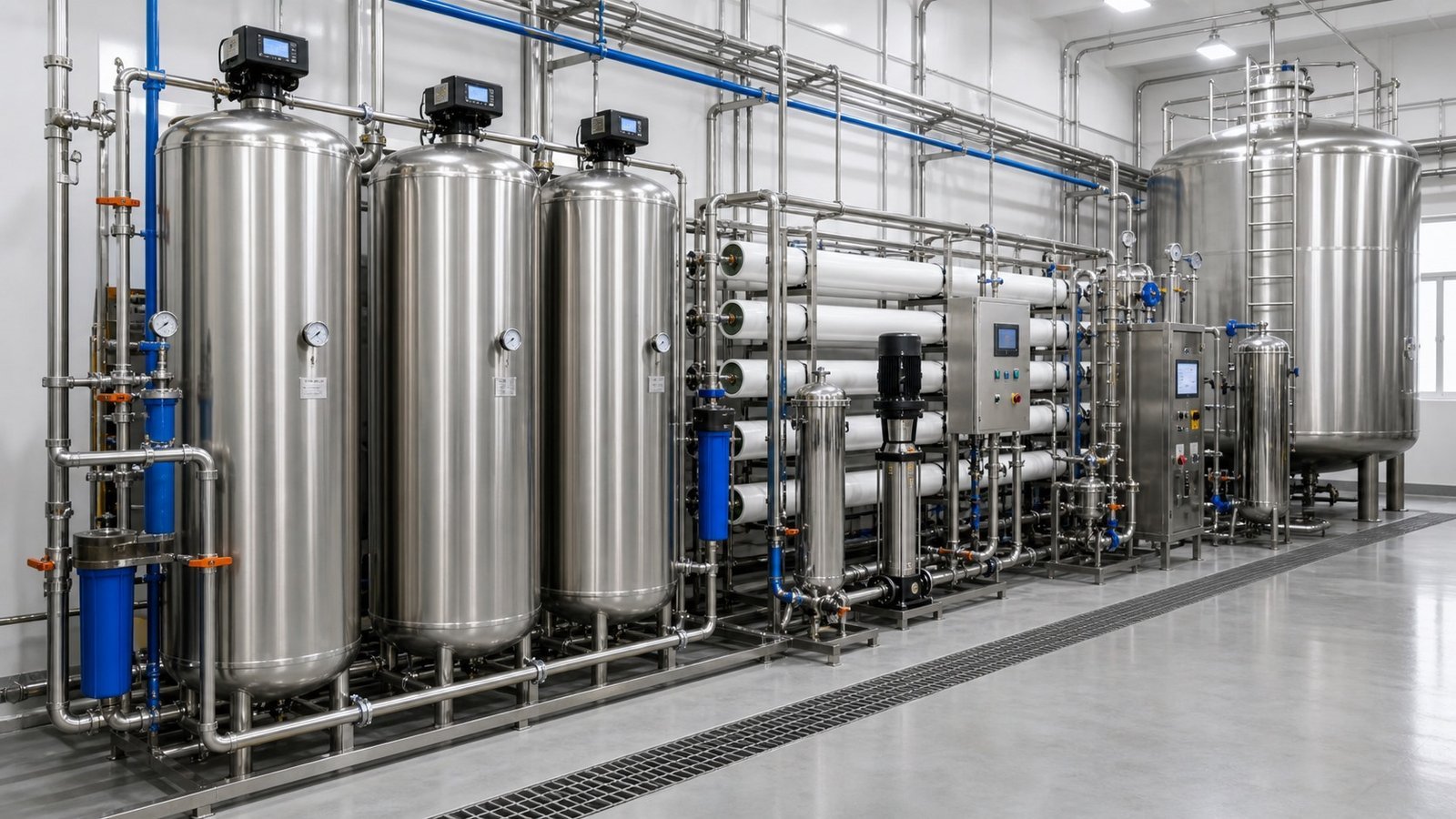
Water treatment
Raw-water analysis, treatment target, pretreatment, RO, disinfection and storage.
Beverage preparation
Mixing, carbonation, heating, sterilization, CIP and process requirements.
Container preparation
Blow molding, unscrambling, rinsing and container-condition assumptions.
Filling & capping
Product-contact materials, filling method, closure and changeover scope.
Labeling & coding
Label type, code content, inspection and line-speed interfaces.
Packing & handling
Shrink pack, case pack, conveying, palletizing and finished-product flow.
Reference equipment families
Technical data belongs inside a confirmed project brief.
The 2026 catalog includes reference XGF, DXGF, RXGF, BXGF, BRXGF, DGF and QGF equipment families, plus process, labeling, packing and line-support modules.
Reference model data is not a statement of current availability. Exact materials, components, output, utility consumption, dimensions, interfaces and service scope require project-specific confirmation.
View Beverage CatalogProject inputs
Information that makes a beverage proposal useful.
Project delivery
Coordinate the decision path, not only the equipment list.
Scope & Proposal
Align process flow, equipment boundaries, options, exclusions, utilities, documents and commercial assumptions.
Inspection & FAT
Agree test material, operating conditions, acceptance points, records, open issues and release conditions.
Export & Startup
Coordinate packing, loading, shipping documents, site readiness, installation communication and after-sales scope.
Project discussion
Share the beverage, container and target output.
A useful project discussion begins with the available product, package, factory and destination information.