
Glass beverage packaging
Glass Bottle Beverage Filling Line Guide
Treat glass condition, bottle handling, washing, inspection, filling and closure as one package-specific production system.
Published by Allot Tech. Project contact: founder Mr Kcal. Final engineering, performance, materials, compliance, manufacturing responsibility and commercial terms must be confirmed for the selected resource and signed project scope.
Updated September 3, 2026Direct answer
Glass-line planning begins with bottle condition and reuse strategy.
A glass bottle filling line should be configured differently for new one-way bottles and collected returnable bottles. The buyer should define bottle drawings and samples, bottle condition, beverage and fill temperature, closure, output, washing or rinsing requirement, inspection level and finished pack. Compare bottle infeed, cleaning, empty-bottle inspection, filling, closure, breakage handling, post-fill treatment, labeling, packing and conveyor controls on the same package basis.
Project definition
Start with the complete decision basis.
Glass is dimensionally stable but heavy, brittle and sensitive to impact and thermal shock. Returnable bottles also bring variable soil, labels, wear and foreign-material risk. The layout, conveyor pressure, cleaning process and inspection plan must reflect the actual bottle stream. The appropriate hygiene, process and package-integrity controls should be confirmed by the responsible equipment, beverage and quality specialists.
Bottle population
One-way or returnable, drawing, supplier, age mix, label residue, damage pattern, crate or pallet arrival and approved samples.
Beverage process
Product, fill temperature, carbonation, shelf-life process, cleaning chemicals and required product-contact conditions.
Closure and decoration
Crown, screw cap or other closure, label type, embossing, code location, bottle orientation and presentation standard.
Factory and output
BPH by format, floor loading, drainage, steam or heat, access, cullet handling, utilities and finished-pack requirement.
System or development path
Control bottle condition before filling and protect glass through every transfer.
Receive and decrate
Define pallet or crate infeed, unpacking, returnable-bottle sorting, debris control and operator access.
Wash or rinse
Match pre-soak, caustic stages, spray zones, temperature, residence time, rinse and discharge condition to the bottle stream.
Inspect empty bottles
Check residual liquid, foreign material, base, wall, neck or finish using the agreed inspection and reject method.
Fill and close
Choose filling and closure systems for the beverage, temperature, carbonation, bottle finish and required output.
Treat and inspect
Plan pasteurization, warming, cooling, fill and closure checks, leakage control and broken-bottle response where applicable.
Label and pack
Confirm bottle surface, orientation, label, code, crate or carton, line pressure and finished-pack acceptance.
Quotation comparison
Compare glass-line proposals using the actual bottle population and finished pack.
| Decision area | Buyer should provide | Proposal should clarify |
|---|---|---|
| Bottle condition | Representative new or returnable bottle samples and data. | Cleaning, inspection, guides, transfers and exclusions for damaged or nonstandard bottles. |
| Washing process | Soil level, labels, available heat, water and chemical policy. | Zones, temperatures, residence time, filtration, heat recovery, monitoring and discharge condition. |
| Breakage control | Factory safety and cullet-handling requirements. | Detection, guards, cleanup access, reject route, drainage protection and restart procedure. |
| Filling and closure | Beverage, temperature, carbonation, bottle finish and closure. | Filling principle, valve and capper configuration, change parts, cleaning and performance basis. |
| Acceptance | Named bottle population, product or test liquid and pack. | Run duration, accepted output, inspection checks, breakage record, stops and release rules. |
Solve the next project problem
Close these proposal gaps before price becomes the decision.
Use the brief below to turn a vague supplier conversation into questions that can be answered and documented.
Make this decision comparable.
Send: Representative new or returnable bottle samples and data.
Require: Cleaning, inspection, guides, transfers and exclusions for damaged or nonstandard bottles.
Make this decision comparable.
Send: Soil level, labels, available heat, water and chemical policy.
Require: Zones, temperatures, residence time, filtration, heat recovery, monitoring and discharge condition.
Make this decision comparable.
Send: Factory safety and cullet-handling requirements.
Require: Detection, guards, cleanup access, reject route, drainage protection and restart procedure.
Send the beverage, package files, required output, factory conditions, destination and current project stage. The Allot Tech Project Desk can help organize the first comparison.
Decision evidence
Glass-line decisions need bottle-condition, cleaning and breakage evidence.
Evidence should be identified before the order or approval stage so both sides know what will support the next decision.
Representative bottle set
Identify approved new bottles or a documented returnable population with wear, soil, labels and defects represented.
Cleaning process schedule
Record zones, temperatures, chemicals, concentrations, filtration, residence time, monitoring points and rinse requirement.
Inspection challenge plan
Define test pieces or controlled conditions, reject confirmation, sampling and the limitations of each inspection stage.
Integrated run and breakage log
Capture output, bottle source, product condition, rejects, breakage locations, stops, cleanup and open actions.
Separate one-way and returnable line assumptions
A compact rinser may suit controlled new bottles, while returnable bottles can require decrating, intensive washing, multiple inspections and crate handling. Ask the resource to state which bottle population supports the quoted output and cleaning result.
- Describe bottle arrival and previous use
- Provide representative dirty and worn samples
- List sorting and rejection responsibilities
Engineer transfers for heavy, brittle containers
Glass conveyor pressure and impact increase at curves, dead plates, accumulation zones and machine infeed. The line layout should show guide control, lubrication policy, accumulation purpose, cleanup access and how machines stop and restart after breakage.
- Review every dead plate and transfer
- Protect access for safe cleanup
- Define broken-bottle detection and restart control
Test label and pack quality after the full process
Washing, warming, pasteurization or cooling can leave bottles wet or change surface temperature. Coding, adhesive labeling and packing should be checked under the expected discharge condition, not only with dry room-temperature samples.
- State bottle surface at labeler entry
- Include drying where required
- Approve the finished labeled and packed bottle
Decision gates
Move forward when the next commitment has enough written evidence.
Project stages overlap, but each commercial commitment should have a visible basis, named approvers and a list of unresolved items.
Engineering basis approved
The product, package, output, equipment boundary, layout, utilities, responsibilities and open assumptions are controlled.
Manufacturing and test basis approved
Drawings, component schedule, test materials, acceptance conditions, documents and planned evidence are agreed.
Delivery and handover released
Punch-list closure, packing, shipment files, site readiness, installation scope, training and support ownership are visible.
Before requesting a proposal
Build one brief that every resource can answer on the same basis.
This page is designed to help an international buyer prepare a clearer discussion, not to replace the responsible resource’s engineering or the buyer’s professional review.
Product
Beverage, process, hygiene, shelf-life and operating conditions.
Package
Container, closure, label, code, finished pack and approved files.
Output
Required rate for a named format, shifts, annual plan and changeovers.
Factory
Measured space, utilities, access, drainage and local site constraints.
Project scope
Equipment boundary, documents, FAT, delivery, startup and destination.
Allot Tech organized recurring buyer questions, project-scoping patterns, available catalog inputs and specialist-resource context into a decision sequence. No customer case, certification, output guarantee or factory ownership is implied unless separately verified for the named project.
Manufacturing context
Use equipment views to ask more specific project questions.
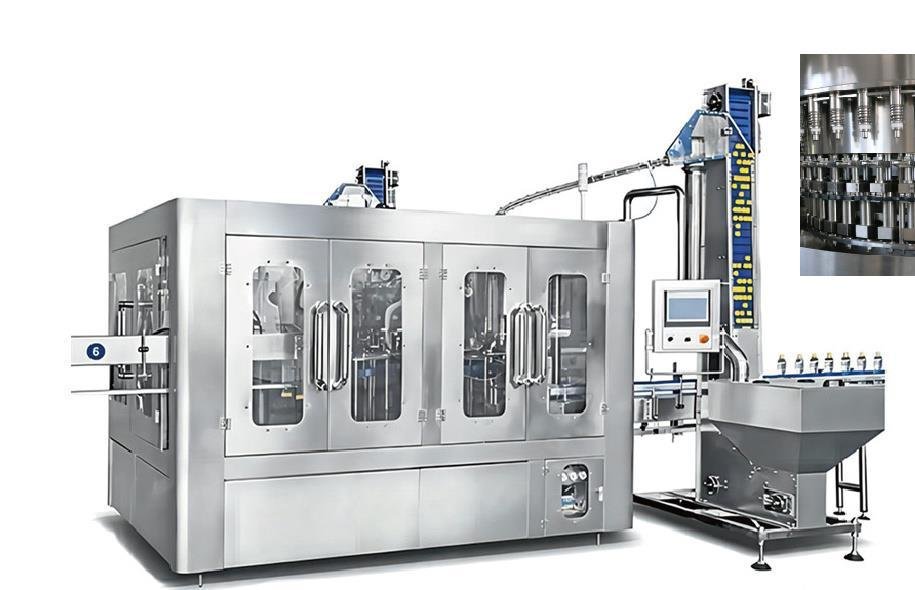
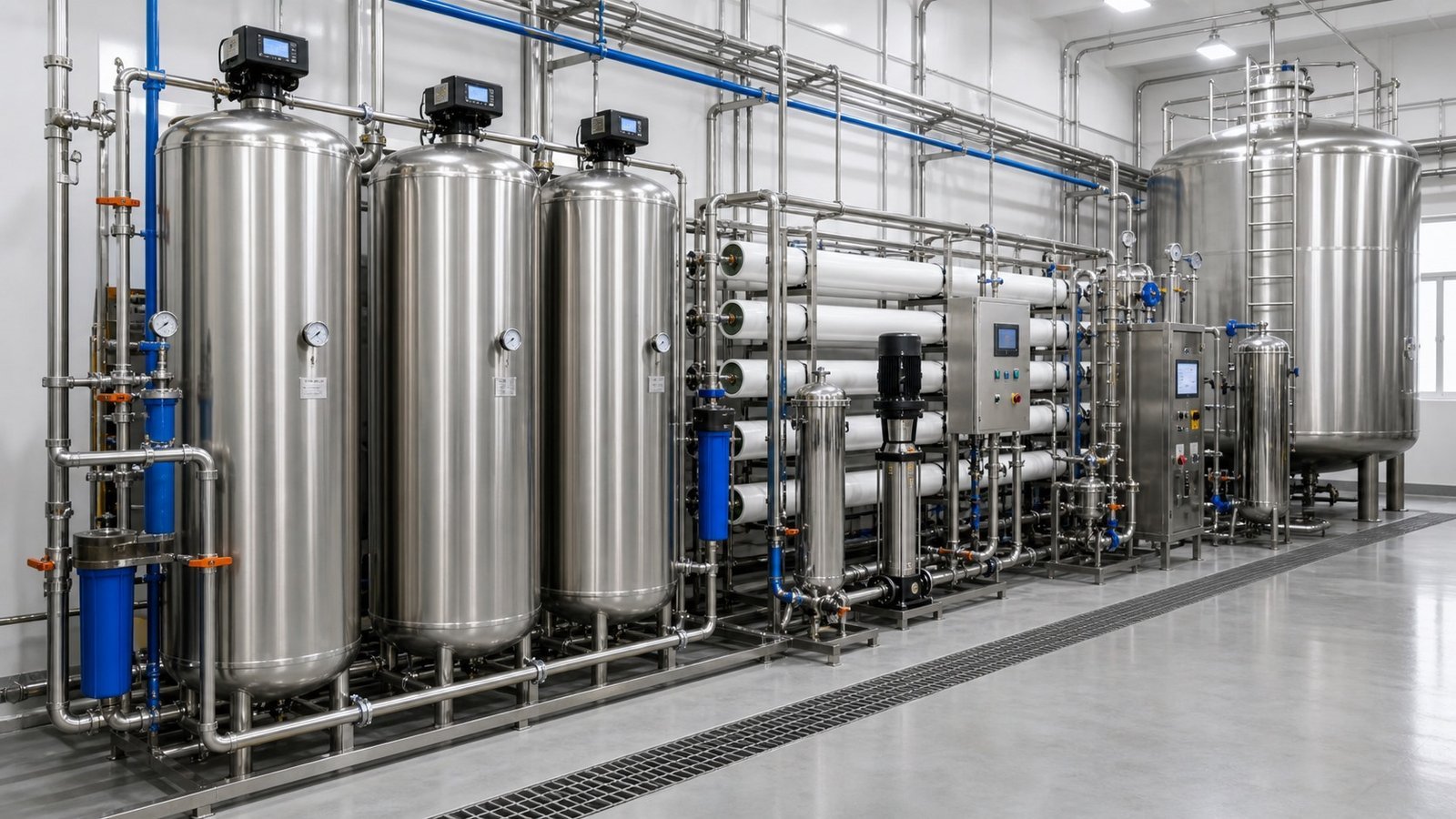
The process illustration supports scope discussion. The XGF equipment image is reproduced from page 9 of the Allot Tech 2026 catalog; use the catalog and project documents to review the applicable configuration.
Buyer questions
Frequently asked questions
What is different about a returnable glass bottle line?
It may require decrating, intensive bottle washing, empty-bottle inspection, sorting, breakage management and returnable-crate handling in addition to filling and packing.
Can the same filler handle PET and glass?
Some platforms may support more than one container family, but handling, star wheels, filling conditions, safety guarding and cleaning must be reviewed for each approved package.
How should glass-line output be tested?
Use the agreed bottle population, beverage or representative liquid, closure and finished-pack route; record accepted output, breakage, rejects, stops and test limitations.
Who confirms the bottle-washing process?
The responsible equipment, beverage, hygiene and quality specialists should confirm process conditions and acceptance for the actual bottle stream and market requirement.
Project discussion
Discuss a Glass Bottle Filling Line
Send the beverage, package files, required output, factory conditions, destination and current project stage.