
From delivery to operating handover
Bottling Line Installation & Commissioning
Prepare the site, people, utilities, materials and acceptance plan before equipment and commissioning specialists arrive.
Published by Allot Tech. Project contact: founder Mr Kcal. Final engineering, performance, materials, compliance, manufacturing responsibility and commercial terms must be confirmed for the selected resource and signed project scope.
Updated September 14, 2026Direct answer
A commissioning schedule is only credible when every prerequisite has an owner.
Installation and commissioning should be planned before shipment, not after containers arrive. The project needs an approved layout, safe unloading and lifting plan, completed civil work, stable utilities, agreed local labor and tools, production materials, responsible supplier specialists, daily records, training targets and acceptance criteria. Separate mechanical installation, electrical and utility checks, dry commissioning, wet or product trials, performance testing and operator handover so unresolved site issues do not become invisible delays.
Project definition
Start with the complete decision basis.
Supplier specialists cannot complete site work when floors, drains, power, air, water, steam, cooling, network, materials or local permits are not ready. Likewise, the buyer needs clear notice of the tools, lifting equipment, technicians and consumables expected at site. Final installation methods, electrical work, pressure systems and safety compliance must be controlled by qualified responsible parties under the project contract and local requirements.
Readiness status
Building, floors, drains, foundations, access, lighting, ventilation, hygiene areas, warehouse and welfare facilities.
Utility availability
Power quality, grounding, air, water, steam, cooling, drainage, product systems and verified connection points.
People and tools
Supplier specialists, local trades, operators, interpreters, lifting equipment, tools, PPE and work permits.
Trial materials
Product or test medium, bottles, caps, labels, film, cartons, chemicals, lubricants, spare parts and disposal plan.
System or development path
Use staged commissioning so every system is checked before full production trials.
Receive and inspect
Check crates, packing list, transport condition, missing items, indoor storage and release for unpacking.
Position and assemble
Set equipment, conveyors, platforms and guards against approved references and documented tolerances.
Connect and verify
Complete electrical, air, water, steam, cooling, drainage and product interfaces with qualified responsible teams.
Dry commission
Check rotation, sensors, interlocks, alarms, recipes, manual movements, lubrication and no-load transfers.
Run wet and product trials
Introduce water or product in controlled stages, tune transfers, verify sanitation and record performance issues.
Train and hand over
Complete operator and maintenance training, document backups, spare parts, open items and acceptance status.
Quotation comparison
Define commissioning responsibility before comparing service offers.
| Decision area | Buyer should provide | Proposal should clarify |
|---|---|---|
| Service boundary | Required installation, supervision, testing and training. | Number and skill of specialists, included days, travel basis, local labor and exclusions. |
| Site readiness | Construction and utility completion plan. | Readiness checklist, required evidence, pre-arrival review and delay treatment. |
| Trial plan | Products, formats, materials and output target. | Dry, wet, product and performance stages with pass criteria and material quantities. |
| Training | Operator and maintenance roles and language. | Topics, practical exercises, attendance, materials, competency check and records. |
| Handover | Acceptance, warranty and production-start expectations. | Backups, manuals, parts, punch list, support contact and signed handover documents. |
Solve the next project problem
Close these proposal gaps before price becomes the decision.
Use the brief below to turn a vague supplier conversation into questions that can be answered and documented.
Make this decision comparable.
Send: Required installation, supervision, testing and training.
Require: Number and skill of specialists, included days, travel basis, local labor and exclusions.
Make this decision comparable.
Send: Construction and utility completion plan.
Require: Readiness checklist, required evidence, pre-arrival review and delay treatment.
Make this decision comparable.
Send: Products, formats, materials and output target.
Require: Dry, wet, product and performance stages with pass criteria and material quantities.
Send the beverage, package files, required output, factory conditions, destination and current project stage. The Allot Tech Project Desk can help organize the first comparison.
Decision evidence
A commissioning record should show what was ready, tested and handed over.
Evidence should be identified before the order or approval stage so both sides know what will support the next decision.
Readiness sign-off
Status and photographs for civil work, access, utilities, materials, labor, tools and safety prerequisites.
Daily site report
Personnel, hours, completed work, tests, delays, site constraints, decisions and next-day actions.
Commissioning and training log
Configuration, trial conditions, results, parameter changes, attendees, subjects and remaining gaps.
Handover register
Approved documents, software backups, keys, tools, spare parts, punch-list status and support escalation contacts.
Verify readiness before travel is booked
A video walkdown and utility evidence can identify obvious gaps before specialists mobilize. The final readiness review should use the current layout and connection schedule, then record open items with owners and dates.
- Check access from container to final position
- Measure utilities under expected load where possible
- Confirm materials and local teams are scheduled
Separate installation from performance testing
Equipment can be mechanically installed while utilities, controls or production materials are still incomplete. Milestones should describe what has actually been achieved so elapsed calendar time is not confused with completed commissioning work.
- Use staged completion certificates
- Record causes of waiting time
- Do not start guarantee tests on provisional conditions
Make handover usable for the operating team
Manuals alone do not create operating readiness. Operators and maintenance staff should practice startup, shutdown, cleaning, changeover, alarms, adjustment, safety and routine care, with key parameter and backup files stored where the buyer can access them.
- Train on the launch formats
- Verify backup and restore procedures
- Assign open issues and post-start support contacts
Decision gates
Move forward when the next commitment has enough written evidence.
Project stages overlap, but each commercial commitment should have a visible basis, named approvers and a list of unresolved items.
Engineering basis approved
The product, package, output, equipment boundary, layout, utilities, responsibilities and open assumptions are controlled.
Manufacturing and test basis approved
Drawings, component schedule, test materials, acceptance conditions, documents and planned evidence are agreed.
Delivery and handover released
Punch-list closure, packing, shipment files, site readiness, installation scope, training and support ownership are visible.
Before requesting a proposal
Build one brief that every resource can answer on the same basis.
This page is designed to help an international buyer prepare a clearer discussion, not to replace the responsible resource’s engineering or the buyer’s professional review.
Product
Beverage, process, hygiene, shelf-life and operating conditions.
Package
Container, closure, label, code, finished pack and approved files.
Output
Required rate for a named format, shifts, annual plan and changeovers.
Factory
Measured space, utilities, access, drainage and local site constraints.
Project scope
Equipment boundary, documents, FAT, delivery, startup and destination.
Allot Tech organized recurring buyer questions, project-scoping patterns, available catalog inputs and specialist-resource context into a decision sequence. No customer case, certification, output guarantee or factory ownership is implied unless separately verified for the named project.
Manufacturing context
Use equipment views to ask more specific project questions.
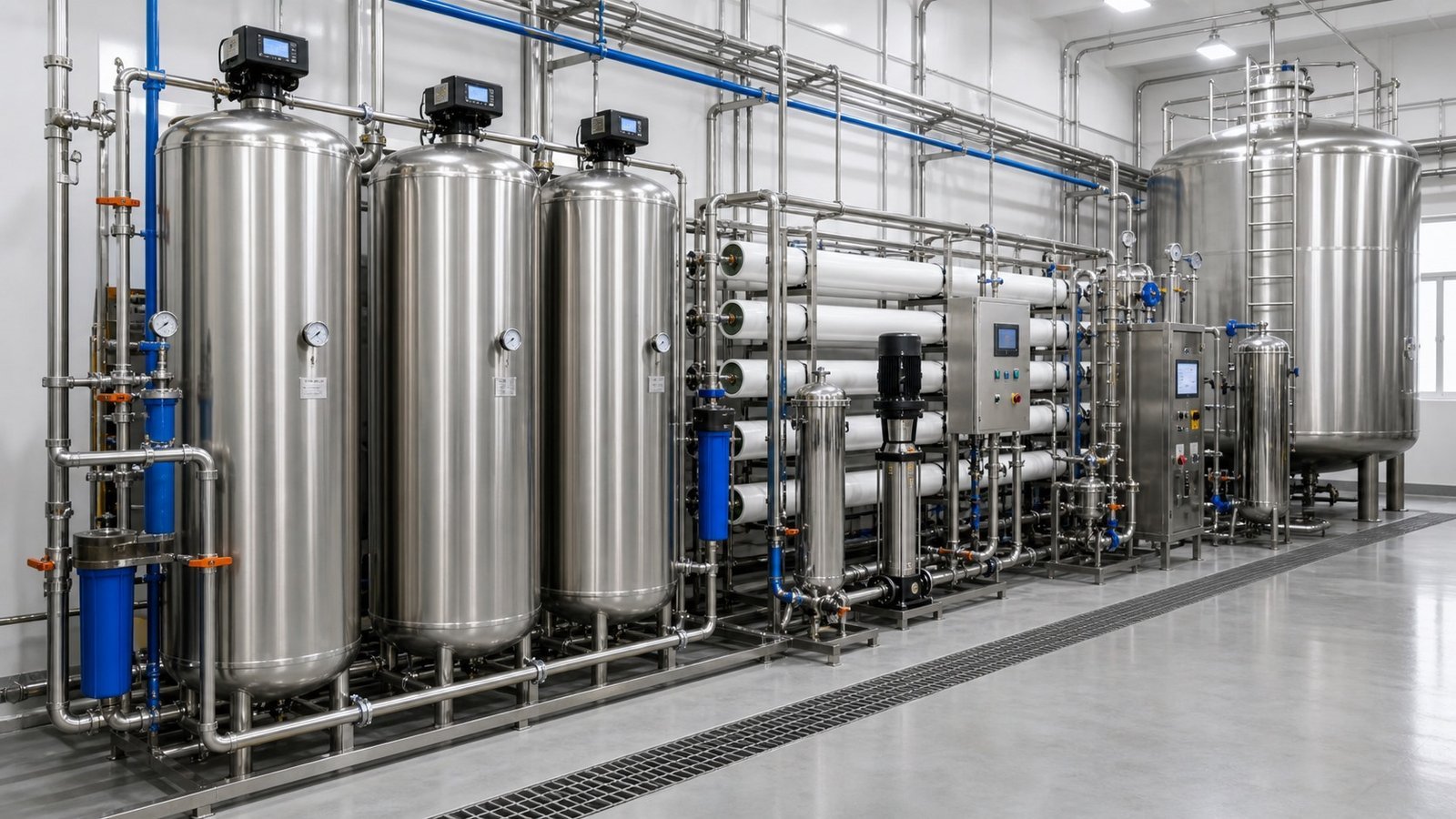
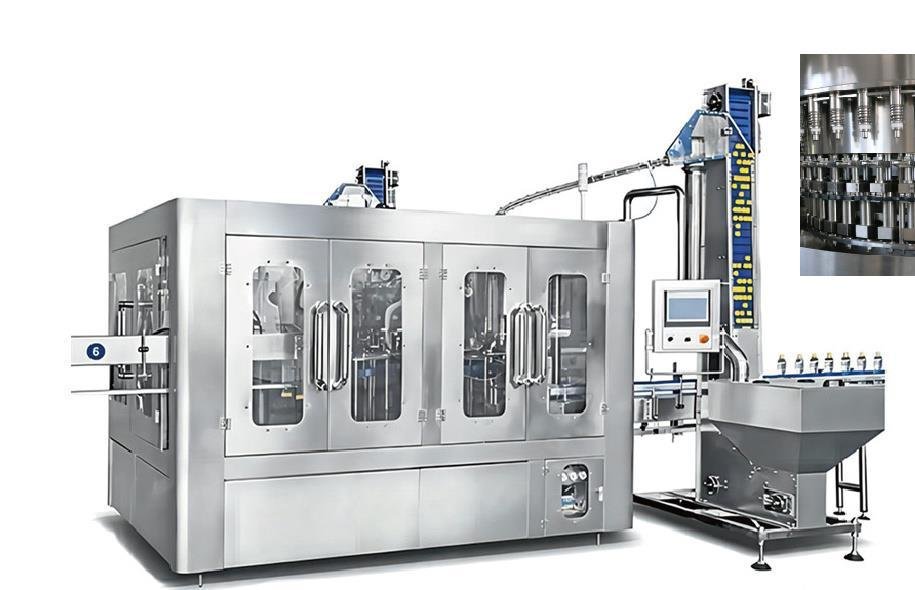
The process illustration supports scope discussion. The XGF equipment image is reproduced from page 9 of the Allot Tech 2026 catalog; use the catalog and project documents to review the applicable configuration.
Buyer questions
Frequently asked questions
What must be ready before bottling line installation?
The building, access, floor and drainage, approved layout, utility connections, lifting plan, local labor, tools, safety arrangements and protected storage should be ready or have an agreed completion plan.
Who connects electricity and utilities?
The contract should divide supplier supervision, buyer-appointed qualified trades and local compliance responsibilities. Connection and energization should be performed by competent authorized parties.
What materials are needed for commissioning?
Depending on the line, prepare water or product, bottles or preforms, caps, labels, coding consumables, film or cartons, cleaning chemicals, lubricants and waste-handling arrangements.
When is the line considered handed over?
Handover follows the agreed tests and documents, not simply the end of an engineer visit. The signed record should list accepted items, open issues, training, files, spares and support responsibilities.
Project discussion
Plan Installation and Commissioning
Send the beverage, package files, required output, factory conditions, destination and current project stage.