
End-to-end packaging integration
Filling, Labeling & Packing Line Integration
Connect the product-contact equipment, container handling, inspection, coding, labels, packs and controls as one balanced production flow.
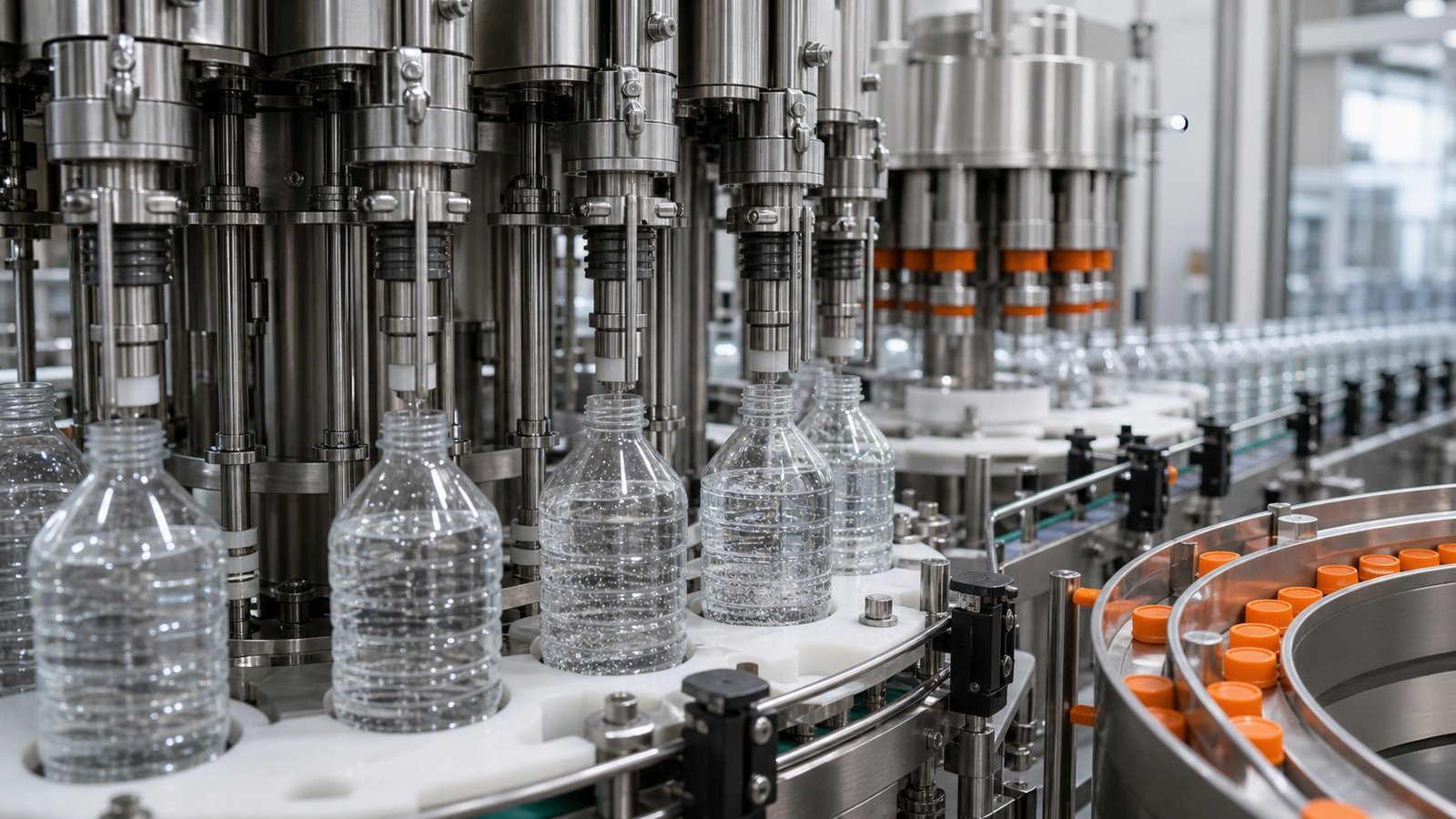
Published by Allot Tech. Project contact: founder Mr Kcal. Final engineering, performance, materials, compliance, manufacturing responsibility and commercial terms must be confirmed for the selected resource and signed project scope.
Updated October 7, 2026Direct answer
Most integration problems appear between machines, not inside the equipment list.
A complete packaging line should be compared as a connected system, not as a list of machine names. The buyer should freeze the beverage, bottle or can, closure, label, code, sales pack and target output, then require every proposal to show conveyor interfaces, accumulation, controls, reject handling, change parts, utilities and responsibility at each handoff. The best-priced filler is not automatically the best complete-line proposal when labeling, packing or controls cannot sustain the same basis.
Project definition
Start with the complete decision basis.
Containers change condition as they move through a line: they may be hot, wet, pressurized, lightweight, unstable or sensitive to scuffing. Labels and packs also require a defined surface condition and product orientation. A useful layout and control narrative should therefore explain how containers transfer, where accumulation is allowed, how faults propagate, where inspection occurs and which party owns the final balanced-line performance commitment.
Product and fill
Beverage, temperature, carbonation, hygiene boundary, fill volume, closure and product-contact requirement.
Container set
Bottle or can drawings, stability, neck or lid, approved samples, number of formats and changeover priorities.
Decoration and code
Label material and position, code content, inspection, traceability and market presentation requirement.
Sales pack
Shrink, tray, carton, handle, bundle, pallet pattern, warehouse handover and target finished-pack output.
System or development path
Specify the complete path from clean container to warehouse-ready pack.
Container infeed
Define empty-container quality, unscrambling or air conveying, infeed accumulation and hygiene protection.
Filling and closure
Confirm filling principle, product-contact scope, cap or lid feed, closure checks, CIP and change parts.
Post-fill conditioning
Plan inversion, warming, cooling, drying, pressure stabilization or container inspection where the product requires it.
Coding and labeling
Match code location, container surface, label material, orientation, inspection and reject handling to actual line conditions.
Secondary packing
Define pack count, film or carton, tray, handle, sealing, checkweighing and finished-pack dimensions.
Conveying and controls
Show buffers, sensors, line speeds, fault zones, emergency stops, data exchange and responsibility for final integration.
Quotation comparison
Compare each proposal on the same finished-pack output basis.
| Decision area | Buyer should provide | Proposal should clarify |
|---|---|---|
| Line boundary | Start point, end point and buyer-supplied systems. | Every machine, conveyor, control panel, platform, option and interface included. |
| Performance basis | Named product, container, closure, label and pack. | Rated and acceptance output, test duration, efficiency assumptions and reject treatment. |
| Changeovers | All launch formats and future priorities. | Change parts, adjustment range, tools, stored recipes and expected procedure. |
| Inspection | Required checks and traceability level. | Sensors, cameras, code verification, reject device, reject confirmation and records. |
| Integration owner | Preferred contracting and communication model. | Responsible party for layout, controls, debugging, balanced run and punch-list closure. |
Solve the next project problem
Close these proposal gaps before price becomes the decision.
Use the brief below to turn a vague supplier conversation into questions that can be answered and documented.
Make this decision comparable.
Send: Start point, end point and buyer-supplied systems.
Require: Every machine, conveyor, control panel, platform, option and interface included.
Make this decision comparable.
Send: Named product, container, closure, label and pack.
Require: Rated and acceptance output, test duration, efficiency assumptions and reject treatment.
Make this decision comparable.
Send: All launch formats and future priorities.
Require: Change parts, adjustment range, tools, stored recipes and expected procedure.
Send the beverage, package files, required output, factory conditions, destination and current project stage. The Allot Tech Project Desk can help organize the first comparison.
Decision evidence
Documents that make line integration reviewable.
Evidence should be identified before the order or approval stage so both sides know what will support the next decision.
Equipment and interface matrix
List every module with infeed, discharge, utility, control, data and mechanical connection responsibility.
Balanced-line calculation
Show the output basis, machine ratings, buffers, expected stops and assumptions used to support finished-pack output.
Approved package set
Control bottle, closure, label, code and pack revisions used for engineering, samples and testing.
Integrated test record
Record run conditions, stoppages, rejects, changeover observations, open issues and release decisions.
Freeze the package before detailed engineering
Bottle, cap, label and pack changes can affect guides, star wheels, conveyors, sensors, drying, code position and packer tooling. Engineering can continue with provisional files, but every assumption should be visible and the freeze date should be tied to the delivery schedule.
- Use revision-controlled drawings and samples
- Identify provisional versus approved formats
- Record schedule impact of late changes
Design accumulation with a purpose
More conveyor does not automatically make a line stable. Accumulation should protect useful equipment recovery while avoiding excessive container pressure, heat exposure, scuffing or hygiene risk. The controls description should state how upstream and downstream machines slow, stop and restart.
- Mark accumulation zones on the layout
- Define control and fault zones
- Review container behavior at each transfer
Test the finished pack, not only the filler
A line can reach filler speed while labels wrinkle, codes fail inspection or packs collapse. Final acceptance should identify which format is tested, which supplied materials are used, how long the integrated run lasts and how planned stops or rejects are recorded.
- Use approved production materials
- Measure output at the agreed handover point
- Close integration issues before shipment release
Decision gates
Move forward when the next commitment has enough written evidence.
Project stages overlap, but each commercial commitment should have a visible basis, named approvers and a list of unresolved items.
Engineering basis approved
The product, package, output, equipment boundary, layout, utilities, responsibilities and open assumptions are controlled.
Manufacturing and test basis approved
Drawings, component schedule, test materials, acceptance conditions, documents and planned evidence are agreed.
Delivery and handover released
Punch-list closure, packing, shipment files, site readiness, installation scope, training and support ownership are visible.
Before requesting a proposal
Build one brief that every resource can answer on the same basis.
This page is designed to help an international buyer prepare a clearer discussion, not to replace the responsible resource’s engineering or the buyer’s professional review.
Product
Beverage, process, hygiene, shelf-life and operating conditions.
Package
Container, closure, label, code, finished pack and approved files.
Output
Required rate for a named format, shifts, annual plan and changeovers.
Factory
Measured space, utilities, access, drainage and local site constraints.
Project scope
Equipment boundary, documents, FAT, delivery, startup and destination.
Allot Tech organized recurring buyer questions, project-scoping patterns, available catalog inputs and specialist-resource context into a decision sequence. No customer case, certification, output guarantee or factory ownership is implied unless separately verified for the named project.
Manufacturing context
Use equipment views to ask more specific project questions.
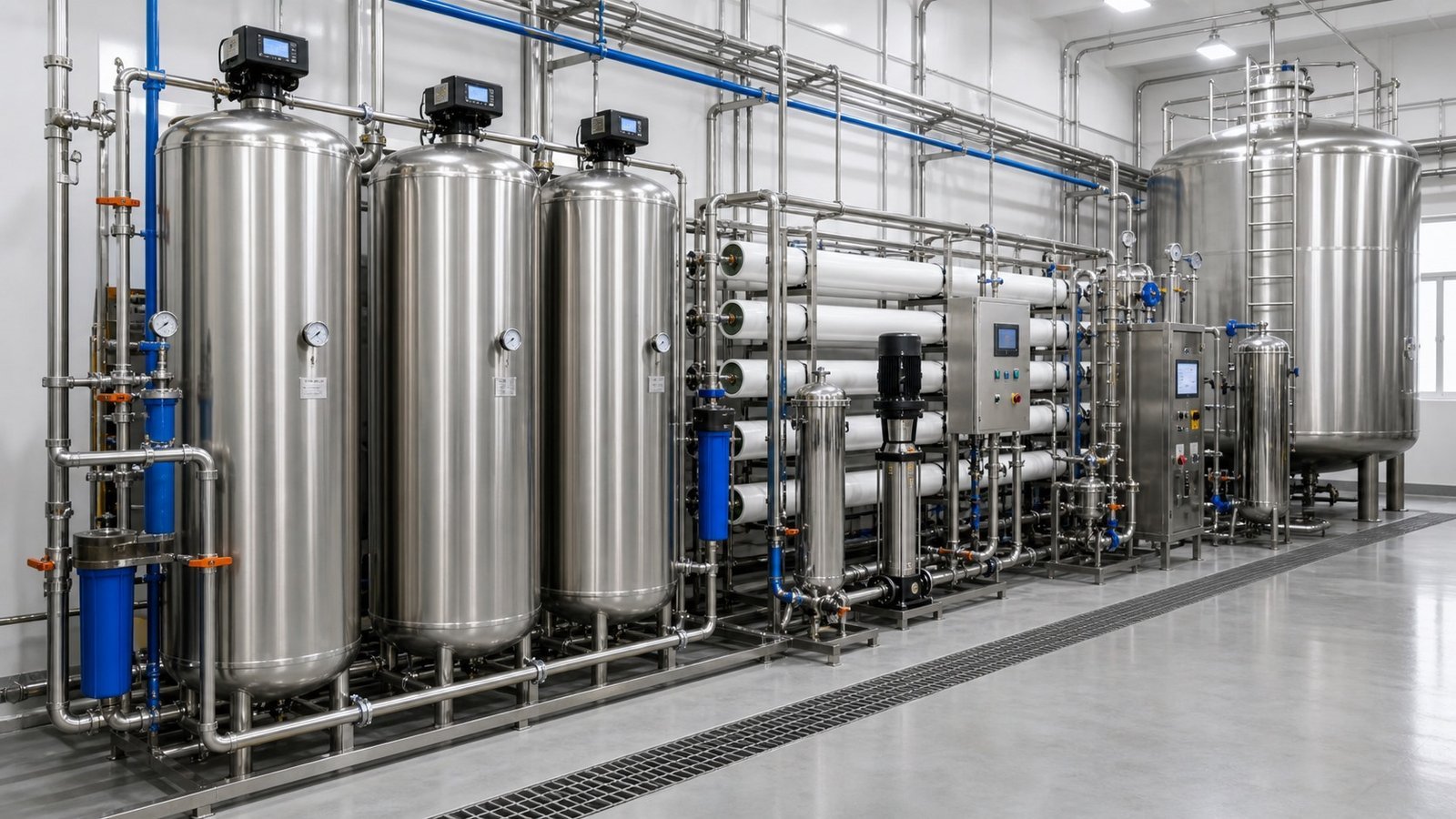
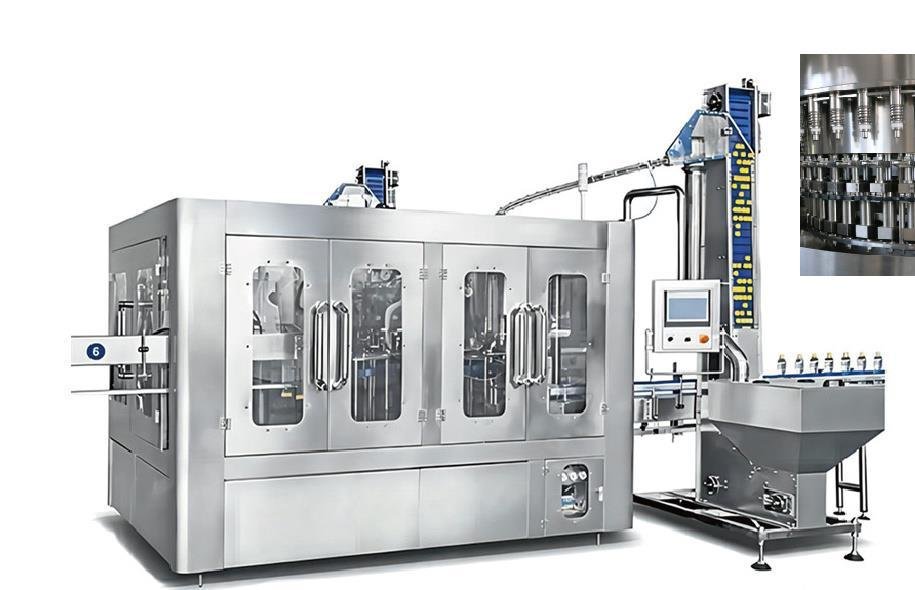
The process illustration supports scope discussion. The XGF equipment image is reproduced from page 9 of the Allot Tech 2026 catalog; use the catalog and project documents to review the applicable configuration.
Buyer questions
Frequently asked questions
What should a complete beverage packaging line include?
The boundary may include filling and capping, post-fill treatment, coding, inspection, labeling, conveyors, secondary packing, pallet handling and integrated controls. Every included and buyer-supplied item should be listed.
Why do line speeds differ between machines?
Suppliers may provide design margins for upstream or downstream equipment. The proposal should explain the balanced output, buffer strategy and accepted finished-pack rate for the chosen format.
Who should be responsible for line integration?
The contract should name responsibility for layout, mechanical and electrical interfaces, controls, testing, commissioning and final punch-list closure, even when several specialist resources supply equipment.
Can Allot Tech coordinate a multi-resource line?
Allot Tech can coordinate commercial and project communication when the participating resources, responsibilities and signed scope are clearly defined.
Project discussion
Discuss Line Integration
Send the beverage, package files, required output, factory conditions, destination and current project stage.