
PET bottle production planning
PET Bottle Blowing Systems for Beverage Lines
Define the bottle, preform, mold, compressed-air system and transfer interface together so the blowing section supports the required beverage-line output.
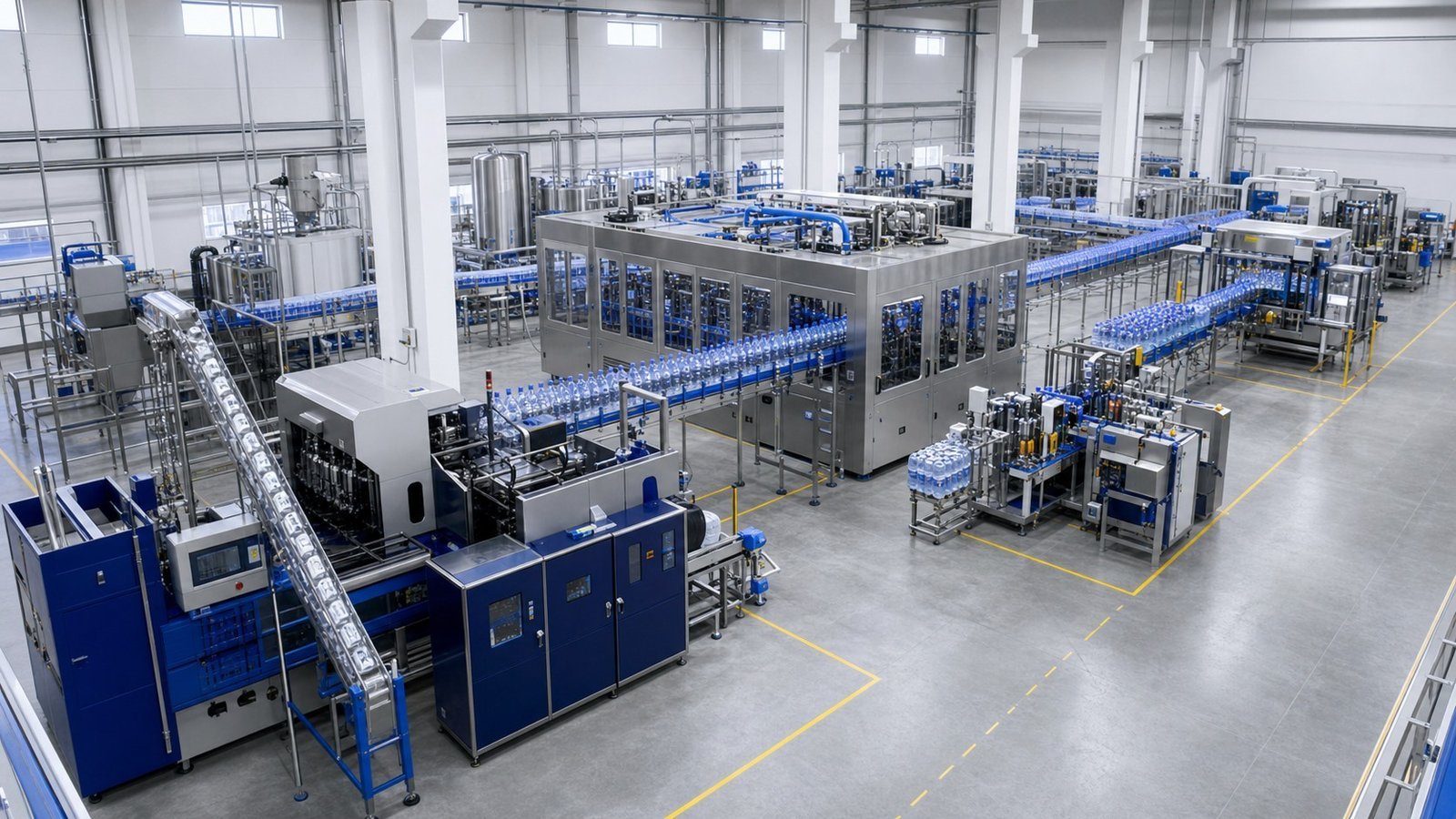
Published by Allot Tech. Project contact: founder Mr Kcal. Final engineering, performance, materials, compliance, manufacturing responsibility and commercial terms must be confirmed for the selected resource and signed project scope.
Updated October 7, 2026Direct answer
The bottle is an engineered package, not a generic input to the line.
A useful PET bottle blowing proposal starts with an approved bottle drawing or sample, the matching preform and neck finish, target bottles per hour at each format, available compressed-air and cooling conditions, and the required connection to filling. Compare the complete blowing cell rather than the blow molder alone: preform handling, molds, compressors, dryers, chillers, air recovery, bottle transfer, change parts, testing and documentation all affect the project boundary.
Project definition
Start with the complete decision basis.
Bottle weight, geometry, grip and base design influence heating, stretching, mold cooling, transfer stability and downstream labeling or packing. The preform should be matched to the neck and bottle design, while the blowing system should be balanced with the filler at the stated reference format. Final bottle performance, food-contact suitability and process settings require confirmation by the responsible preform, bottle and equipment specialists.
Bottle file
Volume, drawing, neck finish, target weight, label panel, base design, approved sample and intended beverage.
Preform basis
Resin and food-contact requirement, neck standard, preform weight, color, supply source and available samples.
Output plan
BPH by bottle size, number of formats, changeover expectation, shifts and required buffer to the filler.
Utilities and site
High- and low-pressure air, cooling water, power, ambient conditions, room height, access and maintenance space.
System or development path
Build the blowing cell around every step from preform feed to stable bottle transfer.
Preform handling
Confirm bin, elevator, unscrambler, feed rail, neck protection and the route from preform storage to the heater.
Heating and stretching
Match oven zones, lamps, rotation, stretch control and recipe storage to the approved preform and bottle family.
Mold and cooling
Define cavity count, bottle file ownership, mold material, cooling circuits, mounting standard and spare inserts.
Compressed air
Record pressure, flow, quality, dryer, filters, receiver capacity, low-pressure demand and whether air recovery is included.
Bottle discharge
Protect empty-bottle stability through neck handling, star wheels, air conveyor or direct blow-fill connection.
Inspection and release
Approve appearance, dimensions, weight distribution and agreed bottle tests before final line testing and shipment.
Quotation comparison
Normalize the complete PET bottle blowing scope before comparing proposals.
| Decision area | Buyer should provide | Proposal should clarify |
|---|---|---|
| Bottle basis | Approved drawing, sample, preform and neck definition. | Bottle file responsibility, mold basis, trial material and acceptance checks. |
| Rated output | BPH for each named bottle and preform. | Cavity count, test basis, buffer and interface with the filling line. |
| Air system | Available pressure, flow and local utility cost. | Compressor stages, dryer, filters, receivers, recovery and measured demand basis. |
| Format scope | Current and planned bottle families. | Molds, neck compatibility, change parts, recipes, tools and changeover procedure. |
| Documentation | Language, destination and approval workflow. | Drawings, manuals, parts list, parameter backup, test records and training scope. |
Solve the next project problem
Close these proposal gaps before price becomes the decision.
Use the brief below to turn a vague supplier conversation into questions that can be answered and documented.
Make this decision comparable.
Send: Approved drawing, sample, preform and neck definition.
Require: Bottle file responsibility, mold basis, trial material and acceptance checks.
Make this decision comparable.
Send: BPH for each named bottle and preform.
Require: Cavity count, test basis, buffer and interface with the filling line.
Make this decision comparable.
Send: Available pressure, flow and local utility cost.
Require: Compressor stages, dryer, filters, receivers, recovery and measured demand basis.
Send the beverage, package files, required output, factory conditions, destination and current project stage. The Allot Tech Project Desk can help organize the first comparison.
Decision evidence
Evidence that should be available before the blowing system is released.
Evidence should be identified before the order or approval stage so both sides know what will support the next decision.
Approved bottle and preform record
Link the final drawing, revision, material, color, neck and sample approval to the mold and machine configuration.
Utility schedule
Record pressure, flow, temperature and quality assumptions for air, cooling water and power at the stated output.
Trial protocol
Identify preforms, bottle formats, sampling frequency, run duration, measured checks and how open issues will be recorded.
Handover package
List mold files, recipe backups, changeover tools, recommended spares, manuals and responsible support contacts.
Balance output with the filler
The blower should not be selected from a headline speed alone. The reference bottle, cavity configuration, expected efficiency, buffer philosophy and filler demand should be stated together. A direct blow-fill connection has different control and accumulation needs from a separate blower feeding an air conveyor.
- State BPH by approved bottle format
- Define buffer and stop-start behavior
- Confirm controls and fault-signal interfaces
Treat compressed air as a system
High-pressure air generation, treatment, storage and recovery can change capital scope and operating cost. A quotation should identify which compressors, dryers, filters, tanks, cooling equipment, piping and instruments are included, and on what consumption basis they were selected.
- Request pressure and flow by operating condition
- Separate high- and low-pressure requirements
- Mark buyer-supplied piping and utility work
Approve the physical bottle before shipment
A bottle trial should use the intended preform and agreed process window. Appearance alone is not enough; the project team should record the agreed dimensional or performance checks, sample quantity, test duration and disposition of any nonconforming bottles.
- Use controlled bottle and preform revisions
- Keep signed sample and trial records
- Release molds and equipment against written evidence
Decision gates
Move forward when the next commitment has enough written evidence.
Project stages overlap, but each commercial commitment should have a visible basis, named approvers and a list of unresolved items.
Engineering basis approved
The product, package, output, equipment boundary, layout, utilities, responsibilities and open assumptions are controlled.
Manufacturing and test basis approved
Drawings, component schedule, test materials, acceptance conditions, documents and planned evidence are agreed.
Delivery and handover released
Punch-list closure, packing, shipment files, site readiness, installation scope, training and support ownership are visible.
Before requesting a proposal
Build one brief that every resource can answer on the same basis.
This page is designed to help an international buyer prepare a clearer discussion, not to replace the responsible resource’s engineering or the buyer’s professional review.
Product
Beverage, process, hygiene, shelf-life and operating conditions.
Package
Container, closure, label, code, finished pack and approved files.
Output
Required rate for a named format, shifts, annual plan and changeovers.
Factory
Measured space, utilities, access, drainage and local site constraints.
Project scope
Equipment boundary, documents, FAT, delivery, startup and destination.
Allot Tech organized recurring buyer questions, project-scoping patterns, available catalog inputs and specialist-resource context into a decision sequence. No customer case, certification, output guarantee or factory ownership is implied unless separately verified for the named project.
Manufacturing context
Use equipment views to ask more specific project questions.
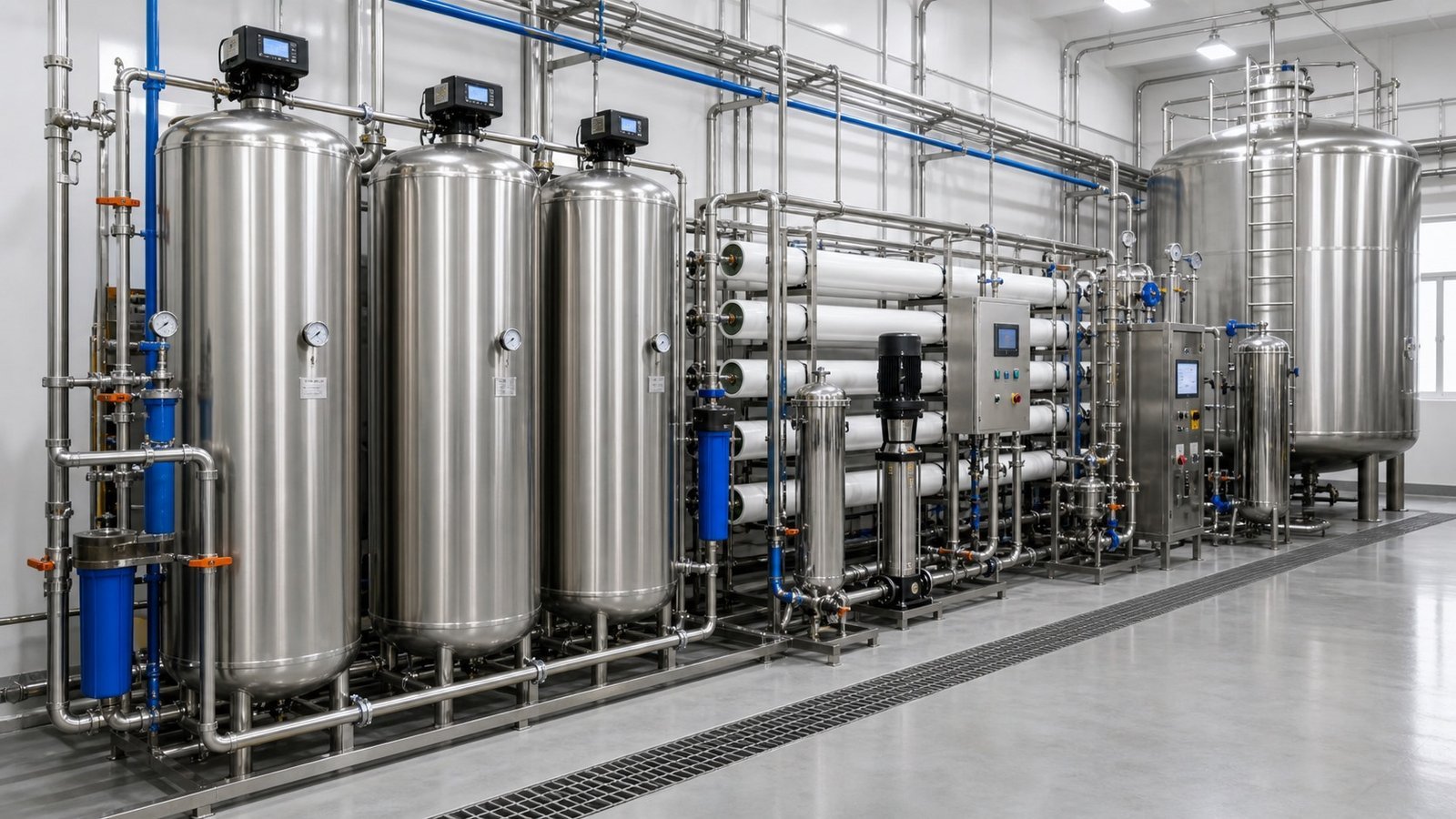
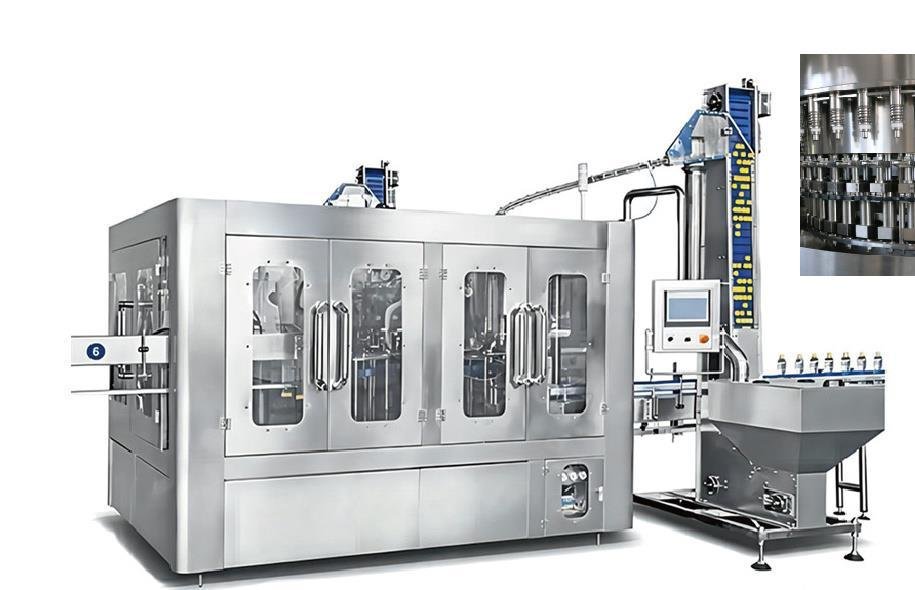
The process illustration supports scope discussion. The XGF equipment image is reproduced from page 9 of the Allot Tech 2026 catalog; use the catalog and project documents to review the applicable configuration.
Buyer questions
Frequently asked questions
What information is needed for a PET blow molding machine quotation?
Provide bottle drawings or samples, preform and neck details, bottle sizes, target BPH by format, utilities, workshop conditions, destination and the required connection to filling.
Should the air compressor be included with the blower?
It should at least be sized and documented with the blower demand. Whether it is supplied in the same contract depends on the project boundary, but pressure, flow, air quality and receiver requirements should not remain assumptions.
How should blower capacity be compared?
Compare output for the same approved bottle and preform, with the same test duration and utility conditions, then check how that output is buffered and connected to the filling line.
Does Allot Tech manufacture the blowing equipment?
Allot Tech coordinates the commercial and project discussion. The responsible manufacturing and engineering resource is confirmed for the selected scope.
Project discussion
Discuss a PET Bottle Blowing System
Send the beverage, package files, required output, factory conditions, destination and current project stage.