
Allot Tech (Suzhou) Co., Ltd.
China Beverage Systems & Textile Fabrics for Global Buyers.
Allot Tech coordinates bottled water, juice, tea and carbonated drink production lines plus wool-blend and outerwear fabric programs from Zhangjiagang / Suzhou, China. We clarify the brief, coordinate specialist resources and keep project communication visible from first discussion to delivery.
- Location
- Zhangjiagang / Suzhou
- Programs
- Beverage + Textile
- Focus
- International projects
A focused corporate platform
One company. Two manufacturing programs.
Allot Tech is the international-facing commercial and project coordination company. Specialized resources perform manufacturing according to the confirmed scope, while Allot Tech keeps communication, responsibilities and next steps organized for the buyer.
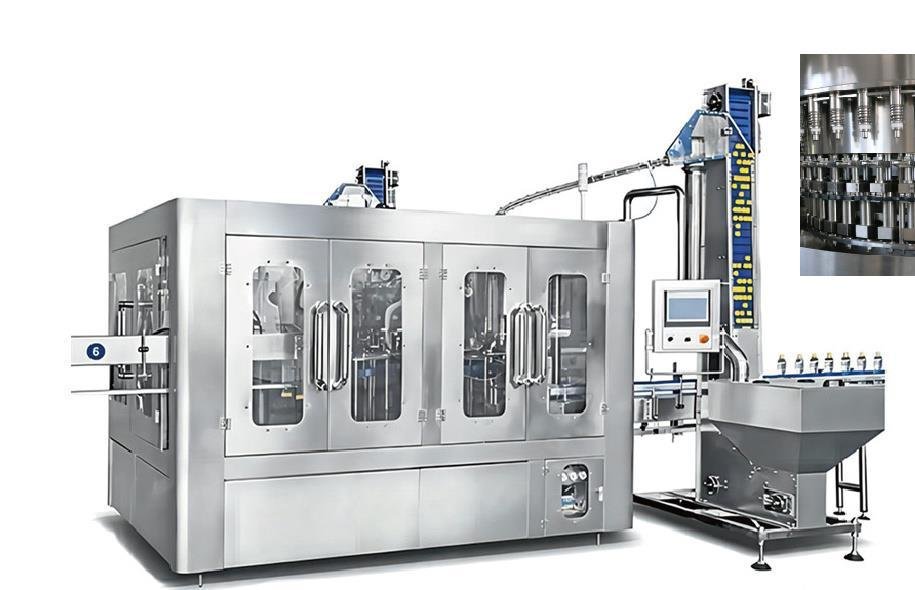
01 / Beverage Systems
Build the line around the product, package and site.
For bottled water, juice, tea and carbonated drinks, the useful starting point is not a machine model. It is the beverage process, container, target output, utilities, factory conditions and destination requirements.
- Water treatment, beverage preparation and bottle blowing
- PET, glass, can, 3-15 L and 5 gallon filling applications
- Filling, labeling, packing, FAT, delivery and startup coordination
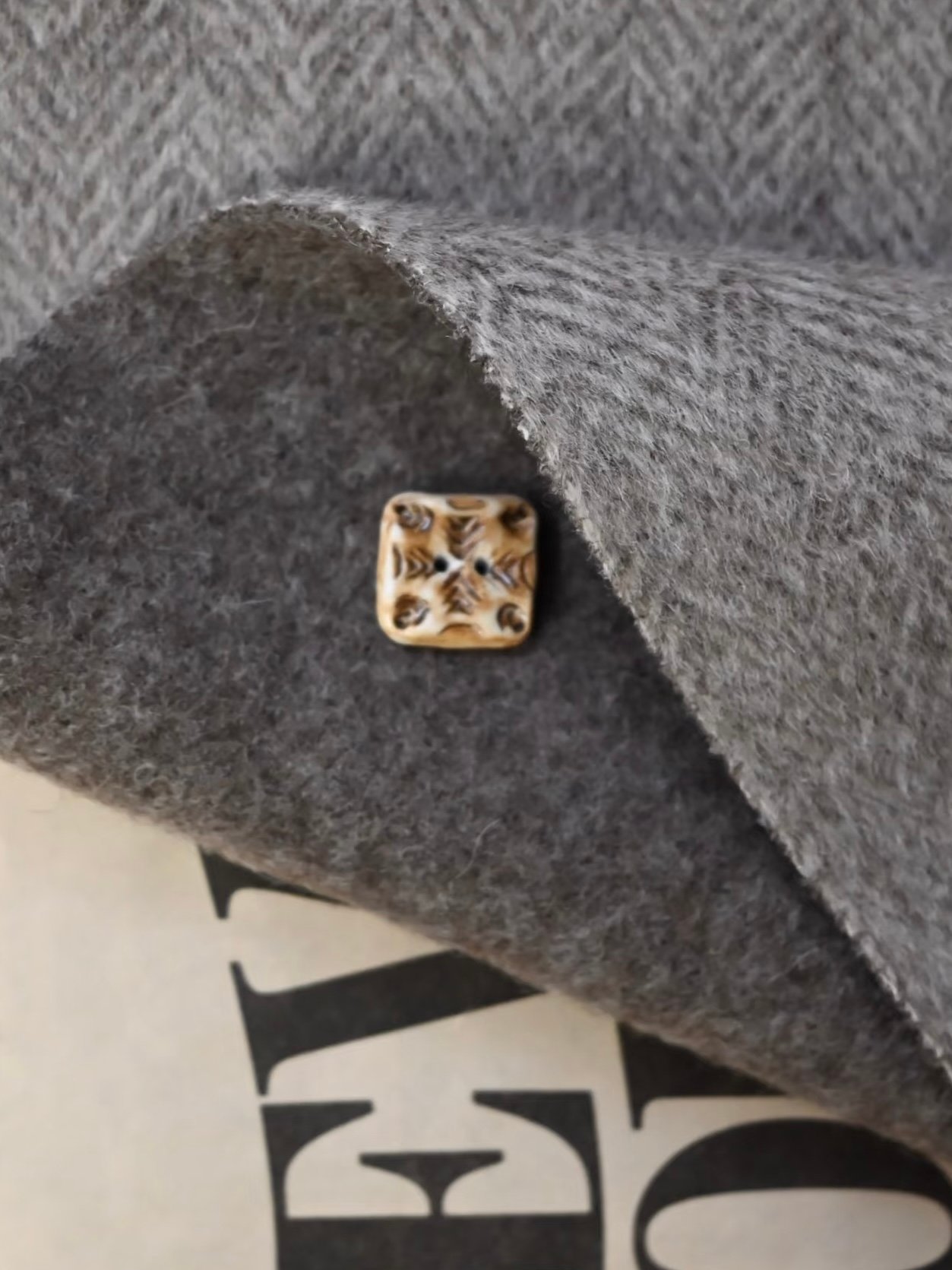
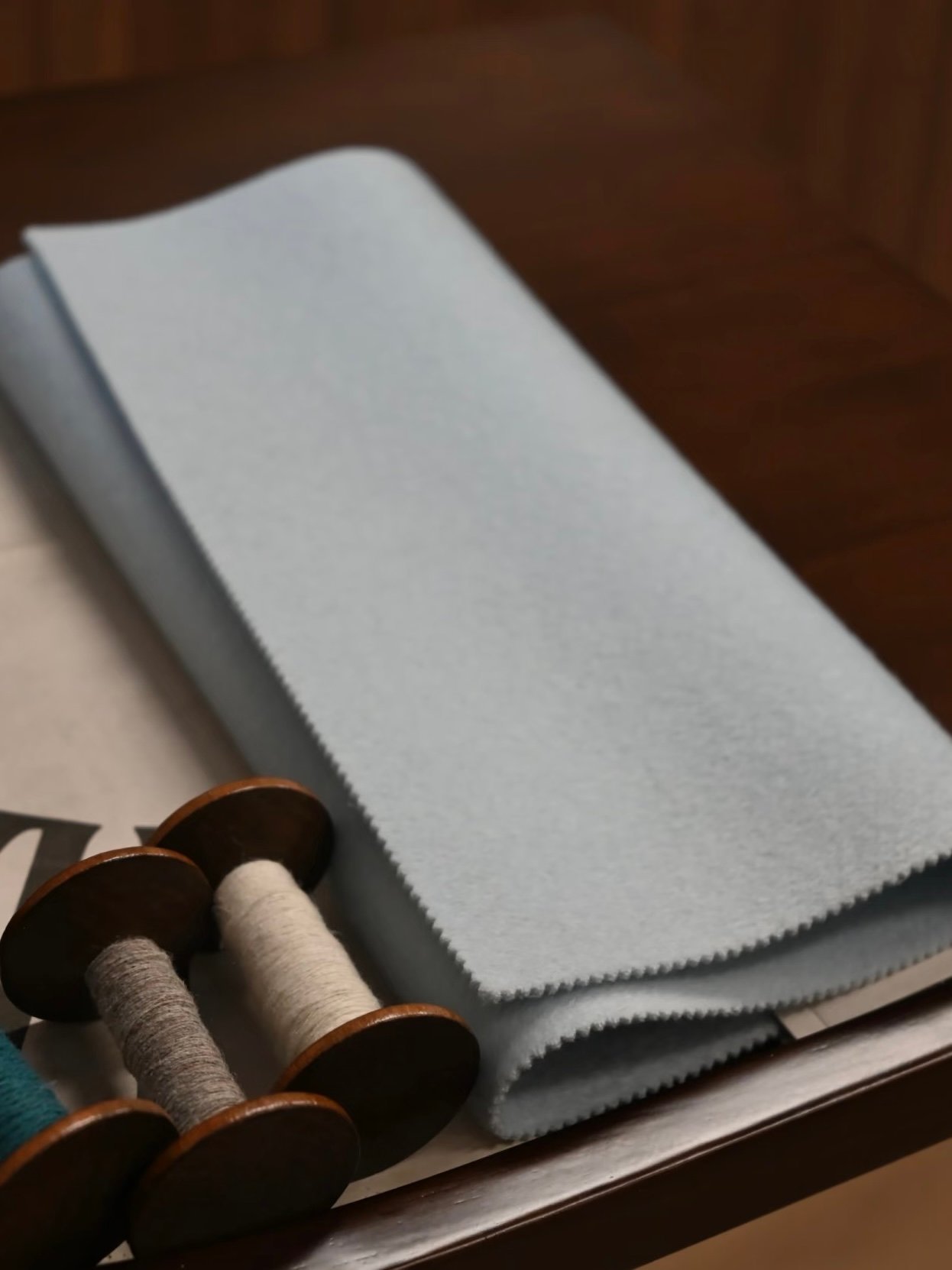
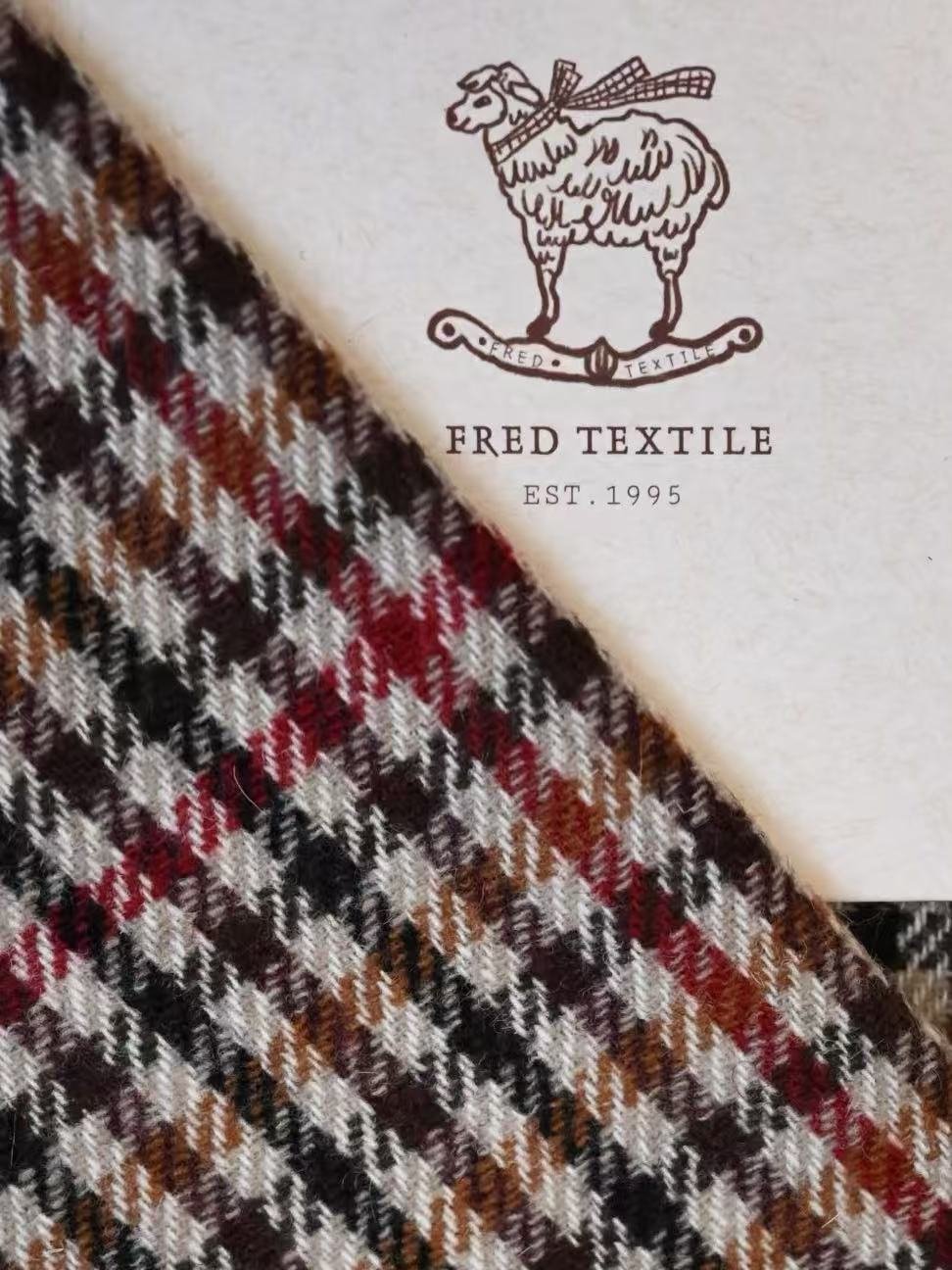
02 / Textile & Fabrics
Develop fabric around end use, handfeel and commercial fit.
Woolen, blended and outerwear fabric discussions begin with the garment, composition, weight, finish, color, target handfeel, sample requirement and order plan.
- Tweed, melton, double-face and wool-blend directions
- Development briefs, samples, colors and collection planning
- Specialist textile resources connected with Fred Textile
Selection guide
Choose the purchase you are preparing.
Allot Tech coordinates beverage equipment projects and woven outerwear fabric programs. Start with the product route, then bring the inputs that distinguish your requirement.
| Purchase direction | When to consider it | What makes the comparison useful | Next step |
|---|---|---|---|
| A new or expanded beverage line | Water, juice, tea or carbonated drinks; PET, glass, cans or returnable water containers. | Product and package, required output, existing equipment and destination. | Compare beverage systems |
| A coat or outerwear fabric program | Wool blends, double-face, tweed, melton and wool-like woven directions. | Garment use, swatch, composition, GSM, usable width, colors and quantity. | Compare fabric programs |
| A defined project ready for discussion | A configuration review, sample request or quotation with an identified requirement. | Share known details now and mark unresolved inputs in the brief. | Prepare a project brief |
Solve the buying question in front of you
You know the daily sales target, but not the equipment list
Start with accepted packs of a named product and format, plus the hours available. A filler nameplate does not automatically account for stops, format changes or rejects. A line waiting for empty bottles needs a different intervention from a line blocked by the packing stage. Record the constraint before comparing larger machines.
Tell us whether bottles are purchased, blown on site or supplied by retained equipment. This determines which equipment and utility interfaces belong in the proposal. Use the beverage program to compare the appropriate water, juice/tea or carbonated filling direction, then add the treatment, preparation and packing scope actually required.
The fabric looks similar, but the finished coat feels different
A photograph can communicate a pattern direction without establishing fiber content, mass, usable width, handfeel or garment behavior. Provide an identified physical reference and separate the attributes that must match from those that can change. For double-face construction, both surfaces, seams and edges need a garment-making decision.
Approve color, finished-fabric characteristics and the relevant garment trial as separate stages. Keep a physical standard and written comments so the bulk program can follow a specific decision instead of an undefined request to match the photo.
Two quotations use the same headline but different boundaries
For machinery, compare package conditions, included utilities, format parts, trial materials, documentation and site work. For fabrics, align composition, finished mass, usable width, price unit, sample stage and inspection basis. A lower total may describe less supply or a different article, rather than better value for the same requirement.
Allot Tech coordinates international commercial and project communication with the manufacturing resources confirmed for the scope. Send the destination, timing, available files and the unresolved question. A first discussion can begin with incomplete information when assumptions and the next decision remain explicit.
Buyer questions
What does Allot Tech focus on?
Allot Tech focuses on beverage production systems and textile fabric programs, supported by China-side commercial communication and project coordination.
Does Allot Tech claim to own every factory shown?
No. Manufacturing is carried out through specialized manufacturing resources according to the confirmed project scope.
New procurement guides
Resolve the next equipment or fabric buying question.
Beverage Systems
Bottling Line Retrofit and Upgrade Planning
Decide what to retain, modify or replace using measured line performance and a controlled cutover plan.
Open procurement guide →Beverage Systems
PET Preform and Bottle Specification for a Bottling Line
Connect the purchased preform, finished bottle, closure and blow-molding setup through one approved package specification.
Open procurement guide →Beverage Systems
Juice Filling with Pulp and Fruit Particles
Turn “juice with pulp” into a measurable product brief before comparing filling equipment.
Open procurement guide →Textile & Fabrics
Fabric GSM and Grams per Linear Metre Conversion
Compare fabric weight units with a declared width, then verify the actual finished article through measurement.
Open procurement guide →Textile & Fabrics
Coat Fabric and Fusible Interlining Compatibility
Approve the actual shell fabric and interlining combination before committing coat production to it.
Open procurement guide →Textile & Fabrics
Fabric Roll Length and Packing List Verification
Connect each delivered fabric roll to its declared metres, inspection record and shipment documents.
Open procurement guide →Procurement pathways
Start with the page that matches the decision in front of you.
Choose a product program, compare its scope, then prepare the measurements or samples needed for a useful proposal. The two program overviews contain the full technical resource library.
Beverage systems
View program overview →Bottled Water Filling Lines from China
Define a complete PET bottled water line around the water source, bottle, target output, factory conditions and finished-pack format before comparing equipment proposals.
Open buyer page →Juice & Tea Filling Lines from China
Connect beverage preparation, heat treatment, hygienic transfer, filling, cap treatment, cooling and packaging around the actual product and shelf-life requirement.
Open buyer page →Carbonated Drink Filling Lines from China
Build the CSD line around beverage formulation, CO2 target, container, fill conditions, pressure control, temperature and finished-pack requirements.
Open buyer page →Complete Beverage Production Lines from China
Turn a list of machines into a coordinated beverage project by defining product process, packaging, interfaces, utilities, layout, acceptance, export and startup responsibilities.
Open buyer page →Bottling Line Total Cost of Ownership
Build a lifecycle cost model for utilities, labor, changeovers, loss, maintenance, spares, service and expansion risk.
Open buyer page →Bottling Line Site Acceptance Test
Prepare a bottling line site acceptance test with production materials, utility readiness, run boundaries, quality records, punch-list closure and handover.
Open buyer page →Textile & fabrics
View program overview →Wool Blend Fabric Programs from China
Build the fabric brief around the garment, target composition, weight, width, construction, surface, handfeel, color and commercial order plan.
Open buyer page →Double-Face Coat Fabric Programs from China
Define the relationship between both fabric faces, garment construction, composition, weight, finish and handfeel before sample development or quotation.
Open buyer page →Tweed & Melton Fabric Programs from China
Translate the garment concept into a fabric brief covering composition, weight, construction, pattern, surface, handfeel, color, sample approval and bulk control.
Open buyer page →Fabric Sample Development & Approval
Development brief, swatches, lab dips, handfeel, sewing trials, approval records and transfer to bulk standard.
Open buyer page →Wool Blend Fibre Composition Verification
Verify wool-blend fabric composition with identified bulk samples, suitable laboratory methods, component separation and report-to-order traceability.
Open buyer page →Fabric Usable Width & Cutting Yield
Compare fabric quotations by usable width and cutting yield, with clear metre-to-area calculations, selvedge exclusions, marker constraints and roll records.
Open buyer page →Buying team entry points
Find the next useful decision for your role.
A manufacturing project is rarely decided by one person or one price. Start with the role closest to the current question, then use the Project Brief Builder to place the available facts in one reviewable document.
Owner / Investor
Compare lifecycle value, not only purchase price.
Model scope, site work, utilities, labor, loss, maintenance and future-format exposure on one basis.
Build a TCO comparison →Procurement
Compare like-for-like commercial boundaries.
Separate inclusions, exclusions, technical assumptions, documents and service responsibilities.
Compare quotations →Engineering / Project
Control documents and interfaces by decision gate.
Connect equipment lists, process files, layouts, utilities, controls, acceptance and handover revisions.
Review technical documents →Operations / Quality
Assign risks before they become punch-list items.
Name triggers, owners, actions and evidence from requirement review through site startup.
Build a project risk register →Textile Product / Quality
Carry the approved fabric into the order terms.
Connect physical standards with tolerances, tests, shade, roll control, release and claim evidence.
Prepare fabric quality terms →How Allot works
A clearer path from brief to delivery.
Before quotations are compared, we help turn the request into a defined commercial and technical conversation. The exact responsibilities remain tied to the confirmed supplier and project agreement.
See How We WorkClarify the brief
Product, application, output, quality target, site, destination and available files.
Align scope and resources
Comparable boundaries, options, exclusions, documents, timing and named responsibilities.
Coordinate follow-through
Production questions, agreed inspection points, packing, shipment and next-step support.
Manufacturing context
See the system, the process and the product.
Useful project conversations connect technical specifications with the physical manufacturing context. These views represent the equipment and textile categories discussed across the Allot Tech platform.
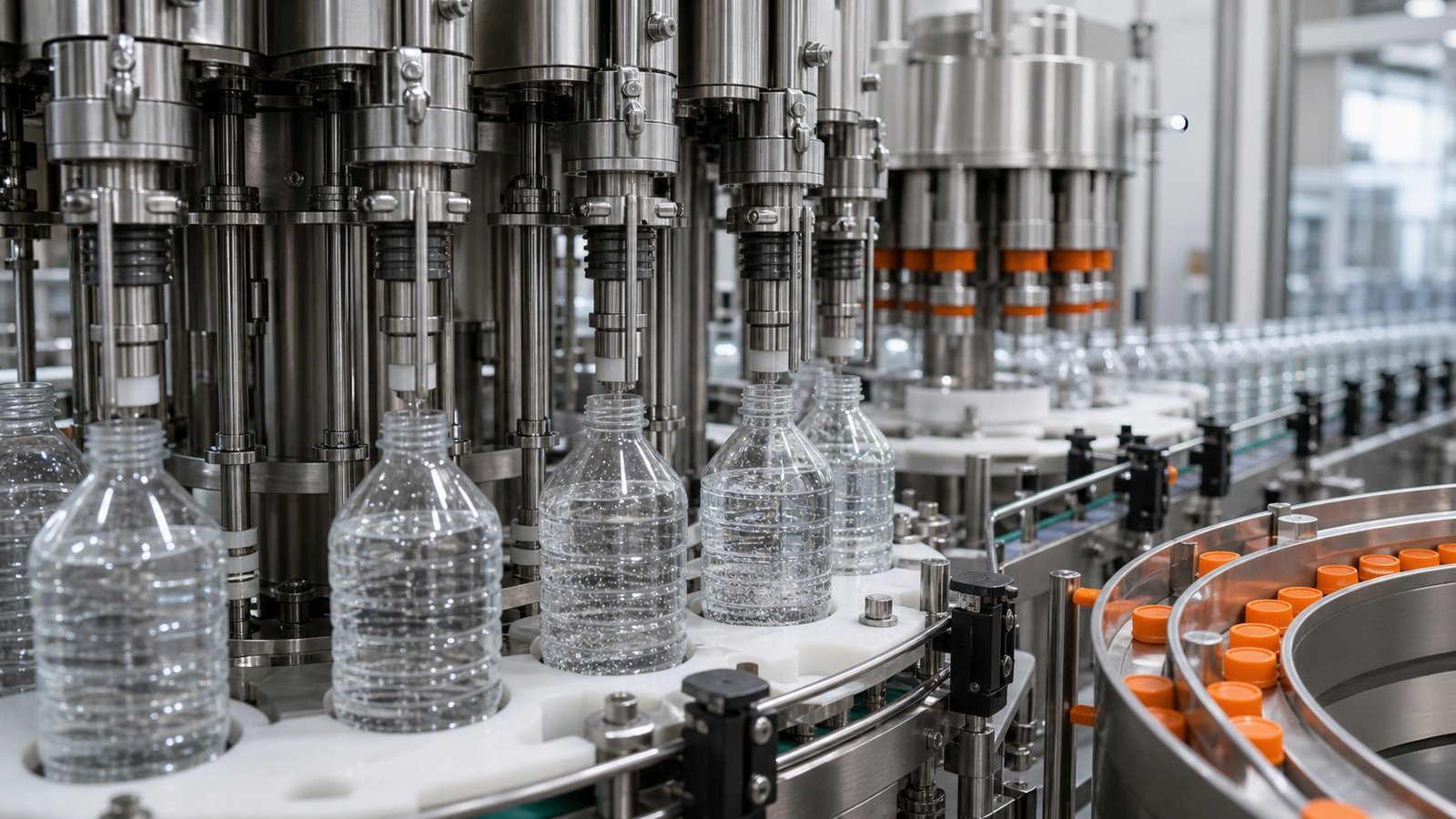
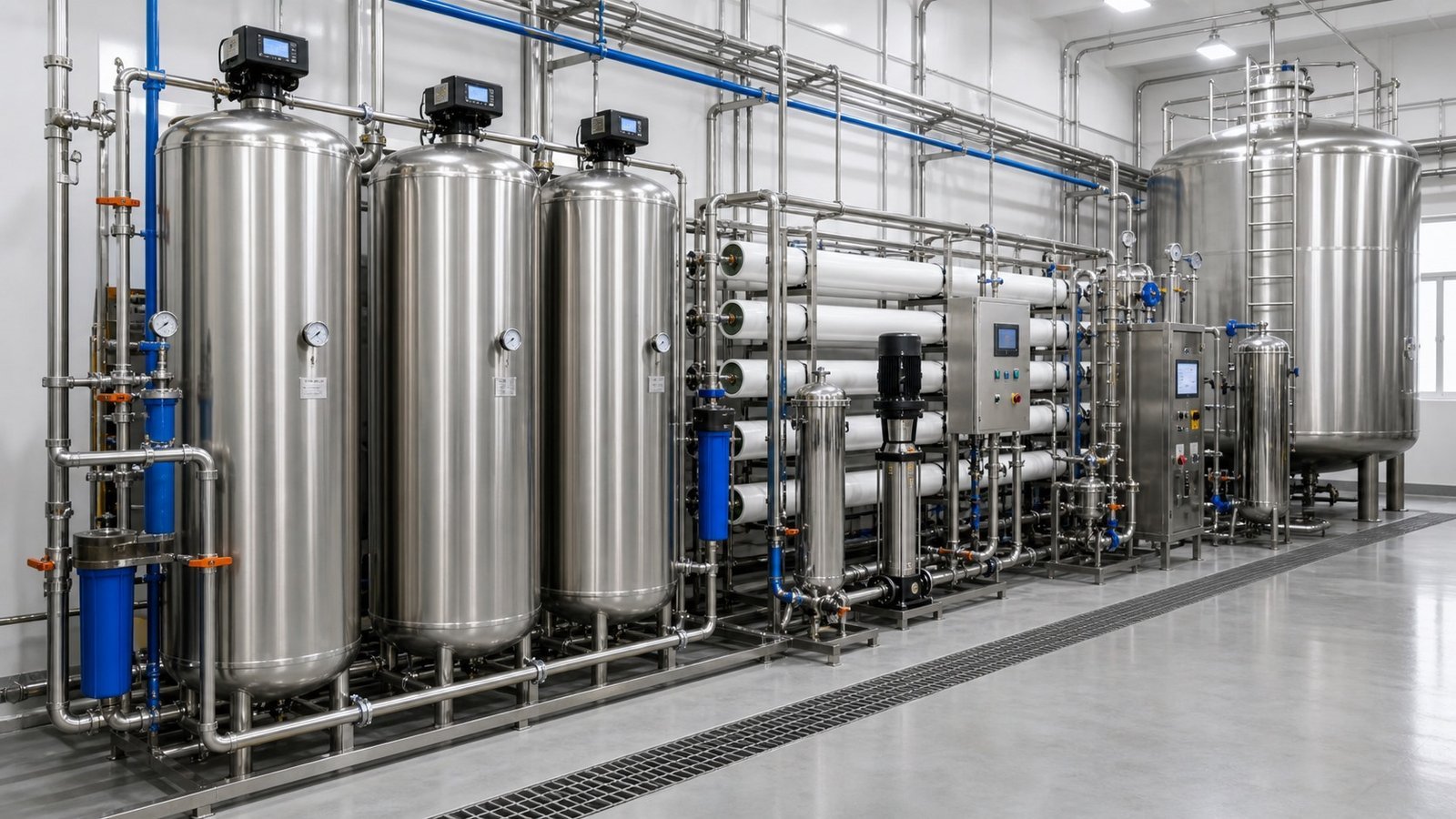
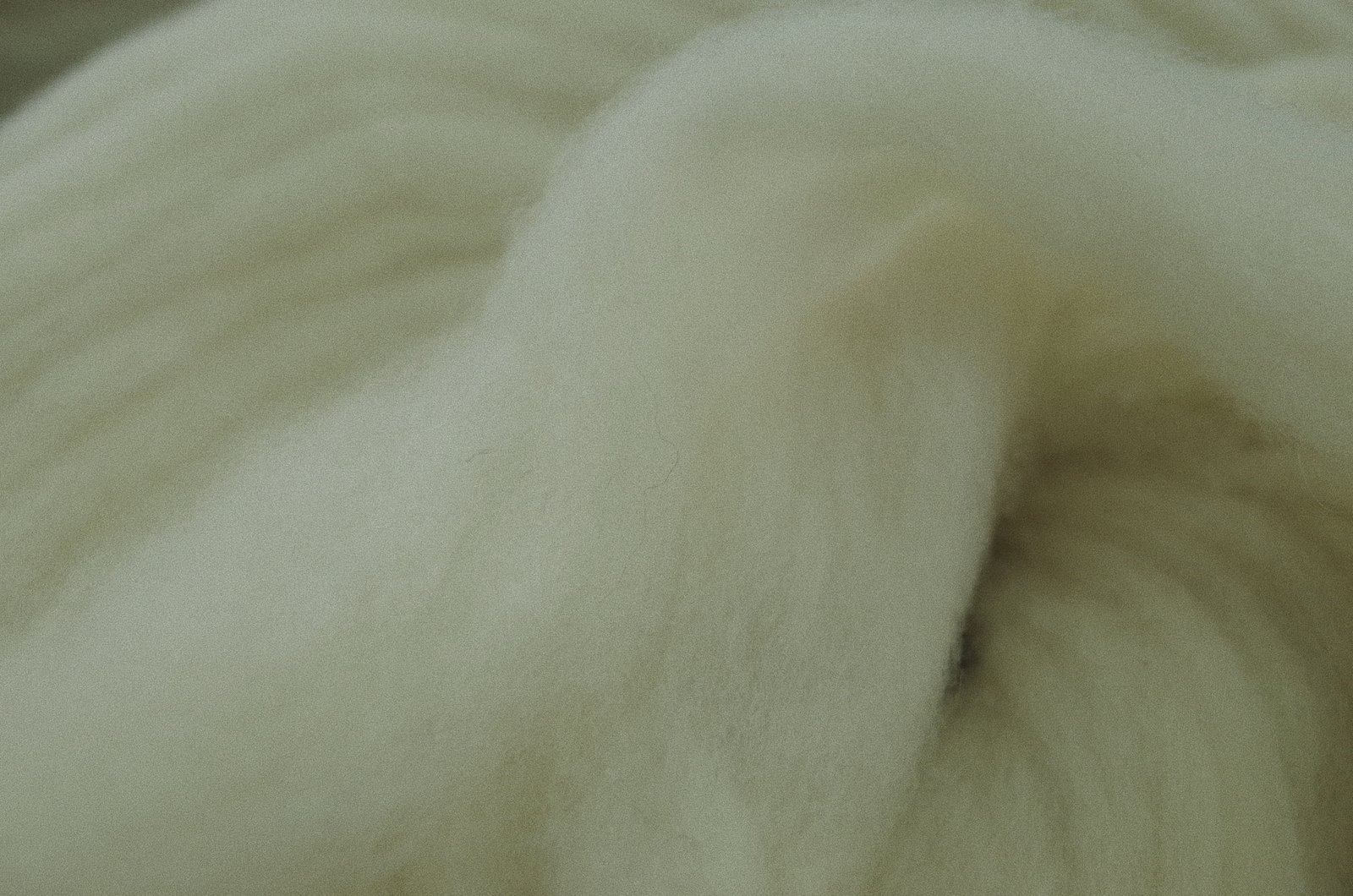
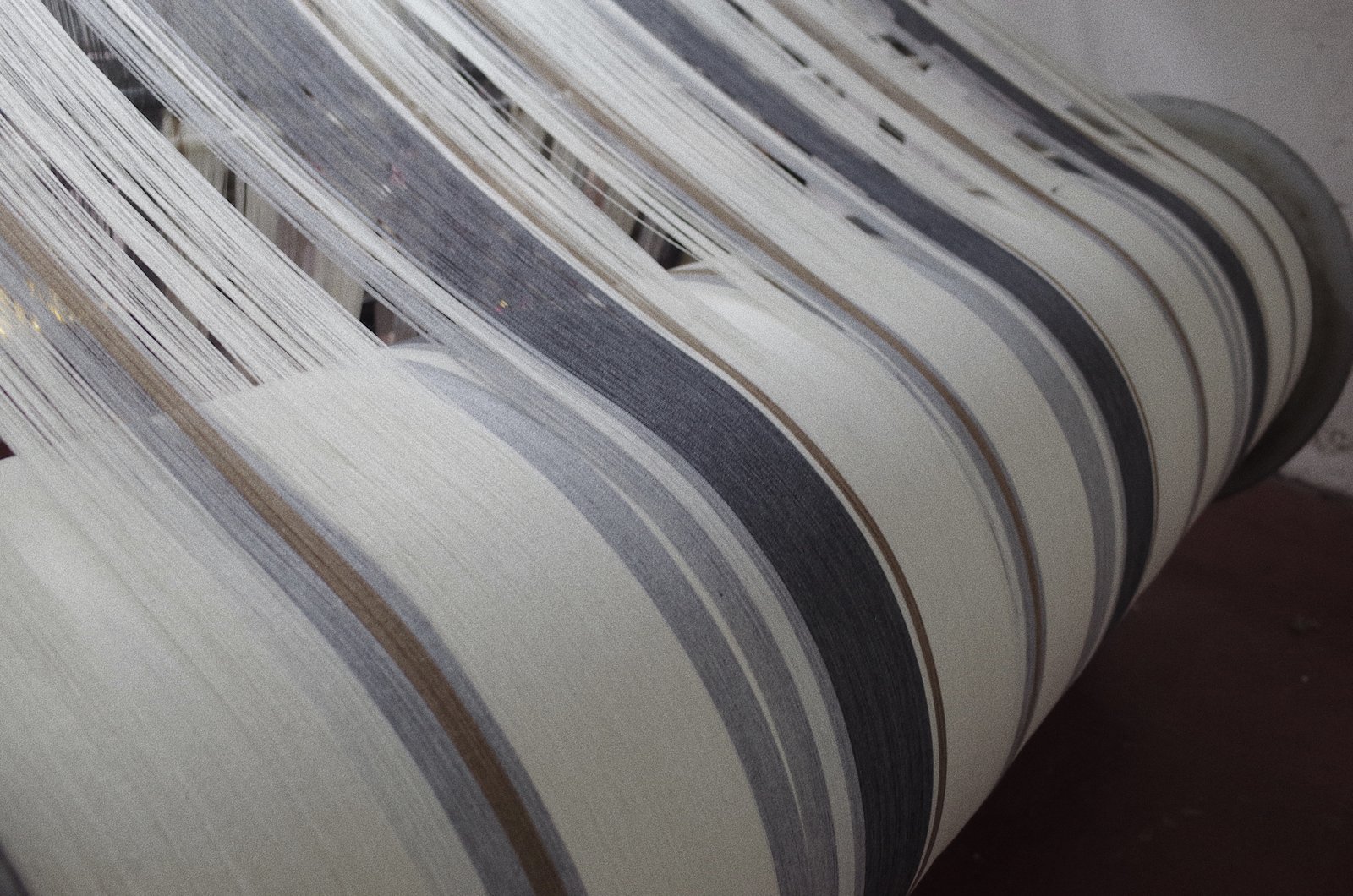
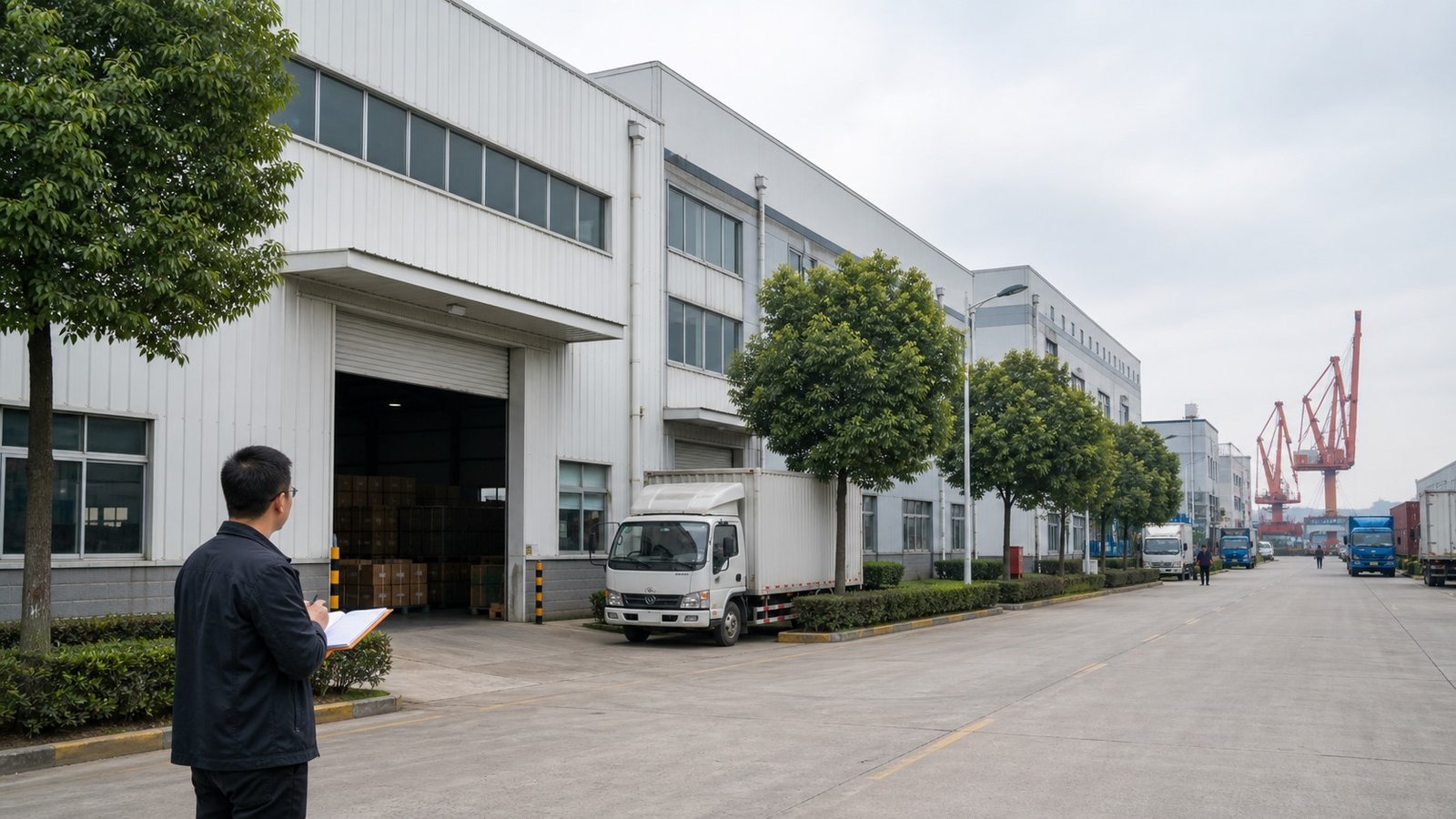
Zhangjiagang / Suzhou / Jiangsu
A named point of contact in China manufacturing.
Allot Tech is based in Zhangjiagang, Suzhou. Founder Mr Kcal is the public identity behind the company’s manufacturing content and direct international communication, covering factory visits, regional industry, export business and practical project questions.
Buyers can speak with a visible company contact while the responsible manufacturing resource remains clearly identified for each project.
Buyer resources
Prepare the questions before the quotation.
RFQ Guide for Bottled Water Filling Lines
Define product, container, output, process, utilities and project boundaries.
02 / ComparisonBottling Line Quotation Comparison Template
Compare inclusions, technical assumptions, service and commercial scope.
03 / VisitChina Factory Visit Agenda Template
Structure the visit around evidence, open questions and decision points.
Project discussion
Bring us the project, not a perfect specification.
Share what you know about the beverage system or textile program. Allot Tech will organize the available information and identify the next useful questions.