
Fabric quality & purchasing
Wool Blend Fibre Composition Verification
Use a traceable test plan to connect the claimed fibre composition with the fabric lot being purchased, rather than relying on handfeel or an unidentified certificate.
Published by Allot Tech. Project contact: founder Mr Kcal. Final engineering, performance, materials, compliance, manufacturing responsibility and commercial terms must be confirmed for the selected resource and signed project scope.
Updated September 14, 2026
Direct answer
A useful composition report starts with an identifiable sample.
Wool-blend fibre composition verification checks whether an identified fabric sample supports the stated fibre-content claim using an appropriate laboratory method. Begin with the complete claimed blend, fabric construction, finish and sampling plan. Ask a qualified laboratory to select a method suited to the actual mixture and report the basis, limitations and results. A wool-like appearance, a burn observation or a report for another article is not sufficient evidence for the order. Fibre identity and percentage testing also do not establish recycled origin, supply-chain certification or garment performance.
Project definition
Start with the complete decision basis.
Use a traceable test plan to connect the claimed fibre composition with the fabric lot being purchased, rather than relying on handfeel or an unidentified certificate.
Claimed composition
All named fibres and percentages, with separate descriptions for distinct components where relevant.
Sample identity
Article, color, lot, roll, sampling location, date, sampler and sealed or otherwise controlled reference.
Laboratory brief
Construction, finish, possible coatings, blend complexity, test purpose and required report language.
Order linkage
Approved specification, claim under review, representative lot plan, retained duplicate and authorized release owner.
System or development path
Build a review sequence with named records and decision owners.
Define the claim
Record the exact composition statement and which fabric or component it describes.
Select representative material
Agree how bulk lots and constructions will be sampled; keep a retained reference with matching identity.
Obtain method confirmation
Let the laboratory confirm the appropriate analysis and any limitations before testing.
Review evidence against the order
Match report and sample identity, investigate differences and document the decision before release.
Quotation comparison
Agree the comparison basis before sampling or ordering.
| Decision area | Buyer should provide | Proposal should clarify |
|---|---|---|
| Representation | Bulk lot and roll sampling plan. | Evidence showing where the specimen originated. |
| Method suitability | Full mixture and construction details. | Laboratory-selected method, edition and limitations. |
| Report quality | Expected identity and result fields. | Complete report rather than a cropped percentage screenshot. |
| Claim boundary | Composition, origin or certification question. | Separate evidence for each type of claim. |
Buyer working matrix
A useful composition report starts with an identifiable sample.
Use these controls to connect testing with the purchase; the laboratory determines the applicable analysis.
| Control | Record | Decision value |
|---|---|---|
| Claim | Named fibres and stated percentages | Defines what is being verified |
| Sample | Article, lot, roll and location | Connects report to purchased material |
| Method | Laboratory, method and limitations | Defines what the result can support |
| Release | Review, discrepancy handling and approver | Prevents an unreviewed report from becoming approval |
Solve the next project problem
Close these proposal gaps before price becomes the decision.
Use the brief below to turn a vague supplier conversation into questions that can be answered and documented.
Make this decision comparable.
Send: Bulk lot and roll sampling plan.
Require: Evidence showing where the specimen originated.
Make this decision comparable.
Send: Full mixture and construction details.
Require: Laboratory-selected method, edition and limitations.
Make this decision comparable.
Send: Expected identity and result fields.
Require: Complete report rather than a cropped percentage screenshot.
Send the garment use, reference swatch or images, finished specification, color plan, quantity, destination and required date. The Allot Tech Project Desk can help organize the first comparison.
Decision evidence
Keep project evidence connected to each approval and release decision.
Evidence should be identified before the order or approval stage so both sides know what will support the next decision.
Approved physical standard
Keep an identified swatch or garment reference with the approved face, color, surface and handfeel direction.
Finished specification
Record composition, weight, usable width, construction or article, finish, color and agreed tolerance basis.
Development and approval trail
Link submissions, comments, changes, test requirements and final approval status to the order.
Bulk follow-through record
Keep lot and roll identity, shade information, inspection findings, packing and release decisions traceable.
Do not infer wool percentage from the fabric name
Terms such as woolen, wool-like, tweed or melton describe a style, construction or commercial direction; they do not supply a measured blend percentage. Request the exact composition before comparing quotations. If a reference swatch is being matched, record whether composition must match as well as appearance, weight and handfeel.
- Write every claimed fibre explicitly
- Separate visual matching from composition
- Link the quotation to one specification revision
Complex constructions need a clearer sampling brief
A double-face fabric, backing, decorative yarn or other distinct component can create ambiguity about what a reported percentage represents. Ask the laboratory whether components should be separated and how the result will be expressed. Provide enough material for the chosen method and preserve component identity. Do not prescribe a chemical method from a generic online blend table.
- Describe the complete construction
- Ask how non-fibrous material is treated
- Keep component and whole-fabric claims distinct
Composition is one part of approval
A composition result does not demonstrate pilling resistance, colorfastness, dimensional stability or verified recycled content. Keep those requirements in their own evidence plan. If a discrepancy occurs, confirm specimen identity, method suitability and the need for comparison testing before deciding on the commercial disposition of the lot.
- Review the original complete report
- Retain an identified comparison sample
- Keep unresolved stock disposition explicit
Decision gates
Move forward when the next commitment has enough written evidence.
Project stages overlap, but each commercial commitment should have a visible basis, named approvers and a list of unresolved items.
Development basis approved
The garment use, signed physical reference, written specification, color and requested sample stage describe the same fabric direction.
Bulk standard released
The accepted sample, measurable tolerances, required tests, quantity, lot plan and approved changes are recorded before production.
Shipment evidence accepted
Roll and lot identity, shade grouping, inspection or test findings, packing and authorized disposition support release.
Before requesting a proposal
Build one brief that every resource can answer on the same basis.
This page is designed to help an international buyer prepare a clearer discussion, not to replace the responsible resource’s engineering or the buyer’s professional review.
Garment
End use, season, silhouette, market and construction priorities.
Reference
Physical swatch or garment, marked face, color and attributes to match.
Specification
Composition, finished weight, usable width, construction, finish and tolerances.
Development
Sample type, meters, colors, approval stages and decision dates.
Bulk plan
Quantity, inspection, testing, packing, destination and delivery window.
Allot Tech organized recurring buyer questions, project-scoping patterns, available catalog inputs and specialist-resource context into a decision sequence. No customer case, certification, output guarantee or factory ownership is implied unless separately verified for the named project.
Reference basis
Primary and specialist sources used to frame the buyer questions.
These sources support definitions and planning context. The current edition, local requirements and project-specific acceptance criteria still need confirmation by the responsible parties.
- Woolmark: Certification
Industry context that distinguishes fibre-content assessment from other performance tests and certification requirements. No certification of Allot Tech is implied.
Specialist textile context
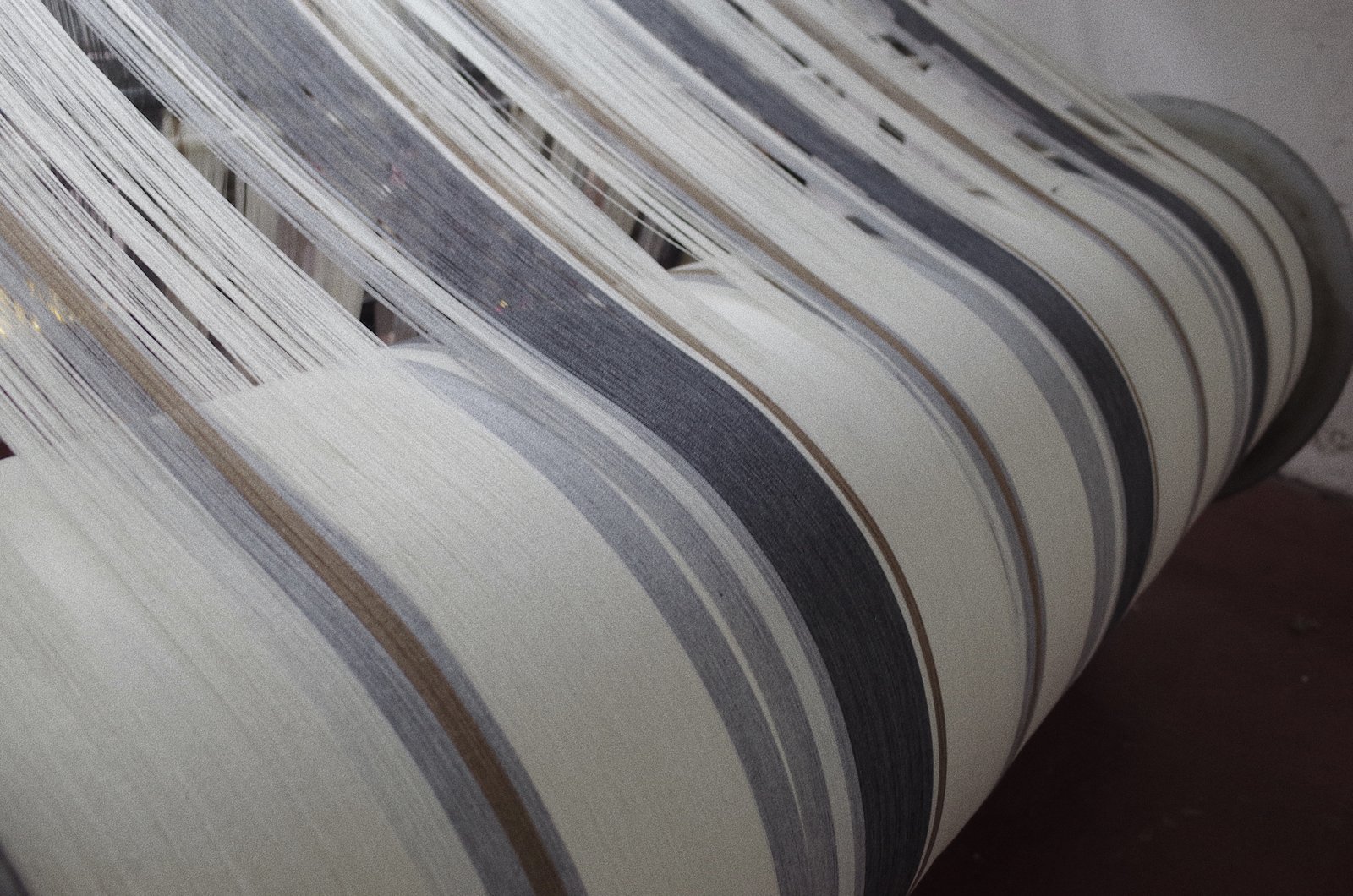
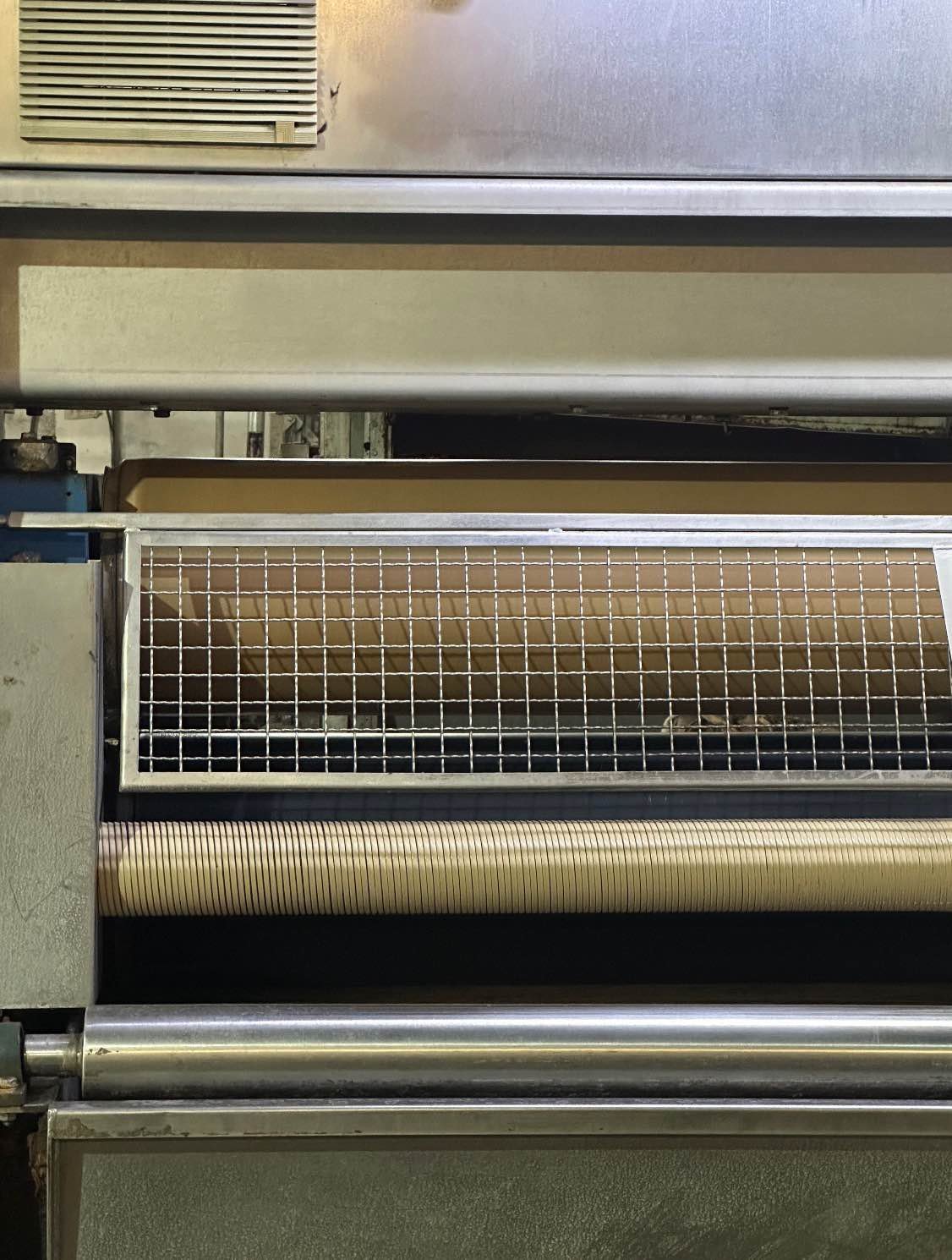
Connect fabric development with weaving and finishing.
These production images are from Fred Textile, the connected specialist textile resource represented across the Allot Tech textile program.
Buyer questions
Frequently asked questions
Can a soft handfeel prove a high wool content?
No. Fibre blend, construction and finishing affect handfeel. Use suitable laboratory evidence for a composition claim.
Does a composition test prove recycled content?
No. Recycled-origin and chain-of-custody claims require their own appropriate evidence. Fibre percentages alone do not establish origin.
Can an old report be used for a new bulk lot?
Only if the buyer accepts a justified representation plan. Check the article, lot, sampling and any changes; do not assume a prior report covers all future deliveries.
Project discussion
Discuss This Fabric Program
Send the garment use, reference swatch or images, finished specification, color plan, quantity, destination and required date.