
Double-face outerwear fabrics
Double-Face Coat Fabrics from China
Define the relationship between both fabric faces, garment construction, composition, weight, finish and handfeel before sample development or quotation.
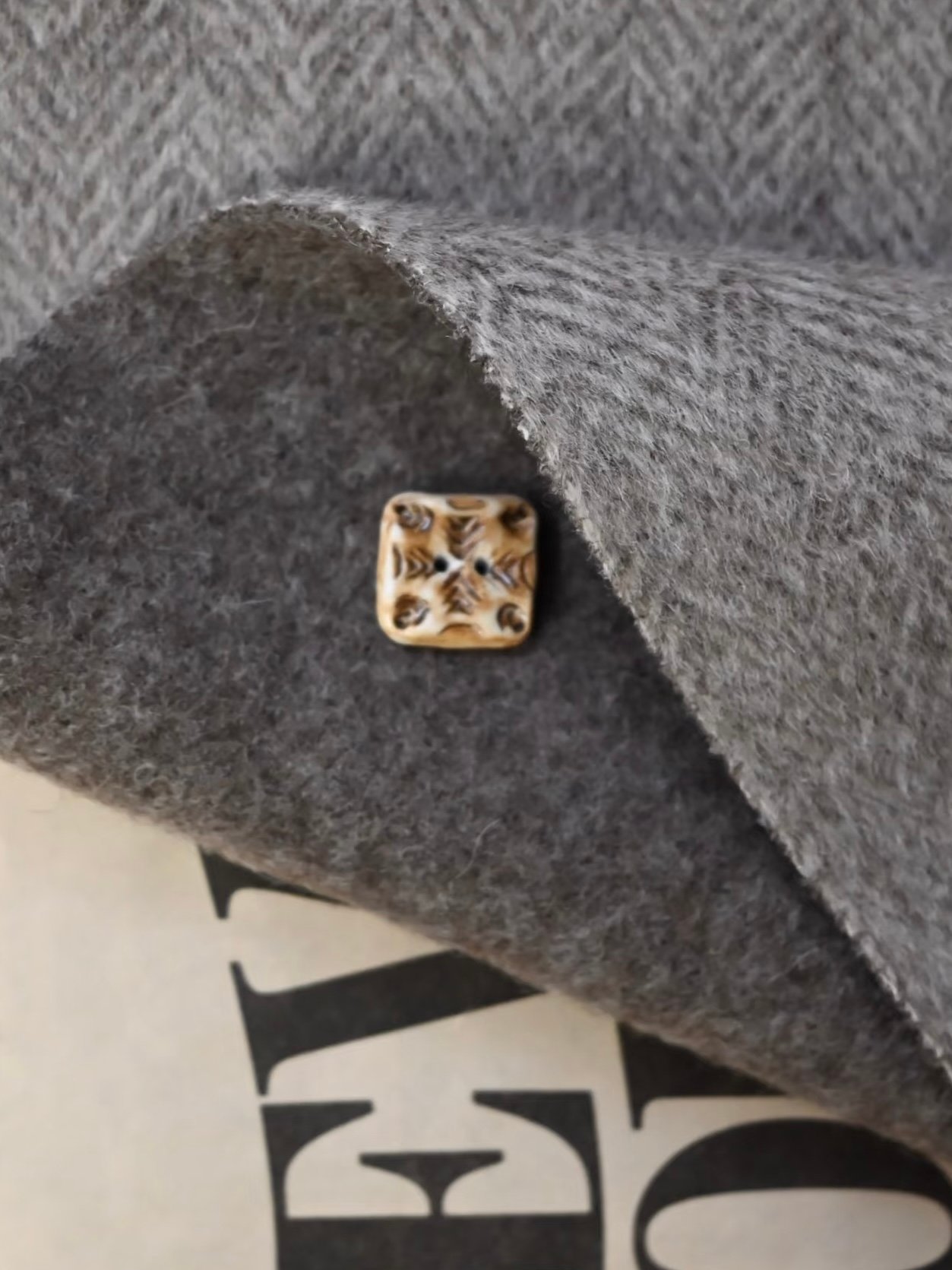
Published by Allot Tech. Project contact: founder Mr Kcal. Final engineering, performance, materials, compliance, manufacturing responsibility and commercial terms must be confirmed for the selected resource and signed project scope.
Updated October 7, 2026Direct answer
Double-face fabric must be evaluated as a two-sided garment material.
Double-face constructions bring two visible sides into one fabric and can support clean, unlined or partially lined outerwear designs. The brief should identify the face and back colors, structure, splitting or sewing needs, target weight, usable width, finish and expected handfeel. A reference swatch is especially valuable because surface and bonding language varies between markets.
Fabric development choices
Approve two faces and the seam construction together.
Fred Textile presents double-faced woven directions in its collection. The term alone does not establish whether an article can be split and hand finished, or whether a garment can be worn reversibly. Confirm the actual construction with the responsible textile resource and the garment maker.
| Approval area | What to send or evaluate | Question for the sample review |
|---|---|---|
| Face and reverse | Label sides A and B on the physical sample; approve color, texture, nap direction and permitted variation for each. | Which side is visible at the collar, cuff, belt and inside of the coat? |
| Edge and seam construction | Provide a cut-edge sample plus a sewn trial using the intended finishing method. | Can the proposed construction support the intended split, turned or bound edge? |
| Thickness and drape | Record finished GSM, usable width and a garment trial with the intended components. | Does the complete assembly hold the required shape without excessive bulk? |
| Care and appearance | Agree dimensional, seam and surface evaluation for the actual care process. | Are both faces and the finished seams acceptable after the agreed trial? |
To request samples: send the garment sketch or reference swatch, composition preference, target finished GSM and usable width, colors, finish, trial meterage, expected quantity by color and required date. Ask the resource to confirm sample availability, development route, MOQ by article/color, testing and lead time in writing.
Editable buyer checklist
Keep the approved fabric sample and written specification together.
Download an editable sample record for article identity, finished specification, color, tests, open comments and the approval decision. The plain-text file opens in a text editor and can be copied into your own project documents.
Project definition
Start with the complete decision basis.
Double-face constructions bring two visible sides into one fabric and can support clean, unlined or partially lined outerwear designs. The brief should identify the face and back colors, structure, splitting or sewing needs, target weight, usable width, finish and expected handfeel. A reference swatch is especially valuable because surface and bonding language varies between markets.
Garment
Coat or jacket style, lined or unlined construction, edge treatment and sewing method.
Fabric
Composition, two-face relationship, weight, usable width, construction and target stretch.
Appearance
Face and back colors, mélange or solid direction, nap, luster, handfeel and drape.
Approval
Reference swatch, sample meters, splitting or sewing trial, testing, quantity and delivery.
System or development path
Carry the two-face requirement through construction, finishing and garment testing.
Garment brief
Identify garment structure, visible sides, edge finishing, target season and market.
Construction direction
Confirm double-face or double-layer terminology, yarn and weave assumptions and target weight.
Color development
Define both faces, contrast or tonal relationship, lab dips and approved color standards.
Surface finishing
Clarify raising, shearing, decatizing, softness, luster and dimensional-stability direction.
Garment trial
Use sample meters for splitting, edge handling, sewing, pressing and drape review where required.
Bulk control
Check face/back identification, shade, width, weight, surface, rolls, packing and retained samples.
Quotation comparison
Compare double-face fabrics using garment-relevant evidence.
| Decision area | Buyer should provide | Proposal should clarify |
|---|---|---|
| Two-sided design | Face and back colors, texture and visible use. | Sample orientation, color approval and bulk identification. |
| Garment method | Unlined or lined design, splitting, edge and seam requirements. | Trial meters, construction guidance boundary and sewing evaluation. |
| Physical values | Composition, finished weight and usable width. | Target and tolerance, measurement method and sample result. |
| Handfeel | Approved swatch or garment with written surface direction. | Finishing route and accepted sample as bulk reference. |
| Order plan | Sample length, quantity, colors, testing and delivery. | Development timing, MOQ, bulk schedule, inspection and packing. |
Quotation scope
Request a double-face sample that can answer the garment question.
A small swatch can show the two surfaces, but the intended edge and seam need a suitable trial piece. Define what the sample must demonstrate before confirming development scope or bulk terms.
| Scope decision | Buyer input | Ask the quotation to state |
|---|---|---|
| Two-face reference | Label the intended outer and inner faces, with color references for both. | Ask for both-side images and an identified physical sample; record whether the two faces require separate color approvals. |
| Construction trial | Share the coat sketch, seam method, collar/cuff details and edge treatment. | Ask the textile resource and garment maker to review splitting or finishing suitability on the actual article. |
| Sample size and quantity | Explain which cut, sewn or care trials will be made and the required meterage. | Confirm trial-piece availability, sample costs and MOQ by article/color rather than inferring them from the term double-face. |
| Bulk comparison | State finished GSM, usable width, composition, colors and delivery window. | Match each quotation to the approved article and both faces, then compare price unit, tolerances, testing and shipment basis. |
Decision evidence
Keep project evidence connected to each approval and release decision.
Evidence should be identified before the order or approval stage so both sides know what will support the next decision.
Approved physical standard
Keep an identified swatch or garment reference with the approved face, color, surface and handfeel direction.
Finished specification
Record composition, weight, usable width, construction or article, finish, color and agreed tolerance basis.
Development and approval trail
Link submissions, comments, changes, test requirements and final approval status to the order.
Bulk follow-through record
Keep lot and roll identity, shade information, inspection findings, packing and release decisions traceable.
Approve both faces
A single front photograph cannot define color, surface or construction on the reverse. Label the face and back of every reference and keep that orientation in sample, lab-dip and bulk records.
- Photograph and label both sides
- State which side is primary
- Approve contrast or tonal relationship
Test the intended garment method
If the design relies on splitting, hand stitching, raw edges or an unlined finish, request enough sample material for a garment-making trial before bulk commitment.
- Plan trial-meter quantity
- Review edge and seam behavior
- Record pressing and handling observations
Control shade and surface by roll
Double-face bulk inspection should identify face/back direction and check shade, width, weight and visible surface on both sides. Buyer-required performance testing should use named methods and qualified facilities.
- Set roll labeling rules
- Retain approved and bulk samples
- Separate visual checks from laboratory tests
Prepare your inquiry
Request double-face fabric samples
Send both-face references, the coat sketch and intended seam/edge method, target composition, finished GSM, usable width, colors, trial meterage, bulk quantity by color and required date.
The form carries this product reference into an editable inquiry. Add your requirements and contact details before sending.
Buyer questions
Frequently asked questions
What is double-face coat fabric?
It is a fabric construction with two usable or visible faces connected in one material. Exact construction, composition and garment method vary by program.
What should be sent for double-face development?
Send the garment use, reference swatch, face and back colors, composition, weight, width, handfeel, quantity, testing and delivery target.
Why is a garment trial useful?
It shows how the fabric behaves during splitting, edge finishing, sewing, pressing and drape before bulk production.
Can color and composition be customized?
A specialist resource can review development options, but feasibility, MOQ, tolerance, sampling and bulk terms must be confirmed for the actual program.
Project discussion
Discuss a Double-Face Fabric Program
Send the garment use, reference swatch or images, finished specification, color plan, quantity, destination and required date.