
Textile & fabrics
Wool-Blend, Double-Face & Woven Coat Fabrics
Choose a fabric direction, prepare the sample specification and coordinate woolen and blended outerwear fabric development through specialist textile resources in Jiangsu, China.
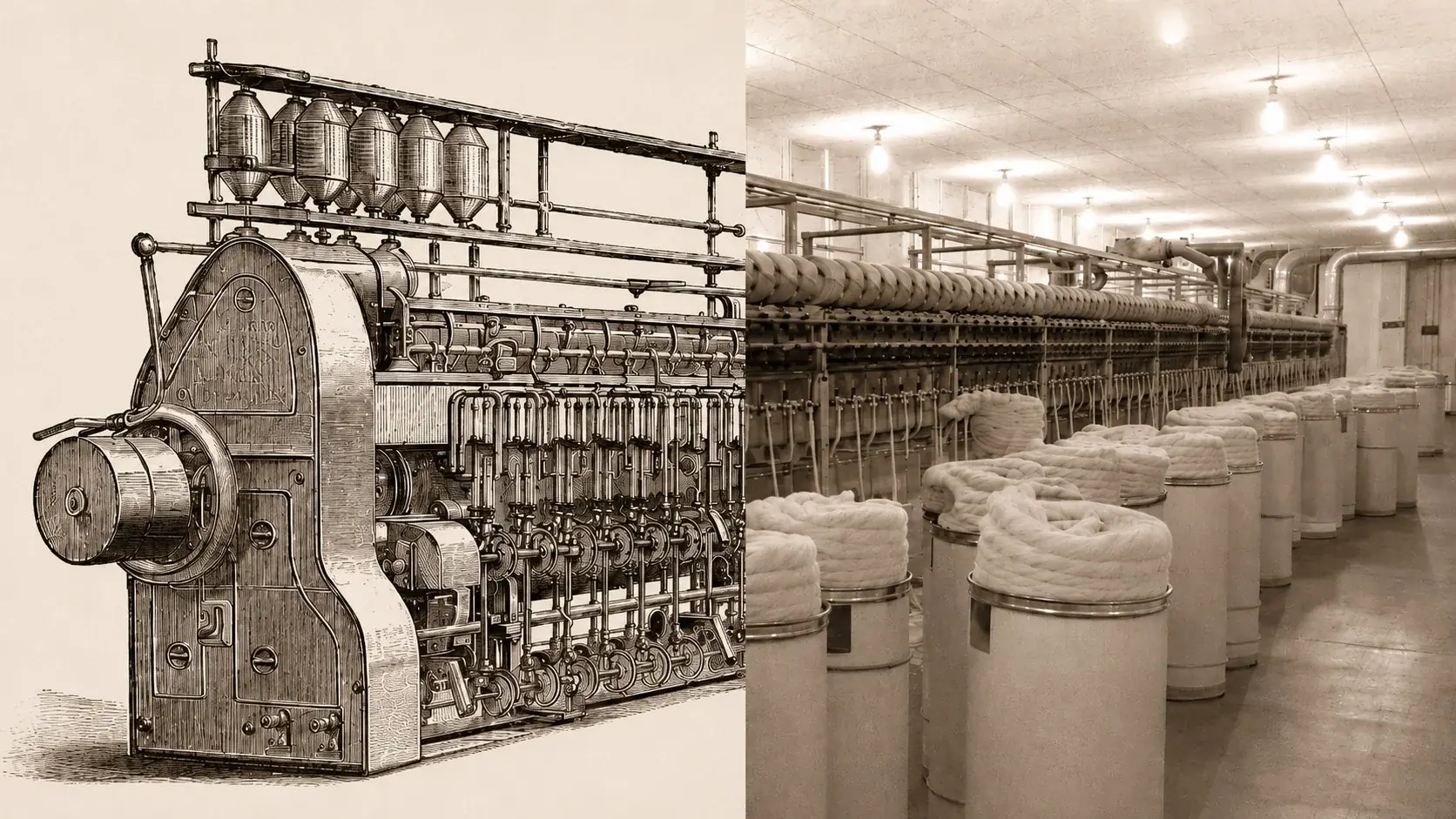
Fabric selection
Choose the coat fabric direction to develop.
Fred Textile collection references help define the development direction. The sample request must identify the actual article, composition, weight, width and finish; photos do not confirm stock or a fixed specification.
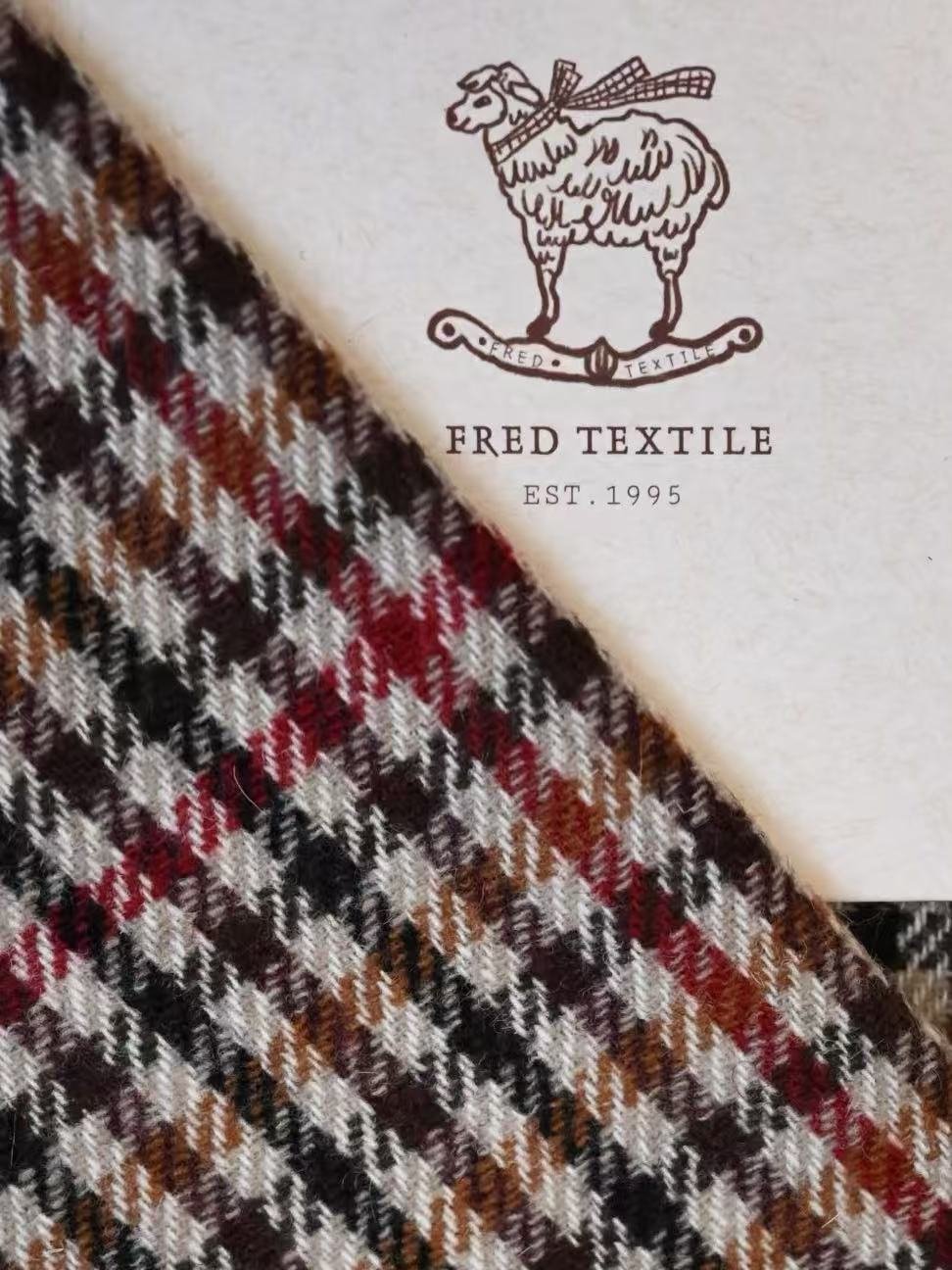
Wool-blend coat fabrics
Start with the blend, finished GSM, usable width and a physical handfeel reference.
Review sample requirements →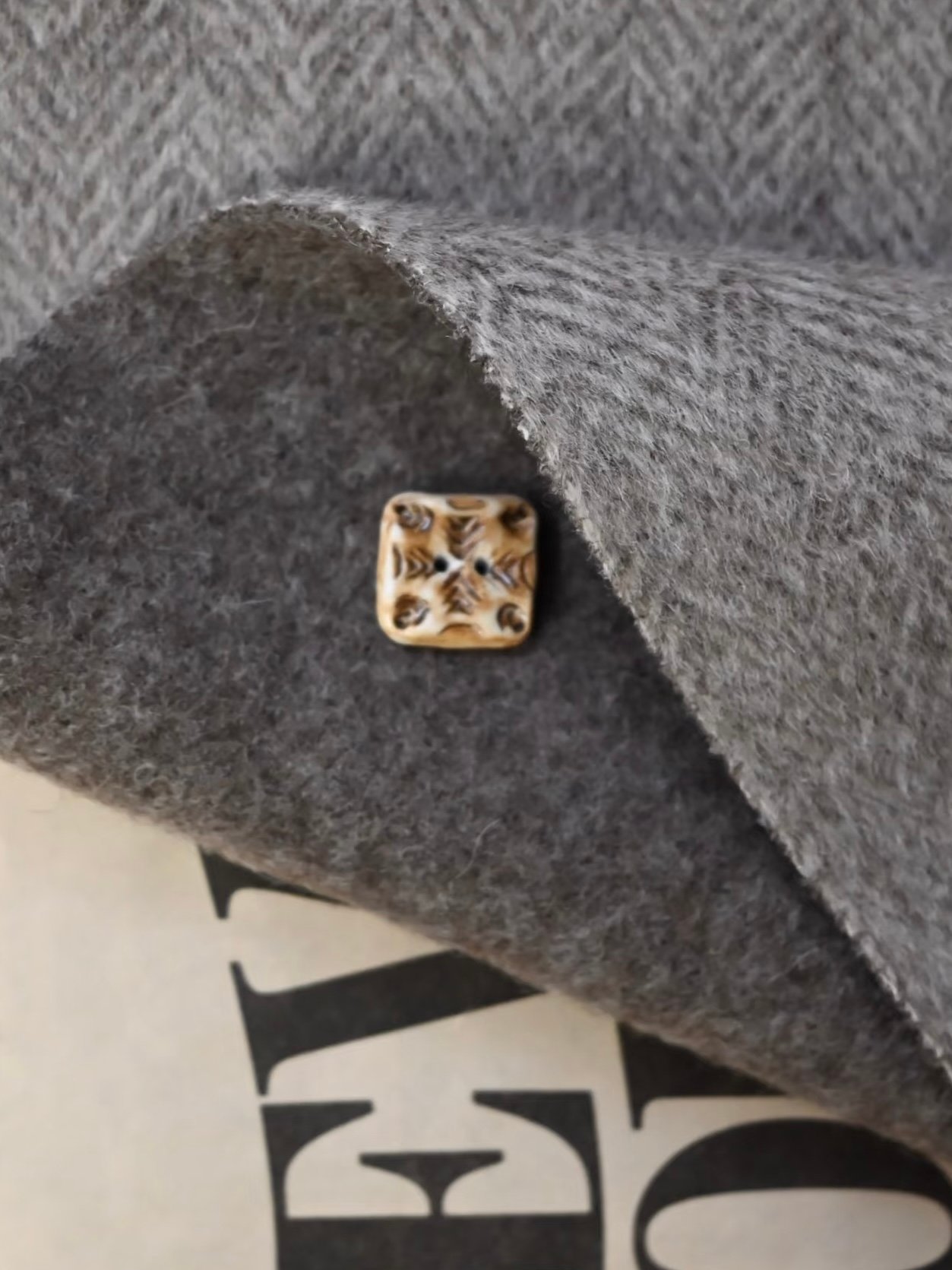
Double-face coat fabrics
Specify both faces and test the intended seam, edge and garment construction.
Review sample requirements →Tweed, melton and surface direction
Compare visible texture with a compact surface; request the article that matches your swatch.
Review sample requirements →Selection guide
Choose a fabric direction by garment construction and surface.
Fabric category names are a starting point. Confirm the actual composition, finished GSM, usable width, surface and sample stage for every article; no category implies stock, MOQ or a fixed blend.
| Purchase direction | When to consider it | What makes the comparison useful | Next step |
|---|---|---|---|
| Wool-blend coating | Use a defined blend when the design brief includes wool content alongside weight, structure and handfeel. | Full claimed composition, finished GSM and swatch; verify content separately from performance. | Develop a wool blend |
| Double-face coating | Consider the relationship between both faces and the intended seam or edge construction. | Face/back references, finished thickness, weight and garment-making trial. | Review double-face |
| Tweed or melton | Compare visible yarn and pattern effects with a compact finished-surface direction. | Physical texture reference, repeat dimensions, color and finished specification. | Compare tweed and melton |
| TR or wool-like fabric | Explore a wool-like appearance through the actual polyester/viscose or other specified construction. | Composition, stretch direction where relevant, surface and sample tests. | Review wool-like coating |
| A reference to be developed | Start with a swatch or garment when the article specification is not yet fixed. | Mark the attributes to match and acceptable differences before sample work. | Plan sample development |
Editable buyer checklist
Keep the approved fabric sample and written specification together.
Download an editable sample record for article identity, finished specification, color, tests, open comments and the approval decision. The plain-text file opens in a text editor and can be copied into your own project documents.
New procurement guides
Resolve fabric units, assembly trials and delivered quantity.
Textile & Fabrics
Fabric GSM and Grams per Linear Metre Conversion
Compare fabric weight units with a declared width, then verify the actual finished article through measurement.
Open procurement guide →Textile & Fabrics
Coat Fabric and Fusible Interlining Compatibility
Approve the actual shell fabric and interlining combination before committing coat production to it.
Open procurement guide →Textile & Fabrics
Fabric Roll Length and Packing List Verification
Connect each delivered fabric roll to its declared metres, inspection record and shipment documents.
Open procurement guide →Choose the fabric
Compare garment use, construction and surface before requesting an article.
Wool Blend Fabric Programs from China
Build the fabric brief around the garment, target composition, weight, width, construction, surface, handfeel, color and commercial order plan.
Open buyer resource →Double-Face Coat Fabric Programs from China
Define the relationship between both fabric faces, garment construction, composition, weight, finish and handfeel before sample development or quotation.
Open buyer resource →Tweed & Melton Fabric Programs from China
Translate the garment concept into a fabric brief covering composition, weight, construction, pattern, surface, handfeel, color, sample approval and bulk control.
Open buyer resource →TR Wool-Like Coat Fabrics from China
Garment use, polyester-rayon direction, weight, width, weave, brushed surface, color and sample approval.
Open buyer resource →Prepare and approve samples
Turn the reference into a measurable specification and a clear approval record.
Fabric Sample Development & Approval
Development brief, swatches, lab dips, handfeel, sewing trials, approval records and transfer to bulk standard.
Open buyer resource →Coat Fabric GSM and Weight Selection Guide
Finished GSM, usable width, composition, construction, thickness, drape, season, garment use and tolerance planning.
Open buyer resource →Coat Fabric Handfeel, Drape and Finish Guide
Handfeel language, drape, surface, brushing, milling, compactness, physical standards, finishing trials and bulk consistency.
Open buyer resource →Fabric Color and Lab Dip Approval Guide
Color standard, light sources, lab dips, substrate and finish effects, metamerism, comments, bulk shade bands and release.
Open buyer resource →Fabric Specification and RFQ Guide
Garment use, physical reference, composition, construction, GSM, usable width, color, finish, quantity, testing and approval schedule.
Open buyer resource →Fabric Usable Width & Cutting Yield
Compare fabric quotations by usable width and cutting yield, with clear metre-to-area calculations, selvedge exclusions, marker constraints and roll records.
Open buyer resource →Fabric GSM and Grams per Linear Metre Conversion
Compare fabric weight units with a declared width, then verify the actual finished article through measurement.
Open buyer resource →Coat Fabric and Fusible Interlining Compatibility
Approve the actual shell fabric and interlining combination before committing coat production to it.
Open buyer resource →Check quality and manage the order
Connect test evidence, lot inspection and order terms to the approved standard.
Fabric Inspection & Testing for Buyers
Approved standards, roll and lot identity, shade, width, weight, defects, selected tests, packing and release.
Open buyer resource →Fabric Shade Banding and Color Continuity
Bulk dye-lot identity, shade bands, start-middle-end samples, roll grouping, retained standards, garment allocation and release.
Open buyer resource →Fabric Bulk Lot and Roll Inspection Guide
Lot and roll identity, length, usable width, weight, shade, defects, selected testing, packing, quantity reconciliation and disposition.
Open buyer resource →Four-Point Fabric Inspection System for Buyer Quality Control
Defect classification, point assignment, inspected area, normalized score, roll mapping, acceptance and corrective action.
Open buyer resource →Fabric Pilling Testing and Supplier Specification
Method selection, apparatus, specimen state, exposure, visual grade, lot sampling and supplier corrective action.
Open buyer resource →Fabric Shrinkage and Dimensional Stability Control
Care cycle, conditioning, benchmark marking, warp and weft change, lot sampling, pattern risk and finish control.
Open buyer resource →Fabric Colorfastness Testing for Buyer Specifications
Wash, rubbing, perspiration, water and light exposures, method selection, grading, color risk and bulk-lot control.
Open buyer resource →Fabric Order Contract Quality Terms
Translate the approved fabric into measurable contract terms for tolerances, shade, testing, inspection, packing and claims.
Open buyer resource →Fabric Order Lead Time Critical Path
Map sample, color, material, weaving, finishing, testing, inspection and shipment dependencies without inventing a universal lead time.
Open buyer resource →Fabric Quality Claim Evidence
Build a claim file around contract references, roll/lot identity, samples, defect maps, measurements, tests and disposition.
Open buyer resource →Fabric Seam Slippage & Strength Testing
Plan woven fabric seam-slippage and strength testing using garment construction, sewing details, direction-specific samples and traceable failure records.
Open buyer resource →Wool Blend Fibre Composition Verification
Verify wool-blend fabric composition with identified bulk samples, suitable laboratory methods, component separation and report-to-order traceability.
Open buyer resource →Fabric Bow, Skew & Pattern Alignment
Review fabric bow, skew and pattern alignment before coat production using full-width observations, roll-position records and garment cutting requirements.
Open buyer resource →Fabric Roll Length and Packing List Verification
Connect each delivered fabric roll to its declared metres, inspection record and shipment documents.
Open buyer resource →Order control path
Protect the approved fabric through schedule, contract and claim evidence.
Fabric development is only complete when the order can carry the approved standard into production, inspection, shipment and a controlled nonconformity process.
Contract quality terms
Define the physical standard, measurable specification, test methods, shade and roll rules, release evidence and claim process.
Open quality-term checklist →Lead-time critical path
Map approvals, materials, weaving, dyeing, finishing, testing, inspection and shipment dependencies without a generic promise.
Open schedule guide →Quality claim evidence
Preserve order terms, roll and lot identity, samples, defect maps, measurements, tests and authorized disposition.
Open claim-file checklist →Product direction
Build the fabric brief around end use and handfeel.
Useful textile discussion starts with garment use, composition, weight, construction, finish, color, handfeel, sample status, quantity and delivery target.
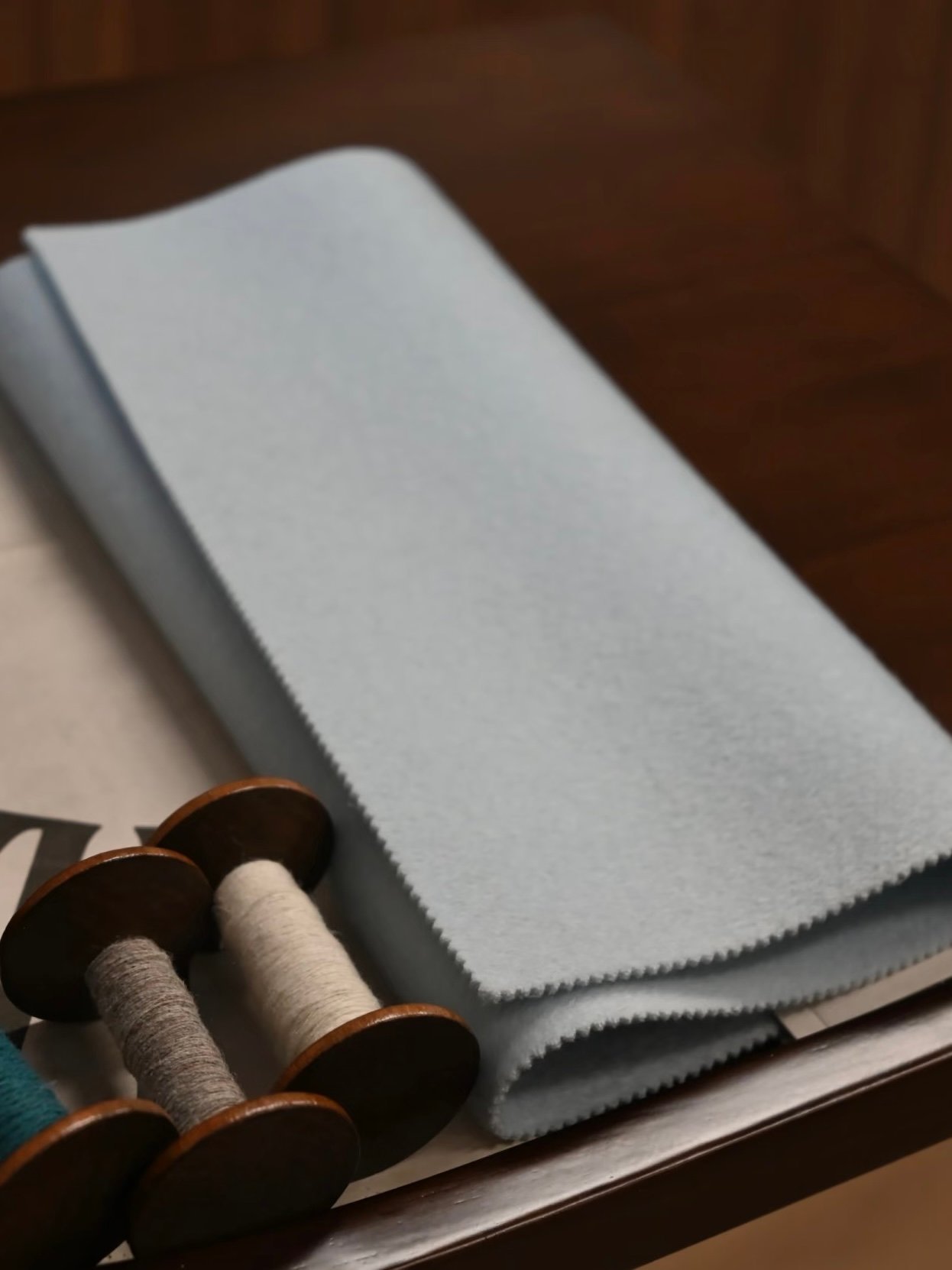
Real Fred Textile imagery
Collection directions visible at fabric level.
These images come from Fred Textile’s current public collection and are used to represent the connected specialist textile resource accurately.
Classic Tweed
Structured checks and classic woolen directions for outerwear programs.
Double-Face Fabrics
Double-face blended woven directions for coats and structured garments.
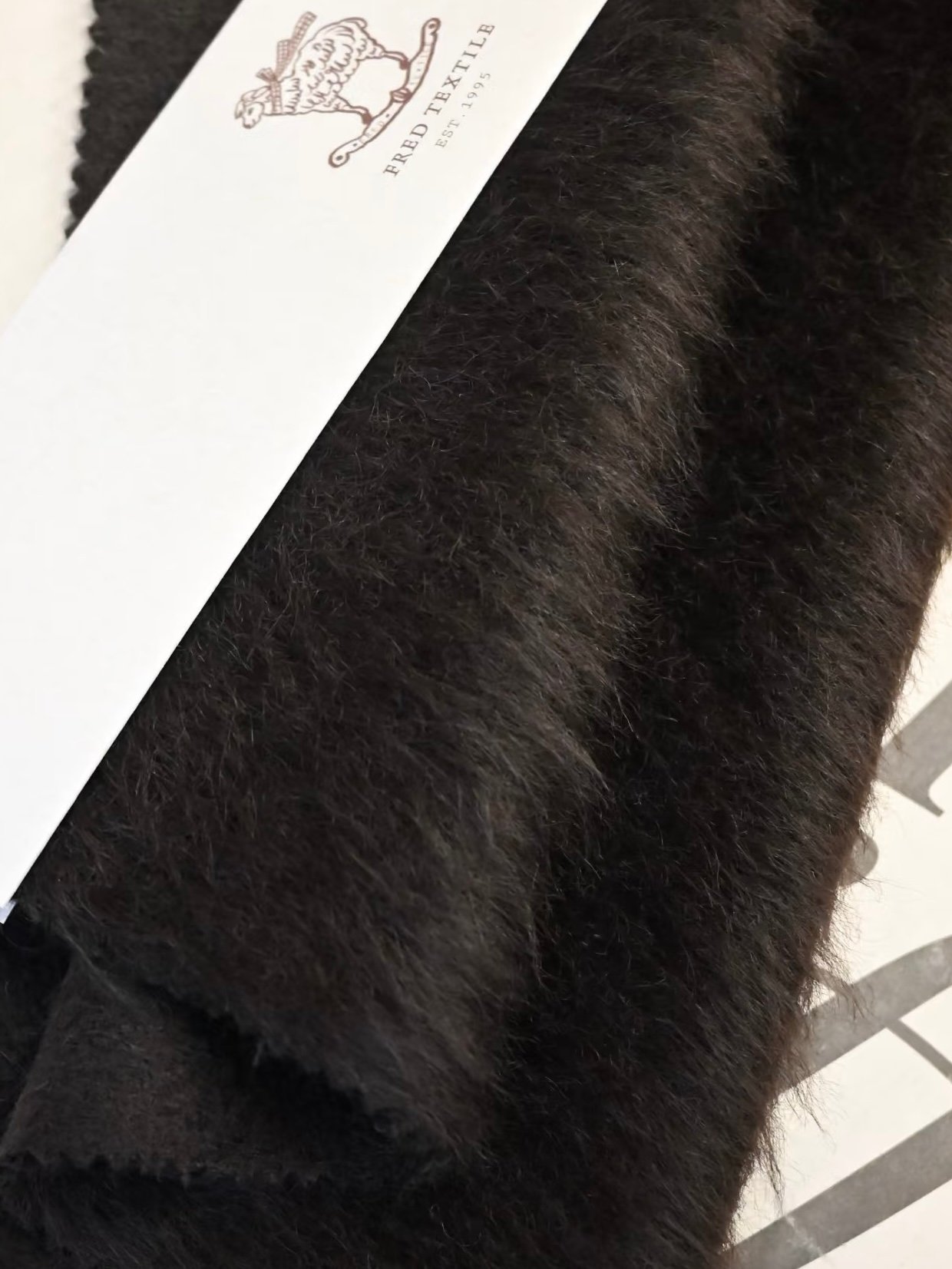
Hairy Wool
Textured and hairy-surface fabric directions with distinct handfeel.
Recycled Material Programs
Color and construction directions that can be discussed around recycled-material requirements.
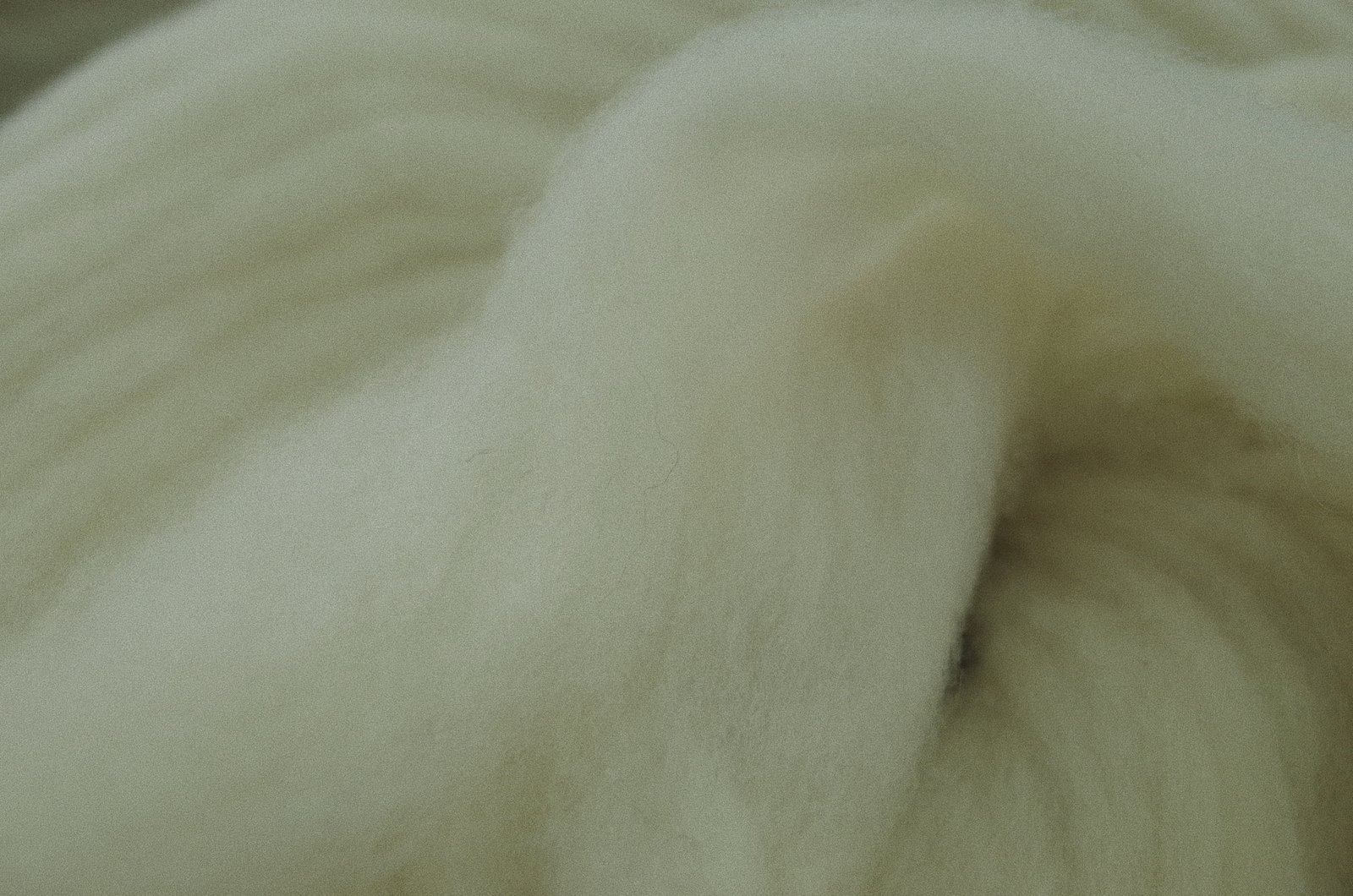
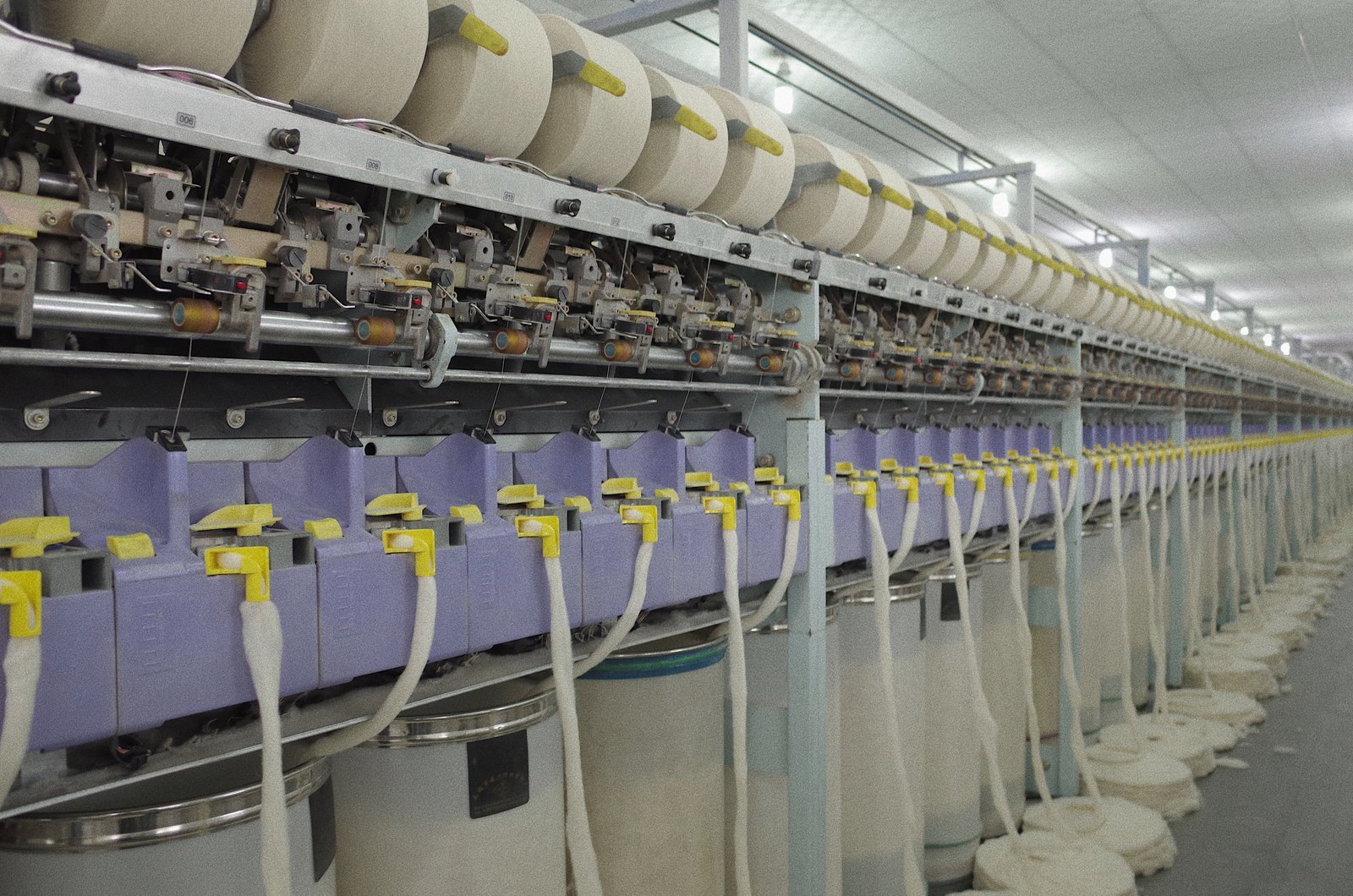
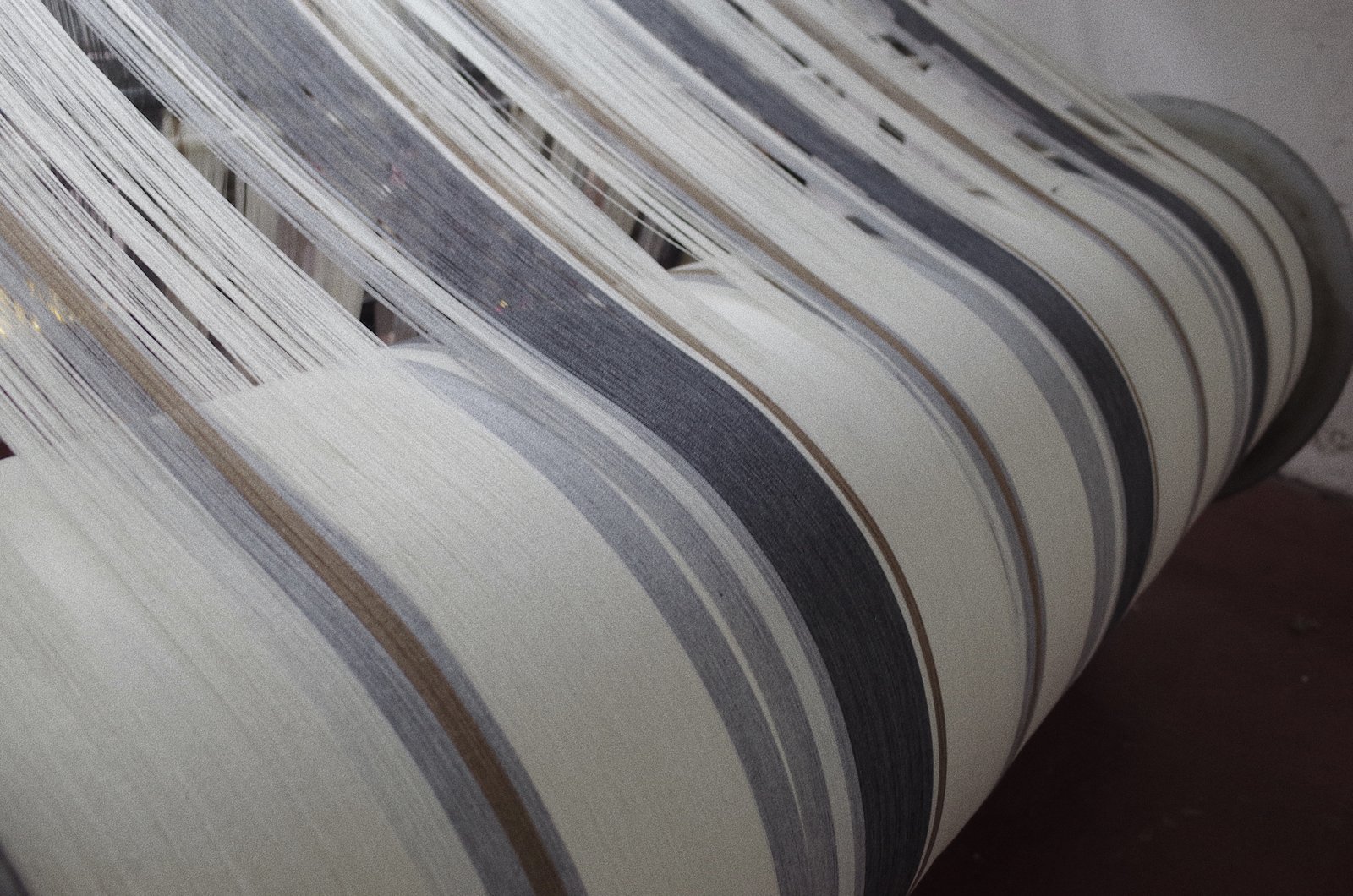
Manufacturing process
Specialist textile resources from fibre to finish.
Production responsibilities, capacity, certifications, commercial terms and order scope must be confirmed for each program. Allot Tech does not present Fred Textile as an owned subsidiary.
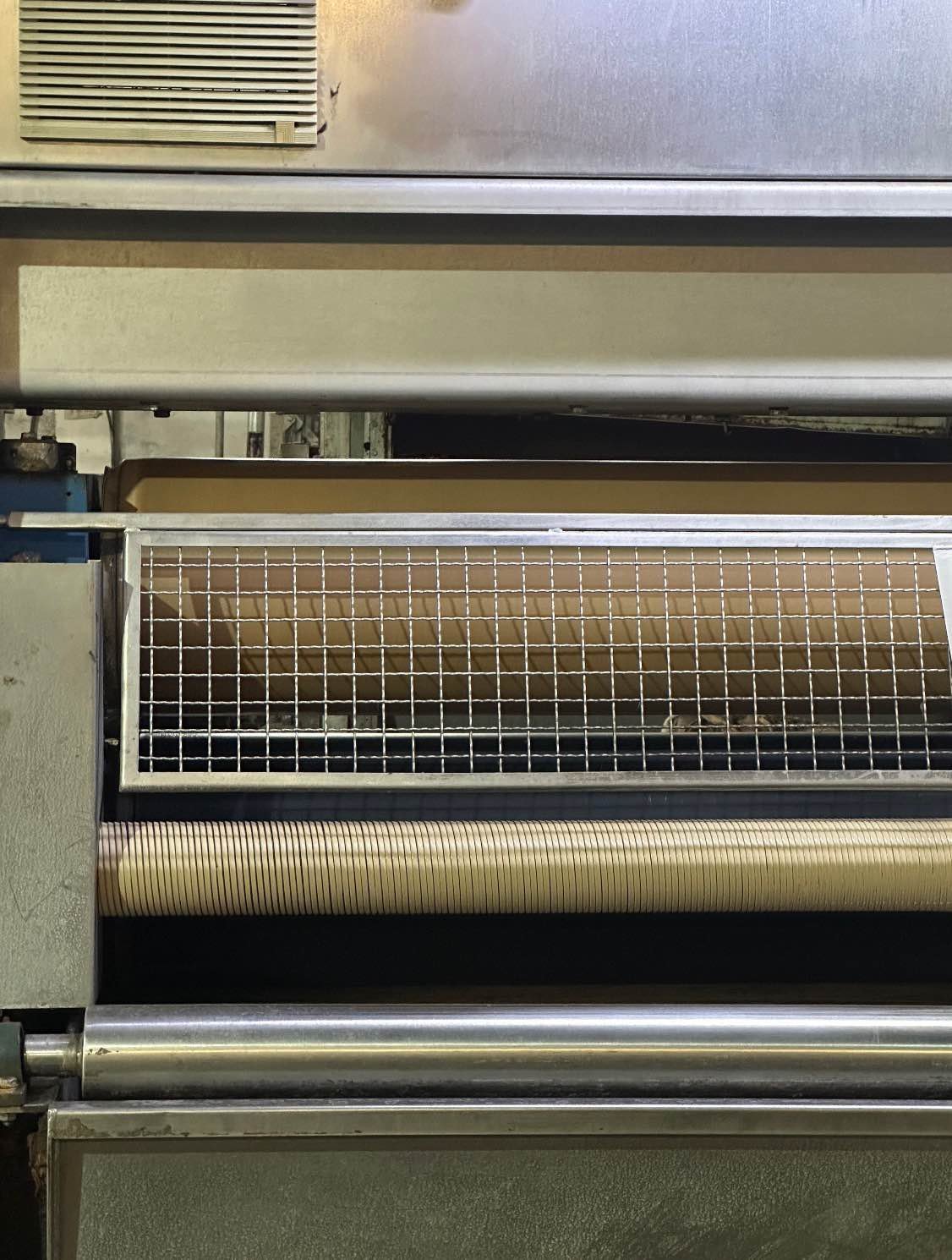
What buyers should send
Move from an inspiration image to an actionable fabric program.
Fred Textile
Specialist woolen & blended fabric manufacturing resource.
Fred Textile is a specialist textile manufacturing resource connected with Allot Tech’s international textile business development work. Its dedicated website contains current collections, facilities, operations and sustainability information.
Project discussion
Discuss a fabric program from real product inputs.
Send the end use, composition, weight, color, handfeel, quantity or development stage and available reference files.