
Surface durability evidence
Fabric Pilling Testing and Supplier Specification
Compare fabric pilling results only when the method, apparatus, exposure and visual grading conditions are the same.
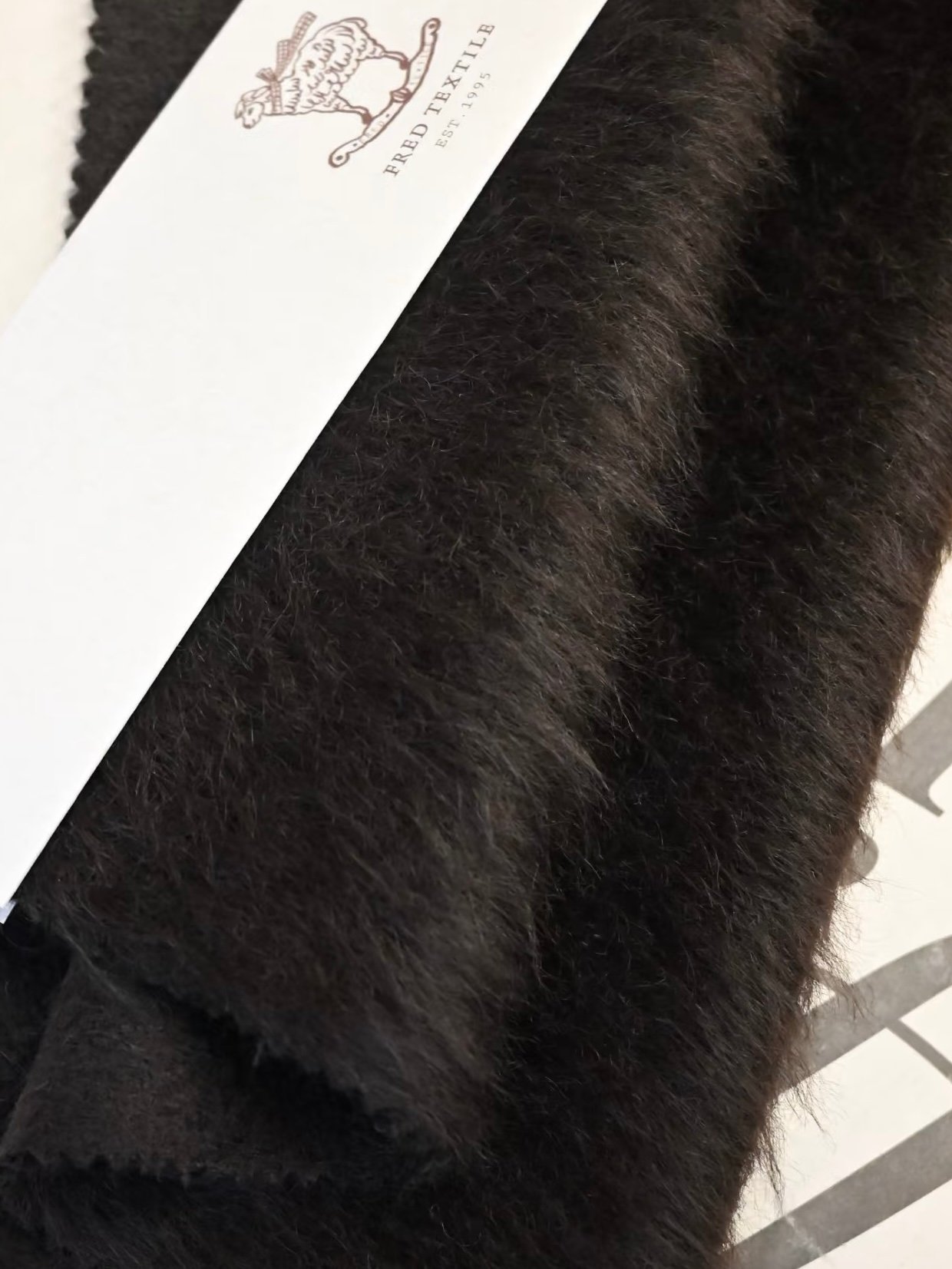
Published by Allot Tech. Project contact: founder Mr Kcal. Final engineering, performance, materials, compliance, manufacturing responsibility and commercial terms must be confirmed for the selected resource and signed project scope.
Updated September 3, 2026Direct answer
A pilling grade needs its method and exposure beside it.
A useful pilling requirement names the test method and edition, apparatus or box, specimen preparation and conditioning, laundering or pre-treatment, exposure duration or cycles, assessment lighting and reference standards, grading scale, number of specimens, reporting rule and acceptance value. Results from different apparatus or procedures are not automatically interchangeable. The specification should reflect fiber, yarn, fabric construction, finish and intended use rather than claiming that one laboratory grade predicts all real wear.
Project definition
Start with the complete decision basis.
Pills form through surface fiber movement, entanglement and retention, which can change with yarn hairiness, fiber strength, knit or weave structure, finishing, laundering and end use. Supplier development should therefore connect a laboratory result to material controls and bulk-lot verification. When a result misses the target, preserve specimens and production details before changing fiber, yarn, construction or finish.
End-use requirement
Garment or home-textile use, surface appearance risk, care route, expected abrasion and buyer standard.
Fabric construction
Fiber, blend, yarn system, knit or weave, weight, density, brushing, raising and finish.
Test procedure
Method, edition, apparatus, specimen size, conditioning, pre-treatment, cycles or duration and grading references.
Acceptance plan
Specimen count, lot sampling, grade rule, rounding, retest, retained specimens and corrective action.
System or development path
Control the test from approved material through bulk-lot release.
Select the method
Choose the buyer-approved method and apparatus for the product and state the exact edition.
Prepare specimens
Sample by the agreed lot rule, avoid damaged areas and record direction, conditioning and any laundering.
Apply the exposure
Use the specified apparatus settings, cycle count or duration, loading materials and maintenance checks.
Grade consistently
Assess under defined lighting against the required references with trained graders and stated averaging.
Investigate misses
Connect retained specimens to fiber, yarn, construction, finishing and production-lot records.
Verify the correction
Retest a controlled production change and confirm bulk consistency before release.
Quotation comparison
Avoid comparing grades produced under different pilling methods.
| Decision area | Buyer should provide | Proposal should clarify |
|---|---|---|
| Method fit | Buyer standard and product end use. | Named standard, edition, apparatus and whether an alternate is permitted. |
| Pre-treatment | Expected care and finish state. | Wash or dry-clean route, number of cycles, conditioning and specimen state. |
| Exposure | Required severity and apparatus. | Cycle count or duration, loading material, speed and maintenance checks. |
| Assessment | Required visual grading procedure. | Lighting, references, number of graders, grade calculation and report precision. |
| Lot control | Material and process risk. | Sampling, acceptance, retest, retained specimens and change-control trigger. |
Solve the next project problem
Close these proposal gaps before price becomes the decision.
Use the brief below to turn a vague supplier conversation into questions that can be answered and documented.
Make this decision comparable.
Send: Buyer standard and product end use.
Require: Named standard, edition, apparatus and whether an alternate is permitted.
Make this decision comparable.
Send: Expected care and finish state.
Require: Wash or dry-clean route, number of cycles, conditioning and specimen state.
Make this decision comparable.
Send: Required severity and apparatus.
Require: Cycle count or duration, loading material, speed and maintenance checks.
Send the garment use, reference swatch or images, finished specification, color plan, quantity, destination and required date. The Allot Tech Project Desk can help organize the first comparison.
Decision evidence
A pilling report should let another qualified party reproduce the test.
Evidence should be identified before the order or approval stage so both sides know what will support the next decision.
Test identity
Record standard, edition, apparatus, settings, laboratory and environmental conditions.
Specimen history
Link article, lot, roll, direction, conditioning, pre-treatment and sample location.
Assessment record
Retain individual and reported grades, grader method, reference images and tested specimens.
Corrective action
Connect failures to material or process investigation, controlled change and verification result.
Do not translate one apparatus grade into another
Standards use different mechanical actions and specimen arrangements. Unless the buyer has validated a correlation, report each method independently.
- Name the exact procedure
- Keep apparatus and exposure visible
- Do not invent grade equivalence
Link pilling to controllable fabric variables
Fiber blend, yarn twist and hairiness, fabric density, singeing, enzyme treatment, raising and finishing may affect the result. Change one controlled factor at a time and verify side effects.
- Retain material genealogy
- Use controlled trials
- Recheck hand, strength and appearance
Preserve bulk-lot verification
A development sample does not prove every production lot. Set a sampling and retest plan for bulk goods, especially after material, mill or finish changes.
- Define lot identity
- Retain specimens
- Escalate unapproved changes
Decision gates
Move forward when the next commitment has enough written evidence.
Project stages overlap, but each commercial commitment should have a visible basis, named approvers and a list of unresolved items.
Development basis approved
The garment use, signed physical reference, written specification, color and requested sample stage describe the same fabric direction.
Bulk standard released
The accepted sample, measurable tolerances, required tests, quantity, lot plan and approved changes are recorded before production.
Shipment evidence accepted
Roll and lot identity, shade grouping, inspection or test findings, packing and authorized disposition support release.
Before requesting a proposal
Build one brief that every resource can answer on the same basis.
This page is designed to help an international buyer prepare a clearer discussion, not to replace the responsible resource’s engineering or the buyer’s professional review.
Garment
End use, season, silhouette, market and construction priorities.
Reference
Physical swatch or garment, marked face, color and attributes to match.
Specification
Composition, finished weight, usable width, construction, finish and tolerances.
Development
Sample type, meters, colors, approval stages and decision dates.
Bulk plan
Quantity, inspection, testing, packing, destination and delivery window.
Allot Tech organized recurring buyer questions, project-scoping patterns, available catalog inputs and specialist-resource context into a decision sequence. No customer case, certification, output guarantee or factory ownership is implied unless separately verified for the named project.
Reference basis
Primary and specialist sources used to frame the buyer questions.
These sources support definitions and planning context. The current edition, local requirements and project-specific acceptance criteria still need confirmation by the responsible parties.
- ISO 12945-1 – Fabric Pilling, Fuzzing and Matting
Official ISO record for the pilling-box method and its defined scope.
- ASTM D3511/D3511M – Brush Pilling Tester
Official ASTM record illustrating a distinct apparatus-specific pilling procedure.
Specialist textile context
Connect fabric development with weaving and finishing.
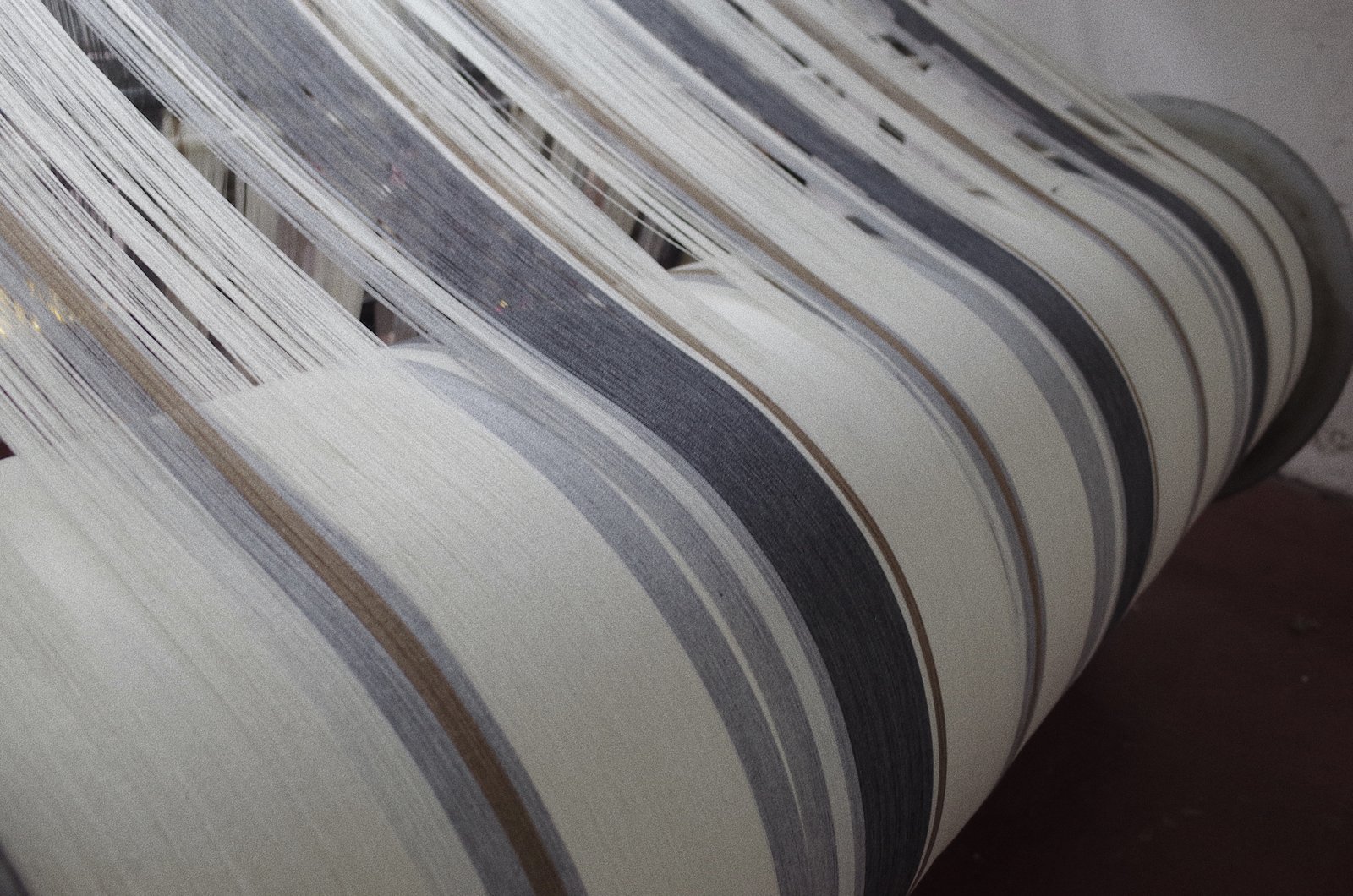
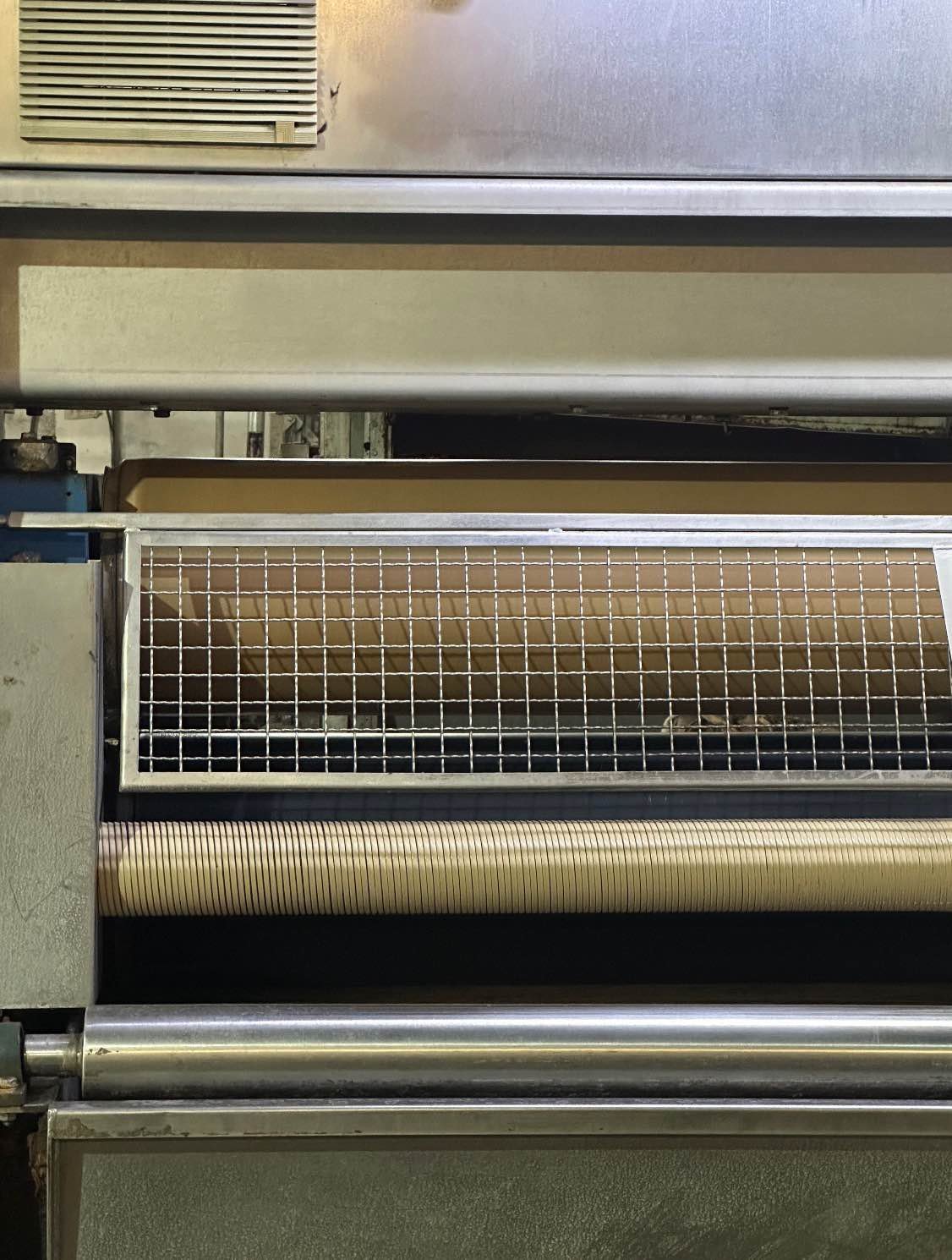
These production images are from Fred Textile, the connected specialist textile resource represented across the Allot Tech textile program.
Buyer questions
Frequently asked questions
What does a fabric pilling grade mean?
It is a visual assessment produced under a named test method and exposure. Interpret the grade with that method, specimen state and buyer requirement.
Are Martindale, random tumble and pilling box results equivalent?
No. They use different actions and procedures, so results should not be converted without buyer-approved validation.
Can a pilling test predict garment wear life?
It can support comparative surface-performance decisions, but it does not reproduce every wearer, care cycle or garment construction.
What should be sent with a supplier pilling claim?
Send the standard and edition, apparatus, specimen treatment, exposure, individual grades, report grade, tested specimen images and lot identity.
Project discussion
Prepare a Pilling Test Requirement
Send the garment use, reference swatch or images, finished specification, color plan, quantity, destination and required date.