
Fabric inspection planning
Four-Point Fabric Inspection System for Buyer Quality Control
Turn roll inspection into comparable evidence by fixing the method, inspected area, defect coding and acceptance rule before bulk fabric is released.
Published by Allot Tech. Project contact: founder Mr Kcal. Final engineering, performance, materials, compliance, manufacturing responsibility and commercial terms must be confirmed for the selected resource and signed project scope.
Updated September 14, 2026Direct answer
The score is only useful when the inspection boundary is controlled.
A four-point fabric inspection system records visible defects, assigns one to four points under the agreed rule, totals the points and normalizes the result by inspected fabric area. The buyer and supplier must agree the method and edition, defect terminology, inspection percentage, lighting and speed, width and length measurement, point assignment, score formula, roll and lot limits, critical-defect treatment and disposition. A normalized score supports comparison; it does not create a universal pass or fail limit.
Browser calculator
Fabric Four-Point Normalization Calculator
Enter defects already classified as 1, 2, 3 or 4 points. This tool normalizes the total by inspected area; it does not assign defect points or decide acceptance.
Project definition
Start with the complete decision basis.
Two inspectors can produce different results if they use different defect names, lighting, inspection speed, point rules or area calculations. A useful purchase specification therefore connects the numerical score to the roll map, defect images, fabric identity, inspection conditions and an agreed action for marginal or critical findings. The calculator below normalizes already assigned points and intentionally does not decide acceptance.
Fabric identity
Article, composition, construction, width, weight, finish, color, lot, roll and purchase-order reference.
Inspection method
Named method or buyer procedure, edition, inspection percentage, lighting, speed, viewing distance and defect taxonomy.
Scoring basis
Point assignment, repeat-defect treatment, full-width or critical defect rules, inspected length and actual width.
Disposition rule
Roll and lot limits, reinspection, cuttable defects, allowances, replacement, concession and approval authority.
System or development path
Connect each normalized score to a traceable roll inspection record.
Confirm the procedure
Approve the method, edition, defect terminology, environment, speed, inspection percentage and reporting template.
Identify the roll
Verify article, lot, color, roll number, nominal and measured length, usable width and packaging condition.
Inspect and mark
Record defect type, position, size, assigned points, repeated occurrence, severity and supporting image.
Normalize the result
Total the assigned points and divide by the actual inspected area using one documented metric or imperial formula.
Apply disposition rules
Review critical findings, roll score, lot pattern, usable length and the signed acceptance or concession authority.
Close the evidence loop
Retain the roll map, calculations, images, inspector, equipment, recheck and corrective-action record.
Quotation comparison
Agree the inspection rule before comparing mills, lots or inspectors.
| Decision area | Buyer should provide | Proposal should clarify |
|---|---|---|
| Defect taxonomy | Fabric construction, finish and end use. | Named defect classes, examples, critical findings and repeat-defect treatment. |
| Inspection coverage | Order risk and buyer procedure. | Roll selection, percentage or full inspection, sampling logic and escalation. |
| Area calculation | Actual inspection units and measurements. | Length, usable width, unit conversion, point total and rounding. |
| Acceptance | Buyer quality standard and contract. | Roll limit, lot limit, critical-defect override, concessions and reinspection. |
| Evidence package | Decision and claim requirements. | Roll map, images, calculations, signatures, date, equipment and retained samples. |
Solve the next project problem
Close these proposal gaps before price becomes the decision.
Use the brief below to turn a vague supplier conversation into questions that can be answered and documented.
Make this decision comparable.
Send: Fabric construction, finish and end use.
Require: Named defect classes, examples, critical findings and repeat-defect treatment.
Make this decision comparable.
Send: Order risk and buyer procedure.
Require: Roll selection, percentage or full inspection, sampling logic and escalation.
Make this decision comparable.
Send: Actual inspection units and measurements.
Require: Length, usable width, unit conversion, point total and rounding.
Send the garment use, reference swatch or images, finished specification, color plan, quantity, destination and required date. The Allot Tech Project Desk can help organize the first comparison.
Decision evidence
Preserve the details behind the score so the result can be reviewed.
Evidence should be identified before the order or approval stage so both sides know what will support the next decision.
Roll map
Show roll identity, measured dimensions, defect location, type, size and assigned points.
Inspection conditions
Record procedure, edition, lighting, speed, viewing arrangement, inspector and date.
Normalized calculation
Retain raw defect counts, total points, inspected area, units, formula and rounding.
Disposition trail
State accepted, rejected, reworked or conceded quantity with the authorized decision and follow-up.
Do not use the score without defect detail
The same point total can represent isolated minor defects or a repeated process problem. Keep the defect map and categories beside the normalized score so cutting risk and root cause remain visible.
- Retain defect position and images
- Flag repeated or full-width defects
- Review patterns across the lot
Keep metric and imperial formulas separate
Normalize points using actual inspected area in the selected unit system. Do not mix metres with inches or yards with centimetres, and label every report with the formula used.
- Record actual width and length
- Show unit conversion
- Keep raw values with the result
Define acceptance in the purchase specification
Four-point inspection is a scoring framework, not a universal commercial limit. The buyer, supplier and inspection party should sign the applicable threshold and override conditions before inspection.
- Name the governing procedure
- Set roll and lot rules
- Identify concession authority
Decision gates
Move forward when the next commitment has enough written evidence.
Project stages overlap, but each commercial commitment should have a visible basis, named approvers and a list of unresolved items.
Development basis approved
The garment use, signed physical reference, written specification, color and requested sample stage describe the same fabric direction.
Bulk standard released
The accepted sample, measurable tolerances, required tests, quantity, lot plan and approved changes are recorded before production.
Shipment evidence accepted
Roll and lot identity, shade grouping, inspection or test findings, packing and authorized disposition support release.
Before requesting a proposal
Build one brief that every resource can answer on the same basis.
This page is designed to help an international buyer prepare a clearer discussion, not to replace the responsible resource’s engineering or the buyer’s professional review.
Garment
End use, season, silhouette, market and construction priorities.
Reference
Physical swatch or garment, marked face, color and attributes to match.
Specification
Composition, finished weight, usable width, construction, finish and tolerances.
Development
Sample type, meters, colors, approval stages and decision dates.
Bulk plan
Quantity, inspection, testing, packing, destination and delivery window.
Allot Tech organized recurring buyer questions, project-scoping patterns, available catalog inputs and specialist-resource context into a decision sequence. No customer case, certification, output guarantee or factory ownership is implied unless separately verified for the named project.
Reference basis
Primary and specialist sources used to frame the buyer questions.
These sources support definitions and planning context. The current edition, local requirements and project-specific acceptance criteria still need confirmation by the responsible parties.
- Cotton Incorporated – Fabric Defects Classification
Technical reference for consistent woven-fabric defect terminology and visual classification.
- Korea Apparel Testing and Research Institute – Fabric Inspection
Testing institute overview of fabric inspection and the four-point framework.
Specialist textile context
Connect fabric development with weaving and finishing.
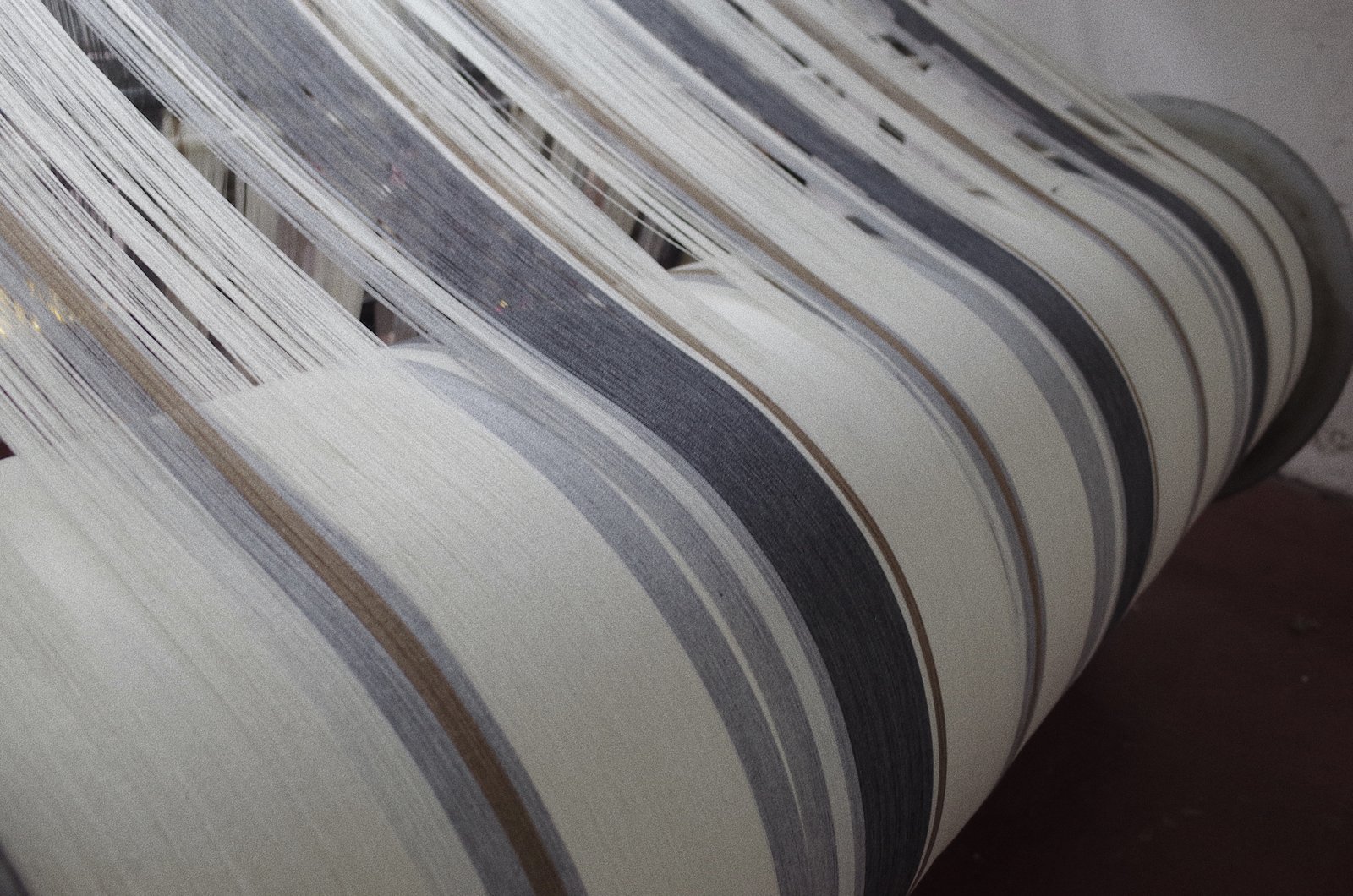
These production images are from Fred Textile, the connected specialist textile resource represented across the Allot Tech textile program.
Buyer questions
Frequently asked questions
How is a four-point fabric score calculated?
Add the assigned defect points, divide by the actual inspected area and multiply by 100. The unit must be stated as points per 100 square metres or points per 100 square yards.
What is a passing four-point score?
There is no universal limit for every fabric and buyer. Put the agreed roll and lot acceptance values in the purchase specification.
Can one defect receive more than four points?
Follow the named procedure and edition. Many four-point systems cap an individual defect at four points, while repeated or critical defects may have separate treatment.
Should every roll be inspected?
Inspection coverage depends on the buyer standard, fabric risk and contract. Define the percentage, roll selection and escalation rule before production release.
Project discussion
Review a Fabric Inspection Brief
Send the garment use, reference swatch or images, finished specification, color plan, quantity, destination and required date.