
From reference to bulk standard
Fabric Sample Development & Approval
Use one controlled brief, named sample stages and retained approvals to turn color, surface and handfeel discussions into a bulk-production standard.
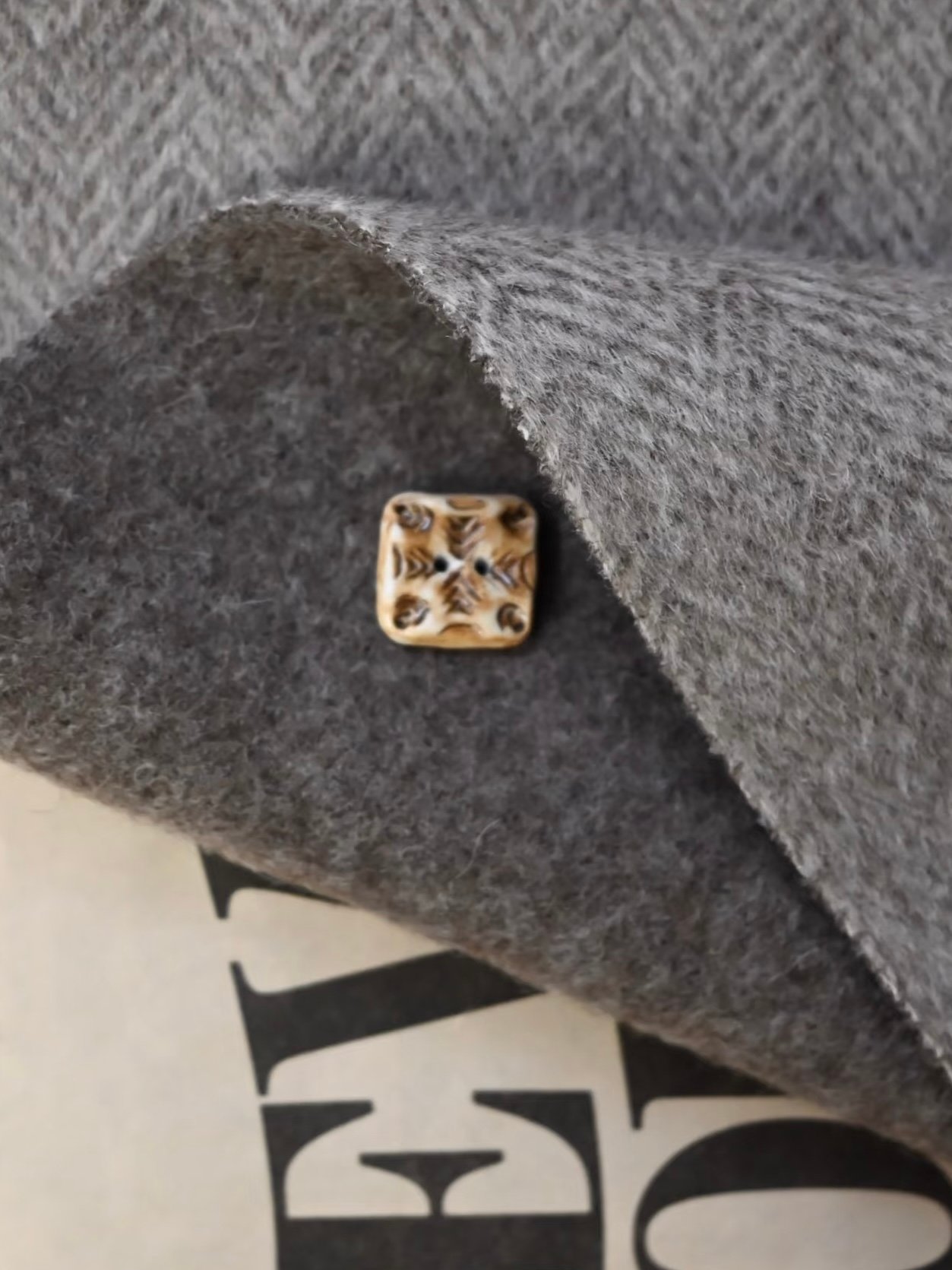
Published by Allot Tech. Project contact: founder Mr Kcal. Final engineering, performance, materials, compliance, manufacturing responsibility and commercial terms must be confirmed for the selected resource and signed project scope.
Updated September 3, 2026Direct answer
A sample is useful only when everyone knows what it proves.
Fabric sample development should begin with a written brief and a physical reference whenever possible. Define the garment use, composition direction, construction or article, finished weight, usable width, color, surface, handfeel and required performance. Name each stage, such as available hanger, development swatch, color approval or bulk pre-production sample, and record what is being approved. The final bulk standard should combine the signed physical sample with measurable specifications, permitted tolerances and an agreed inspection or test plan.
Project definition
Start with the complete decision basis.
A small swatch may demonstrate color and handfeel but not full-width appearance, shade variation, garment drape or bulk consistency. A lab dip may approve color but not final surface. A sewing trial may reveal splitting, seam or pressing issues that are not visible in a hanger. The development plan should therefore connect each sample type with a decision, while final production responsibility remains with the confirmed specialist resource and signed order scope.
Reference package
Physical swatch or garment, photos, marked face, color standard, target attributes and acceptable differences.
Technical brief
Composition, weight, usable width, construction, stretch, finish, handfeel, test and tolerance direction.
Sample stages
Hanger, handloom or trial, lab dip, strike-off, sample length, sewing trial and pre-production reference.
Commercial plan
Sample meters, colors, bulk quantity, target price basis, delivery window, destination and decision dates.
System or development path
Give every fabric sample a clear question and approval status.
Register the brief
Record intended garment, required attributes, reference ownership, open questions and the requested decision.
Select or develop
Compare available articles or confirm the yarn, construction, dyeing and finishing route for a new sample.
Review color and surface
Use named light or review conditions, mark the face, compare texture and record requested adjustments.
Check specification
Measure agreed finished properties and identify which results are targets, estimates or confirmed test values.
Trial the garment use
Where relevant, review cutting, sewing, splitting, pressing, drape, recovery and finished-garment appearance.
Freeze and retain
Sign, date and identify the approved sample, specification, color and tolerances for bulk comparison.
Quotation comparison
Compare sample routes by the decision they support.
| Decision area | Buyer should provide | Proposal should clarify |
|---|---|---|
| Available article | Target use and acceptable specification range. | Stock or repeat status, article data, colors, sample size and relevance to the brief. |
| Custom development | Reference and priority attributes. | Construction route, feasibility, sample charge, lead time, limitations and revision rounds. |
| Color approval | Color standard and review method. | Lab dip or yarn-dye route, light source, submission numbering and bulk shade tolerance. |
| Handfeel approval | Physical reference and descriptive direction. | Finishing route, sample size, repeatability risk and attributes not covered by handfeel. |
| Bulk transfer | Signed approvals and required tests. | Production standard, tolerance, pre-production confirmation, inspection and change control. |
Solve the next project problem
Close these proposal gaps before price becomes the decision.
Use the brief below to turn a vague supplier conversation into questions that can be answered and documented.
Make this decision comparable.
Send: Target use and acceptable specification range.
Require: Stock or repeat status, article data, colors, sample size and relevance to the brief.
Make this decision comparable.
Send: Reference and priority attributes.
Require: Construction route, feasibility, sample charge, lead time, limitations and revision rounds.
Make this decision comparable.
Send: Color standard and review method.
Require: Lab dip or yarn-dye route, light source, submission numbering and bulk shade tolerance.
Send the garment use, reference swatch or images, finished specification, color plan, quantity, destination and required date. The Allot Tech Project Desk can help organize the first comparison.
Decision evidence
A complete sample record protects both design intent and production communication.
Evidence should be identified before the order or approval stage so both sides know what will support the next decision.
Sample identity
Unique number, article, color, lot, size, face, date, development stage and responsible resource.
Review comments
Accepted attributes, requested changes, comparison reference, reviewer and next decision.
Approval status
Approved, approved with comments, revise and resubmit, or rejected, with date and scope of approval.
Bulk-standard package
Signed swatch, specification, color approval, test requirements, tolerances and retained duplicate references.
Separate color, handfeel and performance approvals
One sample rarely proves every requirement. A lab dip may address color, a larger sample may address surface and handfeel, and a test report may address selected measurable properties. Naming these decisions prevents an approval in one area from being mistaken for approval of the entire fabric.
- Label every submission and stage
- Write what the sample does and does not prove
- Keep approval comments with the physical reference
Use a garment trial when construction depends on the fabric
Double-face splitting, seam behavior, pressing, drape and surface response may affect whether a fabric suits the intended design. A reasonable trial uses representative construction details and records observations before bulk is released.
- Test critical seams or finishing details
- Use the intended lining or reinforcement concept
- Return comments with photos and marked samples
Control changes after approval
A later change in yarn, construction, color route, finish or raw material can change the result even if the article name stays the same. The order should define how substitutions and significant process changes are reviewed and documented.
- Reference approved sample and specification on the order
- Require notice of material or process changes
- Retain duplicate standards for bulk inspection
Decision gates
Move forward when the next commitment has enough written evidence.
Project stages overlap, but each commercial commitment should have a visible basis, named approvers and a list of unresolved items.
Development basis approved
The garment use, signed physical reference, written specification, color and requested sample stage describe the same fabric direction.
Bulk standard released
The accepted sample, measurable tolerances, required tests, quantity, lot plan and approved changes are recorded before production.
Shipment evidence accepted
Roll and lot identity, shade grouping, inspection or test findings, packing and authorized disposition support release.
Before requesting a proposal
Build one brief that every resource can answer on the same basis.
This page is designed to help an international buyer prepare a clearer discussion, not to replace the responsible resource’s engineering or the buyer’s professional review.
Garment
End use, season, silhouette, market and construction priorities.
Reference
Physical swatch or garment, marked face, color and attributes to match.
Specification
Composition, finished weight, usable width, construction, finish and tolerances.
Development
Sample type, meters, colors, approval stages and decision dates.
Bulk plan
Quantity, inspection, testing, packing, destination and delivery window.
Allot Tech organized recurring buyer questions, project-scoping patterns, available catalog inputs and specialist-resource context into a decision sequence. No customer case, certification, output guarantee or factory ownership is implied unless separately verified for the named project.
Specialist textile context
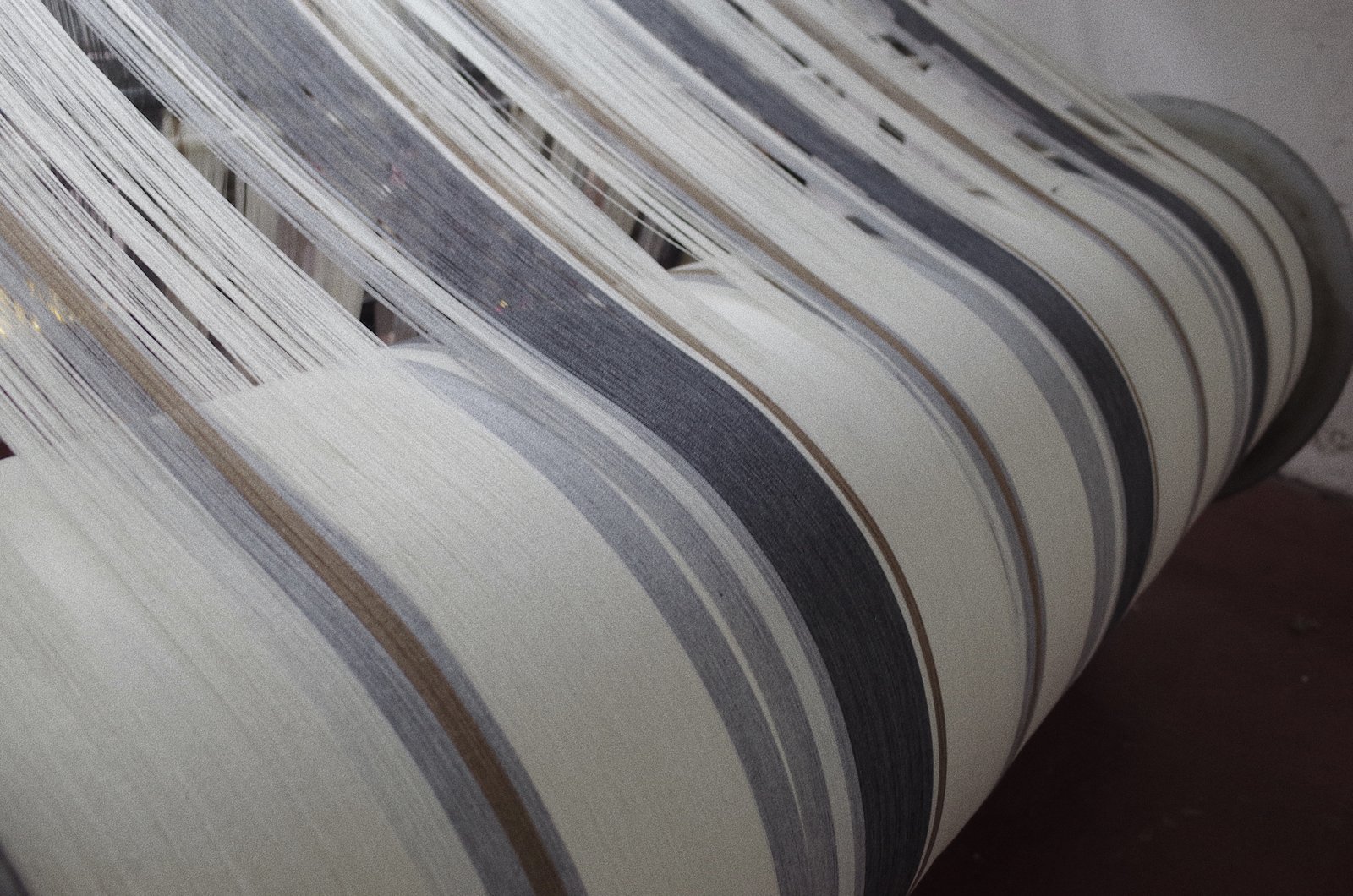
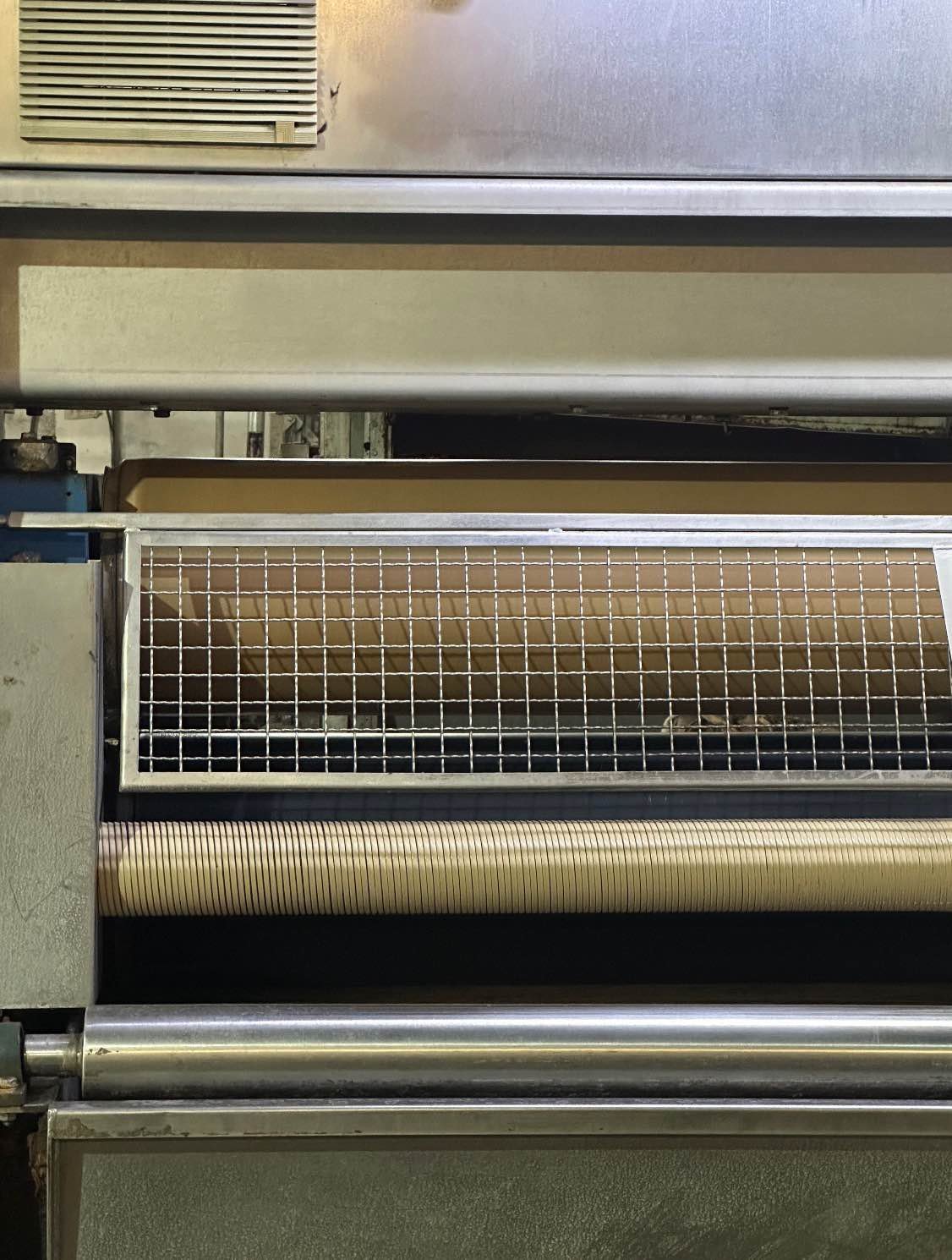
Connect fabric development with weaving and finishing.
These production images are from Fred Textile, the connected specialist textile resource represented across the Allot Tech textile program.
Buyer questions
Frequently asked questions
What is the difference between a lab dip and a fabric sample?
A lab dip is primarily a color-development sample. A fabric sample can also show construction, weight, surface and handfeel, depending on its size and production stage.
How large should a fabric sample be?
The size depends on the decision. A small swatch may be enough for initial direction, while drape, pattern repeat, sewing or full-width appearance may require larger sample length.
Can a photo approve fabric color?
Photos support communication but are not a reliable final color standard because devices, lighting and image processing differ. Use a controlled physical or agreed instrumental reference for final approval.
What should be retained after approval?
Retain identified physical standards, specifications, color approvals, comments, test requirements and duplicate references held by the buyer and responsible resource.
Project discussion
Start a Fabric Development Brief
Send the garment use, reference swatch or images, finished specification, color plan, quantity, destination and required date.