
Fabric order control
Fabric Order Contract Quality Terms
Turn the approved fabric direction into written order terms that define the standard, tolerances, evidence, release decision and remedy process.
Published by Allot Tech. Project contact: founder Mr Kcal. Final engineering, performance, materials, compliance, manufacturing responsibility and commercial terms must be confirmed for the selected resource and signed project scope.
Updated October 7, 2026Direct answer
A purchase order should identify the approved fabric and how conformity will be decided.
Fabric order quality terms should connect a uniquely identified approved standard with the written specification, test methods, tolerances, lot and shade rules, roll inspection method, sampling, packaging, release authority and claim process. State composition, finished weight, usable width, construction or article, color, finish and quantity in the condition that will be supplied. Name the method and edition or buyer standard for each required test instead of writing “international standard.” Keep Incoterms delivery and risk allocation separate from product-quality acceptance, payment, warranty and remedy language, which require their own contract terms and qualified legal review.
Project definition
Start with the complete decision basis.
An attractive swatch and a short purchase order are not enough for bulk control. The supplier needs to know which physical reference is authoritative, which properties are measurable, which variations are permitted, how rolls and dye lots will be identified and what evidence supports shipment release. The buyer also needs a fair process for nonconformity, retained samples and claims after receipt.
Approved identity
Article or construction, approved sample ID, face, color, finish, date, revision and custody of the physical standard.
Finished specification
Composition, GSM or linear weight, usable width, construction, surface, handfeel direction, color and explicit tolerances.
Verification plan
Test methods, conditioning, sampling, laboratory or inspector, roll-inspection method and release authority.
Commercial boundary
Quantity tolerance, packing, labeling, delivery rule and named place, documents, payment, claim notice and agreed remedies.
System or development path
Carry the approved sample into a controlled bulk order.
Identify the standard
Seal and label the approved physical reference, article, color, face, finish and approval revision.
Write the specification
Translate critical attributes into measurable targets, tolerances, units and methods appropriate to the end use.
Define bulk control
State dye-lot strategy, shade grouping, roll identity, inspection coverage, testing and retained-sample rules.
Set release evidence
Agree which inspection, test, packing and quantity records support shipment authorization.
Allocate trade responsibilities
Use the selected Incoterms rule with a precise named place and separately define quality acceptance and documents.
Define nonconformity handling
State notice, evidence preservation, joint review, disposition and authorized remedy process.
Quotation comparison
Make each order term testable and traceable.
| Decision area | Buyer should provide | Proposal should clarify |
|---|---|---|
| Approved standard | Signed sample or lab dip identity, written specification and intended end use. | Which reference governs if a photo, swatch and written value appear different. |
| Tolerance basis | Critical attributes and realistic end-use limits. | Target, tolerance, unit, method, conditioning and rounding or reporting rule. |
| Lot and roll control | Color continuity need, cutting plan and inspection risk. | Dye-lot separation, shade grouping, roll labels, length and retained sample requirements. |
| Shipment release | Required tests, inspection coverage and decision authority. | Report content, pass/fail basis, corrective action and authorization before dispatch. |
| Claims and remedies | Notice path, evidence access and business impact. | Preservation, verification, response time, disposition and remedies agreed in the contract. |
Buyer working matrix
Use this quality-term matrix before the fabric order is released.
This is a buyer-planning checklist, not legal advice or a universal tolerance table. Qualified commercial and legal reviewers should adapt the final contract to the transaction and jurisdiction.
| Contract topic | What must be identified | Evidence or method | Decision protected |
|---|---|---|---|
| Fabric identity | Article, construction, composition, color, finish, face and approved sample ID | Signed standard and controlled specification | Prevents substitution or reference ambiguity |
| Finished dimensions and mass | Finished GSM or linear weight, usable width and tolerances | Named method, conditioning and measured report | Supports spreading, consumption and garment consistency |
| Color and shade | Approved lab dip or standard, illuminant, lot strategy and grouping rule | Instrumental or visual method as agreed plus shade bands | Controls roll allocation and visible variation |
| Surface and defects | Inspection system, defect definitions, coverage and acceptance threshold | Roll map, scoring record, images and retained samples | Supports bulk release and cutting decisions |
| Performance testing | End-use tests, method/edition, specimens and pass criteria | Qualified lab report linked to article and lot | Avoids vague “pass testing” language |
| Quantity and roll data | Ordered tolerance, usable length, short rolls, roll IDs and packing list | Measured roll list and reconciliation | Protects production planning and invoice accuracy |
| Packing and transport condition | Roll protection, labels, moisture controls, marks and shipping documents | Packing photos, labels, list and loading record | Protects traceability and condition at receipt |
| Nonconformity and claim process | Notice, quarantine, evidence, joint review, disposition and authorized remedies | Claim file tied to roll and lot identity | Creates a controlled resolution path |
Solve the next project problem
Close these proposal gaps before price becomes the decision.
Use the brief below to turn a vague supplier conversation into questions that can be answered and documented.
Make this decision comparable.
Send: Signed sample or lab dip identity, written specification and intended end use.
Require: Which reference governs if a photo, swatch and written value appear different.
Make this decision comparable.
Send: Critical attributes and realistic end-use limits.
Require: Target, tolerance, unit, method, conditioning and rounding or reporting rule.
Make this decision comparable.
Send: Color continuity need, cutting plan and inspection risk.
Require: Dye-lot separation, shade grouping, roll labels, length and retained sample requirements.
Send the end use, approved sample status, fabric specification, quantity, destination, required tests and the order terms that remain open. The Allot Tech Project Desk can help organize the first comparison.
Decision evidence
Keep project evidence connected to each approval and release decision.
Evidence should be identified before the order or approval stage so both sides know what will support the next decision.
Approved physical standard
Keep an identified swatch or garment reference with the approved face, color, surface and handfeel direction.
Finished specification
Record composition, weight, usable width, construction or article, finish, color and agreed tolerance basis.
Development and approval trail
Link submissions, comments, changes, test requirements and final approval status to the order.
Bulk follow-through record
Keep lot and roll identity, shade information, inspection findings, packing and release decisions traceable.
A method is part of the requirement
GSM, shrinkage, pilling, colorfastness and visual grading results depend on the method, specimen preparation, conditioning and reporting rule. A target without its method can create disagreement even when both laboratories worked correctly.
- Name the test method and edition
- State specimen and conditioning basis
- Agree how disputed results are compared
Do not let Incoterms replace quality terms
Incoterms rules allocate obligations, costs and risk around delivery, transport, insurance and customs. They do not by themselves define fabric quality, payment, title, warranty or remedies for nonconforming goods.
- Use the correct rule and named place
- Write quality acceptance separately
- Obtain qualified contract review
Keep physical and digital evidence together
The accepted swatch, shade bands, roll data, test reports and packing list should use the same article, color and lot identity. Photographs are useful context but do not replace a controlled physical reference when surface and handfeel matter.
- Label retained samples
- Link reports to lot and roll IDs
- Preserve approval and change history
Decision gates
Move forward when the next commitment has enough written evidence.
Project stages overlap, but each commercial commitment should have a visible basis, named approvers and a list of unresolved items.
Development basis approved
The garment use, signed physical reference, written specification, color and requested sample stage describe the same fabric direction.
Bulk standard released
The accepted sample, measurable tolerances, required tests, quantity, lot plan and approved changes are recorded before production.
Shipment evidence accepted
Roll and lot identity, shade grouping, inspection or test findings, packing and authorized disposition support release.
Before requesting a proposal
Build one brief that every resource can answer on the same basis.
This page is designed to help an international buyer prepare a clearer discussion, not to replace the responsible resource’s engineering or the buyer’s professional review.
Garment
End use, season, silhouette, market and construction priorities.
Reference
Physical swatch or garment, marked face, color and attributes to match.
Specification
Composition, finished weight, usable width, construction, finish and tolerances.
Development
Sample type, meters, colors, approval stages and decision dates.
Bulk plan
Quantity, inspection, testing, packing, destination and delivery window.
Allot Tech organized recurring buyer questions, project-scoping patterns, available catalog inputs and specialist-resource context into a decision sequence. No customer case, certification, output guarantee or factory ownership is implied unless separately verified for the named project.
Reference basis
Primary and specialist sources used to frame the buyer questions.
These sources support definitions and planning context. The current edition, local requirements and project-specific acceptance criteria still need confirmation by the responsible parties.
- ASTM D5430-26 – Visually Inspecting and Grading Fabrics
Describes visual examination and grading procedures used for commercial fabric acceptance when purchaser and seller agree the method.
- ICC Incoterms 2020 – Official trade rules overview
Clarifies allocation of delivery obligations, costs and risks; quality acceptance and remedies require separate terms.
- AATCC standard test methods and procedures
Provides the official catalogue for textile test methods that should be named precisely when used in a specification.
Specialist textile context
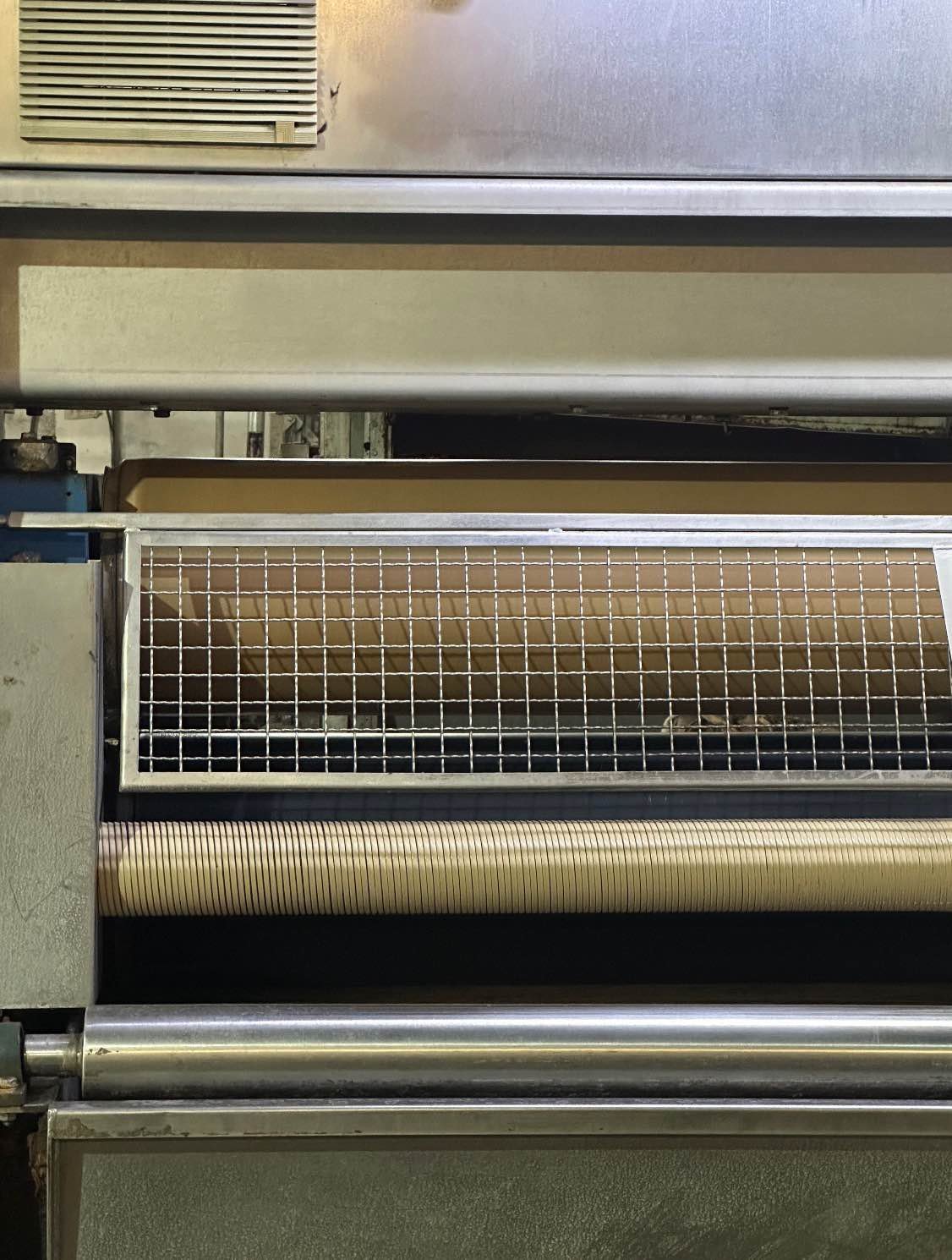
Connect fabric development with weaving and finishing.
These production images are from Fred Textile, the connected specialist textile resource represented across the Allot Tech textile program.

Buyer questions
Frequently asked questions
Can a fabric purchase order simply say “same as approved sample”?
That leaves measurable properties, tolerance, test, lot, inspection and claim rules unclear. Use the sample as a physical standard and connect it to a written specification and evidence plan.
Should every fabric property have the same tolerance?
No. Tolerances depend on construction, finish, test method, end use and commercial agreement. Define critical attributes with the responsible textile specialists and buyer quality team.
Do Incoterms define when fabric quality is accepted?
No. Incoterms primarily allocate delivery obligations, risk, costs, transport, insurance and customs responsibilities. Quality acceptance, payment and remedy terms need separate contract language.
What should be retained after shipment?
Keep the approved standard, production or shipment samples as agreed, specification, lab reports, roll and shade records, inspection evidence, packing list, approvals and change history.
Project discussion
Prepare Fabric Order Quality Terms
Send the end use, approved sample status, fabric specification, quantity, destination, required tests and the order terms that remain open.