
Textile procurement guide
Coat Fabric and Fusible Interlining Compatibility
Approve the actual shell fabric and interlining combination before committing coat production to it.
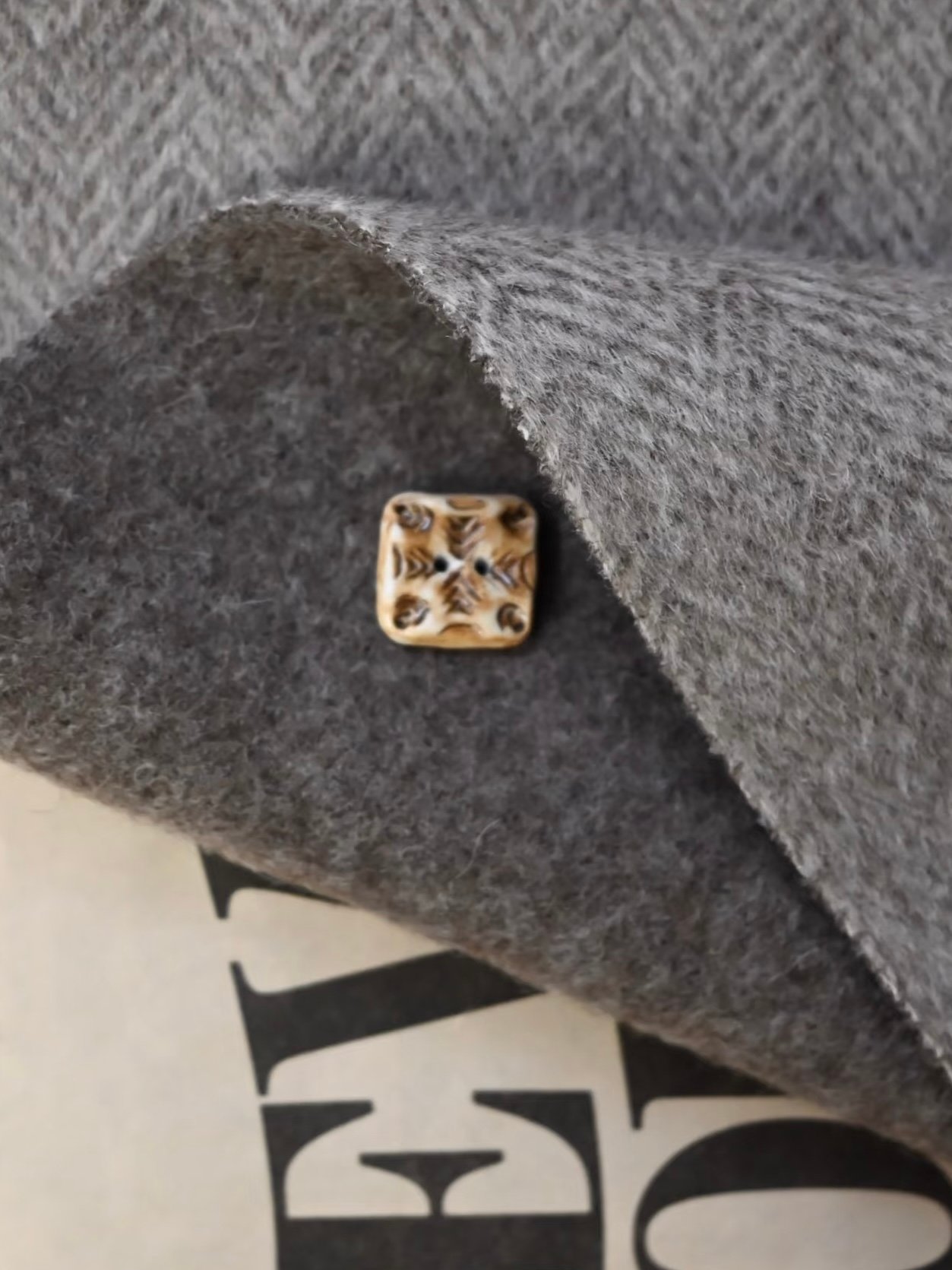
Use this guide to prepare a reviewable request. Confirm the selected article or equipment, test basis and responsibilities in the project scope.
Updated October 7, 2026Direct answer
Test the fabric-interlining assembly, not just its separate materials.
Fusible interlining compatibility depends on the actual shell article, finish, interlining product, garment area and fusing process. Start from the interlining supplier’s instructions, run identified trials with the garment maker and review appearance, handfeel, dimensions, bond and the intended care route. There is no universal temperature, time or pressure setting for every wool-blend or double-face coat fabric.
Name the shell, interlining and garment area in the trial.
Record the shell article, lot, face and reverse side, composition, finish and approved sample. Identify the interlining supplier, article, construction, coating and direction of application. Note whether the trial represents the front panel, lapel, collar, pocket or another area, because the desired support and acceptable change in handfeel can differ within one coat.
A double-face construction may have a different seam and edge concept from a conventionally lined coat. Decide whether the design needs fusible support at all, then sample the intended assembly. Do not infer that a visible second face can serve as a bonding surface without review. This guide concerns shell selection and trial coordination; interlining supply is a separate requirement to confirm.
Use supplier instructions as a trial basis and record the process.
Have the garment maker and interlining supplier agree the trial approach for the selected pair and available equipment. Record press or hand-process identity, supplier instructions, actual controlled conditions, placement, grain direction, cooling and sample references. Production press settings and a hand-iron demonstration should not be treated as interchangeable process records.
Keep an unfused control beside each trial. Examine the face for shine, flattening, color change, adhesive visibility or surface distortion, and compare thickness, drape and handfeel after the specified stabilization. Evaluate dimensional change and the bond using the agreed method. If a setting or interlining changes, give the next sample a new identity rather than merging its result with the first trial.
Photograph the trial and control together with the sample labels and agreed lighting. Ask reviewers to distinguish a surface change from a bond problem and record both when present. A clear rejection reason helps the next trial change the relevant material or process variable.
Check the garment and care route before release.
Make a trial of the relevant garment area or assembly, including the seams, edges and layers that will be used. Review shape, roll, movement and appearance with the design and production teams. A flat swatch can expose a problem, but cannot by itself approve how a lapel or complete front behaves in wear and handling.
Agree the intended care process and have the responsible parties evaluate the assembly after that route. Record bubbling, separation, distortion or unacceptable handle changes, with the applicable test conditions and approval decision. Keep the approved shell/interlining pair, process record and garment sample as a linked standard. Fabric lot, finish, interlining article or equipment changes need an impact review before bulk use.
Assign each part of the fusing approval.
A useful approval identifies both the material pair and the process that produced it.
| Decision | Main contributor | Approval record |
|---|---|---|
| Shell suitability | Fabric resource supplies article, finish and relevant known material information. | Identified shell sample and any stated processing limitations. |
| Interlining choice | Interlining supplier advises on the selected product and application. | Article, direction and supplier instructions. |
| Fusing process | Garment maker controls the actual equipment and assembly. | Trial identity and measured or controlled process conditions. |
| Garment and care outcome | Buyer, garment maker and testing party agree acceptance. | Before/after evaluation, methods, results and signed release. |
Prepare the request
Send the inputs needed to review this requirement.
Garment use
Coat style, area to support, construction and desired drape.
Shell sample
Article, lot, composition, finish and face/back identification.
Interlining
Supplier and product code, instructions and application direction.
Trial process
Equipment, controlled conditions, cooling and intended care route.
Approval need
Appearance, handle, dimensions, bond and garment decision owner.
Reference basis
Primary sources for the technical context.
The checklists are Allot Tech procurement guidance. External manufacturer examples do not establish the capabilities of a quoted Allot Tech configuration.
- Vlieseline G 740: application and processing guidance
The manufacturer identifies a particular interlining, its application and process and recommends testing before use. Its product-specific settings are not a universal coat-fabric recipe.
Frequently asked questions
What fusing temperature should be used for wool-blend coating?
Obtain the selected interlining supplier’s instructions and run controlled trials on the actual shell fabric. A blend name is not enough to set a production temperature.
Does a good initial bond approve the coat?
It is only one result. Review the face, handfeel, dimensional behavior, garment construction and intended care outcome on the identified assembly.
Does Allot Tech supply the interlining described here?
This page is a compatibility-planning guide for coat fabric procurement. Confirm any interlining sourcing or technical service separately in the project scope.
Project discussion
Discuss this fabric requirement
Include the available specifications, samples or files, project stage and destination so the next review can address the actual requirement.