
Bulk color control
Fabric Shade Banding and Color Continuity
Carry the approved color standard into production through identified dye lots, representative shade bands, roll grouping and controlled allocation.
Published by Allot Tech. Project contact: founder Mr Kcal. Final engineering, performance, materials, compliance, manufacturing responsibility and commercial terms must be confirmed for the selected resource and signed project scope.
Updated September 3, 2026Direct answer
Bulk color approval is a lot-and-roll continuity decision.
Bulk shade control should connect the signed color standard with each dye or production lot and the rolls packed from it. Agree when shade bands or representative finished samples will be submitted, how they are identified, which light sources and tolerance basis apply, and who can approve or hold a lot. For shade-sensitive garments, group compatible rolls and communicate allocation to cutting so panels are not mixed unintentionally. Shipment documents should preserve roll, lot and shade-group identity rather than treating all accepted fabric as visually interchangeable.
Project definition
Start with the complete decision basis.
Variation can enter through raw material, dyeing, heat history, washing, brushing, milling or other finishing steps. Even a lot that is close to the approved standard may show internal progression or differences from another accepted lot. The buyer and specialist resource should define a practical visual and, where selected, instrumental control plan that reflects garment use and production allocation.
Approved target
Signed lab dip or physical standard, article, color, finish, face, direction, lights and approval authority.
Production structure
Order quantity, dye or finishing lot size, roll lengths, process route, color count and planned shipment lots.
Garment sensitivity
Solid panels, matching components, nap direction, cut-order size, replenishment risk and acceptable allocation strategy.
Release plan
Shade-band stage, sample locations, visual or selected instrumental method, tolerance, records, retained samples and decision dates.
System or development path
Maintain color identity from dye lot through roll packing and garment allocation.
Create lot identity
Assign traceable dyeing and finishing references before material moves through bulk production.
Sample the lot
Take identified finished samples from agreed positions or representative rolls without losing face and direction.
Compare shade
Review against the signed target and within-lot samples under the agreed lights and method.
Approve or classify
Record accepted, held, adjusted or rejected status and any authorized shade grouping or limitation.
Group rolls
Label roll and shade group consistently and avoid unintended mixing across visibly different groups.
Release and allocate
Transfer lot, roll and shade-group information into packing, shipment and garment-cutting communication.
Quotation comparison
Compare shade-control plans by coverage, identity and garment usability.
| Decision area | Buyer should provide | Proposal should clarify |
|---|---|---|
| Sampling | Order structure, lot size, roll plan and garment risk. | Sample positions, frequency, finished condition, identity and retained quantity. |
| Evaluation | Signed target, lights, tolerance and observer roles. | Visual and optional instrumental method, conditioning, backing, direction and report format. |
| Within-lot continuity | Sensitivity to start-middle-end or roll variation. | Progression checks, roll comparisons, escalation and process-adjustment records. |
| Grouping and allocation | Cut-order size and panel-matching needs. | Shade-group rules, roll labels, packing, replacement fabric and communication to garment production. |
| Release | Authorized decision maker and schedule. | Accepted, held, reworked or rejected status, evidence, retained standards and shipment restrictions. |
Solve the next project problem
Close these proposal gaps before price becomes the decision.
Use the brief below to turn a vague supplier conversation into questions that can be answered and documented.
Make this decision comparable.
Send: Order structure, lot size, roll plan and garment risk.
Require: Sample positions, frequency, finished condition, identity and retained quantity.
Make this decision comparable.
Send: Signed target, lights, tolerance and observer roles.
Require: Visual and optional instrumental method, conditioning, backing, direction and report format.
Make this decision comparable.
Send: Sensitivity to start-middle-end or roll variation.
Require: Progression checks, roll comparisons, escalation and process-adjustment records.
Send the garment use, reference swatch or images, finished specification, color plan, quantity, destination and required date. The Allot Tech Project Desk can help organize the first comparison.
Decision evidence
Bulk shade records should remain usable after rolls leave the finishing plant.
Evidence should be identified before the order or approval stage so both sides know what will support the next decision.
Lot and process register
Connect raw and greige identity, dye lot, finishing lot, article, color, dates and process route.
Identified shade band
Mark lot, sample position, face, direction, finish, date and comparison result against the signed target.
Roll shade map
List each roll with lot, shade group, length, inspection status, packing location and retained swatch.
Release and allocation note
Record authorized status, limitations, garment allocation, replacements and communication to the receiving team.
Evaluate finished fabric at the correct stage
Shade can shift during washing, milling, brushing, pressing or other finish. Early process checks help control production, but shipment approval should use the agreed finished condition unless the order explicitly defines another stage.
- Name the evaluation stage on every sample
- Repeat review after shade-affecting finish
- Keep process checks separate from final release
Protect roll identity through packing
Shade grouping is lost when roll labels, packing lists and physical bundles use inconsistent references. Use one roll register and confirm that package marks and shipment files carry the identifiers needed by the receiving and cutting teams.
- Use one roll identifier across all records
- Mark shade group on labels and packing list
- Retain a swatch linked to each inspected roll
Plan for replenishment and split shipments
A later lot may not be visually interchangeable with the first shipment. Record retained standards, approved range and allocation, then review replenishment fabric against both the signed target and garment-matching need.
- Keep retained bulk standards in stable storage
- Identify replenishment as a new approval event
- Communicate limitations before cutting
Decision gates
Move forward when the next commitment has enough written evidence.
Project stages overlap, but each commercial commitment should have a visible basis, named approvers and a list of unresolved items.
Development basis approved
The garment use, signed physical reference, written specification, color and requested sample stage describe the same fabric direction.
Bulk standard released
The accepted sample, measurable tolerances, required tests, quantity, lot plan and approved changes are recorded before production.
Shipment evidence accepted
Roll and lot identity, shade grouping, inspection or test findings, packing and authorized disposition support release.
Before requesting a proposal
Build one brief that every resource can answer on the same basis.
This page is designed to help an international buyer prepare a clearer discussion, not to replace the responsible resource’s engineering or the buyer’s professional review.
Garment
End use, season, silhouette, market and construction priorities.
Reference
Physical swatch or garment, marked face, color and attributes to match.
Specification
Composition, finished weight, usable width, construction, finish and tolerances.
Development
Sample type, meters, colors, approval stages and decision dates.
Bulk plan
Quantity, inspection, testing, packing, destination and delivery window.
Allot Tech organized recurring buyer questions, project-scoping patterns, available catalog inputs and specialist-resource context into a decision sequence. No customer case, certification, output guarantee or factory ownership is implied unless separately verified for the named project.
Specialist textile context
Connect fabric development with weaving and finishing.
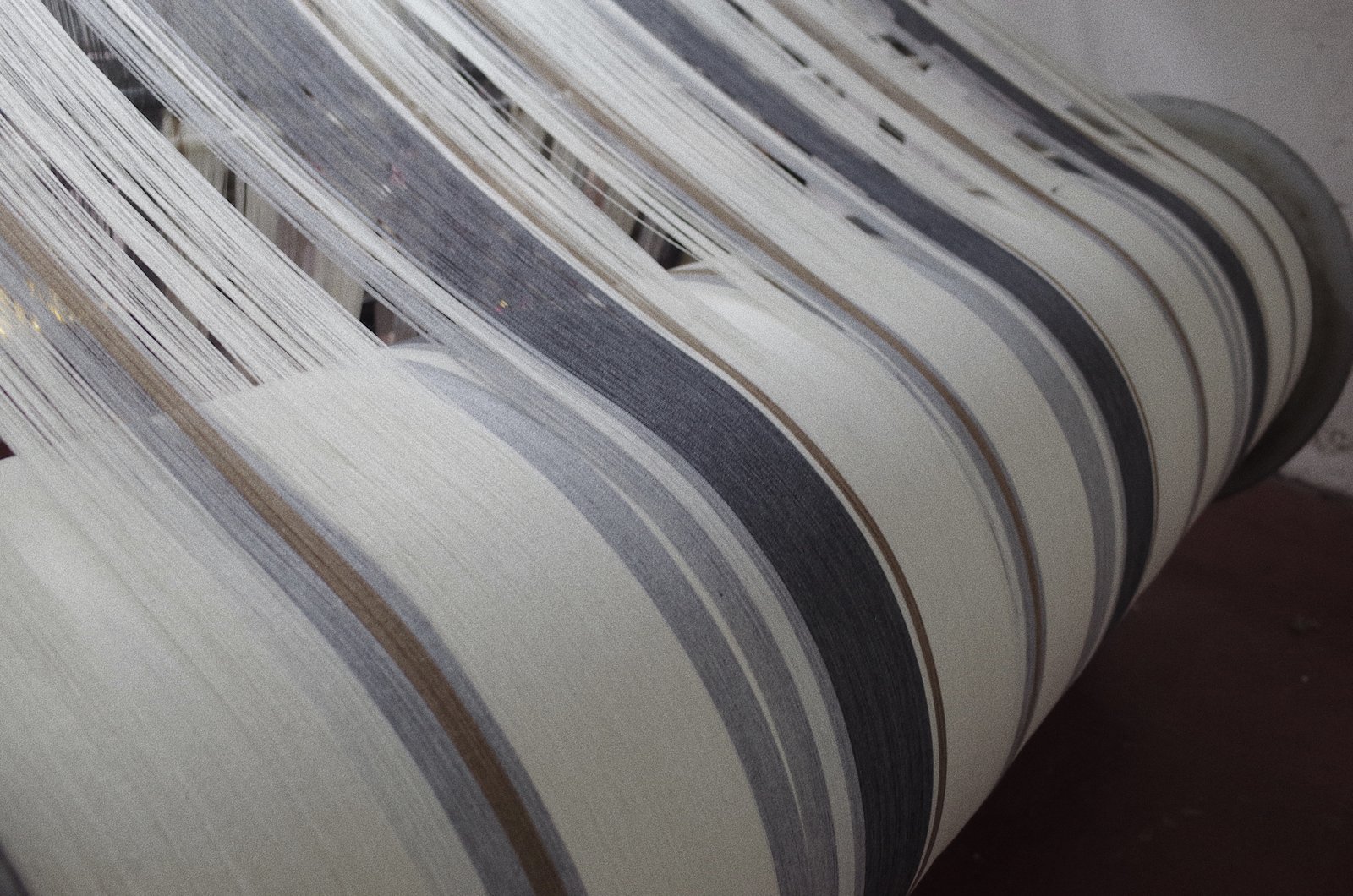
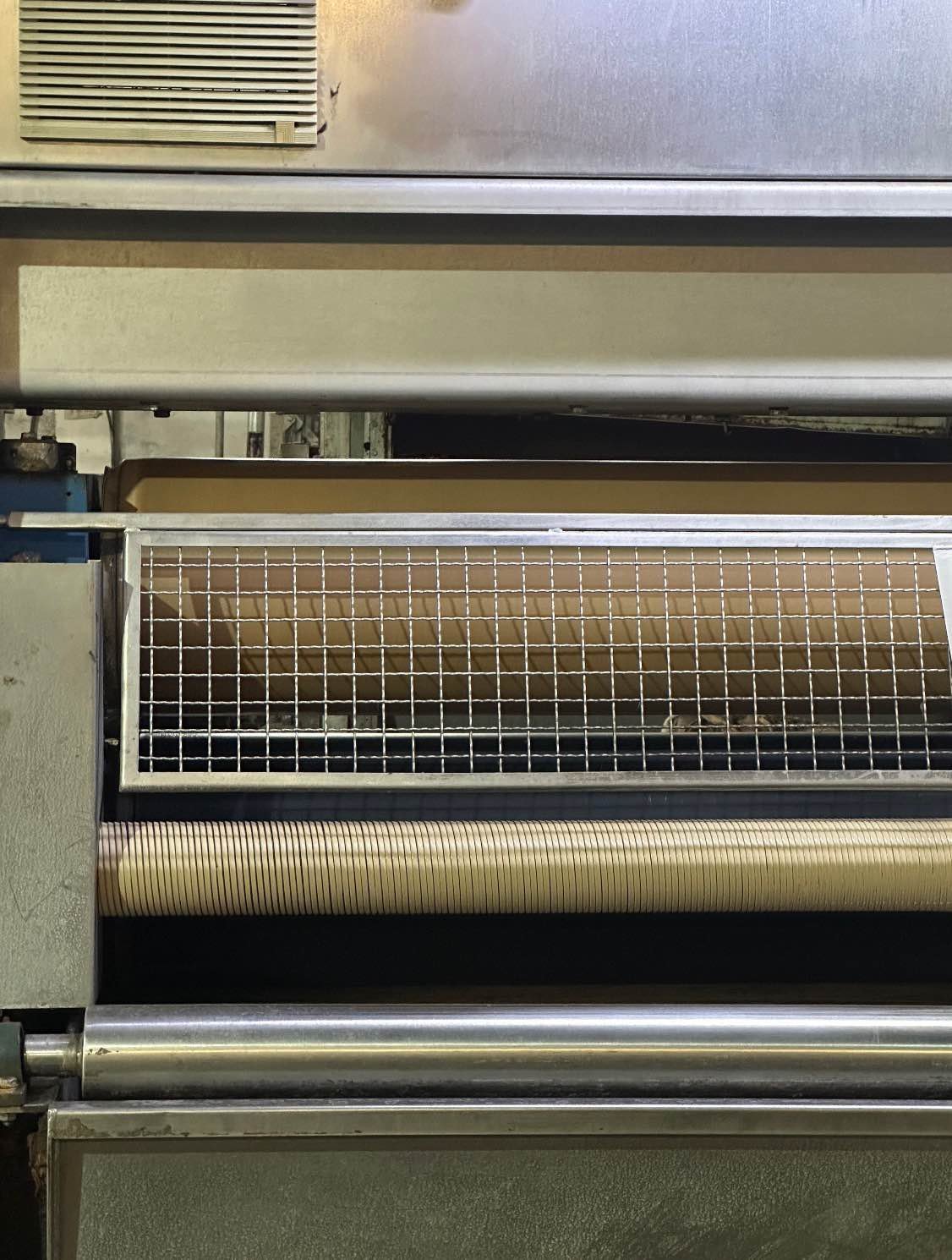
These production images are from Fred Textile, the connected specialist textile resource represented across the Allot Tech textile program.
Buyer questions
Frequently asked questions
What is a fabric shade band?
It is an identified set of bulk fabric samples used to show shade relative to the approved target and, depending on the plan, variation within a production lot.
Why should rolls be grouped by shade?
Grouping helps garment production avoid mixing visibly different rolls within panels or sets when the article and design are shade-sensitive.
Does instrumental color data replace visual review?
It can support an agreed control plan, but substrate, surface, direction and garment appearance may still require physical visual review under controlled lights.
How should split shipments be handled?
Each shipment should preserve lot, roll and shade-group identity, approval status and any allocation limitations for the receiving team.
Project discussion
Discuss Bulk Shade Control
Send the garment use, reference swatch or images, finished specification, color plan, quantity, destination and required date.