
Allot Tech (Suzhou) Co., Ltd.
From fabric sample to bulk: keep each approval tied to the material it actually represents
A small approved cutting is useful only when its revision and permission for the next stage are clear.
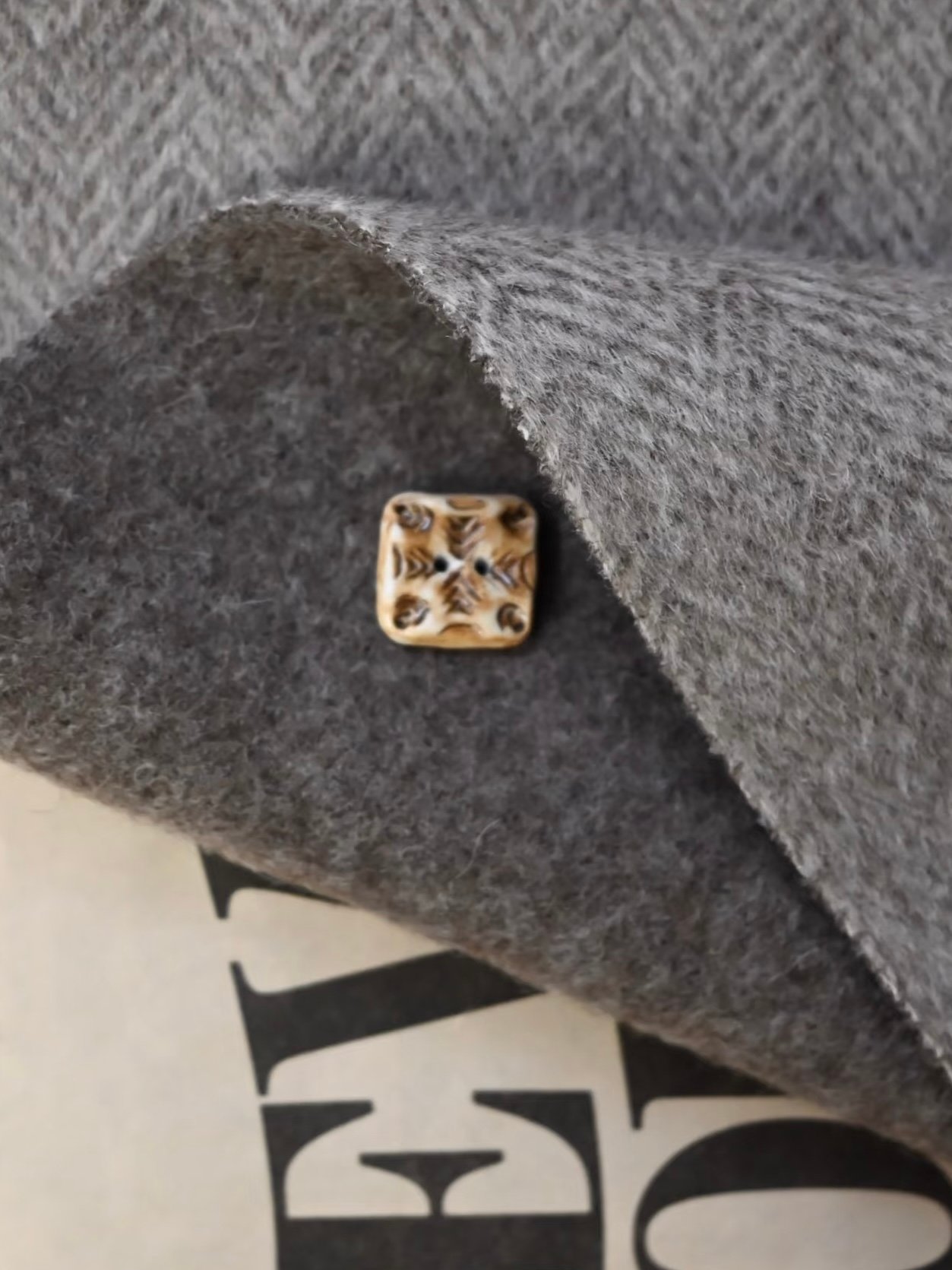
Procurement guidance, not a machine setting or laboratory result
Solve the buying question in front of you
Identify the sample stage, article, composition declaration, construction, finish, colour and source. State whether the decision concerns concept selection, development, permission to produce or release of a named bulk lot. Track changed fields and reopen the affected checks before substitution. A message saying sample approved does not automatically establish bulk representation, every test result, garment suitability or acceptance of a later material revision.
Name the sample stage before recording approval
A catalogue swatch, development cut, revised hand sample, pilot length and bulk roll sample can answer different questions. Record which stage is being reviewed and the specific decision requested. Do not make the recipient infer the scope from the size of the piece or a file name. A clear stage label prevents a colour preference from becoming an unintended production or shipment release.
Identify the person authorised to make that decision and how it is communicated to the supplier and production team. A buyer may delegate one review without delegating all later approvals. Keep pending conditions visible, including garment trial, testing or confirmation of the actual bulk source. The record should show permission for the next step rather than a broad approval whose meaning changes when delivery is late.
Build a material identity that travels with the piece
Record article, declared composition, construction, nominal mass, width basis, finish, colour, revision and available lot information. Attach the source and sample date. Where a characteristic is provisional, mark it accordingly. Do not fill an unknown field from a similar catalogue item just to complete the form; that value could later be interpreted as the accepted specification.
Keep the physical piece and its information together through commercial, laboratory and garment reviews. If the piece is divided, identify each retained part and recipient. A photograph can help locate a sample but does not substitute for all physical properties. The final order should reference the material and specification actually confirmed, not rely on a detached swatch that can no longer be traced to its revision.
Separate the dimensions of the buyer's decision
Colour, handle, construction, width, mass, composition evidence and test requirements may be reviewed by different people. Record their status individually and identify the governing references. A favourable response to handle does not prove dimensional stability or approve an untested colour. The purpose is not to multiply paperwork but to prevent one narrow acceptance from being reused as evidence for an unrelated requirement.
When an assessment depends on a method or garment assembly, preserve those conditions. Do not convert a flat fabric approval into proof of every coat design. If a laboratory report concerns another revision or lot, explain its relationship and limits. The buyer can then decide whether it is useful background, representative evidence or a gap requiring an additional submission.
List changes before offering a substitute
Compare the proposed material with the released reference field by field. Include changed fibre declaration, construction, finish, colour, width basis or source where relevant. A substitution described only as equivalent prevents the buyer from knowing which approvals need review. State what is known to be the same, what is changed and what remains unverified rather than promising equivalence without a defined basis.
Ask the responsible buyer and specialists to identify the affected checks and sample quantities. A small change in description may matter to a particular garment, while a visibly different sample may be an intentional revised design. Do not assume the consequence from the word minor. The commercial request should disclose the change and seek the specific next decision with its schedule dependency.
Connect development evidence to the bulk lot
When bulk is available, identify the lot and rolls represented by the submitted material. Agree selection and retained references according to the order. The development sample can remain an important appearance reference without automatically representing every roll in production. Keep bulk inspection, shade grouping and test evidence linked to their actual material and to the agreed acceptance plan.
If representation is limited, say so before shipment or cutting release. Do not invent a universal sampling quantity or imply that a single selected cutting establishes uniformity of all stock. The parties should agree a plan suitable for the order and the decisions being made. Unmeasured properties remain unmeasured, even if the buyer has already accepted a different characteristic of the same sample.
Keep schedule pressure from erasing open conditions
Show the dependency between sample review, testing, garment trial, production and delivery. If a date becomes difficult, identify which task is pending and ask the authorised decision owner to resolve it. Do not silently relabel a provisional sample as final to preserve the calendar. A temporary commercial decision should state its boundary, responsible person and the evidence still to be completed.
Keep approved exceptions specific to the named article, lot and condition. They should not become a permanent unwritten tolerance for future orders. If the parties choose to proceed within a defined uncertainty, preserve that choice accurately without presenting it as completed technical verification. This makes later review possible and reduces the risk of different teams remembering different promises.
Close the order with a usable approval package
Retain the released specification, physical reference identity, changes, review messages, relevant reports, represented lots and final disposition. Name the authoritative version and mark superseded material clearly. Production, inspection and cutting should receive the information relevant to their tasks. A folder containing several files named final is not a controlled reference unless the actual released version is unambiguous.
Allot Tech can coordinate the confirmed sample and supply information. This guide does not guarantee unverified fabric properties or replace the parties' order terms. A later replenishment should be checked against the retained scope and any material changes. The useful result is an approval record that says what was accepted, which material it represented and what next action it authorised.
Evidence and decision matrix
| Stage | Decision to name | Evidence boundary |
|---|---|---|
| Catalogue or development | Selection or further development | Not automatic bulk release |
| Revised material | Changed fields and affected checks | Named revision |
| Bulk submission | Lot and roll representation | Agreed selection plan |
| Substitution | Authorised renewed review | Confirmed changes and exceptions |
Worked review scenario
Hypothetical review: approved handle, changed bulk finish
A buyer likes the handle of a development cut. The proposed bulk supply then uses a revised finish. The supplier identifies the changed field and the buyer requests the relevant material and garment checks before releasing the new revision. The original handle preference remains recorded without becoming approval of the unreviewed bulk material. This is a control example, not a customer case or a claim about a particular finish.
Prepare the request
Sample
Stage, article, revision, source, date and physical-reference identity.
Specification
Declared properties, provisional fields, governing references and requested checks.
Change
Field-by-field comparison, substitute material and affected approvals.
Decision
Authority, next permitted action, represented lots and schedule dependencies.
Technical reference and its limits
External technical references explain the context. They do not certify an Allot Tech machine or fabric, and their proprietary capabilities are not part of a quotation unless expressly confirmed.
Buyer questions
Does sample approved mean bulk approved?
Only if the scope and representation of that approval expressly cover the named bulk material.
Can a handfeel approval replace testing?
It answers a different question; required methods and properties still need their own evidence.
Can a supplier call a change equivalent without details?
Request the changed fields and the agreed basis for equivalence before deciding the required review.
What should a replenishment use as reference?
The retained released specification and physical reference, together with checks for actual changes and lot representation.
Discuss the project
Send the available documents and the decision that needs review.