
Allot Tech (Suzhou) Co., Ltd.
Fabric seam puckering: separate material, sewing and pressing evidence
The first stage where the seam changes is more useful than a finished-garment photograph alone.
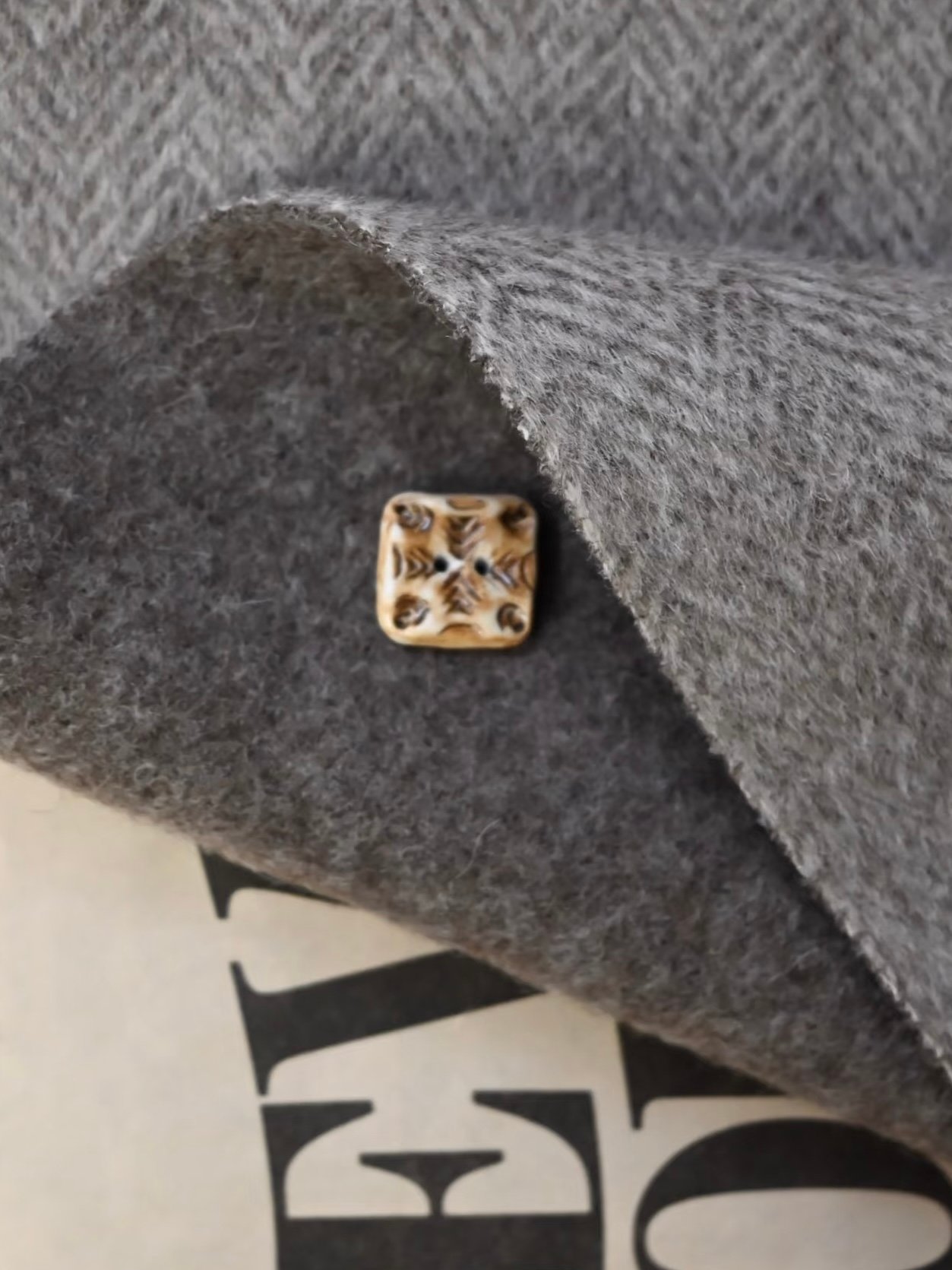
Procurement guidance, not a machine setting or laboratory result
Solve the buying question in front of you
Identify the actual fabric and assembly, then compare unsewn material, sewn pieces and the relevant later stages under a shared presentation method. Preserve seam construction, thread, equipment and approved process records. Puckering, seam slippage, strength and an isolated pressing mark are different questions. The responsible sewing and material specialists should approve tests and corrections; this guide does not prescribe universal tension, needle, stitch or pressing values.
Define the appearance and first affected stage
Ask whether the complaint is waviness along the seam, a local distortion, an opening between yarns, broken stitches or a visible pressing mark. Photograph the garment area with direction and scale, and keep the actual piece. Use a common description before commissioning a laboratory report. A strength result cannot automatically answer an appearance complaint, and a puckered seam should not be renamed slippage without the relevant evidence.
Locate the first confirmed change: before sewing, immediately after sewing, after pressing, after the agreed conditioning or after another defined stage. A garment inspected only at the end leaves several mechanisms unseparated. Preserve stage samples and record missing stages explicitly. Do not manufacture a cause from the fact that the last person to handle the garment was the pressing operator or the sewing supplier.
Keep the actual material and assembly identity
Record article, declared composition, construction, mass, finish, colour, lot, roll and direction of the pieces. Include lining, interlining and other layers involved in the seam. An approval of a flat fabric sample does not establish the behaviour of every assembly. If the material or finish changed, retain old and new samples and identify whether the original trial represented the current garment.
Keep pattern and seam revisions with the sample. The same article can be used in different garment geometries, and an observation from one location should not be extended to all seams without review. Trace the components to their bundle and source where possible. If that identity is missing, treat it as an evidence gap rather than proof that either the material or the sewing process is necessarily responsible.
Preserve sewing and pressing records before adjustment
Ask the responsible production team to record the actual machine, seam construction, thread identification and approved setup used for the trial. Record relevant pressing and later processing conditions through their established procedure. This checklist is not an invitation to dismantle equipment or alter safety settings. The specialists should decide what information is needed and which authorised personnel obtain it.
Do not apply a tension, needle or temperature value taken from another material simply because its name is similar. Several aspects of the assembly may need review, and a change that improves one appearance can affect another requirement. Preserve the starting setup so a comparison remains possible. If settings were already changed without a record, state the limitation rather than reconstructing an exact history from memory.
Plan a comparison that distinguishes stages
Use identified material and a trial arrangement approved by the sewing and material specialists. Keep a reference piece and agree what stage samples will be retained. Where practical, change one planned factor at a time; where combined changes are necessary, list them and restrict the causal conclusion. Keep the same presentation and observation conditions for the comparison.
Any destructive examination belongs on agreed test material with responsible approval, not on saleable garments selected casually. Record what was done and retain an untouched reference where the plan requires it. A result from an altered sample should not be presented as the original delivered condition. The purpose is to test a specific explanation without losing the evidence needed by the other parties.
Separate appearance from other acceptance questions
Ask which seam properties the order actually requires and how each is assessed. Slippage, strength, durability and appearance can require separate procedures and criteria. A passing result in one category does not fill a missing result in another. Do not convert a laboratory value into an invented appearance grade or call a visual assessment a complete seam-performance test.
Agree the intended sample state, observation arrangement, reference hierarchy and decision owner. A garment that looks different only because it is presented under different tension or hanging conditions needs a controlled review. Keep that issue distinct from the underlying appearance requirement. The buyer and qualified specialists should supply the applicable methods and acceptance criteria instead of a generic website threshold.
Scope a corrective proposal across the assembly
Separate material review, sewing support, thread or component trials, pressing review and garment reapproval in the proposal. Identify who supplies test lengths, components, operators and the required records. Include the effect of a proposed correction on other approved properties. A change is not fully accepted if it removes visible waviness but leaves the garment unable to meet another agreed condition.
Allot Tech can coordinate the fabric and commercial information within the confirmed supply scope. This page does not claim ownership of third-party sewing technology or guarantee a universal pucker-free fabric. The eventual commitment should name the article, assembly, trial conditions, responsibilities and acceptance evidence. Keep a claim decision separate from the technical hypothesis until the agreed commercial review has been completed.
Close with a record that can be used on the next lot
Retain the original complaint, stage samples, material and component identities, approved changes and comparison result. Define which checks follow a material lot, finish, thread, machine or garment revision. Keep failed trials as part of the history. A correction that depends on undocumented handling by one person is not a repeatable handover and should be made explicit before production release.
For recurrence, compare the same stage and presentation before assuming the cause is identical. Preserve the limits of the earlier result and unresolved questions. The useful outcome is a documented decision about the actual material and assembly, not a statement that every future seam will remain smooth. That record helps the buyer order the right service or material evidence without automatically blaming either side.
Evidence and decision matrix
| Observation | Record | Review boundary |
|---|---|---|
| Wave visible after sewing | Before/after samples and setup | Sewing-material combination |
| Change only after pressing | Stage identity and approved process record | Assembly and pressing review |
| Gap or yarn movement | Actual seam and relevant method | Do not substitute appearance judgement |
| Result varies by presentation | Shared observation arrangement | Repeatable visual decision |
Worked review scenario
Hypothetical review: seam appearance changes after pressing
A coat sample is acceptable after sewing but appears wavy after a later stage. The team retains identified stage samples and the approved records, then arranges a controlled comparison with the sewing and material specialists. It does not treat a separate seam-strength pass as proof that the appearance complaint is resolved. This is an investigation example, not a customer case or adjustment recipe.
Prepare the request
Material
Article, composition, finish, lot, roll, direction and retained reference.
Assembly
Pattern, seam, thread, lining and interlining revisions.
Stage
Before/after samples, approved equipment records and observation method.
Decision
Trial responsibility, separate requirements, corrective scope and release owner.
Technical reference and its limits
External technical references explain the context. They do not certify an Allot Tech machine or fabric, and their proprietary capabilities are not part of a quotation unless expressly confirmed.
Buyer questions
Is puckering the same as seam slippage?
No. Define the observed appearance and obtain the method relevant to each question.
Can one tension setting solve every fabric?
No. The responsible specialists must review the actual material and assembly.
Does a strength pass settle the appearance claim?
It answers its own test question; the appearance criterion still needs assessment.
Should stitches be cut on a saleable coat to diagnose it?
Destructive examination belongs only in an agreed test plan on authorised material.
Discuss the project
Send the available documents and the decision that needs review.