
Allot Tech (Suzhou) Co., Ltd.
Fabric nap direction in coat cutting: prevent an unidentified orientation from becoming a shade claim
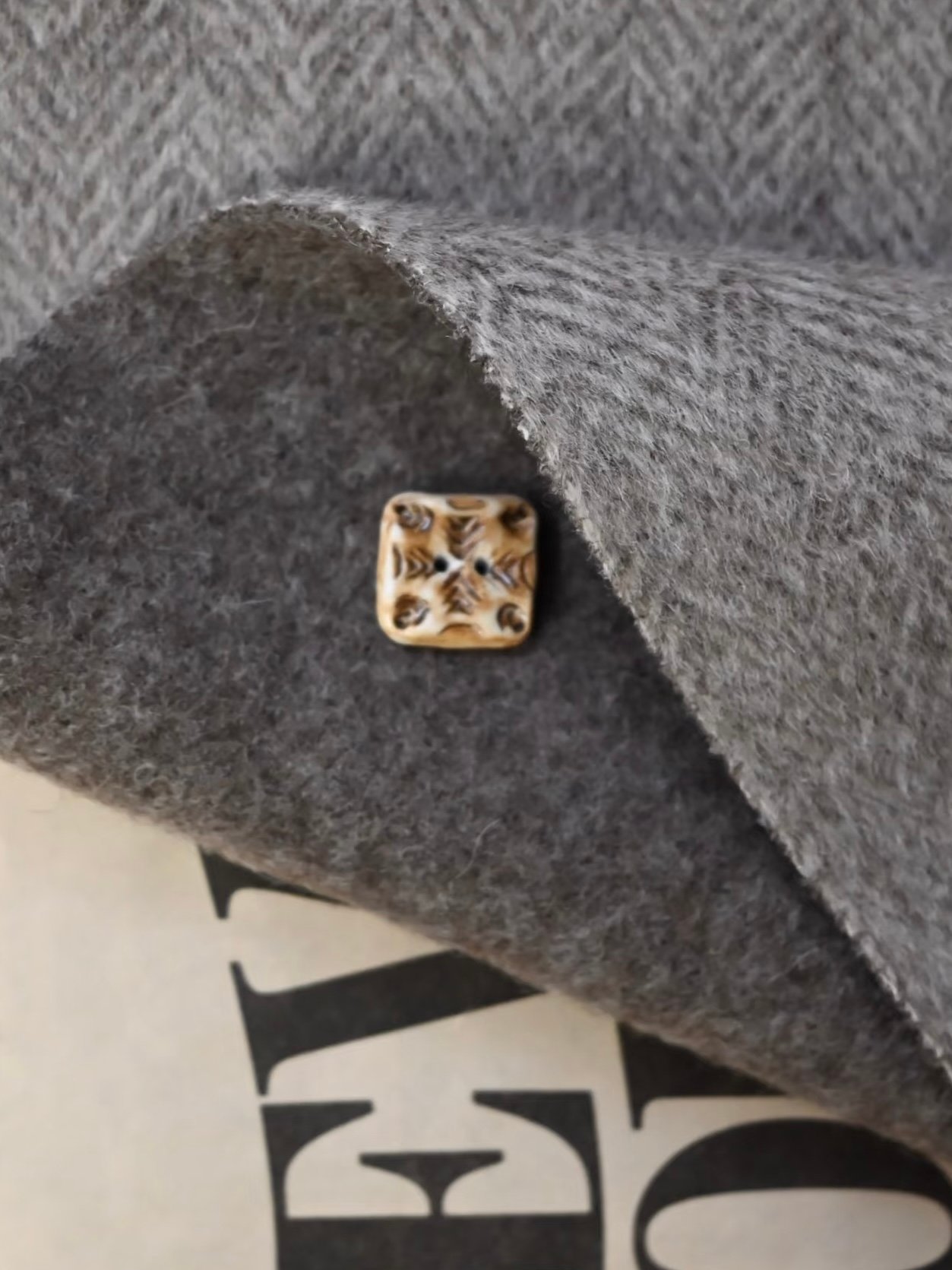
A face mark, a direction mark and an approved cutting plan answer different questions and should travel with the roll.
Procurement guidance, not a machine setting or laboratory result
Solve the buying question in front of you
Compare identified material in the intended face and orientation before cutting. Confirm whether the programme requires a directional layout, which direction is approved and how that instruction reaches marker planning and cutting. Keep roll identity and shade control separate from direction control. Do not promise a universal consumption percentage or assume all wool fabrics have the same nap behaviour; use the actual article, approved appearance and marker basis.
Establish what the directional requirement means
Ask whether the concern is raised surface, visible sheen, directional design or an observed difference between rotated panels. The word nap can be used broadly in cutting communication, so describe the actual effect on this article. A fabric name alone does not decide the layout. Retain an identified reference and ask the buyer and garment team to approve the intended appearance rather than relying on an assumed convention.
Separate face, grain direction, print direction and the orientation used for the approved appearance. These labels are related but not interchangeable. A piece can follow one instruction while violating another. The cutting record should show what each mark means and who supplied it, so a later operator does not interpret an unexplained arrow as permission to rotate every pattern piece.
Compare orientation before the marker is released
Use the actual fabric revision and a shared observation procedure to compare the intended panel arrangements. Record face, roll reference, direction, viewing conditions and the buyer's decision. If a rotated comparison is used, identify the pieces before moving them and retain the arrangement record. Do not use camera exposure differences as the sole evidence that two panels do or do not match.
The comparison needs to answer the intended garment appearance, not every possible orientation in isolation. Ask which components must share the approved direction and whether any intentional contrast exists in the design. Record an exception specifically rather than letting it become a general permission. Where the appearance cannot yet be assessed representatively, keep the marker decision pending or define the remaining authorised review.
Preserve roll identity independently of direction
Keep article, colour, finish, lot and roll with each cut. Two pieces in the same direction may still come from different shade groups; two pieces from one roll may still be oriented differently. Do not let a direction check replace the bulk shade and inspection plan. The trace record should let a reviewer reconstruct both the material source and the orientation used in the garment.
Mark using the agreed handling procedure outside areas that affect the finished appearance. Confirm how marks survive spreading, cutting, bundling and any subcontracted operation. A correct instruction that disappears before assembly is not an effective control. Record who transfers the identity when labels or packaging change, and keep unclear material segregated for review rather than assigning a direction by guesswork.
Make marker assumptions commercially visible
Ask the marker team to identify the approved width basis, size ratio, pattern revision and directional constraints used for the consumption estimate. A two-way layout and a directional layout are not comparable quotations unless the assumptions are disclosed. Do not apply a generic percentage increase taken from another style. The actual marker and garment requirements determine the project's material planning basis.
Keep usable width, defects, matching needs and trial status visible alongside orientation. A supplier's nominal width is not automatically the cutting width available in the received roll. If the buyer changes direction requirements after material is ordered, show the revised assumptions and review the resulting purchase quantity and delivery dependency. Label estimates as estimates until the relevant marker and material evidence is confirmed.
Check paired panels before assembly multiplies the issue
Agree a stage where the team can inspect relevant paired components with their identity intact. Define the viewing arrangement and decision owner. The purpose is to catch an orientation or source mismatch before it is spread through assembly, not to impose a universal sampling plan. The garment maker and buyer should establish a plan appropriate to the order and the actual risk being controlled.
If a mismatch appears, preserve the component labels and records before moving or replacing pieces. Compare direction, face and source separately. Avoid declaring the whole fabric lot defective from an assembled photograph with no bundle history. A missing trace record is itself a gap that needs resolution; it does not prove either that the mill supplied inconsistent colour or that the cutter necessarily rotated a piece.
Write the inquiry around the article and garment
Include composition declaration, construction, finish, colour, intended garment, approved sample and observed directional requirement. State whether the request is material development, bulk supply, a comparison sample or clarification of a cutting instruction. Ask what sample stage is available and what remains unverified. Do not borrow another fabric's appearance or cutting yield as evidence for this article.
Allot Tech can coordinate material and commercial information within the confirmed supply scope. The quotation should identify sample responsibilities, width basis, order assumptions and any pending garment review. It should not claim to guarantee a factory's cutting consumption without the pattern and marker basis. The useful commitment is the material and evidence actually confirmed by the parties.
Retain approval for replenishment and later claims
Keep the face and direction reference, actual roll identity, marker revision, component checks and signed decision together. Define which changes require renewed approval, including a finish or article revision and any changed garment arrangement. A later order with the same colour name may still require comparison with the retained appearance reference and the stated scope of the earlier approval.
If a claim arises, review the original article and component evidence without rewriting the prior decision. Preserve what was agreed and what was not tested. This page provides a procurement and cutting-information framework rather than a promise that any particular layout will be acceptable. A traceable record allows the responsible teams to decide the actual material and garment question instead of arguing over an unidentified swatch.
Evidence and decision matrix
| Control | Evidence | Decision |
|---|---|---|
| Face identity | Marked reference and article revision | Which surface is intended? |
| Direction | Approved arrangement and viewing record | Which pieces share the instruction? |
| Source | Lot, roll and bundle identity | Was shade control retained? |
| Consumption | Marker, width and size-ratio assumptions | What quantity basis is confirmed? |
Worked review scenario
Hypothetical review: matching roll, mismatching coat panels
Two panels from material carrying the same colour name look different in an assembly. The team retains bundle labels and compares face, direction and roll source independently. It checks the approved arrangement before deciding whether the problem concerns orientation, source grouping or an unresolved material question. The example explains evidence handling and does not report a customer result.
Prepare the request
Fabric
Article, colour, construction, finish, lot, roll and approved reference.
Garment
Pattern, components, intended appearance and directional requirement.
Planning
Usable width, marker revision, size ratio and consumption assumptions.
Release
Comparison procedure, cut-stage checks, exceptions and decision owner.
Technical reference and its limits
External technical references explain the context. They do not certify an Allot Tech machine or fabric, and their proprietary capabilities are not part of a quotation unless expressly confirmed.
Buyer questions
Does every wool fabric require the same direction?
Do not assume that. Review the actual article and approved appearance requirement.
Does correct direction prove matching shade?
No. Material source and shade control remain separate records.
Is there a fixed extra consumption percentage?
Use the actual marker, width and garment assumptions rather than a universal figure.
Can a panel photo establish who caused the mismatch?
Retain physical components and trace records before drawing a conclusion.
Discuss the project
Send the available documents and the decision that needs review.