
Fabric quality & purchasing
Fabric Usable Width & Cutting Yield
A lower price per metre can buy less usable fabric. Compare width, usable length and cutting requirements on the same basis before selecting a bulk offer.
Published by Allot Tech. Project contact: founder Mr Kcal. Final engineering, performance, materials, compliance, manufacturing responsibility and commercial terms must be confirmed for the selected resource and signed project scope.
Updated September 14, 2026
Direct answer
Compare usable area first, then validate the garment marker.
Fabric usable width is the width available for the agreed cutting purpose, with the treatment of selvedges and unusable edge zones defined. It can differ from the full width quoted by a supplier. For a basic area comparison, divide price per linear metre by usable width in metres to obtain price per usable square metre. This does not calculate garment cost: marker efficiency, nap direction, pattern matching, size mix, defects and shrinkage allowances can change consumption. Use the area comparison to screen quotations, then confirm the actual garment marker with the cutting team.
Project definition
Start with the complete decision basis.
A lower price per metre can buy less usable fabric. Compare width, usable length and cutting requirements on the same basis before selecting a bulk offer.
Width definition
Full width, usable width, excluded selvedges, edge zones, measurement condition and minimum agreed width.
Roll quantity
Measured length, unusable sections, joins, lot and roll identity, and the basis used for invoicing.
Garment marker
Pattern pieces, size mix, nap or one-way cutting, repeat matching and accepted cutting tolerances.
Comparison basis
Currency, unit price, freight boundary, usable area, development stage and clearly labeled allowances.
System or development path
Build a review sequence with named records and decision owners.
Normalize units
Convert centimetres to metres and state whether the quotation is per metre, yard, kilogram or area.
Confirm usable dimensions
Measure under the agreed method and keep full width separate from the minimum cutting width.
Screen cost per area
Compare price per linear metre divided by usable width, with the same cost boundary.
Validate garment consumption
Have the cutting team test the actual marker and account for direction, matching and rejected sections.
Quotation comparison
Agree the comparison basis before sampling or ordering.
| Decision area | Buyer should provide | Proposal should clarify |
|---|---|---|
| Width promise | Minimum usable width and measurement basis. | Roll-level observations instead of only a nominal catalogue width. |
| Quantity basis | Length, unit and excluded sections. | Measured usable quantity tied to roll identity. |
| Cost comparison | Price per metre and usable width. | Transparent area calculation with labeled assumptions. |
| Garment yield | Actual marker and construction constraints. | Trial consumption and allowance approval. |
Buyer working matrix
Compare usable area first, then validate the garment marker.
Illustrative prices use unspecified currency units and are not Allot Tech offers or market estimates.
| Example | Calculation | Meaning |
|---|---|---|
| Offer A | 8.40 / 1.40 = 6.00 per square metre | Lower metre price |
| Offer B | 8.70 / 1.50 = 5.80 per square metre | Lower usable-area price |
| 100 m of A | 100 x 1.40 = 140 square metres | Area before length defects and cutting constraints |
| Garment decision | Run the real marker for both widths | Area alone does not establish consumption |
Solve the next project problem
Close these proposal gaps before price becomes the decision.
Use the brief below to turn a vague supplier conversation into questions that can be answered and documented.
Make this decision comparable.
Send: Minimum usable width and measurement basis.
Require: Roll-level observations instead of only a nominal catalogue width.
Make this decision comparable.
Send: Length, unit and excluded sections.
Require: Measured usable quantity tied to roll identity.
Make this decision comparable.
Send: Price per metre and usable width.
Require: Transparent area calculation with labeled assumptions.
Send the garment use, reference swatch or images, finished specification, color plan, quantity, destination and required date. The Allot Tech Project Desk can help organize the first comparison.
Decision evidence
Keep project evidence connected to each approval and release decision.
Evidence should be identified before the order or approval stage so both sides know what will support the next decision.
Approved physical standard
Keep an identified swatch or garment reference with the approved face, color, surface and handfeel direction.
Finished specification
Record composition, weight, usable width, construction or article, finish, color and agreed tolerance basis.
Development and approval trail
Link submissions, comments, changes, test requirements and final approval status to the order.
Bulk follow-through record
Keep lot and roll identity, shade information, inspection findings, packing and release decisions traceable.
Worked example: compare the area that can actually be used
Illustration only: Offer A costs 8.40 currency units per linear metre at 1.40 m usable width, so its area cost is 6.00 per usable square metre. Offer B costs 8.70 per metre at 1.50 m usable width, giving 5.80 per usable square metre. B has the higher metre price but the lower area price. This is not a supplier quotation and does not predict garment savings; the wider option still needs to work with the actual marker.
- Offer A: 8.40 / 1.40 = 6.00
- Offer B: 8.70 / 1.50 = 5.80
- Confirm identical cost boundaries
Area is not the same as cuttable garment output
A wider fabric may allow a better arrangement of pattern pieces, but one-way nap, large checks or the size assortment may reduce that advantage. Defect positions can also interrupt otherwise usable length. Use the cutting-room marker for garment consumption and keep rejected panels or matching allowances distinct from a generic percentage applied to every style.
- Review one-way cutting requirements
- Use the real size mix
- Record defect placement and unusable sections
Specify what happens when a roll is too narrow
The purchase specification should state how usable width is checked and what the parties do when a roll falls outside the agreed range. Options need explicit approval and may involve segregation, another marker, replacement or a commercial adjustment. Avoid beginning cutting before the garment team understands the effect, because consumed material is harder to investigate.
- Keep suspect rolls identifiable
- Record minimum and variation
- Obtain a disposition before cutting
Decision gates
Move forward when the next commitment has enough written evidence.
Project stages overlap, but each commercial commitment should have a visible basis, named approvers and a list of unresolved items.
Development basis approved
The garment use, signed physical reference, written specification, color and requested sample stage describe the same fabric direction.
Bulk standard released
The accepted sample, measurable tolerances, required tests, quantity, lot plan and approved changes are recorded before production.
Shipment evidence accepted
Roll and lot identity, shade grouping, inspection or test findings, packing and authorized disposition support release.
Before requesting a proposal
Build one brief that every resource can answer on the same basis.
This page is designed to help an international buyer prepare a clearer discussion, not to replace the responsible resource’s engineering or the buyer’s professional review.
Garment
End use, season, silhouette, market and construction priorities.
Reference
Physical swatch or garment, marked face, color and attributes to match.
Specification
Composition, finished weight, usable width, construction, finish and tolerances.
Development
Sample type, meters, colors, approval stages and decision dates.
Bulk plan
Quantity, inspection, testing, packing, destination and delivery window.
Allot Tech organized recurring buyer questions, project-scoping patterns, available catalog inputs and specialist-resource context into a decision sequence. No customer case, certification, output guarantee or factory ownership is implied unless separately verified for the named project.
Reference basis
Primary and specialist sources used to frame the buyer questions.
These sources support definitions and planning context. The current edition, local requirements and project-specific acceptance criteria still need confirmation by the responsible parties.
- ASTM D3774-18(2024)
Official scope for measuring textile width and usable width. The costing examples are original hypothetical calculations.
Specialist textile context
Connect fabric development with weaving and finishing.
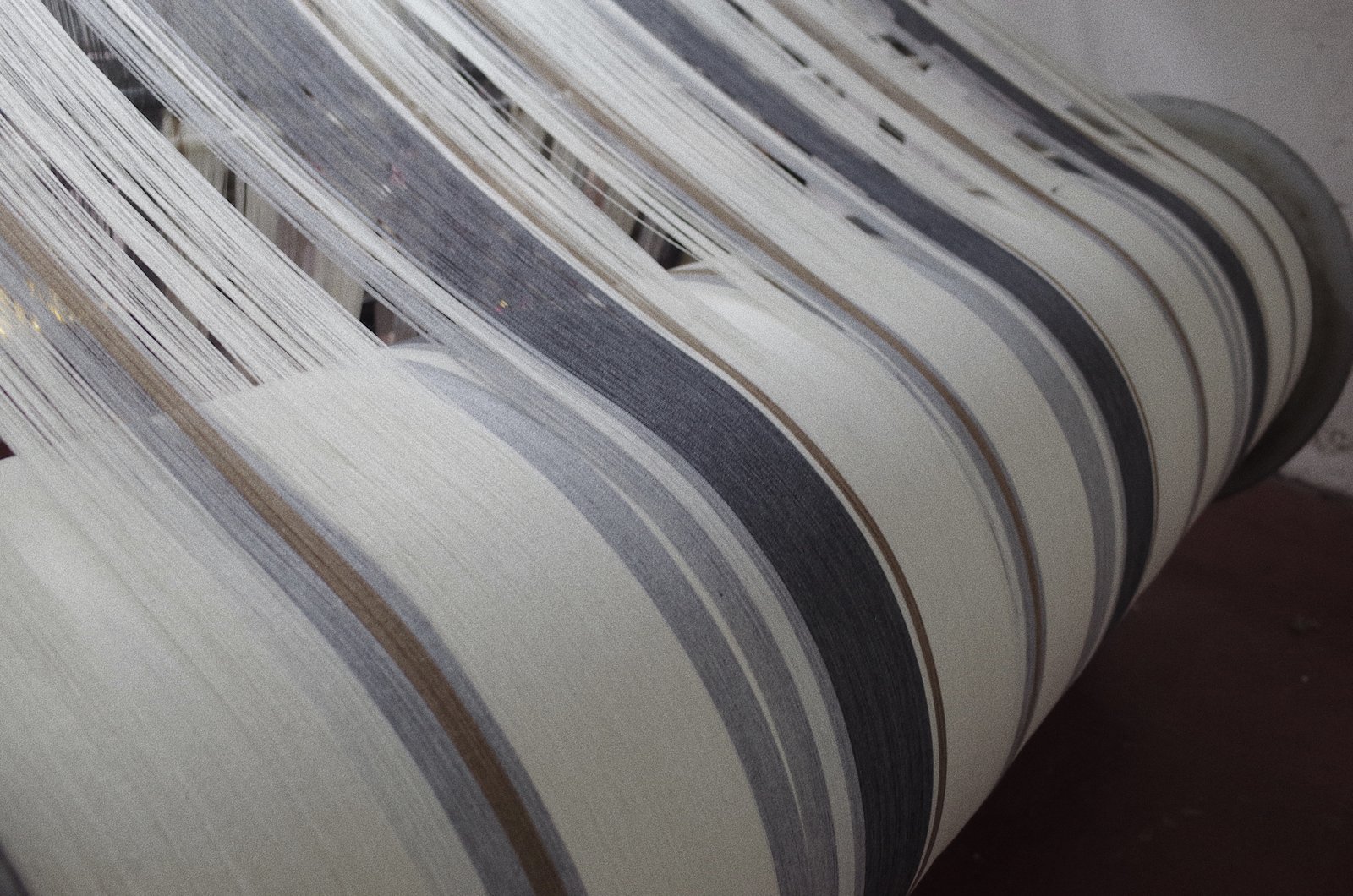
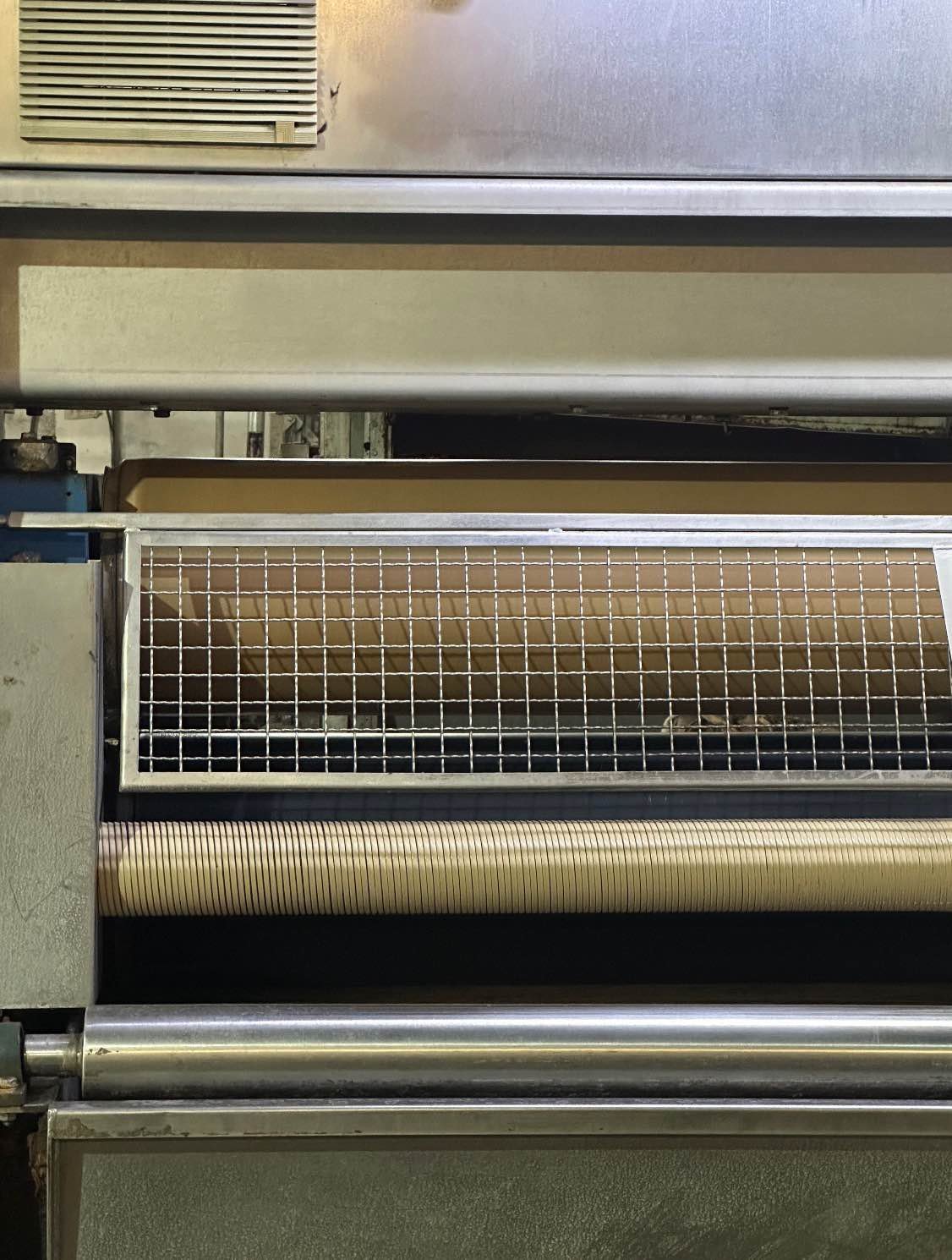
These production images are from Fred Textile, the connected specialist textile resource represented across the Allot Tech textile program.
Buyer questions
Frequently asked questions
Is quoted width normally the usable width?
Not necessarily. Confirm whether the stated width includes selvedges and how usable width is defined and measured.
Can cost per square metre select the cheapest garment fabric?
It is only an initial comparison. Actual garment cost also depends on marker efficiency, defects, pattern matching, handling and other order costs.
Should shrinkage be subtracted from width automatically?
Use the agreed fabric condition and garment process. Any shrinkage allowance must follow the actual test and cutting plan rather than a generic deduction.
Project discussion
Discuss This Fabric Program
Send the garment use, reference swatch or images, finished specification, color plan, quantity, destination and required date.