
Fabric schedule planning
Fabric Order Lead Time Critical Path
Build the order schedule from real approvals, material readiness, production steps, testing and shipment dependencies instead of one unsupported delivery promise.

Published by Allot Tech. Project contact: founder Mr Kcal. Final engineering, performance, materials, compliance, manufacturing responsibility and commercial terms must be confirmed for the selected resource and signed project scope.
Updated September 3, 2026Direct answer
Fabric lead time is a dependency chain, not one number that applies to every order.
Plan fabric order lead time by mapping the gates that must finish before the next dependent task can start. Typical gates include technical brief confirmation, sample or quality approval, lab dip and color approval, raw-material or yarn readiness, weaving or knitting, dyeing, finishing, testing, bulk inspection, packing and shipment release. Record the owner, prerequisite, planned submission, buyer review allowance, resubmission path and evidence for each gate. Use supplier-confirmed dates for the actual article, quantity, color count and material status. Do not publish a generic number as a promise for every fabric.
Project definition
Start with the complete decision basis.
A requested ship date can fail before production begins if the approved reference is unclear, colors remain open, special yarn is not committed or test requirements arrive late. The critical path shows which unresolved approval or material decision currently controls the schedule. It also distinguishes production time from buyer review, transport, customs and garment-factory preparation.
Order basis
Article, construction, composition, finish, colors, quantity, roll requirements, destination and requested delivery point.
Approval map
Quality sample, lab dip, handloom or trial, shade band, test requirement, approver and response allowance.
Material status
Stock or special fiber/yarn, dye availability, subcontracted processes, minimums and reservation decision.
Delivery boundary
Required ship or arrival event, Incoterms rule and named place, booking responsibilities, documents and buyer dependencies.
System or development path
Build the fabric schedule from controlled prerequisites.
Freeze the order brief
Confirm article, construction, composition, finish, quantity, colors, tests, packing and destination.
Approve quality direction
Identify the governing sample and close handfeel, surface, weight, width and construction questions.
Approve color
Plan lab dips, review conditions, resubmissions and the point at which bulk dyeing can be released.
Secure material and capacity
Confirm yarn or fiber status, special sourcing, weaving slot and external process dependencies.
Produce and finish bulk
Track weaving or knitting, dyeing, finishing, lot identity and controlled changes.
Test, inspect and release
Complete agreed testing, shade grouping, roll inspection, packing, documentation and shipment authorization.
Quotation comparison
Ask for a schedule that shows prerequisites and owners.
| Decision area | Buyer should provide | Proposal should clarify |
|---|---|---|
| Approval gate | Required sample, decision owner and response allowance. | Submission date, revision, result, comments and whether production can proceed. |
| Material readiness | Article, quantity, colors and any special material requirement. | Stock/reservation status, procurement dependency and date needed to protect the plan. |
| Production sequence | Construction, dye route, finish and testing needs. | Operations, external dependencies, planned windows and current constraint. |
| Change control | Who may request or approve a change after release. | Schedule and quality impact assessment before the revised instruction is accepted. |
| Delivery event | Ship, handover or arrival requirement with named place. | Packing, inspection, booking, documents and responsibilities tied to the selected trade term. |
Buyer working matrix
Use this critical-path matrix to expose schedule dependencies.
Do not fill the duration column from a generic web article. Ask the responsible resource to confirm dates for the actual article, material status, quantity, colors, processes and capacity.
| Milestone | Must be ready first | Evidence to close the gate | Schedule question |
|---|---|---|---|
| Technical brief release | End use, article direction, specification, quantity, tests and destination | Controlled inquiry or order specification | Which missing input prevents a reliable plan? |
| Quality sample approval | Representative construction, finish, weight, width and handfeel direction | Identified signed sample and comments closed | Can material or production be reserved before this approval? |
| Color approval | Color standard, substrate/quality and evaluation condition | Approved lab dip or color standard by code and date | How many submission cycles are allowed in the plan? |
| Material and capacity commitment | Approved basis, commercial release and special yarn/fiber status | Reservation or purchase confirmation and production slot | Which item is long-lead or externally dependent? |
| Bulk production and finishing | Materials, approved quality/color and controlled work instructions | Lot records, production status and change log | Which operation currently controls completion? |
| Testing and roll inspection | Finished bulk, agreed methods, sampling and acceptance criteria | Test reports, roll maps, shade groups and disposition | Can failed or open evidence be corrected before packing? |
| Packing and shipment release | Accepted quantity, roll identity, packing rule, booking and documents | Packing list, marks, release and handover record | Does the promised date mean ex-works, handover, sailing or arrival? |
Solve the next project problem
Close these proposal gaps before price becomes the decision.
Use the brief below to turn a vague supplier conversation into questions that can be answered and documented.
Make this decision comparable.
Send: Required sample, decision owner and response allowance.
Require: Submission date, revision, result, comments and whether production can proceed.
Make this decision comparable.
Send: Article, quantity, colors and any special material requirement.
Require: Stock/reservation status, procurement dependency and date needed to protect the plan.
Make this decision comparable.
Send: Construction, dye route, finish and testing needs.
Require: Operations, external dependencies, planned windows and current constraint.
Send the article or reference, colors, quantity, approved stages, required tests, destination and the milestone date you need the responsible resource to confirm. The Allot Tech Project Desk can help organize the first comparison.
Decision evidence
Keep project evidence connected to each approval and release decision.
Evidence should be identified before the order or approval stage so both sides know what will support the next decision.
Approved physical standard
Keep an identified swatch or garment reference with the approved face, color, surface and handfeel direction.
Finished specification
Record composition, weight, usable width, construction or article, finish, color and agreed tolerance basis.
Development and approval trail
Link submissions, comments, changes, test requirements and final approval status to the order.
Bulk follow-through record
Keep lot and roll identity, shade information, inspection findings, packing and release decisions traceable.
Name the date event precisely
“Delivery date” can mean factory completion, inspection release, carrier handover, vessel departure or arrival. Put the event, named place and responsible party beside the date so schedule discussions do not compare different milestones.
- Define the date event and named place
- Separate production from transport
- Show buyer and supplier dependencies
Protect approvals with response rules
A supplier schedule cannot absorb unlimited buyer review time or repeated color and quality changes invisibly. Record submission dates, review allowances, consolidated comments and what happens when an approval is rejected or delayed.
- Name the approver
- Consolidate comments by revision
- Assess impact before accepting a change
Update the controlling constraint
A critical path is not static. Once color is approved, special yarn, finishing capacity, testing or booking may become the constraint. Update the schedule from current evidence rather than continuing to report an obsolete reason.
- Track the current controlling milestone
- Record actual closure evidence
- Escalate decisions before float is consumed
Decision gates
Move forward when the next commitment has enough written evidence.
Project stages overlap, but each commercial commitment should have a visible basis, named approvers and a list of unresolved items.
Development basis approved
The garment use, signed physical reference, written specification, color and requested sample stage describe the same fabric direction.
Bulk standard released
The accepted sample, measurable tolerances, required tests, quantity, lot plan and approved changes are recorded before production.
Shipment evidence accepted
Roll and lot identity, shade grouping, inspection or test findings, packing and authorized disposition support release.
Before requesting a proposal
Build one brief that every resource can answer on the same basis.
This page is designed to help an international buyer prepare a clearer discussion, not to replace the responsible resource’s engineering or the buyer’s professional review.
Garment
End use, season, silhouette, market and construction priorities.
Reference
Physical swatch or garment, marked face, color and attributes to match.
Specification
Composition, finished weight, usable width, construction, finish and tolerances.
Development
Sample type, meters, colors, approval stages and decision dates.
Bulk plan
Quantity, inspection, testing, packing, destination and delivery window.
Allot Tech organized recurring buyer questions, project-scoping patterns, available catalog inputs and specialist-resource context into a decision sequence. No customer case, certification, output guarantee or factory ownership is implied unless separately verified for the named project.
Reference basis
Primary and specialist sources used to frame the buyer questions.
These sources support definitions and planning context. The current edition, local requirements and project-specific acceptance criteria still need confirmation by the responsible parties.
- ICC Incoterms 2020 – Official trade rules overview
Helps distinguish delivery, risk, cost and responsibility events when defining the schedule boundary and named place.
Specialist textile context
Connect fabric development with weaving and finishing.
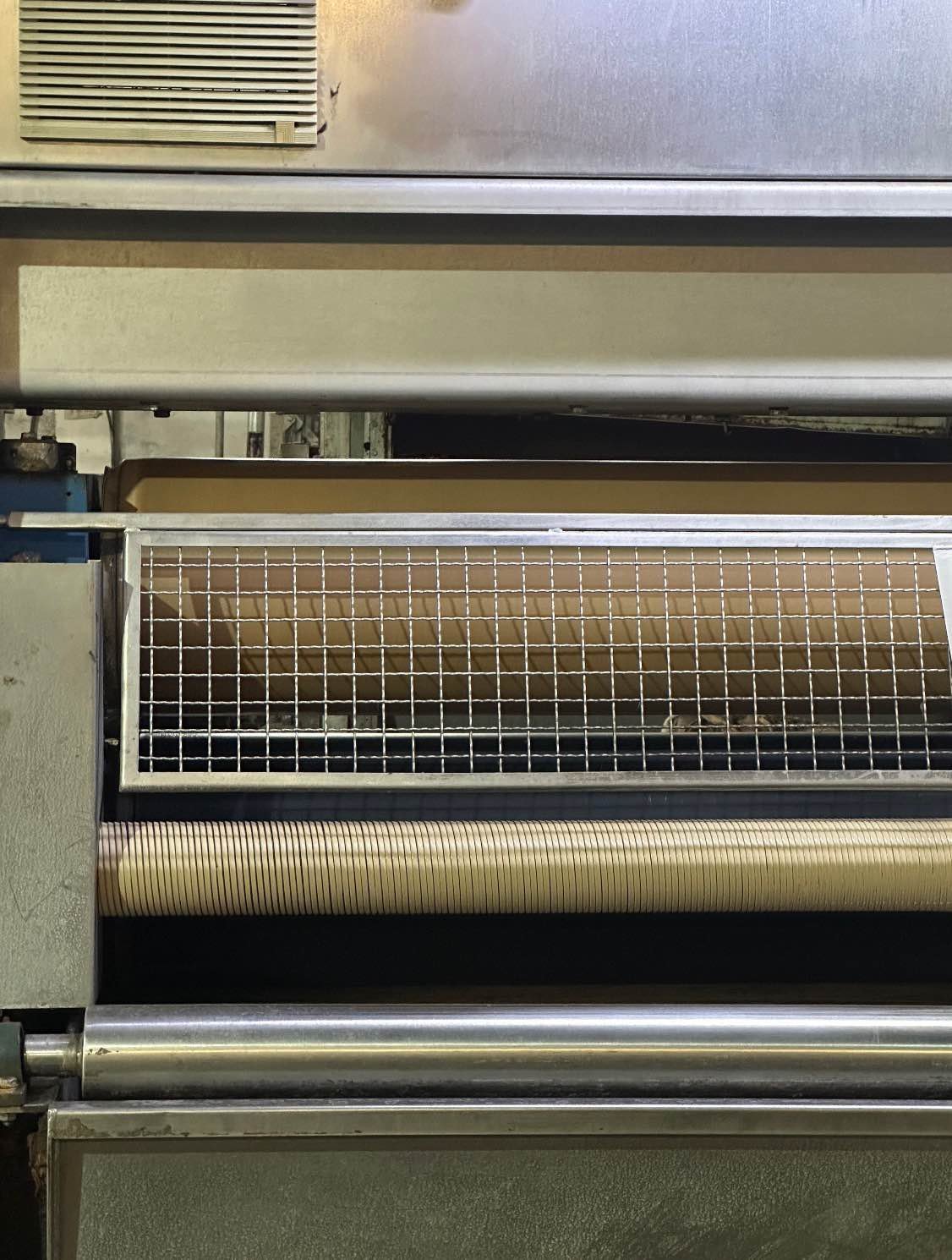
These production images are from Fred Textile, the connected specialist textile resource represented across the Allot Tech textile program.
Buyer questions
Frequently asked questions
How long does a fabric order take?
There is no responsible universal answer. Construction, material status, quantity, color count, sample and lab-dip cycles, finishing, testing, inspection, capacity and delivery boundary all affect the confirmed schedule.
What usually delays a fabric order before production?
Common planning risks include an incomplete specification, unclear approved sample, open colors, special material, unconfirmed test requirements, unresolved quantity or commercial release. Actual causes must be confirmed for the order.
Should the buyer include review time?
Yes. Name approvers, expected response allowance and resubmission logic. A schedule that assumes instant approval is not a useful management plan.
How should changes after approval be handled?
Record the requested change, reason, affected article or color, quality and schedule impact, commercial effect and authorized decision before revised work proceeds.
Project discussion
Plan a Fabric Order Critical Path
Send the article or reference, colors, quantity, approved stages, required tests, destination and the milestone date you need the responsible resource to confirm.