
Beverage engineering guide
PET Preform and Bottle Specification for a Bottling Line
Connect the purchased preform, finished bottle, closure and blow-molding setup through one approved package specification.
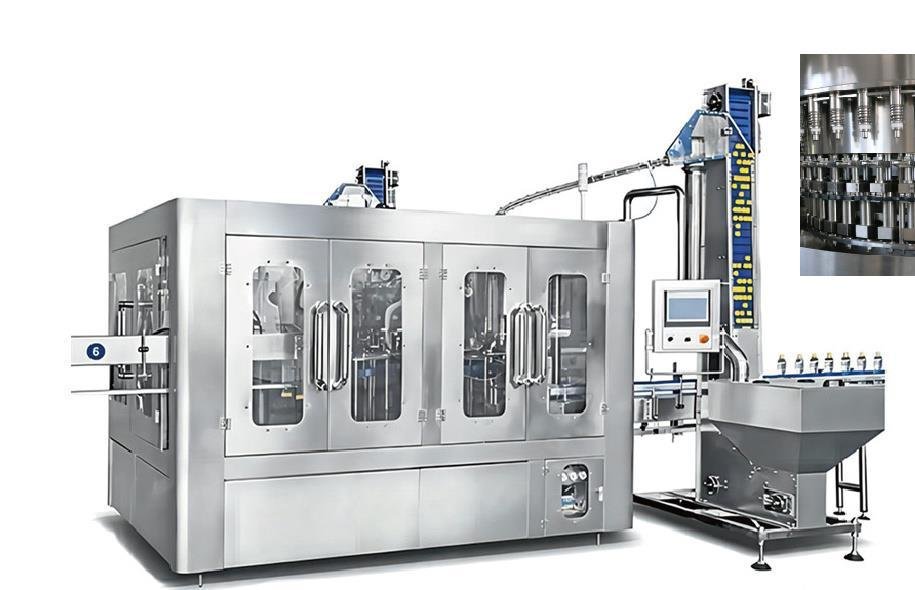
Use this guide to prepare a reviewable request. Confirm the selected article or equipment, test basis and responsibilities in the project scope.
Updated October 7, 2026Direct answer
Specify the preform and the finished bottle together.
A PET preform specification needs more than weight and nominal bottle volume. Identify the supplier article, neck finish, drawing revision, material declaration and intended bottle, then confirm compatibility with the blow molder, mold, closure and downstream handling. Qualify samples through bottle formation, filling, closing and the intended distribution conditions. There is no single preform weight that this guide can recommend for every bottle, beverage or line.
Keep separate, linked records for the preform and bottle.
The preform record should identify the article and supplier, nominal mass and agreed tolerance, neck and thread drawing, dimensions relevant to handling and heating, color and the material declaration requested for the destination and application. If recycled content is required, obtain the supplier’s documented basis; appearance does not verify content or food-contact suitability.
The bottle record should identify nominal and overflow volume on the agreed measurement basis, drawing revision, body and base geometry, label panel, neck finish and the intended closure. Mark which dimensions are functional for conveyors, star wheels, guides and filling or capping equipment. An approved bottle drawing and physical samples help different suppliers discuss the same package rather than similar-looking bottles.
Resolve neck, mold and transfer compatibility before bulk supply.
Have the equipment and packaging parties review the selected preform against the actual blowing setup and mold. Confirm the required format parts and their owner, including feeding and transfer arrangements. A nominally matching neck description is not sufficient: use the applicable drawings, closure specification and tolerances.
Review the finished bottle at the filling and capping interfaces as well. Bottle stability, support points, transfer clearances and closure application affect line behavior. A lighter package can change these interactions, so compare a proposed revision against the approved baseline in the intended process. Do not treat a successful hand-filled bottle as a complete production-line qualification.
Approve a repeatable qualification record, then control changes.
Name the preform lot, mold and cavity identity where available, machine setup, bottle samples, beverage and closure used for the trial. Agree the evaluations relevant to this package: dimensional checks, fill and closure behavior, leakage, stability and handling, plus the distribution or storage conditions specified by the responsible packaging specialist. Test criteria and methods should be set for the actual product, not borrowed from a different bottle.
Retain approved samples and record results, exceptions and release status. A change in preform source, article, material, mass, neck, bottle geometry, mold or process should trigger a defined review. The parties can decide which checks need repeating from the impact of that change; a purchasing substitution should not silently overwrite the qualified package.
For multiple formats, keep a package register with each bottle, preform and closure combination. Mark approved combinations separately from proposed ones and link them to the required molds and change parts. This makes a later format extension a specific engineering request.
Link each packaging document to the decision it supports.
Drawings and sample identities should remain consistent across all parties.
| Record | Identify explicitly | Decision supported |
|---|---|---|
| Preform article | Supplier, code, revision, mass basis, material and neck drawing. | Procurement and blow-molding compatibility. |
| Finished bottle | Geometry, volume basis, label area, handling dimensions and physical samples. | Mold design and production-line handling. |
| Closure | Supplier article, mating neck, liner or seal arrangement and application requirements. | Capping setup and seal qualification. |
| Qualification report | Trial materials, configuration, methods, results and approval status. | Release of this package and control of later changes. |
Prepare the request
Send the inputs needed to review this requirement.
Product conditions
Beverage family, approved filling process, storage and distribution brief.
Package files
Preform, bottle and closure drawings with article and revision references.
Equipment
Existing or proposed blow molder, mold, filling and capping interfaces.
Supply plan
Formats, quantities, article sources, trial materials and planned changes.
Approval
Named packaging owner, required trial evidence and release decision.
Reference basis
Primary sources for the technical context.
The checklists are Allot Tech procurement guidance. External manufacturer examples do not establish the capabilities of a quoted Allot Tech configuration.
- Sidel: packaging qualification
Manufacturer context for evaluating packaging performance and line handling before a new or converted line. This guide does not offer Sidel’s proprietary services.
Frequently asked questions
What preform weight is needed for a 500 ml bottle?
Bottle volume alone does not determine it. Package design, material, process, handling and distribution requirements must be reviewed and qualified by the responsible parties.
Can the same preform make several bottle shapes?
Potentially, but each proposed bottle and mold combination needs compatibility review and appropriate qualification. Do not infer suitability from volume or neck size alone.
Is a successful blowing trial enough?
It establishes only the tested blowing result. Include the intended filling, closing, handling and product-package evaluations in the approval plan.
Project discussion
Discuss this line requirement
Include the available specifications, samples or files, project stage and destination so the next review can address the actual requirement.