
PET blowing utility design
PET Blow Molding Compressed Air Planning
Treat high-pressure air as part of the bottle-production cell and verify pressure, flow, quality and recovery on the approved bottle basis.
Published by Allot Tech. Project contact: founder Mr Kcal. Final engineering, performance, materials, compliance, manufacturing responsibility and commercial terms must be confirmed for the selected resource and signed project scope.
Updated October 7, 2026Direct answer
The compressed-air package affects bottle quality, output and operating cost.
A PET blowing air system should be sized from the blower supplier demand schedule for each approved bottle and preform, not from a generic pressure number. Separate low-pressure machine air from high-pressure blowing air, then define flow at normal and peak conditions, required air quality and dew point, compressor and booster arrangement, drying and filtration, receiver volume, cooling, piping pressure drop, air recovery, controls and standby philosophy. Require the quotation to state which demand assumptions come from trials and which remain provisional.
Project definition
Start with the complete decision basis.
PET stretch blow molding uses pressure in controlled stages to shape the heated preform. Bottle geometry, preform, cavity count, machine speed and recipe affect instantaneous and average demand. An undersized or unstable system can restrict output or create bottle variation; an oversized system can waste investment and energy. Final pressure and purity requirements must come from the selected equipment and bottle trial, with local safety and food-packaging requirements reviewed by qualified parties.
Bottle and preform set
Approved files, neck, volume, weight, resin or color, cavity arrangement, molds and trial samples.
Demand schedule
Low- and high-pressure flow by format, operating pressure, peak behavior, simultaneous users and expected efficiency.
Air quality basis
Oil, particle and moisture requirements, ambient range, cooling-water condition and local food-packaging expectations.
Utility architecture
Compressor room, piping length, pressure drop, receivers, ventilation, power, recovery, redundancy and maintenance access.
System or development path
Follow the air path from ambient intake to recovered or exhausted air.
Demand model
Build a format-by-format demand table from the selected blower, bottle and stated operating conditions.
Compression stages
Define low-pressure compressor, booster or high-pressure package, controls, turndown and standby arrangement.
Air treatment
Specify aftercooling, separation, drying, filtration, condensate handling and monitoring against the required class.
Storage and piping
Size receivers and headers for peaks, pressure drop, future load, safe isolation and maintenance access.
Recovery and integration
Identify recoverable air pressure and flow, suitable reuse points, controls and conditions that prevent cross-impact.
Measured acceptance
Record pressure, flow, dew point or other agreed quality checks and bottle results at stabilized target output.
Quotation comparison
Compare complete air-system performance at the same bottle output.
| Decision area | Buyer should provide | Proposal should clarify |
|---|---|---|
| Demand basis | Bottle, preform, cavity and output plan. | Flow and pressure by format, diversity, peak conditions and design margin. |
| Equipment arrangement | Power, room and redundancy priorities. | Stages, compressor type, booster, receiver, cooling, controls and standby logic. |
| Air quality | Required purity and moisture basis. | Treatment train, monitoring points, maintenance consumables and responsibility for verification. |
| Energy and recovery | Operating hours and utility-cost inputs. | Specific-power basis, recovery scope, reuse pressure, control sequence and excluded piping. |
| Acceptance | Approved bottle and test conditions. | Measured utilities, stabilized run, bottle checks, alarms, records and open issues. |
Solve the next project problem
Close these proposal gaps before price becomes the decision.
Use the brief below to turn a vague supplier conversation into questions that can be answered and documented.
Make this decision comparable.
Send: Bottle, preform, cavity and output plan.
Require: Flow and pressure by format, diversity, peak conditions and design margin.
Make this decision comparable.
Send: Power, room and redundancy priorities.
Require: Stages, compressor type, booster, receiver, cooling, controls and standby logic.
Make this decision comparable.
Send: Required purity and moisture basis.
Require: Treatment train, monitoring points, maintenance consumables and responsibility for verification.
Send the beverage, package files, required output, factory conditions, destination and current project stage. The Allot Tech Project Desk can help organize the first comparison.
Decision evidence
Connect utility sizing to the approved bottle and measured line condition.
Evidence should be identified before the order or approval stage so both sides know what will support the next decision.
Format demand schedule
List every launch bottle with pressure, flow, cavities, output and source of the stated demand.
Air-system P&ID
Show compressors, treatment, receivers, piping, instruments, drains, recovery, isolation and buyer interfaces.
Energy and control narrative
State loaded, unloaded and standby behavior plus how the system responds to production stops and format changes.
Acceptance record
Capture ambient condition, pressure, flow, air-quality checks, output, bottle observations and corrective actions.
Do not size from pressure alone
Pressure describes one condition, while compressor selection also depends on required flow, duty cycle, ambient conditions, cooling, pressure drop and control range. Use the machine demand schedule and bottle trial as the project basis.
- Separate pressure and flow requirements
- Record normal and peak demand
- Keep provisional bottle assumptions visible
Review recovery as an integrated system
Recovered air can support lower-pressure users when pressure, cleanliness, timing and control are suitable. The supplier should identify realistic reusable flow and the interfaces needed; headline recovery percentages without a load balance are not enough.
- Map reuse points and pressure levels
- Check demand coincidence
- Include controls and fallback behavior
Plan maintenance without stopping the plant unexpectedly
Filters, dryers, drains, cooling and compressor stages need access, consumables and defined service intervals. The buyer should decide whether standby capacity, bypasses or production scheduling provide the required continuity.
- List critical maintenance items
- Define standby and isolation philosophy
- Keep spare and service responsibilities in the quotation
Decision gates
Move forward when the next commitment has enough written evidence.
Project stages overlap, but each commercial commitment should have a visible basis, named approvers and a list of unresolved items.
Engineering basis approved
The product, package, output, equipment boundary, layout, utilities, responsibilities and open assumptions are controlled.
Manufacturing and test basis approved
Drawings, component schedule, test materials, acceptance conditions, documents and planned evidence are agreed.
Delivery and handover released
Punch-list closure, packing, shipment files, site readiness, installation scope, training and support ownership are visible.
Before requesting a proposal
Build one brief that every resource can answer on the same basis.
This page is designed to help an international buyer prepare a clearer discussion, not to replace the responsible resource’s engineering or the buyer’s professional review.
Product
Beverage, process, hygiene, shelf-life and operating conditions.
Package
Container, closure, label, code, finished pack and approved files.
Output
Required rate for a named format, shifts, annual plan and changeovers.
Factory
Measured space, utilities, access, drainage and local site constraints.
Project scope
Equipment boundary, documents, FAT, delivery, startup and destination.
Allot Tech organized recurring buyer questions, project-scoping patterns, available catalog inputs and specialist-resource context into a decision sequence. No customer case, certification, output guarantee or factory ownership is implied unless separately verified for the named project.
Reference basis
Primary and specialist sources used to frame the buyer questions.
These sources support definitions and planning context. The current edition, local requirements and project-specific acceptance criteria still need confirmation by the responsible parties.
- Atlas Copco – PET Blowing High-Pressure Air
Specialist compressor guidance on pressure stability, air quality and production continuity for PET blowing.
- Sidel EvoBLOW Regular
Official equipment context showing that bottle range, preform handling and machine configuration belong in blower selection.
Manufacturing context
Use equipment views to ask more specific project questions.
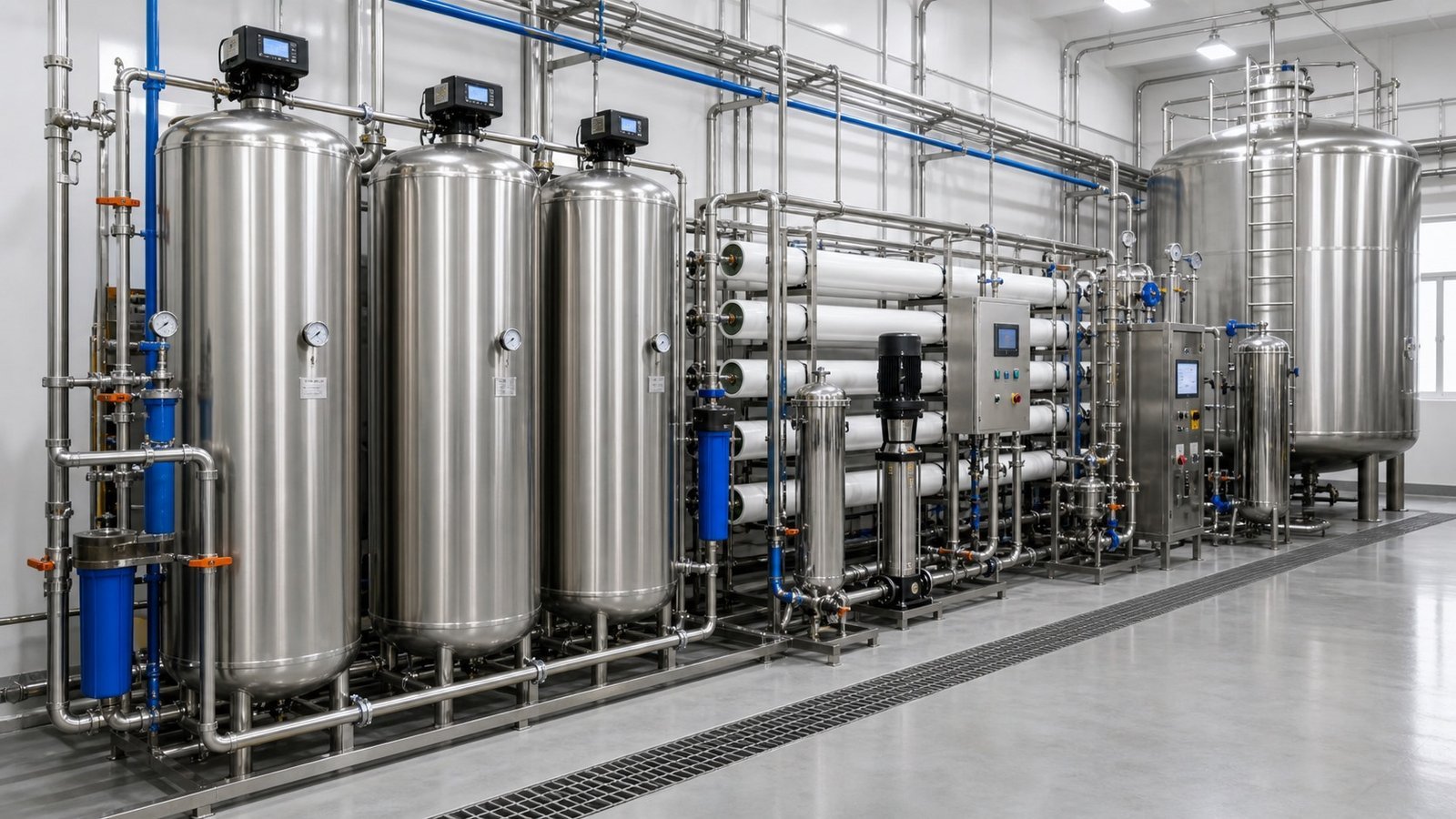
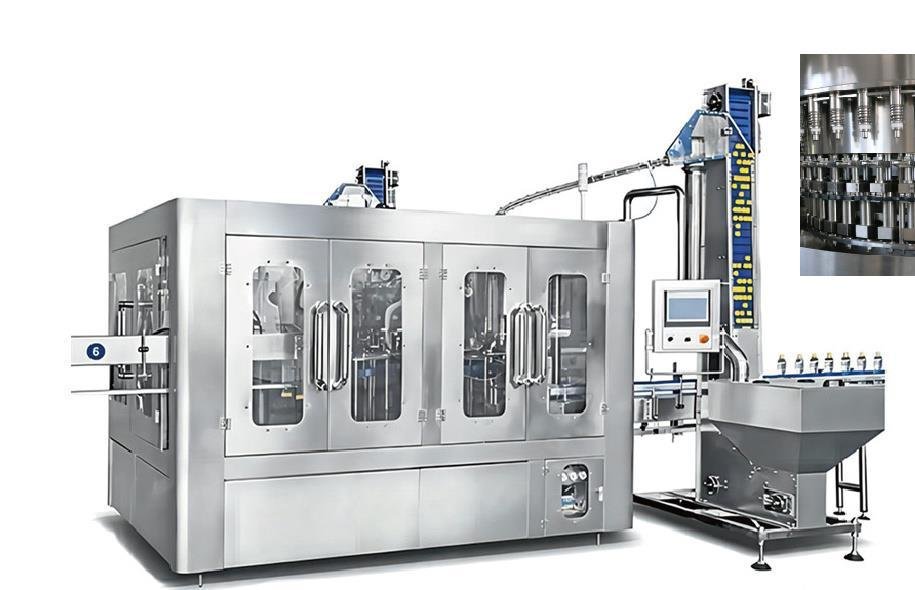
The process illustration supports scope discussion. The XGF equipment image is reproduced from page 9 of the Allot Tech 2026 catalog; use the catalog and project documents to review the applicable configuration.
Buyer questions
Frequently asked questions
How much compressed air does a PET blower need?
Use the selected blower demand schedule for the approved bottle, preform, cavity count and output. A generic value is not reliable enough for final sizing.
Why separate low- and high-pressure air?
Machine actuators and pre-blow functions can use different pressure levels from final blowing. Separation supports correct treatment, control and energy review.
Should air recovery be included?
It should be evaluated against actual recoverable flow and suitable lower-pressure demand. The proposal should state controls, reuse points and expected operating conditions.
What should be checked during acceptance?
Check agreed pressure, flow and quality indicators at stabilized output, then connect the data with bottle dimensions, appearance, rejection and alarms.
Project discussion
Plan a PET Blowing Air System
Send the beverage, package files, required output, factory conditions, destination and current project stage.