
Primary packaging equipment
Rinser Filler Capper Monoblock Selection Guide
Select the monoblock around one approved beverage and package basis, then verify every rinse, fill, closure and transfer assumption in the quotation and test plan.
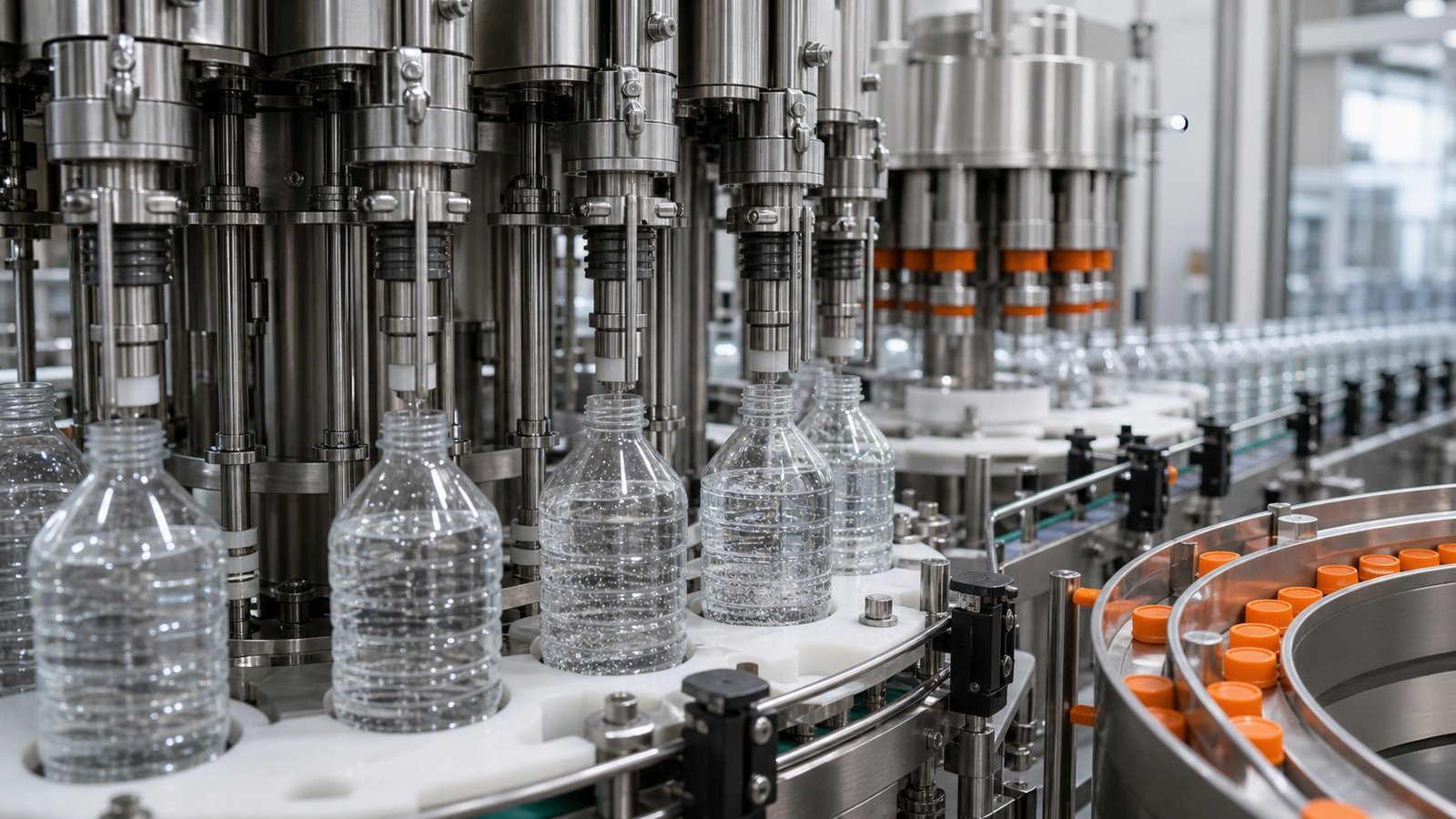
Published by Allot Tech. Project contact: founder Mr Kcal. Final engineering, performance, materials, compliance, manufacturing responsibility and commercial terms must be confirmed for the selected resource and signed project scope.
Updated September 3, 2026Direct answer
Start with the beverage and package, then select the monoblock configuration.
A rinser filler capper monoblock should be quoted for a named beverage, bottle, neck finish, closure, fill temperature and required output, not only by a model number or valve count. Ask each resource to state the rinse treatment, filling principle, product-contact materials, cap feeding and closure verification, container transfer method, included change parts, cleaning boundary, utilities and test basis. A fair comparison uses the same approved bottles, caps and liquid condition and measures accepted closed bottles at the monoblock discharge.
Project definition
Start with the complete decision basis.
Rinsing, filling and capping share one machine frame, but they solve different risks. The rinser protects the empty container path, the filler controls product transfer and fill level or volume, and the capper applies the selected closure without damaging the neck or seal. Bottle stability, product properties, sanitation, cap quality and room conditions can change the suitable configuration. Final engineering and compliance remain with the confirmed manufacturing resource and signed specification.
Beverage condition
Still or carbonated product, ingredients, viscosity, particles, fill temperature, cleaning method and required product-contact standard.
Bottle and neck
Approved drawing and samples, material, volume, neck finish, bottle weight, stability, number of formats and future range.
Closure system
Cap or closure drawing, application method, torque or sealing requirement, tamper feature, feed orientation and approved samples.
Performance basis
Accepted bottles per hour by format, fill tolerance basis, operating pattern, utilities, room conditions and FAT materials.
System or development path
Follow the container from empty-bottle entry to inspected closed-bottle discharge.
Bottle infeed
Confirm air conveyor or conveyor interface, neck handling, transfer pitch, jam control and protection of lightweight bottles.
Rinsing or treatment
Define rinse medium, contact time, drainage, recirculation, no-bottle logic and the boundary for alternative container treatment.
Product feed
Show the product tank, level or pressure control, piping, valves, instrumentation and upstream process connection.
Filling
Match gravity, vacuum, isobaric or other confirmed principle to the product, container, temperature and accuracy requirement.
Closure application
Document cap sterilization if required, elevator and sorter, chute, pickup, application head, reject logic and change parts.
Discharge and checks
Measure accepted closed bottles at the agreed point and record fill, closure, leakage, damage, stops and open issues.
Quotation comparison
Compare monoblock proposals on one controlled product and package basis.
| Decision area | Buyer should provide | Proposal should clarify |
|---|---|---|
| Filling principle | Product properties, fill temperature, carbonation and package. | Why the selected principle fits, tank arrangement, valve design and operating range. |
| Machine configuration | Target output for each launch format. | Rinser grips, filling valves, capping heads, pitch, speed basis and efficiency assumptions. |
| Hygiene boundary | Required cleaning, sanitation and environmental controls. | Product-contact materials, drainability, CIP coverage, rinse path and excluded utilities. |
| Format scope | Approved bottle and closure set. | Included star wheels, guides, cap parts, adjustment range, tools and changeover procedure. |
| Acceptance | Representative bottles, caps, liquid and decision authority. | Run duration, measurements, sampling, critical issues, punch list and shipment release rule. |
Solve the next project problem
Close these proposal gaps before price becomes the decision.
Use the brief below to turn a vague supplier conversation into questions that can be answered and documented.
Make this decision comparable.
Send: Product properties, fill temperature, carbonation and package.
Require: Why the selected principle fits, tank arrangement, valve design and operating range.
Make this decision comparable.
Send: Target output for each launch format.
Require: Rinser grips, filling valves, capping heads, pitch, speed basis and efficiency assumptions.
Make this decision comparable.
Send: Required cleaning, sanitation and environmental controls.
Require: Product-contact materials, drainability, CIP coverage, rinse path and excluded utilities.
Send the beverage, package files, required output, factory conditions, destination and current project stage. The Allot Tech Project Desk can help organize the first comparison.
Decision evidence
Release the monoblock against package-specific engineering and test evidence.
Evidence should be identified before the order or approval stage so both sides know what will support the next decision.
Approved package schedule
Connect every bottle, neck and closure revision to the included transfer and capping parts.
Product-contact and cleaning record
List materials, seals, piping, tank, valves, CIP coverage, rinse circuit and buyer-supplied connections.
Performance protocol
Name the tested format, liquid condition, output point, run duration, fill and closure checks and allowable stops.
Punch-list closure
Keep each issue, owner, evidence, retest method, due date and effect on shipment release visible.
Do not select from valve count alone
A larger valve count can support higher nominal speed, but actual output also depends on bottle pitch, filling time, product behavior, closure feed, transfers and operating efficiency. Require the resource to explain the rated basis for each approved format and where accepted output is counted.
- Compare the same beverage and bottle
- Record rated and accepted output separately
- Check capper and transfer capacity with the filler
Define the cleaning boundary in writing
The monoblock quotation should distinguish automatic cleaning circuits from manual cleaning points and buyer-supplied process systems. Review product-contact geometry, return paths, valve actuation, chemical and temperature assumptions, drainability and any components that must be removed.
- Mark every CIP supply and return connection
- Identify manually cleaned parts
- Confirm seals and materials for the agreed cleaning regime
Use real launch materials for FAT
A dry run or water test can prove motion but may not represent foaming, carbonation, viscosity, temperature or closure quality. Agree what can be tested at the manufacturing site, what remains site-dependent and which evidence is required before shipment.
- Reserve enough approved bottles and caps
- Control test-liquid conditions
- Transfer site-only checks into the commissioning plan
Decision gates
Move forward when the next commitment has enough written evidence.
Project stages overlap, but each commercial commitment should have a visible basis, named approvers and a list of unresolved items.
Engineering basis approved
The product, package, output, equipment boundary, layout, utilities, responsibilities and open assumptions are controlled.
Manufacturing and test basis approved
Drawings, component schedule, test materials, acceptance conditions, documents and planned evidence are agreed.
Delivery and handover released
Punch-list closure, packing, shipment files, site readiness, installation scope, training and support ownership are visible.
Before requesting a proposal
Build one brief that every resource can answer on the same basis.
This page is designed to help an international buyer prepare a clearer discussion, not to replace the responsible resource’s engineering or the buyer’s professional review.
Product
Beverage, process, hygiene, shelf-life and operating conditions.
Package
Container, closure, label, code, finished pack and approved files.
Output
Required rate for a named format, shifts, annual plan and changeovers.
Factory
Measured space, utilities, access, drainage and local site constraints.
Project scope
Equipment boundary, documents, FAT, delivery, startup and destination.
Allot Tech organized recurring buyer questions, project-scoping patterns, available catalog inputs and specialist-resource context into a decision sequence. No customer case, certification, output guarantee or factory ownership is implied unless separately verified for the named project.
Manufacturing context
Use equipment views to ask more specific project questions.
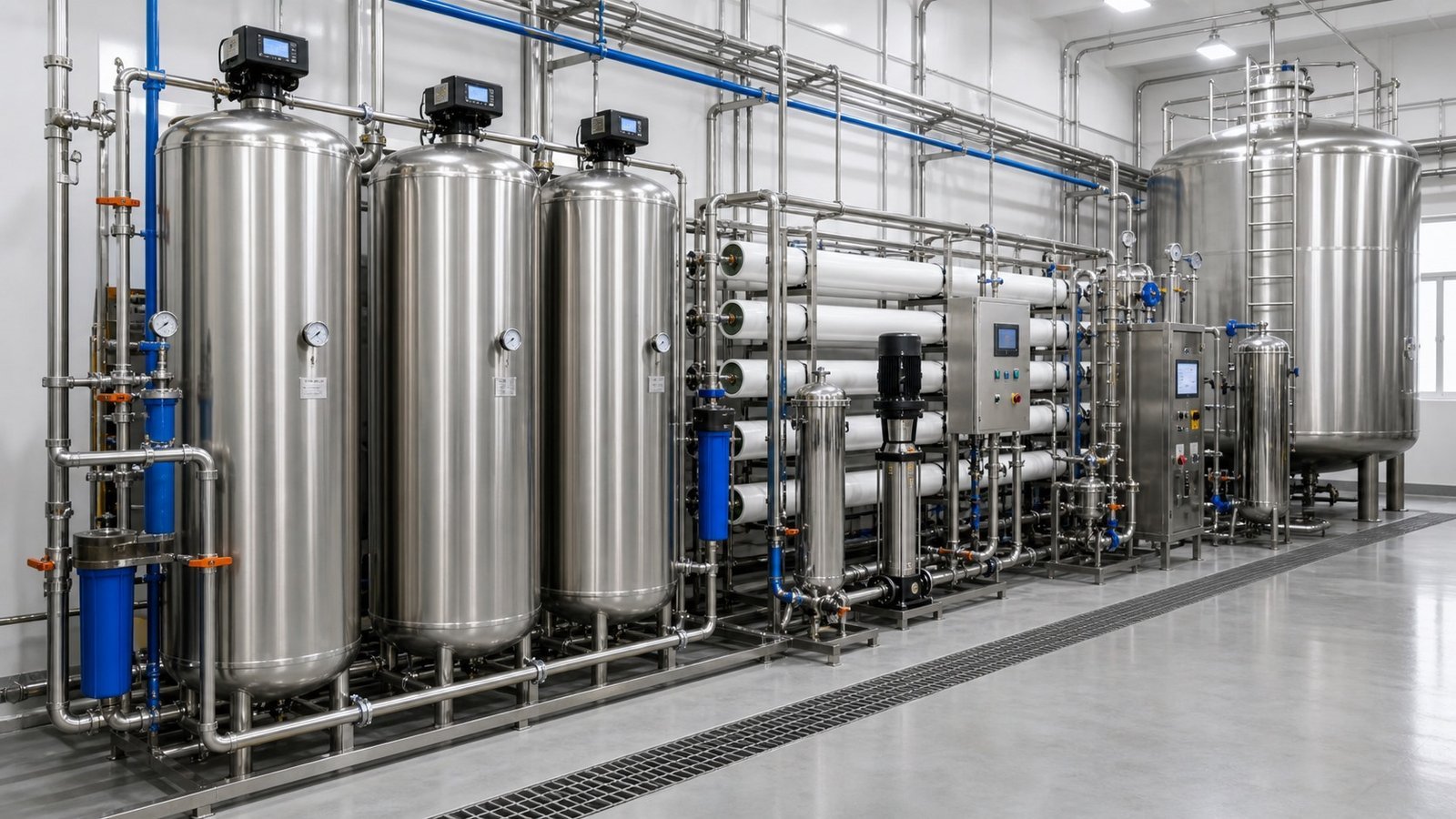
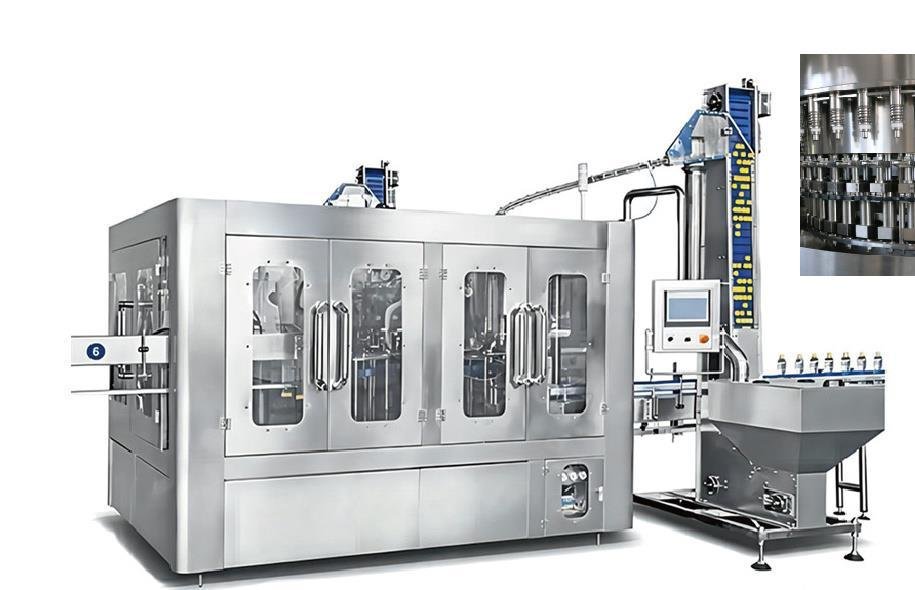
The process illustration supports scope discussion. The XGF equipment image is reproduced from page 9 of the Allot Tech 2026 catalog; use the catalog and project documents to review the applicable configuration.
Buyer questions
Frequently asked questions
What is a rinser filler capper monoblock?
It is an integrated primary-packaging machine that transfers containers through rinsing or treatment, filling and closure application on one coordinated frame. The exact configuration depends on product and package.
How should filler output be stated?
State accepted closed bottles per hour for a named beverage, bottle and cap at agreed operating conditions, then define run duration, sampling and allowed interruptions.
Can one monoblock handle several bottle sizes?
Often yes when neck, diameter, height and closure ranges are compatible, but every format should be listed with required star wheels, guides, recipes, cap parts and expected procedure.
Does Allot Tech manufacture the monoblock?
Allot Tech coordinates commercial and project communication. The responsible manufacturing and engineering resource is confirmed for the selected scope.
Project discussion
Discuss a Rinser Filler Capper Monoblock
Send the beverage, package files, required output, factory conditions, destination and current project stage.