
Allot Tech (Suzhou) Co., Ltd.
Bottle drying before labelling: specify the surface result, not just a dryer
Identify where water remains, where it comes from and what the next process actually needs before buying an air system.
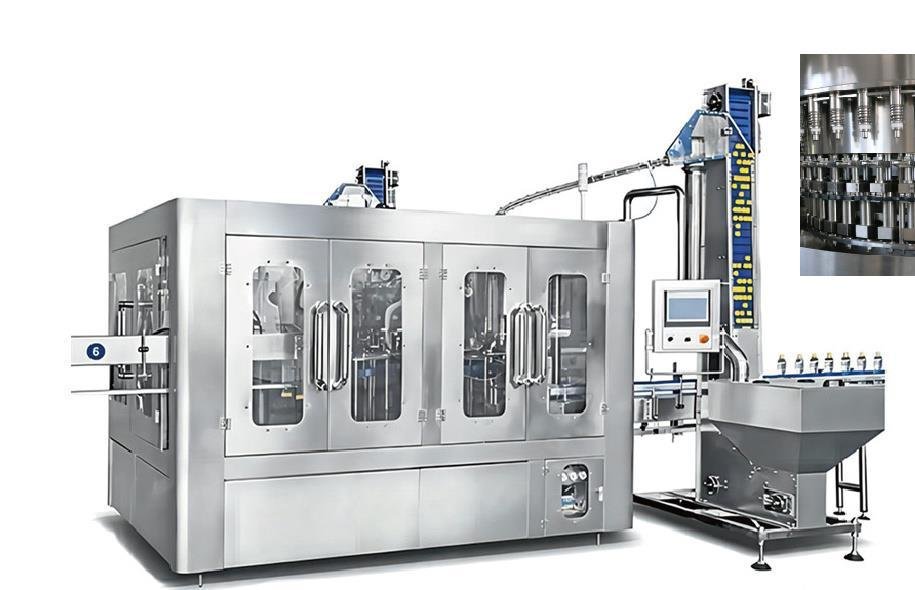
Procurement guidance, not a machine setting or laboratory result
Solve the buying question in front of you
Record the bottle, product state, incoming surface condition and location of the labelling or coding step. Ask the package and decoration specialists to define the required condition at that point. Compare drying options on the actual container and line envelope, including starts and stops, utilities and later label results. Visible dryness at one camera angle does not establish every required surface or prove that all label defects originate in moisture.
Define the problem at the downstream process
State whether the concern is label appearance, adhesion, coding, closure-related handling or another defined operation. Identify the physical point at which its input condition is required. A general request for completely dry bottles may conceal several different surfaces and acceptance tasks. Describe the observed consequence and retain affected packages, rather than beginning the quote with an unverified choice of blower size.
Keep the distinction between a surface observation and an established cause. If labels lift on wet-looking containers, compare the material and application evidence as well. Removing visible droplets can be useful without solving a mismatched label construction or a positioning problem. The project should test the actual downstream requirement instead of declaring success when the dryer outlet merely looks better.
Map incoming water and the observation point
Record what happens upstream and where surface moisture is first observed. Include the relevant rinser, treatment, transfer or waiting stage and the time relationship to the complaint. Distinguish observations on the body, shoulder, base, neck and other relevant areas. Use safe approved positions for recording; the map is for scope discussion and is not an instruction to expose moving or pressurised equipment.
Take comparable samples during the agreed production states. A continuous demonstration may not represent a cold package after a pause or the condition following an upstream interruption. Describe the actual environment and product conditions supplied to the trial without inventing a universal moisture mechanism. Where a measurement is needed, ask the responsible specialist for the appropriate method and record unavailable information as a limitation.
Identify the package and decoration combination
Attach bottle article, drawing revision, material, geometry and the relevant label panel. Include filled condition and the decoration or coding construction. The same nominal capacity does not define the surface to be treated. If the format range includes different shapes, ask which combinations require separate review rather than assuming one setting covers every container with the same volume description.
Keep approved samples and supplier conditions for the downstream material. Ask whether any proposed treatment affects the container, decoration or product boundary. Do not prescribe generic heating, chemical treatment or an air arrangement from an unrelated installation. The useful design input is the named package and required state under the actual line conditions, confirmed by the responsible equipment and material specialists.
Define utilities and the equipment boundary
Ask the supplier to identify the air arrangement, electrical requirements, connections, controls and services relevant to its proposed configuration. Distinguish equipment supplied with the package from services provided by the buyer. Published consumption figures need the associated operating conditions. Do not infer a site's utility demand from a differently configured demonstration unit or call a rated figure a measured project result.
Include access, guarding, maintenance, cleaning and the surrounding line layout in the scope review. Identify who assesses noise and other installation requirements applicable to the site instead of copying a generic limit into the quotation. A compact dryer proposal is incomplete if the buyer has not confirmed its interfaces and operating responsibilities. Retain unresolved utility information before the purchase decision is made.
Compare options through a bounded trial
Set a baseline with the actual incoming container condition, production state and material revisions. Define the downstream surfaces and observations, sample timing, count interval and authority for acceptance. Compare representative starts, stable operation and authorised interruptions within the agreed plan. Where limited material prevents full coverage, state what will be demonstrated later instead of extending the claim beyond the test.
Observe the finished labelled or coded package at the required later stages, not only the dryer outlet. Count saleable output and interruptions if the proposal affects line operation. A successful surface result at one speed or one format does not establish the full range. Record operator intervention and settings so the buyer can distinguish a repeatable process from a demonstration dependent on undocumented manual adjustments.
Separate drying equipment from the whole defect investigation
The quote should distinguish drying, material review, labeller work, controls and inspection. If a trial improves one observation but not final package acceptance, keep the remaining problem open. Ask which assumptions were confirmed and which were rejected. This avoids buying a second intervention based on a diagnosis that was never documented after the first one.
When suppliers propose different architectures, compare their boundaries on the same package and acceptance basis. Include exclusions, trial materials, utilities and responsibility for the connections. Do not compare only a machine price or a nominal airflow number. The purchasing decision is whether the defined intervention provides the required input state and supports the agreed finished-pack result in the confirmed scope.
Retain the operating and handover record
After acceptance, preserve package revisions, baseline observations, approved setup, trial results and open conditions. Define checks after a format change, maintenance or an upstream process revision. Include the responsible owner's instructions for the installed equipment and do not substitute this guide for those procedures. A later recurrence should be compared against the same named surfaces and production conditions.
Allot Tech can coordinate commercial and technical information for the confirmed project. This page does not claim the capabilities of a third-party dryer as its own and does not promise zero defects. A useful handover states the result actually demonstrated, the conditions it covers and what requires renewed review. That boundary is more actionable than an unqualified statement that every bottle will always be dry.
Evidence and decision matrix
| Purchase question | Evidence | Boundary to agree |
|---|---|---|
| Where is drying needed? | Surface map and downstream operation | Named point and required state |
| Which formats are covered? | Actual drawings and trial materials | Confirmed combinations |
| What utilities are required? | Proposed configuration and conditions | Buyer and supplier connections |
| Does it solve the complaint? | Later package result and output record | Acceptance authority and limitations |
Worked review scenario
Hypothetical trial: dry body, unresolved label result
A proposed dryer improves the visible bottle body but the buyer still finds a later label fault. The team retains the timed packages, checks whether the required panel and incoming state were covered and reviews the decoration combination separately. The next decision follows that evidence rather than simply increasing the quoted equipment size. This is a trial-planning example, not a customer performance claim.
Prepare the request
Package
Drawing, material, filled state and decoration or coding requirement.
Incoming state
Wet-area observations, upstream route, timings and production conditions.
Installation
Layout, proposed services, controls, access and responsibility boundaries.
Acceptance
Representative formats, sample times, downstream result and authorised sign-off.
Technical reference and its limits
External technical references explain the context. They do not certify an Allot Tech machine or fabric, and their proprietary capabilities are not part of a quotation unless expressly confirmed.
Buyer questions
Does a dry-looking bottle prove label acceptance?
No. Assess the relevant surface and the agreed later decoration result.
Can a catalogue air figure size every project?
It needs the actual package, configuration and operating conditions.
Should all label defects be assigned to moisture?
Keep surface observations separate from a verified cause and review other material and application evidence.
What belongs in the handover?
Package and setup revisions, demonstrated conditions, trial results and triggers for renewed review.
Discuss the project
Send the available documents and the decision that needs review.