
Hot-fill beverage systems
Hot Fill Juice Bottling Line Planning
Connect the validated thermal process with bottle and closure performance, hygienic filling, post-fill hold and controlled cooling.
Published by Allot Tech. Project contact: founder Mr Kcal. Final engineering, performance, materials, compliance, manufacturing responsibility and commercial terms must be confirmed for the selected resource and signed project scope.
Updated October 7, 2026Direct answer
The validated product process and the heat-resistant package must agree.
A hot-fill juice line is not defined by filler temperature alone. The buyer should provide the beverage recipe and critical properties, required thermal process from a qualified process authority, bottle and closure rated for the process, target output and finished pack. The proposal should connect preparation, deaeration or homogenization where required, thermal treatment, holding, hygienic transfer, filling, capping, closure-contact strategy, cooling, drying, coding, labeling and process records without replacing required product validation.
Project definition
Start with the complete decision basis.
Juice, tea and related beverages vary in acidity, pulp, viscosity, oxygen sensitivity and heat response. Bottle shrinkage, paneling, closure leakage and label performance can also change across the hot-fill and cooling cycle. The equipment resource can engineer to stated process conditions, but the responsible beverage and process specialists must establish and validate the final scheduled process, formulation controls and market compliance.
Product basis
Recipe family, pH or other critical parameters, pulp or particles, viscosity, oxygen sensitivity and qualified process requirement.
Thermal schedule
Target treatment and fill conditions, holding basis, allowable temperature range, monitoring, deviation response and validation owner.
Package
Heat-set bottle or glass drawing, vacuum-panel behavior, neck, closure liner, label, code and approved hot-fill samples.
Output and factory
BPH by format, batch size, operating hours, utilities, cooling-water conditions, drainage, room zoning and pack style.
System or development path
Preserve the intended thermal process from product preparation through cooled pack.
Prepare product
Define mixing, dissolving, filtration, deaeration, homogenization, ingredient addition, batch control and holding limits.
Treat and hold
Connect the qualified time-temperature basis with heating, holding, instruments, diversion or deviation logic and records.
Transfer hygienically
Review piping, balance tank, valves, recirculation, temperature loss, cleaning and the boundary to the filler.
Fill and close
Maintain the agreed fill condition, headspace and closure application while controlling spills, foam and package deformation.
Treat closure and cool
Define inversion or alternative closure-contact strategy, residence time, staged cooling and discharge temperature.
Dry, inspect and pack
Check bottle shape, fill, leakage, closure, code and label under stabilized post-cooling conditions.
Quotation comparison
Compare hot-fill proposals against one process and package envelope.
| Decision area | Buyer should provide | Proposal should clarify |
|---|---|---|
| Process authority input | Qualified thermal and formulation requirements. | Design conditions, monitoring points, record capability, deviations and validation exclusions. |
| Product range | Recipes, solids, particles, viscosity and batch sizes. | Equipment range, heating method, hold arrangement, cleanability and changeover limits. |
| Package performance | Approved bottle and closure files with hot-fill evidence. | Fill temperature range, vacuum management, inversion, cooling profile and handling parts. |
| Utilities | Steam or hot water, cooling water, power, air and room conditions. | Peak and normal demand, temperature assumptions, recovery options and buyer-supplied systems. |
| Acceptance | Representative product or disclosed substitute and package. | Test scope, temperatures, times, output, package checks, site-only validation and release evidence. |
Solve the next project problem
Close these proposal gaps before price becomes the decision.
Use the brief below to turn a vague supplier conversation into questions that can be answered and documented.
Make this decision comparable.
Send: Qualified thermal and formulation requirements.
Require: Design conditions, monitoring points, record capability, deviations and validation exclusions.
Make this decision comparable.
Send: Recipes, solids, particles, viscosity and batch sizes.
Require: Equipment range, heating method, hold arrangement, cleanability and changeover limits.
Make this decision comparable.
Send: Approved bottle and closure files with hot-fill evidence.
Require: Fill temperature range, vacuum management, inversion, cooling profile and handling parts.
Send the beverage, package files, required output, factory conditions, destination and current project stage. The Allot Tech Project Desk can help organize the first comparison.
Decision evidence
Separate equipment evidence from final product-process validation.
Evidence should be identified before the order or approval stage so both sides know what will support the next decision.
Controlled process basis
Identify the qualified time-temperature, fill, hold, cooling and deviation requirements used for equipment design.
Package trial record
Link bottle, closure and label revisions to hot-fill temperature, inversion, cooling and observed deformation or leakage.
Instrument and record schedule
List critical sensors, locations, ranges, calibration evidence, alarms, trends and retained production records.
FAT-to-site transfer list
State which functions were tested, which product conditions were simulated and which validation remains at the destination.
Do not confuse equipment capability with a validated scheduled process
A heating system can reach a temperature, but final product safety and shelf life depend on the recipe, critical factors, hold, filling, closure and validation program. The signed scope should identify who establishes, reviews and approves those requirements.
- Obtain qualified process requirements early
- Record critical factors and deviations
- Keep site validation in the project schedule
Design cooling around package behavior
Cooling too slowly may extend heat exposure, while aggressive cooling can create package stress or unstable bottle geometry. The proposal should show stages, water quality, temperature assumptions, residence time, bottle support and the discharge condition required for labeling.
- Use an approved heat-resistant package
- Review staged cooling and conveyor support
- Verify bottle shape before label approval
Control product loss and changeover
Recirculation, start-up, shutdown and transitions between recipes can generate off-specification product or water-product interfaces. Ask how tanks, pipelines, filler bowl and return paths are emptied, recovered, separated, cleaned and documented.
- Map start-up and shutdown product paths
- Define recipe transition rules
- Measure yield only on an agreed boundary
Decision gates
Move forward when the next commitment has enough written evidence.
Project stages overlap, but each commercial commitment should have a visible basis, named approvers and a list of unresolved items.
Engineering basis approved
The product, package, output, equipment boundary, layout, utilities, responsibilities and open assumptions are controlled.
Manufacturing and test basis approved
Drawings, component schedule, test materials, acceptance conditions, documents and planned evidence are agreed.
Delivery and handover released
Punch-list closure, packing, shipment files, site readiness, installation scope, training and support ownership are visible.
Before requesting a proposal
Build one brief that every resource can answer on the same basis.
This page is designed to help an international buyer prepare a clearer discussion, not to replace the responsible resource’s engineering or the buyer’s professional review.
Product
Beverage, process, hygiene, shelf-life and operating conditions.
Package
Container, closure, label, code, finished pack and approved files.
Output
Required rate for a named format, shifts, annual plan and changeovers.
Factory
Measured space, utilities, access, drainage and local site constraints.
Project scope
Equipment boundary, documents, FAT, delivery, startup and destination.
Allot Tech organized recurring buyer questions, project-scoping patterns, available catalog inputs and specialist-resource context into a decision sequence. No customer case, certification, output guarantee or factory ownership is implied unless separately verified for the named project.
Manufacturing context
Use equipment views to ask more specific project questions.
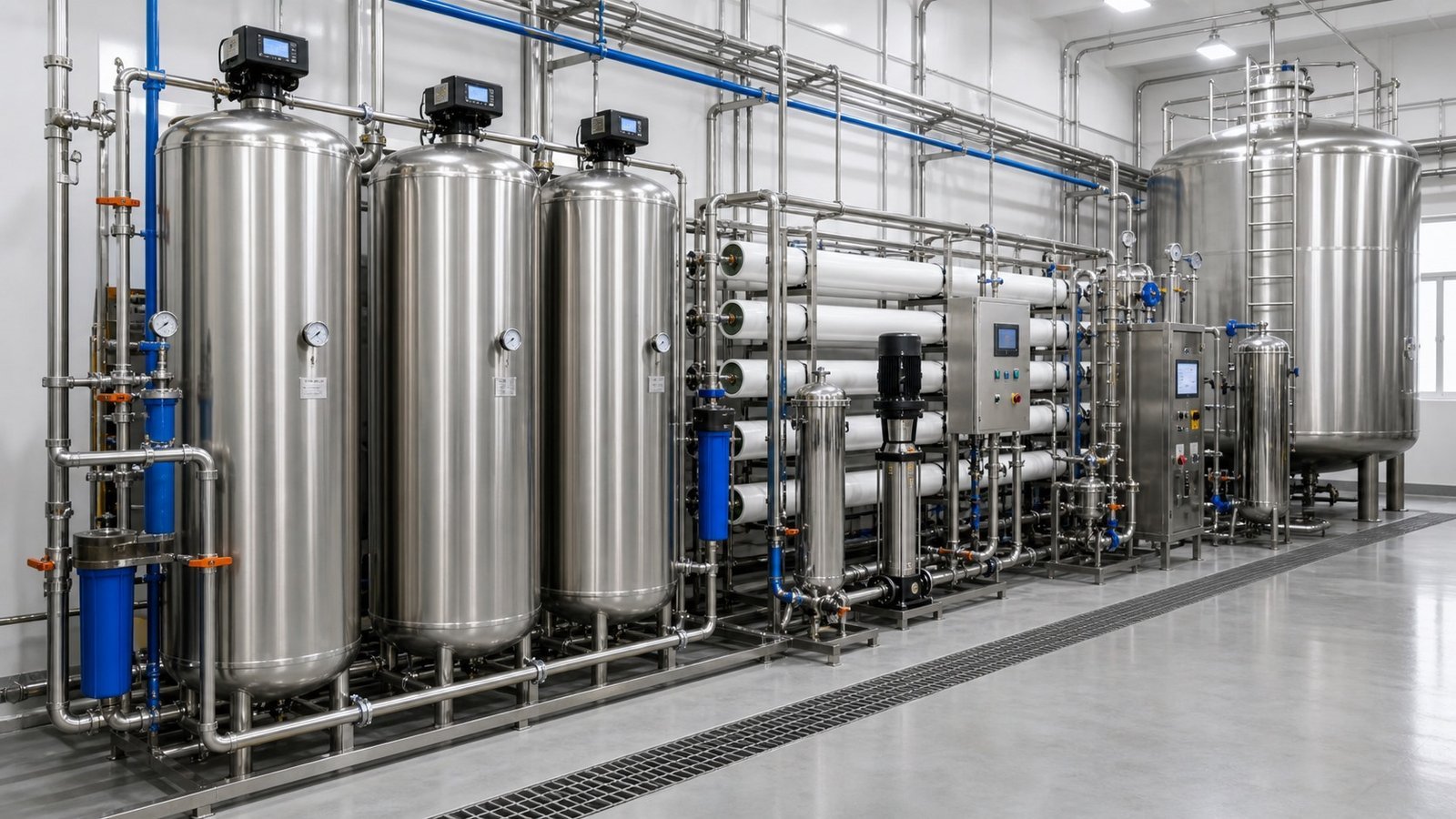
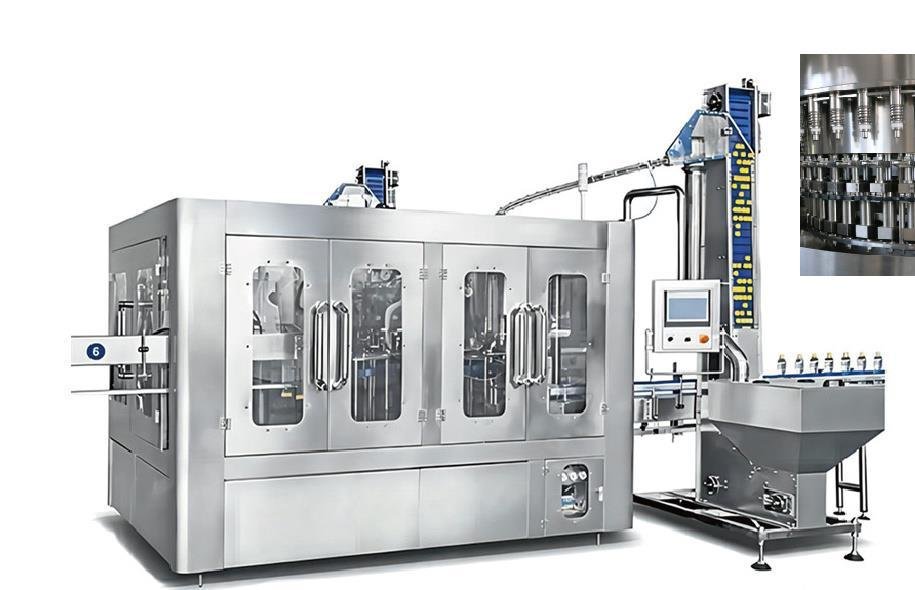
The process illustration supports scope discussion. The XGF equipment image is reproduced from page 9 of the Allot Tech 2026 catalog; use the catalog and project documents to review the applicable configuration.
Buyer questions
Frequently asked questions
What products can use hot filling?
Suitability depends on formulation, critical product properties, package and a qualified process. Juice and tea are common examples, but the final process cannot be selected from category name alone.
Why are hot-fill bottles different?
They must tolerate the intended fill and cooling conditions while maintaining neck, seal, shape and label-panel performance. The approved bottle and closure should be trialed together.
Is bottle inversion always required?
The closure-contact strategy depends on the validated process and package. Inversion may be used in some systems, while other qualified designs use different methods.
Can FAT validate the final beverage process?
FAT can verify agreed equipment functions and selected process conditions, but final product validation at site remains the responsibility of qualified project specialists and authorized parties.
Project discussion
Discuss a Hot Fill Juice Line
Send the beverage, package files, required output, factory conditions, destination and current project stage.