
Textile procurement guide
Fabric Roll Length and Packing List Verification
Connect each delivered fabric roll to its declared metres, inspection record and shipment documents.
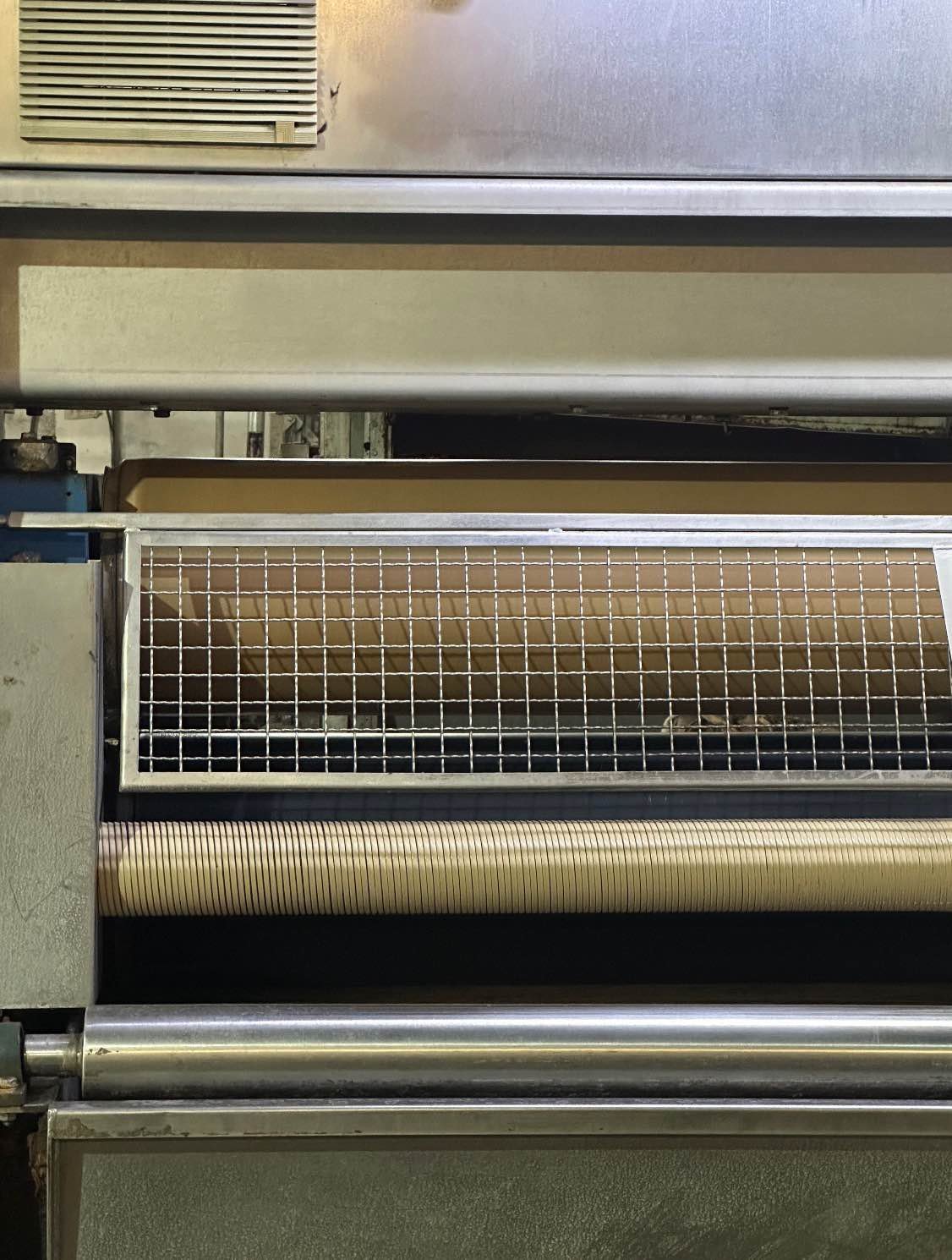
Use this guide to prepare a reviewable request. Confirm the selected article or equipment, test basis and responsibilities in the project scope.
Updated October 7, 2026Direct answer
Reconcile quantity by roll identity and an agreed length basis.
Fabric quantity verification starts with unique roll IDs, declared lengths, the agreed measurement method and the shipment’s lot and shade records. Compare the physical roll labels with the packing list, reconcile totals with the invoice and order, and document differences before release. Gross or net shipment weight can support a reasonableness check but cannot independently prove usable fabric metres.
Create one ledger that links the roll and the shipment.
For every roll, record article, color, lot, shade group where used, unique roll ID, declared length, width basis and package identity. Keep inspection or measurement references linked to that ID. If a large roll is split or rerolled, record the parent and child identities so the original total is not counted again alongside the new rolls.
Compare the physical labels with the packing list before summing the metres. Check missing IDs, duplicates, unexpected colors and rolls placed in a different carton or bundle. Include short rolls, remnants and any agreed exceptions explicitly; do not hide them inside a shipment total. Record who checked the ledger and which physical packages were reviewed.
Agree how declared and verified length will be compared.
State whether length is nominal, machine-recorded or independently checked, and agree the applicable method, sample extent, conditioning and handling basis with the parties performing the measurement. Fabric tension, stretching and machine calibration can affect a comparison. Use the chosen method consistently and preserve the roll identity, reading and equipment record.
Define in advance how a length discrepancy is evaluated, including the contractual tolerance, the basis for further checks and the person who decides release. If only some rolls are checked, identify that coverage in the report. A sampled review is not a full measurement of every roll, and a complete packing-list reconciliation is not proof that every declared length was physically verified.
Separate commercial metres, defective sections and shipment weight.
Illustrative reconciliation: a packing list contains three rolls declared as 48 m, 52 m and 50 m, totaling 150 m. If the agreed check records 47.5 m, 52 m and 50 m, the checked total is 149.5 m and the difference is 0.5 m. This arithmetic does not decide acceptance: apply the agreed method, tolerance and discrepancy process. These values are a calculation example, not an actual shipment.
Keep usable width, visible defects and cutting yield in their own records. Do not subtract defect points from measured metres or assume a short roll is unusable unless the contract defines the treatment. Gross mass includes packing; net mass and fabric area mass have their own measurement boundaries. When documents disagree, preserve labels, measurement records, photos and affected samples, then request a corrected reconciliation or authorized disposition.
Reconcile the documents in this order.
Each check answers a different quantity question.
| Check | Compare | Record the result |
|---|---|---|
| Physical identity | Actual roll label versus packing-list line. | Missing, duplicate or mismatched IDs and package location. |
| Declared quantity | Sum of roll metres versus packing-list total. | Arithmetic, split rolls, short rolls and exceptions. |
| Measurement evidence | Declared versus checked length under the agreed method. | Coverage, readings, equipment basis and difference. |
| Commercial quantity | Packing-list and accepted quantity versus order and invoice. | Tolerance decision, corrections and authorized release. |
Prepare the request
Send the inputs needed to review this requirement.
Order basis
Article, colors, metres, price unit and written quantity tolerance.
Roll file
IDs, lot and shade, declared metres, width and package references.
Check basis
Method, extent, measurement record and handling conditions.
Exceptions
Short or split rolls, defects, shortages and agreed treatment.
Release
Reconciled packing list, invoice basis and named disposition owner.
Reference basis
Primary sources for the technical context.
The checklists are Allot Tech procurement guidance. External manufacturer examples do not establish the capabilities of a quoted Allot Tech configuration.
- ASTM D3773/D3773M: length of woven fabric
Official standard-family reference for fabric length measurement. Agree the applicable full method and edition with the checking party; this guide does not reproduce its procedures.
Frequently asked questions
Can shipment kilograms prove the number of fabric metres?
Not independently. Packaging mass, fabric weight variation, width and the measurement basis affect the inference. Reconcile roll records and use the agreed length check.
Does checking the packing-list total verify every roll length?
No. It verifies the document arithmetic. Identify separately which physical rolls were measured and how the measurement was performed.
Should a defect allowance be subtracted from roll length?
Only according to the agreed commercial rules. Keep measured metres, defect findings and any allowance separately traceable so they are not counted or deducted twice.
Project discussion
Discuss this fabric requirement
Include the available specifications, samples or files, project stage and destination so the next review can address the actual requirement.