
Outerwear fabric specification
Coat Fabric GSM and Weight Selection Guide
Use finished GSM together with composition, construction, usable width, thickness, handfeel and garment structure to describe the required coat fabric.
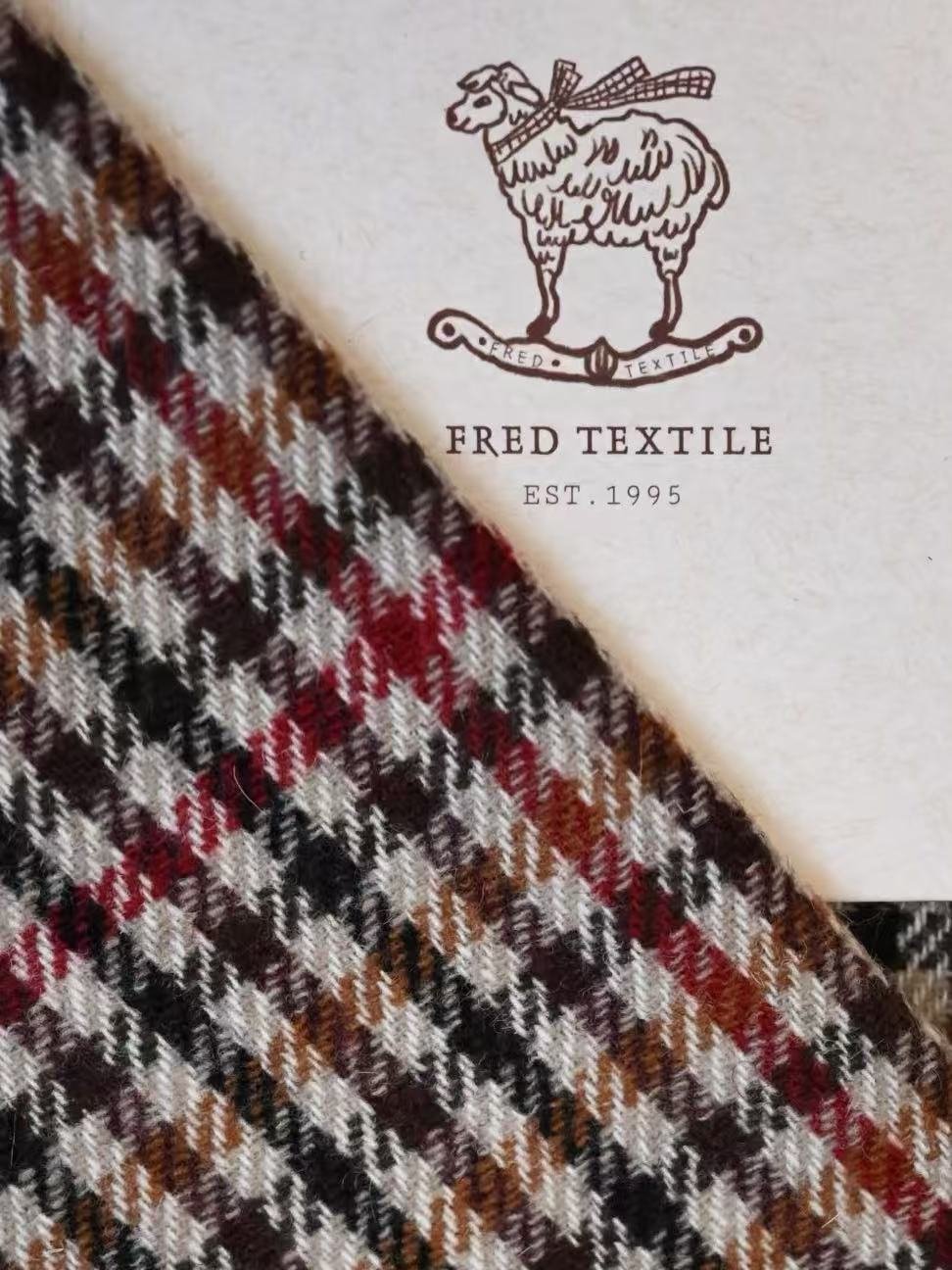
Published by Allot Tech. Project contact: founder Mr Kcal. Final engineering, performance, materials, compliance, manufacturing responsibility and commercial terms must be confirmed for the selected resource and signed project scope.
Updated October 7, 2026Direct answer
GSM is one measurable input, not a complete coat-fabric identity.
Coat fabric should not be selected from GSM alone. Start with the intended garment, season, silhouette, lining and construction, then compare finished weight per square meter with composition, weave or knit construction, usable width, thickness, surface, compactness, drape and handfeel. A useful inquiry includes a physical swatch or garment reference, target range rather than a copied number, expected color and finish, quantity, destination and required tests. Approve a production-relevant sample before bulk and state the method and tolerance used for finished weight.
Project definition
Start with the complete decision basis.
Two fabrics with similar finished GSM can feel and perform differently because of fiber blend, yarn, construction, milling, brushing, raising, bonding or other finish. Width also changes material yield and commercial comparison. The garment technologist, buyer and connected textile resource should agree final specification, sample, testing and tolerance for the intended end use rather than relying on category labels alone.
Garment and season
Coat, jacket, overshirt or accessory, target market, season, silhouette, lining, structure and desired warmth or drape.
Physical direction
Marked-face swatch or garment, close-up and drape references, attributes to match and differences that are acceptable.
Measurable basis
Composition, finished GSM range, usable width, construction, thickness or compactness where relevant, color and finish.
Commercial plan
Development meters, color count, bulk quantity, packing, destination, required tests, approval dates and delivery window.
System or development path
Translate garment intent into measurable fabric and an approved physical standard.
Define garment use
State season, silhouette, lining, construction, wearer expectation, market and care direction.
Set the physical reference
Identify the face, color, handfeel, drape, thickness and surface attributes that matter in the reference.
Build the written range
Record composition, finished GSM, usable width, construction, finish and tolerances for development.
Develop and compare
Review swatches or yardage in consistent conditions and record differences from the reference and requested range.
Approve the bulk standard
Sign and identify the accepted color and physical sample with written values, tests and approved changes.
Follow bulk lots
Check weight, width, shade, surface and selected performance evidence by lot and roll before shipment release.
Quotation comparison
Compare coat fabrics on the same finished and garment-relevant basis.
| Decision area | Buyer should provide | Proposal should clarify |
|---|---|---|
| Finished weight | Target GSM range, method, conditioning and garment reason. | Nominal and measured sample result, tolerance basis and expected bulk variation. |
| Composition and construction | Fiber priorities, labeling requirement and desired appearance. | Declared composition, yarn and construction direction, supporting evidence and substitutions. |
| Width and yield | Required usable width and marker or consumption assumptions. | Full and usable width, selvedge, finishing stability, roll variation and quotation basis. |
| Handfeel and drape | Signed reference and named attributes to match. | Finish route, achievable direction, sample stage, limitations and bulk-control method. |
| Testing and release | Destination, garment use and selected risks. | Applicable methods, sample stage, lot plan, inspection evidence and decision authority. |
Solve the next project problem
Close these proposal gaps before price becomes the decision.
Use the brief below to turn a vague supplier conversation into questions that can be answered and documented.
Make this decision comparable.
Send: Target GSM range, method, conditioning and garment reason.
Require: Nominal and measured sample result, tolerance basis and expected bulk variation.
Make this decision comparable.
Send: Fiber priorities, labeling requirement and desired appearance.
Require: Declared composition, yarn and construction direction, supporting evidence and substitutions.
Make this decision comparable.
Send: Required usable width and marker or consumption assumptions.
Require: Full and usable width, selvedge, finishing stability, roll variation and quotation basis.
Send the garment use, reference swatch or images, finished specification, color plan, quantity, destination and required date. The Allot Tech Project Desk can help organize the first comparison.
Decision evidence
Keep weight claims connected to method, sample identity and garment context.
Evidence should be identified before the order or approval stage so both sides know what will support the next decision.
Signed physical standard
Identify article, face, color, finish, approval date and the specific handfeel and drape direction accepted.
Finished specification
Record composition, GSM range, usable width, construction, finish, method and tolerance basis.
Development comparison
Link submitted swatches or yardage to measured values, conditioning, buyer comments, changes and approval status.
Bulk lot record
Keep lot and roll identity, weight and width checks, shade grouping, inspection, tests and disposition traceable.
Compare finished fabric, not unfinished expectations
Weight and width can change through dyeing and finishing. A quotation should state whether values refer to greige, intermediate or finished fabric and which condition supports the order. Bulk acceptance should use the agreed finished method and tolerance.
- Label every value as greige or finished
- Use a consistent conditioning and test method
- Tie bulk release to finished goods evidence
Use GSM with thickness, construction and drape
A dense compact fabric and a raised lofty fabric may reach a similar GSM while creating different warmth, movement and cutting behavior. Describe the garment outcome and approve a physical standard alongside written values.
- Share garment silhouette and lining plan
- Compare surface and cross-section behavior
- Record which physical attributes are approval-critical
Include usable width in commercial comparison
Price per meter can be misleading when usable width, selvedge and finishing stability differ. Normalize quotations by finished usable width and check how the buyer calculates garment consumption or yield.
- State full and usable width separately
- Check width across representative rolls
- Review price with material yield in mind
Decision gates
Move forward when the next commitment has enough written evidence.
Project stages overlap, but each commercial commitment should have a visible basis, named approvers and a list of unresolved items.
Development basis approved
The garment use, signed physical reference, written specification, color and requested sample stage describe the same fabric direction.
Bulk standard released
The accepted sample, measurable tolerances, required tests, quantity, lot plan and approved changes are recorded before production.
Shipment evidence accepted
Roll and lot identity, shade grouping, inspection or test findings, packing and authorized disposition support release.
Before requesting a proposal
Build one brief that every resource can answer on the same basis.
This page is designed to help an international buyer prepare a clearer discussion, not to replace the responsible resource’s engineering or the buyer’s professional review.
Garment
End use, season, silhouette, market and construction priorities.
Reference
Physical swatch or garment, marked face, color and attributes to match.
Specification
Composition, finished weight, usable width, construction, finish and tolerances.
Development
Sample type, meters, colors, approval stages and decision dates.
Bulk plan
Quantity, inspection, testing, packing, destination and delivery window.
Allot Tech organized recurring buyer questions, project-scoping patterns, available catalog inputs and specialist-resource context into a decision sequence. No customer case, certification, output guarantee or factory ownership is implied unless separately verified for the named project.
Specialist textile context
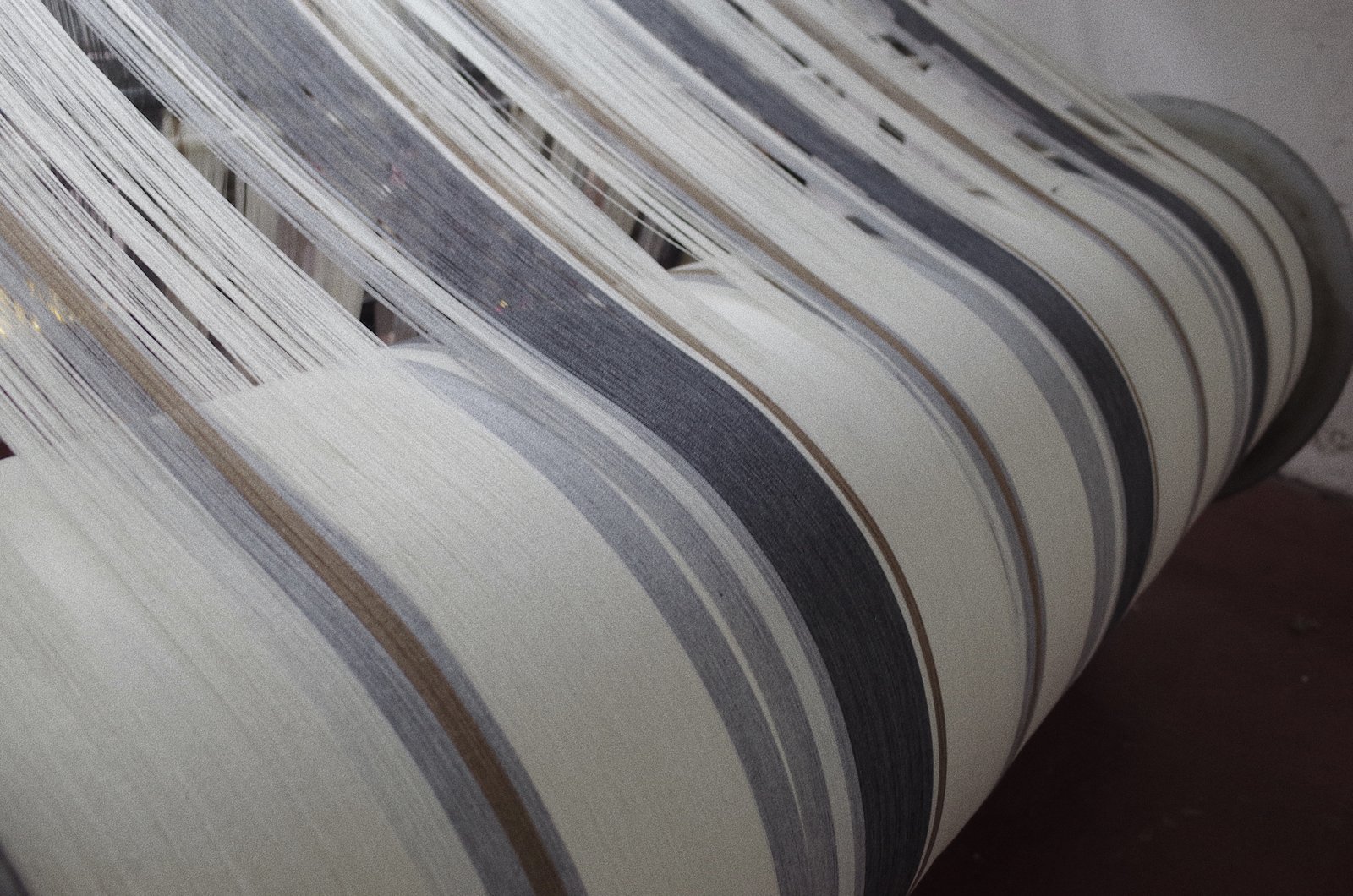
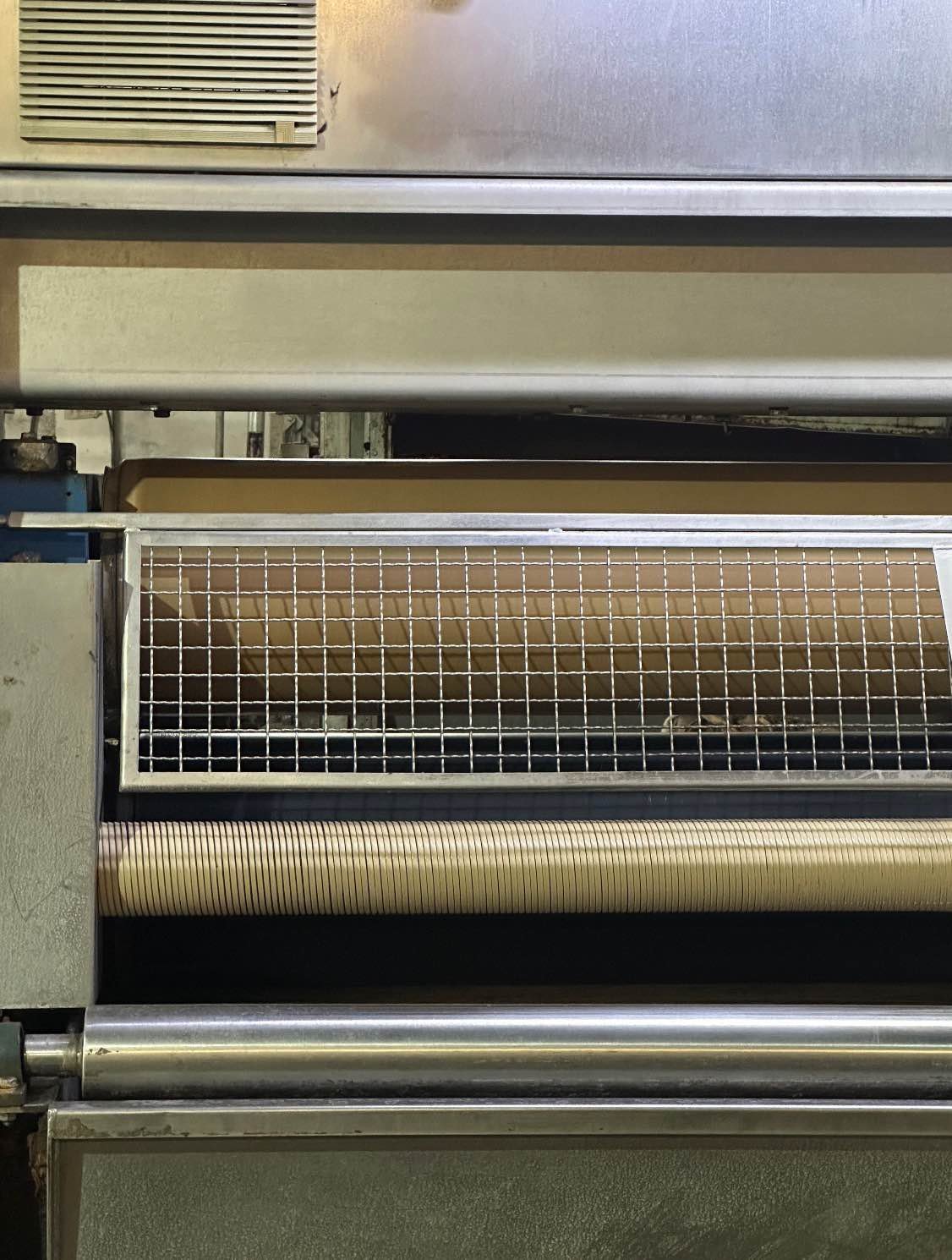
Connect fabric development with weaving and finishing.
These production images are from Fred Textile, the connected specialist textile resource represented across the Allot Tech textile program.
Buyer questions
Frequently asked questions
What GSM is suitable for a coat fabric?
There is no universal number. Suitable finished weight depends on garment type, season, composition, construction, thickness, lining, drape and market expectation.
Can two fabrics with the same GSM feel different?
Yes. Fiber blend, yarn, construction and finishing can create different thickness, compactness, surface, warmth and drape at a similar weight.
Should fabric weight be given as a range?
A target and agreed tolerance are usually more useful than an unexplained single number. The method, conditioning and finished state should also be identified.
Does Allot Tech manufacture the fabric?
Allot Tech coordinates the international commercial program. Fred Textile is the connected specialist textile resource for the represented fabric scope.
Project discussion
Discuss a Coat Fabric Weight Direction
Send the garment use, reference swatch or images, finished specification, color plan, quantity, destination and required date.