
Beverage closure handling
Bottle Cap and Closure System Guide
Treat the cap or closure as a controlled packaging component from storage and orientation through application and verification.
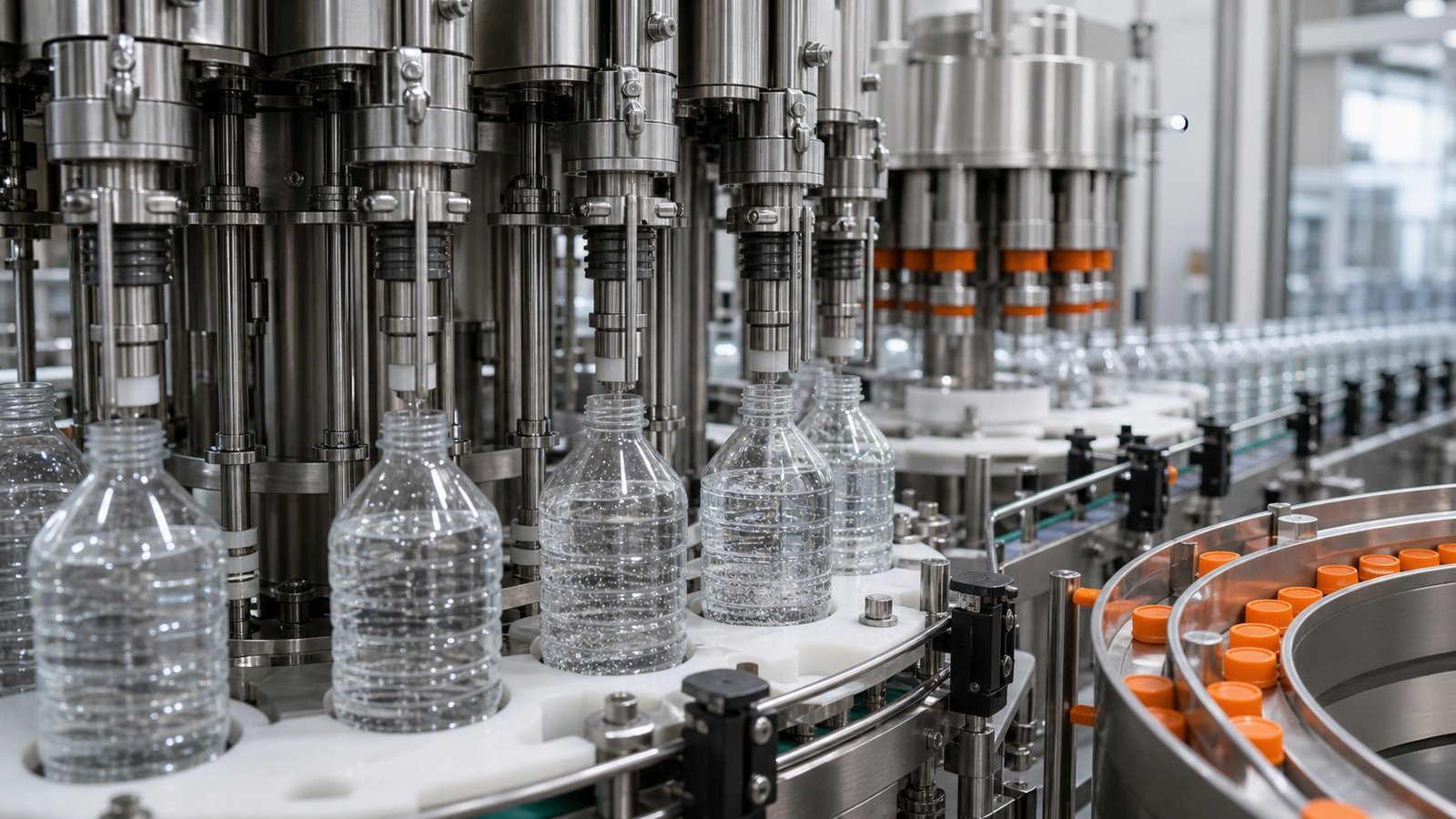
Published by Allot Tech. Project contact: founder Mr Kcal. Final engineering, performance, materials, compliance, manufacturing responsibility and commercial terms must be confirmed for the selected resource and signed project scope.
Updated October 7, 2026Direct answer
Closure integrity starts before the cap reaches the applicator.
A beverage closure system should be specified from the approved bottle neck and closure drawings and samples, closure material and liner, tamper feature, application requirement, output and hygiene plan. Compare storage, elevation, sorting, optional sanitation, chute and track, missing-cap control, application head or turret, torque or sealing adjustment, cap presence and position inspection, reject handling, change parts, spare wear parts and test evidence.
Project definition
Start with the complete decision basis.
Caps can be deformed, contaminated, nested, inverted or damaged during bulk handling. Neck tolerances, bottle support and product condition also affect application. Torque is important for some threaded closures, but it is not the only indicator of seal performance. The responsible package, closure and equipment resources should agree the applicable dimensions, controls, tests and release criteria.
Bottle neck
Finish drawing and tolerance, support ring, material, top load, approved samples and expected supplier range.
Closure
Drawing, material, liner, tamper band, orientation feature, bulk packaging, supplier specification and approved samples.
Application
Cap presence, placement, torque or sealing basis, tamper evidence, sanitation need, output and inspection requirement.
Operations
Number of formats, change sequence, cap storage, operator access, compressed air, spare parts and quality records.
System or development path
Protect closure identity and condition from bulk supply through verified application.
Receive and store
Define closure packaging, lot identity, clean storage, hopper loading and foreign-material control.
Elevate and sort
Control cap damage, orientation, recirculation, low-level response and removal of nonconforming closures.
Treat if required
Specify the confirmed sanitation method, exposure conditions, monitoring and recontamination control.
Feed to application
Maintain cap orientation and flow through chute, track, escapement and missing-cap interlocks.
Apply closure
Support the bottle, place and tighten or seal the closure using the approved head, chuck, roll or pressing method.
Inspect and reject
Check presence, position, tamper feature or selected seal evidence and confirm removal of failed packages.
Quotation comparison
Compare closure systems using controlled neck and closure components.
| Decision area | Buyer should provide | Proposal should clarify |
|---|---|---|
| Compatibility | Approved neck and closure drawings, tolerances and samples. | Application principle, included tooling, operating range and component limitations. |
| Bulk handling | Closure packaging, cleanliness, lot size and delivery method. | Hopper, elevator, sorter, recirculation, damage control, access and capacity. |
| Sanitation | Product and hygiene requirement with approved method. | Treatment scope, exposure basis, monitoring, materials, safety and exclusions. |
| Quality checks | Applicable torque, seal, tamper and presence requirements. | Adjustment, sampling tools, online inspection, reject confirmation and record capability. |
| Changeover and FAT | All launch closures with enough production samples. | Parts, procedure, settings, speed, challenge tests, wear spares and release evidence. |
Solve the next project problem
Close these proposal gaps before price becomes the decision.
Use the brief below to turn a vague supplier conversation into questions that can be answered and documented.
Make this decision comparable.
Send: Approved neck and closure drawings, tolerances and samples.
Require: Application principle, included tooling, operating range and component limitations.
Make this decision comparable.
Send: Closure packaging, cleanliness, lot size and delivery method.
Require: Hopper, elevator, sorter, recirculation, damage control, access and capacity.
Make this decision comparable.
Send: Product and hygiene requirement with approved method.
Require: Treatment scope, exposure basis, monitoring, materials, safety and exclusions.
Send the beverage, package files, required output, factory conditions, destination and current project stage. The Allot Tech Project Desk can help organize the first comparison.
Decision evidence
Keep closure-component and application evidence linked to each package format.
Evidence should be identified before the order or approval stage so both sides know what will support the next decision.
Neck and closure matrix
Identify drawings, suppliers, revisions, samples, tooling and application settings for every launch combination.
Handling and sanitation record
Document closure path, lot control, treatment conditions where used and controls against damage or recontamination.
Application trial results
Record bottle and cap lots, line speed, settings, measured checks, leakage or tamper observations and defects.
Inspection challenge results
Show challenge samples, detection, reject confirmation, limitations, alarms and retained recipe settings.
Approve the neck and closure as a pair
A nominal diameter does not guarantee compatible threads, sealing surfaces, tamper bands or application tooling. Use controlled drawings and production samples from intended suppliers, then manage any substitution through review and trial.
- Keep neck and cap revisions together
- Confirm sealing and tamper interfaces
- Review supplier changes before production use
Separate application control from package validation
The capper can apply a closure within an agreed setting, but package integrity also depends on component tolerances, liner, bottle support, product and downstream handling. Select checks that reflect the actual closure and market requirement.
- Define the applicable measurement method
- Control sample conditioning and timing
- Assign authority for package release
Design the cap path for maintainability
Sorters and tracks need cleaning, access and adjustment without introducing damage or contamination. The layout should show bulk loading, rejected-cap removal, change-part storage, safe access and the path for caps during stops and restarts.
- Provide safe hopper-loading access
- Make tracks visible and cleanable
- Document restart and cap-recirc behavior
Decision gates
Move forward when the next commitment has enough written evidence.
Project stages overlap, but each commercial commitment should have a visible basis, named approvers and a list of unresolved items.
Engineering basis approved
The product, package, output, equipment boundary, layout, utilities, responsibilities and open assumptions are controlled.
Manufacturing and test basis approved
Drawings, component schedule, test materials, acceptance conditions, documents and planned evidence are agreed.
Delivery and handover released
Punch-list closure, packing, shipment files, site readiness, installation scope, training and support ownership are visible.
Before requesting a proposal
Build one brief that every resource can answer on the same basis.
This page is designed to help an international buyer prepare a clearer discussion, not to replace the responsible resource’s engineering or the buyer’s professional review.
Product
Beverage, process, hygiene, shelf-life and operating conditions.
Package
Container, closure, label, code, finished pack and approved files.
Output
Required rate for a named format, shifts, annual plan and changeovers.
Factory
Measured space, utilities, access, drainage and local site constraints.
Project scope
Equipment boundary, documents, FAT, delivery, startup and destination.
Allot Tech organized recurring buyer questions, project-scoping patterns, available catalog inputs and specialist-resource context into a decision sequence. No customer case, certification, output guarantee or factory ownership is implied unless separately verified for the named project.
Manufacturing context
Use equipment views to ask more specific project questions.
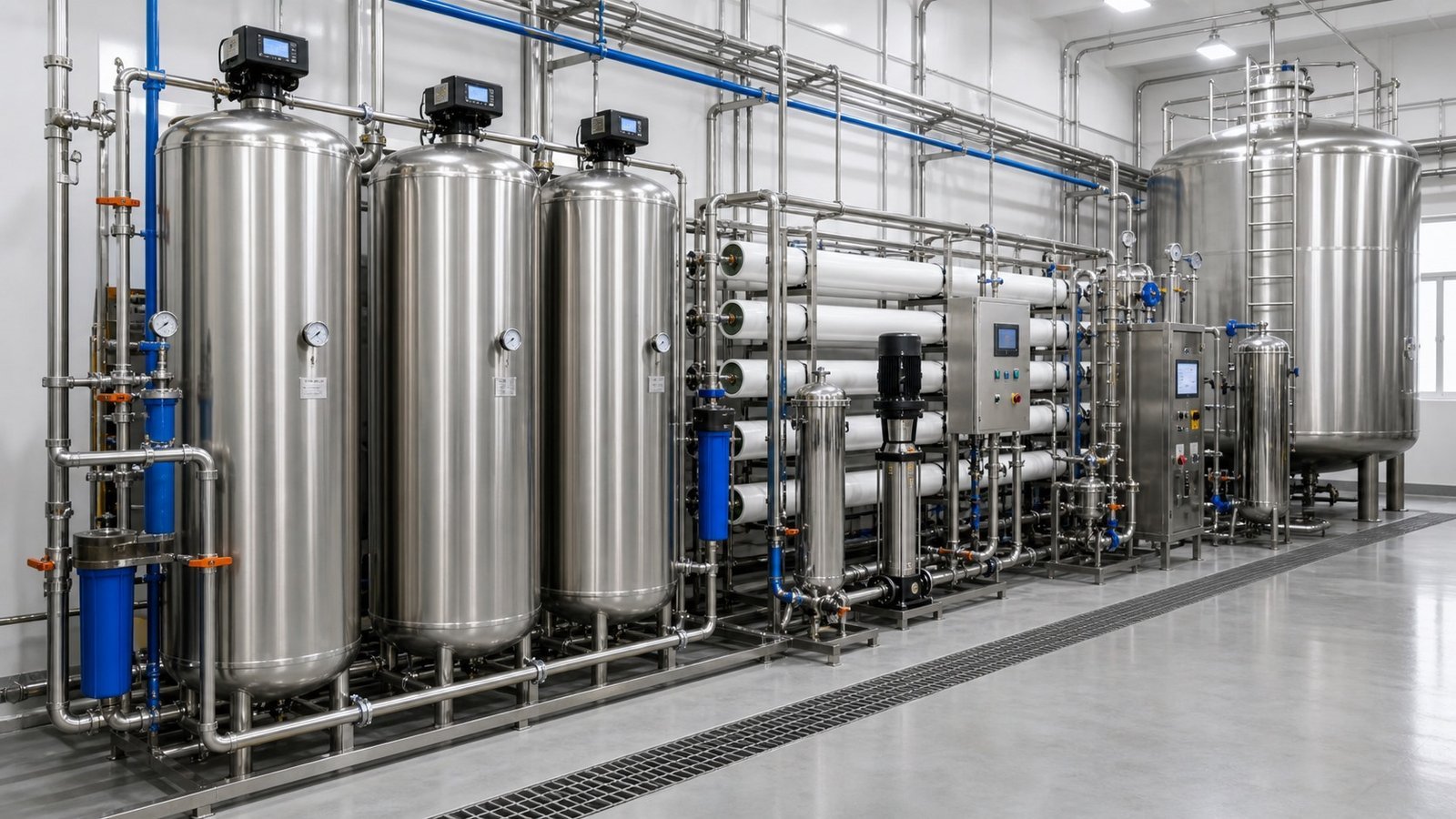
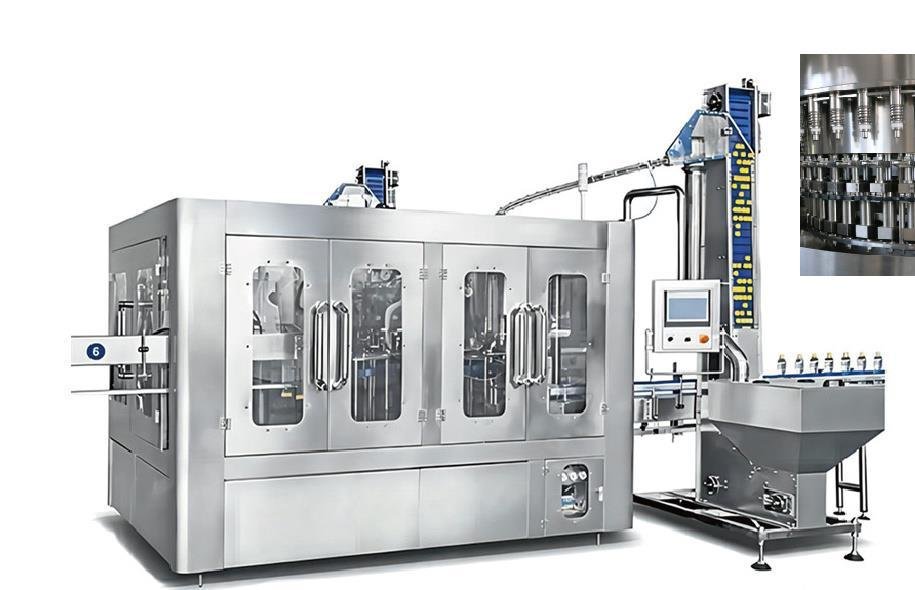
The process illustration supports scope discussion. The XGF equipment image is reproduced from page 9 of the Allot Tech 2026 catalog; use the catalog and project documents to review the applicable configuration.
Buyer questions
Frequently asked questions
What cap information is needed for a capping machine?
Provide bottle-neck and closure drawings, supplier specifications, approved samples, material, liner, tamper feature, required application checks, output and hygiene needs.
Is cap torque the same as seal integrity?
No. Torque may be one control for threaded closures, while seal integrity also depends on package design, component condition, liner, application and selected package tests.
Can one capper handle several cap sizes?
It may with suitable range and change parts, but every bottle-closure pair should have listed tooling, settings, procedure and accepted performance.
When is cap sanitation required?
That decision depends on the beverage process, hygiene plan and package. The approved method, exposure and verification should be set by qualified project specialists.
Project discussion
Discuss a Bottle Closure System
Send the beverage, package files, required output, factory conditions, destination and current project stage.