
Carbonated beverage preparation
Carbonated Beverage Mixing System Guide
Define the recipe and product conditions at the filler inlet before comparing blending, chilling, deaeration and carbonation equipment.
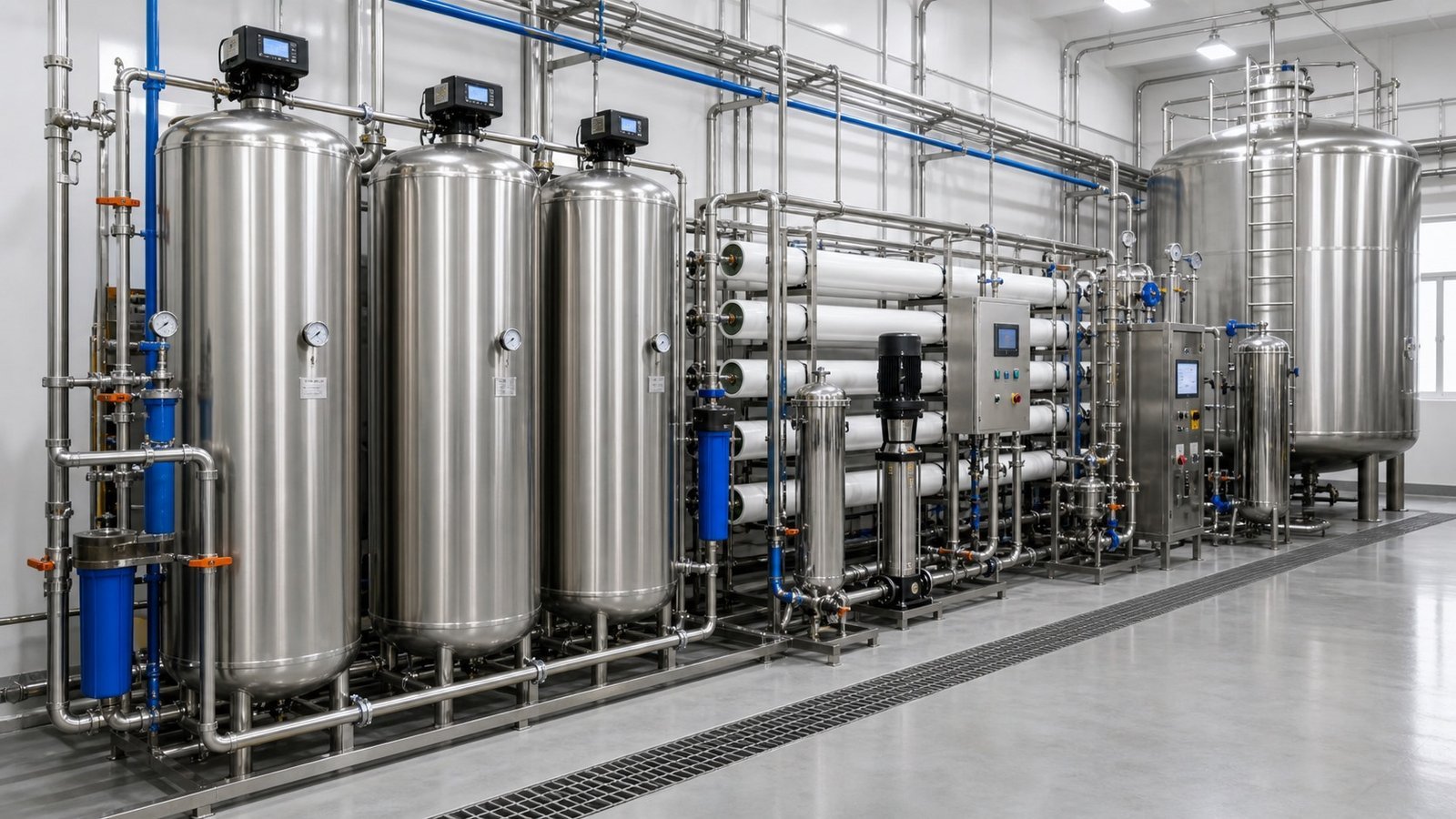
Published by Allot Tech. Project contact: founder Mr Kcal. Final engineering, performance, materials, compliance, manufacturing responsibility and commercial terms must be confirmed for the selected resource and signed project scope.
Updated September 14, 2026Direct answer
Specify the product at the filler inlet, not just the mixer capacity.
A carbonated beverage mixing system should deliver the agreed recipe, temperature, pressure and dissolved-carbon-dioxide condition at the filler inlet across normal production and transitions. The buyer should define treated-water quality, syrup or concentrate basis, product range, target blend ratio, carbonation requirement, output and cleaning method. Compare water deaeration, proportioning, mixing, chilling, gas injection, buffer control, instruments, recipe records, product recovery and the pressure interface to the filler.
Project definition
Start with the complete decision basis.
Carbonation performance depends on liquid temperature, pressure, gas quality, contact method, residence time and the stability of upstream blending. Variations in water, syrup solids or filler demand can move the finished drink outside its intended condition. The responsible beverage technologist and equipment resource should confirm final recipes, critical measurements, calibration, process limits and compliance for the destination market.
Recipe family
Water, syrup or concentrate ratio, soluble-solids target, acids, flavors, sweeteners, preservatives and allergen or sequencing concerns.
Carbonation basis
Target dissolved CO2 or qualified equivalent, product temperature, pressure, gas purity, expected range and measurement method.
Production plan
Liters per hour, batch or continuous mode, recipes per shift, filler demand, start-stop pattern and changeover priorities.
Utilities and records
Cooling source, CO2 supply, air, power, water, CIP, instrument standard, recipe access and retained batch data.
System or development path
Control the product from treated water and syrup through the pressurized filler interface.
Receive ingredients
Define treated-water condition, syrup preparation, filtration, transfer, identity and release to the blending system.
Deaerate water
State inlet condition, method, vacuum or gas requirements, target result, monitoring and effect on carbonation stability.
Proportion and mix
Control water and syrup flow or mass, ratio, recirculation, homogeneous mixing and recipe change.
Chill product
Match heat-exchanger duty, refrigerant or chilled-water conditions, approach temperature and filler demand.
Carbonate and buffer
Define gas injection, contact, pressure control, holding volume, measurement and response to filler stops.
Record and clean
Retain recipe and critical readings, manage product interfaces and clean tanks, piping, instruments and filler connection.
Quotation comparison
Compare mixing systems by delivered product condition and control evidence.
| Decision area | Buyer should provide | Proposal should clarify |
|---|---|---|
| Blend accuracy | Recipe ratios, ingredient properties and allowed variation. | Metering principle, instrument range, calibration, control logic and recorded values. |
| Carbonation | Target, temperature, pressure and measurement basis. | Deaeration, chilling, gas contact, buffer, analyzer or sampling and stated operating envelope. |
| Capacity | Filler demand by product and format. | Continuous or batch output, turndown, tank volume, stop response and recovery after interruption. |
| Changeover | Recipe sequence, allergens or flavor carryover and recovery priorities. | Drain, push-out, interface handling, rinse, CIP, recipe lock and product-loss boundary. |
| Acceptance | Representative ingredients, gas and measuring method. | Test duration, target readings, samples, calibration evidence, filler simulation and unresolved site checks. |
Solve the next project problem
Close these proposal gaps before price becomes the decision.
Use the brief below to turn a vague supplier conversation into questions that can be answered and documented.
Make this decision comparable.
Send: Recipe ratios, ingredient properties and allowed variation.
Require: Metering principle, instrument range, calibration, control logic and recorded values.
Make this decision comparable.
Send: Target, temperature, pressure and measurement basis.
Require: Deaeration, chilling, gas contact, buffer, analyzer or sampling and stated operating envelope.
Make this decision comparable.
Send: Filler demand by product and format.
Require: Continuous or batch output, turndown, tank volume, stop response and recovery after interruption.
Send the beverage, package files, required output, factory conditions, destination and current project stage. The Allot Tech Project Desk can help organize the first comparison.
Decision evidence
Use calibrated process records to support recipe and carbonation decisions.
Evidence should be identified before the order or approval stage so both sides know what will support the next decision.
Process and instrument diagram
Identify tanks, flows, instruments, valves, sampling points, pressure zones, CIP paths and filler interface.
Recipe and control narrative
Show operator permissions, setpoints, tolerances, alarms, trends, batch identity and manual intervention.
Calibration and test record
Connect each critical measurement to range, reference method, calibration status, test condition and result.
Transition and loss record
Document start-up, filler stops, recipe change, off-specification handling, recovery and the agreed yield boundary.
Match refrigeration to the real product duty
Quoted cooling capacity should state inlet and outlet temperatures, product flow, beverage properties, ambient or cooling-medium conditions and operating margin. A headline tons-of-refrigeration number is not enough to confirm product temperature at peak demand.
- Provide worst-case inlet and room conditions
- State cooling-medium supply and return
- Verify temperature at the filler interface
Plan for filler stops without losing control
A downstream stop changes flow, pressure and residence time. The mixing-system control narrative should explain buffer behavior, recirculation, pressure relief, carbon-dioxide control, restart conditions and how potentially affected product is identified.
- Define normal and extended stop responses
- Keep product identity through recirculation
- Record disposition of off-condition product
Make recipe access and records auditable
Operators need a practical interface, but approved recipes and critical settings should also be protected from unintended changes. Confirm user roles, recipe revision, batch reports, trend export, backup and the data retained after power interruption.
- Assign recipe permissions
- Back up parameters and software
- Agree report fields before FAT
Decision gates
Move forward when the next commitment has enough written evidence.
Project stages overlap, but each commercial commitment should have a visible basis, named approvers and a list of unresolved items.
Engineering basis approved
The product, package, output, equipment boundary, layout, utilities, responsibilities and open assumptions are controlled.
Manufacturing and test basis approved
Drawings, component schedule, test materials, acceptance conditions, documents and planned evidence are agreed.
Delivery and handover released
Punch-list closure, packing, shipment files, site readiness, installation scope, training and support ownership are visible.
Before requesting a proposal
Build one brief that every resource can answer on the same basis.
This page is designed to help an international buyer prepare a clearer discussion, not to replace the responsible resource’s engineering or the buyer’s professional review.
Product
Beverage, process, hygiene, shelf-life and operating conditions.
Package
Container, closure, label, code, finished pack and approved files.
Output
Required rate for a named format, shifts, annual plan and changeovers.
Factory
Measured space, utilities, access, drainage and local site constraints.
Project scope
Equipment boundary, documents, FAT, delivery, startup and destination.
Allot Tech organized recurring buyer questions, project-scoping patterns, available catalog inputs and specialist-resource context into a decision sequence. No customer case, certification, output guarantee or factory ownership is implied unless separately verified for the named project.
Manufacturing context
Use equipment views to ask more specific project questions.
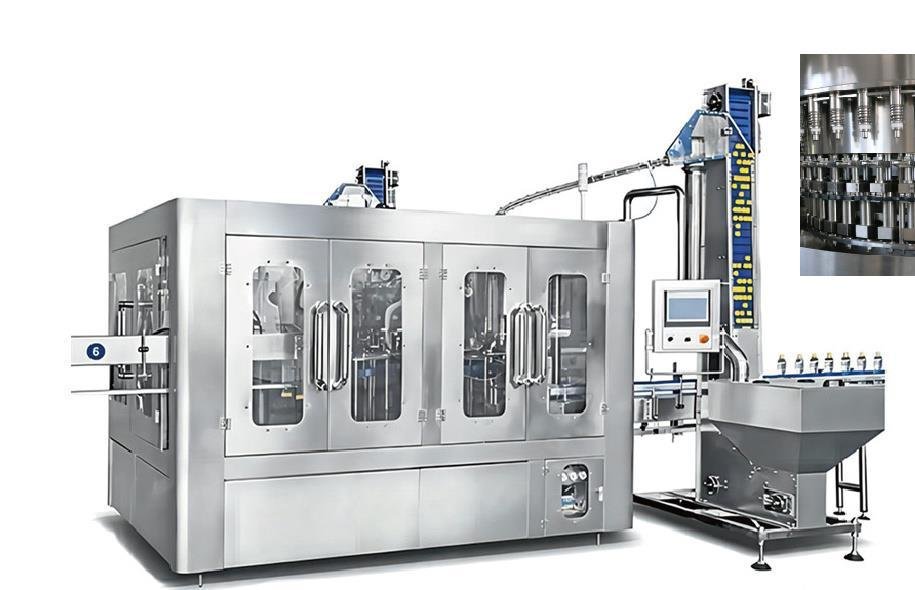
The process illustration supports scope discussion. The XGF equipment image is reproduced from page 9 of the Allot Tech 2026 catalog; use the catalog and project documents to review the applicable configuration.
Buyer questions
Frequently asked questions
What does a carbonated beverage mixer do?
It can combine treated water and syrup or concentrate, reduce dissolved air, cool the drink, dissolve carbon dioxide and supply controlled product to the filler. The exact scope varies.
Why is deaeration used?
Reducing dissolved air can support product quality and more stable carbonation, but the required target and method should be confirmed for the beverage and process.
How should carbonation be accepted?
Agree the product temperature and pressure, measurement method, sampling point, instrument status, target range, run duration and response to out-of-range results.
Is the mixer part of the filling line FAT?
It should be tested to the agreed integrated boundary when representative ingredients, utilities and filler conditions are available; limitations should transfer to site testing.
Project discussion
Discuss a Carbonated Beverage Mixing System
Send the beverage, package files, required output, factory conditions, destination and current project stage.