
How we work
How Allot Tech Works
Two business paths, one principle: define the requirement before comparing price, production or delivery promises.
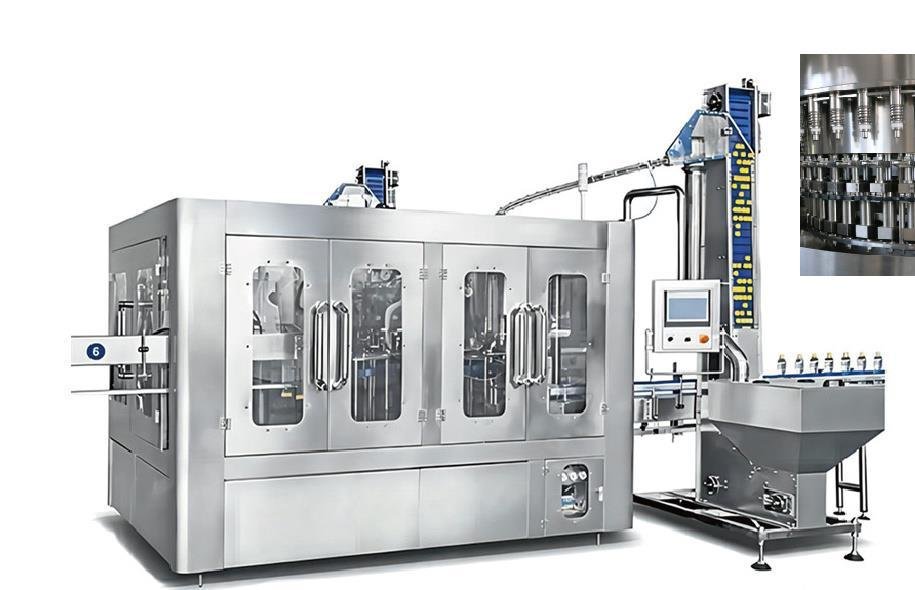
Beverage project path
From product and package to a working line.
- Beverage and container definition
- Process and equipment scope
- Utilities and layout
- Technical and commercial proposal
- FAT and documentation
- Packing, delivery and startup
Textile business path
From end use and handfeel to fabric order.
- End use and fabric direction
- Composition, weight and finish
- Color or reference sample
- Development and quotation
- Sample approval
- Order and delivery follow-through
Control points
Keep assumptions, changes, risks and evidence visible as the project moves.
Each stage should end with a decision record: what was approved, which evidence supported it, what remains open, who owns the action and whether the next commitment can proceed.
Before order
Freeze the comparison basis, responsibility matrix, approved references, exclusions and required documents.
Build the decision brief →During production
Control revisions, approvals, change impact, risk triggers and the evidence needed for inspection or FAT.
Review technical documents →Before release
Close acceptance records, roll or serial identity, punch-list ownership, packing, handover and site readiness.
Review risk ownership →Working outputs
What each stage should produce.
A clearer brief
Product, application, scope, assumptions, missing inputs and decision requirements.
A comparable proposal
Inclusions, options, exclusions, responsibilities, commercial basis and schedule.
A visible next step
Approval, sample, inspection, FAT, shipment, installation or follow-up action.
Project discussion
Start with the current project stage.
Tell us what is already confirmed, what remains unclear and which decision you need to make next.