
Allot Tech (Suzhou) Co., Ltd.
Fabric abrasion testing: make the report answer the purchasing problem
A large cycle count is useful only when the method, endpoint, fabric identity and intended garment are understood.
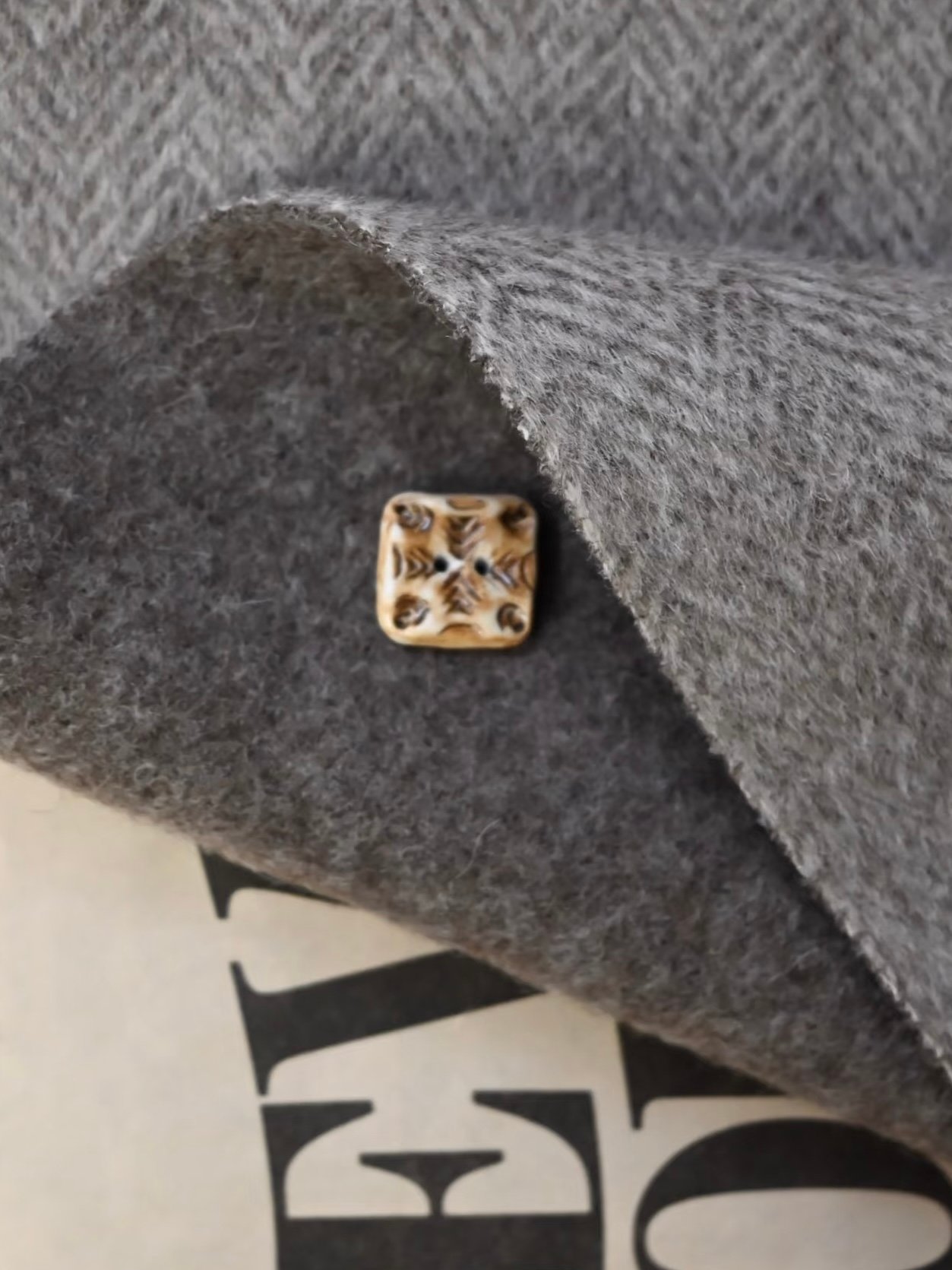
Procurement guidance, not a machine setting or laboratory result
Solve the buying question in front of you
Define the garment wear concern first, then agree the test method, specimen condition, assessment endpoint and representation of the order. Compare like-for-like reports and retain the sample identity. Abrasion, pilling, rubbing colourfastness and seam performance answer different questions. A laboratory result supports a defined material decision; it does not by itself predict a coat’s service life or establish a universal commercial acceptance limit.
Translate the complaint into a testable question
An elbow becoming thin, a raised surface becoming polished, pills forming under a bag strap and colour transferring to another material are different observations. Begin with photographs, the garment area, fabric direction and exposure history. Identify whether the buyer is screening development options, investigating a returned garment or deciding how a bulk order will be represented. The useful test plan follows that decision rather than a fashionable cycle number.
Keep garment construction in view. Reinforcement, lining, seams, fit and contact surfaces may influence the complaint. A flat fabric specimen cannot reproduce every condition at an edge or a folded seam. Describe what the laboratory comparison is intended to establish and what needs a separate garment or assembly evaluation. This prevents an apparently successful fabric test from being used to answer an untested construction problem.
Distinguish abrasion from pilling and rubbing colour transfer
Abrasion testing examines deterioration under a specified rubbing action and evaluation procedure. Pilling concerns surface pills and related appearance changes under its own assessment. Rubbing colourfastness concerns transfer of colour to another material. A report that mentions Martindale equipment still needs the exact method and endpoint; equipment terminology alone does not make all its results comparable.
Request the relevant report for each claim on the specification sheet. Do not turn a pilling grade into an abrasion cycle count, or use an abrasion result as evidence of colourfastness. For a wool-blend coat program, agree whether the commercial concern is appearance, material breakdown, colour transfer or a combination. Treat an omitted result as unverified rather than assuming that another favourable test covers it.
Read the method and endpoint before reading the number
Ask the laboratory to identify the method and edition, specimen preparation, test conditions and stopping or assessment criterion. ISO 12947 has separate parts; name the required assessment rather than citing the series alone. A result for specimen breakdown is a different item from a result describing mass loss or appearance change. Check whether testing stopped at the requested count without reaching the endpoint.
Read qualifiers and individual specimen results as well as the headline. A statement that no breakdown was observed by the requested stopping point does not prove that breakdown occurred at that number. Keep the unit, count and observation together. If the report omits information needed for the comparison, ask for clarification before sorting suppliers by the largest number in a spreadsheet.
Link the specimen to the fabric that will actually be supplied
Record the article, fibre declaration, construction, nominal mass, usable width, colour, finish and sample revision. Give each submitted specimen a traceable code and keep the submission photograph or seal record. Identify whether it comes from a development cut, a pilot run or a named bulk lot. A report for a similar-looking cloth or a previous finish is not automatic evidence for the current order.
Agree who chooses and submits the material, which lots it represents and what retained material will be available for a review. Describe selection across colour or finish changes when relevant. Do not present this planning checklist as a universal sampling scheme; the parties and laboratory must decide a suitable representation plan. Record any deviation so a buyer can see the limit before approving purchase or shipment.
Compare quotations with matched test conditions
Build a comparison sheet containing the material code, method, endpoint, preparation, reported count, observations and report issuer. Where practical, compare candidate fabrics through the same agreed laboratory and program. If existing reports use different methods or endpoints, mark them as different evidence and ask whether matched testing is necessary for the decision. Do not invent a conversion factor between unrelated rubbing methods.
Consider handfeel, drape, appearance and garment construction alongside the result. A heavier or differently finished article may behave differently in cutting and sewing even if its abrasion result is favourable. Ask the supplier which article was priced and which one was tested. A development improvement should be evaluated against the complete approved fabric specification, not accepted solely because one test number increased.
Agree a review process before a disputed result arrives
ASTM D4966 flags interlaboratory variation; agree how conflicting reports will be reviewed. Identify the controlling specification, sample identity, retained material, communication deadline and authorised decision maker. Discuss with the laboratory whether repeat testing, a matched comparison or another evaluation is appropriate. Keep the original report and qualification visible rather than silently replacing it with a more favourable result.
Set commercial limits and remedies with the actual contracting parties. This guide does not impose a universal coat-fabric threshold or provide legal terms. Where release depends on evidence, name who reviews the full record and what happens while a question remains unresolved. A transparent dispute path is more useful than treating a single laboratory number as an unquestionable measure of every roll in a shipment.
Carry development evidence into the bulk-order record
Keep the approved article, reference swatch, applicable reports and accepted deviations together. When colour, composition, finishing or a manufacturing resource changes, document the change and ask which checks must be repeated. A continuity statement should identify the evidence supporting it. Avoid recycling an old PDF with no connection to the current lot, even when the commercial article name remains unchanged.
At handover, connect the laboratory evidence to the roll and packing records that identify the shipment. Explain which results represent the agreed sample and which inspections address bulk condition. Retain the buyer’s approval and any outstanding action. Allot Tech coordinates the inquiry and confirmed specialist resources; actual material claims, supply responsibilities and test obligations must be agreed for the named fabric program.
Evidence and decision matrix
| Purchase concern | Relevant evidence | What it does not establish |
|---|---|---|
| Fabric wears thin | Agreed abrasion method and breakdown assessment | A guaranteed number of years of wear |
| Surface forms pills | Applicable pilling method, grade and observation | An abrasion count or colourfastness result |
| Colour rubs onto another material | Agreed dry or wet rubbing colourfastness evidence | Structural resistance to wear |
| Two laboratories disagree | Matched identity, methods, conditions and retained specimens | Automatic rejection based on whichever result is lower |
Worked review scenario
Hypothetical case: 30,000 and 50,000 cannot yet be ranked
One offer includes a report saying no breakdown at a requested stopping count. Another lists a different count but does not identify the evaluation endpoint. The buyer initially favours the larger figure. Before deciding, the review matches the article and finishing revisions, asks both laboratories to explain the endpoints and records which specimens represent the quoted material. If the reports still answer different questions, the buyer requests an agreed comparison rather than inventing a percentage advantage. The final selection also considers handfeel, garment construction and price for the same article. These illustrative counts are not an Allot Tech specification, a stock-fabric claim or a universal coat-fabric threshold.
Prepare the request
Material identity
Article code, composition declaration, construction, colour, finishing revision and development or bulk-lot identity.
Use and concern
Garment area, wear or appearance symptom, photographs and the purchasing decision to be made.
Test basis
Method and edition, assessment endpoint, specimen preparation, laboratory and any existing qualified reports.
Order control
Representative sampling agreement, retained material, report review, change control and dispute responsibilities.
Technical reference and its limits
External technical references explain the context. They do not certify an Allot Tech machine or fabric, and their proprietary capabilities are not part of a quotation unless expressly confirmed.
Confirm method applicability with the laboratory, especially for coated, laminated or otherwise specialised materials; a familiar method name does not establish that the specimen is within its scope.
Buyer questions
Is a higher Martindale figure always the better coat fabric?
Only compare results with a compatible method, endpoint and material identity. Consider the garment, handfeel and other specification requirements as well.
Can a pilling grade replace abrasion testing?
No. Surface pilling and abrasion deterioration are different questions, even if similarly named equipment is used.
Does this guide set a minimum cycle count?
No. Define the end use and agree a suitable test and commercial basis with the responsible parties and laboratory.
Does an abrasion report prove the fabric is certified?
No. A report for a submitted specimen is not a certification, and it does not establish untested fibre-origin, composition or whole-shipment claims.
Discuss the project
Send the available documents and the decision that needs review.