
Beverage engineering guide
Juice Filling with Pulp and Fruit Particles
Turn “juice with pulp” into a measurable product brief before comparing filling equipment.
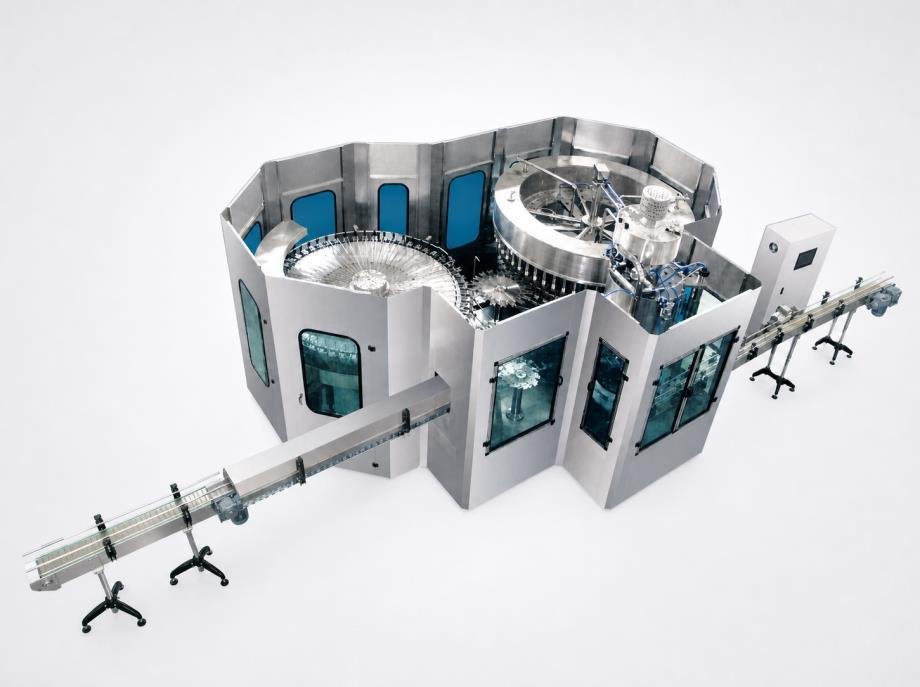
Use this guide to prepare a reviewable request. Confirm the selected article or equipment, test basis and responsibilities in the project scope.
Updated October 17, 2026Direct answer
Confirm the actual particles and process before selecting a filler.
For a juice containing pulp or fruit pieces, specify particle size distribution, shape, concentration, product condition and the acceptable finished-pack result. Ask the equipment resource to review the complete product path and dosing concept, then demonstrate the proposed configuration using representative product and packaging. A juice/tea model name or water-based capacity rating does not confirm particle capability, aseptic operation or shelf life.
Describe the product at the filler, rather than only the recipe name.
Record the liquid base, pulp or inclusion type, typical and maximum particle dimensions, size distribution and concentration basis. Include shape, softness, fibers, tendency to settle or float and the observed variation between batches. Distinguish fine dispersed pulp from discrete fruit pieces: two products called orange juice may require different handling and distribution control.
State the product condition at filling, including the approved temperature range and relevant viscosity or flow behavior with its measurement basis. Give the process specialist’s preparation, holding and preservation brief. Recipe preparation, thermal treatment and packaging suitability must be resolved together; this page supplies procurement questions and does not prescribe a food-safety process.
Review every restriction and the proposed dosing architecture.
Map preparation tank, mixer, transfer pump, pipework, fittings, valves, holding vessel and filling path. Ask how the proposed design maintains an acceptable product distribution without unacceptable damage or settling. Identify restrictions and recirculation points, and request the engineering basis for the actual particle envelope rather than an isolated maximum-size claim.
Equipment architectures differ. Some systems dose a mixed product; others use a separate particle dose and liquid fill. The existence of either approach does not establish that an RXGF configuration offers it. Require the resource to describe the actual quoted arrangement, the control of each component, format changes and what happens during stops, restart and product changeover.
Make product distribution and loss visible in the trial.
Use representative product that includes the agreed particle extremes and approved bottles and closures. Record temperature, concentration, product age or holding condition, machine settings and trial duration. Sample at defined intervals and after agreed stop/restart events. Review net content and the distribution of liquid and particles against a pre-agreed method, rather than approving only an attractive first bottle.
Check blockage, foaming, particle damage, residual product, discharge behavior and cleaning access. Define how the product-contact path is cleaned and verified by the responsible hygiene team. Agree where trial losses are measured and how remaining product is handled. A result for one recipe and format should be identified as such, with a clear review requirement when the recipe or inclusions change.
Problem case: the first bottles pass, but later samples contain different solids
Use an illustrative trial to separate the questions being asked. A net-content result answers how much product is in a pack under its method; it does not automatically describe the distribution of fruit pieces. Agree with the responsible technical parties how liquid and inclusions will be assessed, where samples will be taken and how product preparation and holding conditions are recorded. Keep the criteria connected to the actual recipe rather than importing a limit from another beverage.
Record the representative product batch, inclusion type, size distribution, concentration basis, condition at filling and the elapsed holding period. The test should cover the agreed running period and relevant stop/restart events, not just the first attractive sample. Preserve the identity and time or sequence of each sample so a change can be related to the run. If the product used in the test does not represent the intended extremes, state the limitation rather than describing the recipe as qualified.
When results vary, ask the supplier to review the complete path and proposed control approach, including preparation, holding, pumping and dosing. Do not assume that changing a filler setting alone solves every distribution problem. The responsible resource should identify the suspected mechanism, proposed trial, controlled variables and acceptance evidence. Preserve the initial record before adjustments so a later improvement has a meaningful comparison.
Problem case: the offer says “pulp compatible” but the path is not described
Request a marked flow path from the agreed preparation boundary to the closed pack. For each relevant module, identify the quoted configuration, its responsibility and the product conditions on which the proposal depends. Ask how product is introduced, held, mixed or recirculated where applicable, transferred and dosed. An isolated statement about a maximum particle dimension does not establish the performance of the entire route.
Have the supplier explain whether the actual design fills a mixed product or uses separate dosing steps. If components are dosed separately, the proposal should identify what controls each portion and what checks establish the accepted finished pack. If a mixed stream is proposed, ask how the required distribution is maintained through the declared run and interruptions. These are questions for the selected design, not claims that the Allot Tech catalog includes a particular proprietary architecture.
Keep cleaning and product recovery in the same scope conversation. Define which path, vessels and connections are included, who supplies the cleaning system and who approves verification. Identify residual product and handling during a stop or changeover. A connection marked CIP does not by itself establish a validated cleaning process, just as a successful water run does not establish the behavior of fruit pieces.
An inquiry and trial record that can close the product question
Prepare the product description, representative samples, packaging files, approved process brief, target output and test request together. Identify what is already known and what the supplier must review. The request can ask for accepted output, net-content performance, inclusion distribution, damage, blockage, losses and cleaning evidence, but the exact methods and criteria must be agreed for the recipe. Do not prescribe arbitrary numeric limits simply to complete a checklist.
During the review, distinguish design confirmation, development trials and contractual acceptance. Record which configuration was evaluated, which materials were used and which questions remain open. Where a substitute trial material is necessary, name the difference and the additional evidence needed before product release. A result should remain tied to its recipe, package and conditions instead of becoming a statement that every juice with pulp is covered.
For a later recipe change, compare inclusion type, size distribution, concentration, liquid behavior, process and package with the approved basis. Let the responsible parties decide what reassessment is required. Send that comparison with the next inquiry so a familiar marketing name does not hide a materially different product. Allot Tech coordinates this clarification; the responsible process and equipment specialists must confirm the engineering and acceptance commitments.
Resolve these proposal gaps before comparing prices.
The answers belong to the selected design and trial, not to a generic juice category.
| Question | Useful proposal evidence | Gap to avoid |
|---|---|---|
| What is the particle envelope? | Declared size distribution, maximum dimensions, concentration and product condition. | Only a statement that the machine handles pulp. |
| How is the dose formed? | Actual mixed-product or separate-dose arrangement and its control basis. | Assuming a proprietary architecture is standard on every filler. |
| How is consistency tested? | Sampling points, particle-distribution method, net-content checks and restart tests. | A short water trial presented as product approval. |
| How is the path cleaned? | Included cleaning boundary, access, draining and required verification. | Treating a CIP connection as proof of a validated process. |
Prepare the request
Send the inputs needed to review this requirement.
Product sample
Recipe family, inclusion description, dimensions, concentration and variability.
Process brief
Approved treatment and filling condition, holding time and hygiene responsibilities.
Package
Bottle and closure drawings, fill quantity and intended storage conditions.
Output
Named format and accepted-pack target under the declared product conditions.
Trial request
Sampling, dose distribution, blockage, damage, loss and cleaning acceptance basis.
Reference basis
Primary sources for the technical context.
The checklists are Allot Tech procurement guidance. External manufacturer examples do not establish the capabilities of a quoted Allot Tech configuration.
- Krones: Modulfill VFJ juice filling
Manufacturer example showing that juice filling and particle dosing have configuration-specific solutions. Its capacities and proprietary functions are not claimed for Allot Tech equipment.
Frequently asked questions
Can RXGF equipment fill any juice with pulp?
That cannot be inferred from the catalog category. Submit the actual product and particle specification and obtain written confirmation of the quoted configuration and trial basis.
Does a larger filling valve solve particle handling?
Valve passage is one part of the path. Review pumps, fittings, holding, distribution and dosing controls together with filling and cleaning.
Can a water trial verify a fruit-particle juice line?
It can help check basic operation but does not represent the product’s particle distribution, flow, damage or cleaning behavior. Use an agreed representative-product trial.
Project discussion
Discuss this line requirement
Include the available specifications, samples or files, project stage and destination so the next review can address the actual requirement.