
Fabric quality & purchasing
Fabric Seam Slippage & Strength Testing
A fabric can look suitable for a coat and still behave poorly at a loaded seam. Review fabric and garment construction together before approving bulk.
Published by Allot Tech. Project contact: founder Mr Kcal. Final engineering, performance, materials, compliance, manufacturing responsibility and commercial terms must be confirmed for the selected resource and signed project scope.
Updated September 14, 2026
Direct answer
Seam performance belongs to a defined fabric-and-stitch assembly.
Fabric seam testing evaluates how a specified sewn assembly behaves under the selected test conditions. Yarn movement at a seam, thread breakage and fabric rupture are different findings, so the report should identify the failure mode as well as the measured result. For woven outerwear, provide the garment use, fabric direction, seam construction, thread, stitch density and finishing condition to the laboratory. Select an applicable method and project-specific acceptance criteria with the garment team. A passing fabric tensile result does not automatically prove seam performance in the finished garment.
Project definition
Start with the complete decision basis.
A fabric can look suitable for a coat and still behave poorly at a loaded seam. Review fabric and garment construction together before approving bulk.
Garment use
Coat or jacket style, seam locations, fit, lining and areas expected to carry load during wear.
Fabric identity
Article, composition, weight, weave, finish, face, lot and warp/weft directions.
Sewn assembly
Seam and stitch type, seam allowance, thread, stitch density, needle and relevant reinforcement details.
Test request
Agreed method and edition, conditioning, direction, sample count, acceptance criteria and reporting of failure modes.
System or development path
Build a review sequence with named records and decision owners.
Identify the critical seam
Choose a garment construction that represents the actual concern instead of an unspecified generic stitch.
Prepare labeled specimens
Keep direction, fabric lot and sewing settings with the sample set sent to the laboratory.
Review the failure mode
Read the result together with yarn movement, thread breakage, fabric rupture and any test limitations.
Confirm the production assembly
Retest an approved change in fabric or construction where needed and release the specific combination.
Quotation comparison
Agree the comparison basis before sampling or ordering.
| Decision area | Buyer should provide | Proposal should clarify |
|---|---|---|
| Test relevance | Garment use and critical seam locations. | Reason the chosen test answers the garment question. |
| Assembly control | Defined thread, stitch, seam and allowance. | Preparation record and any departures from the specified method. |
| Direction | Labeled warp and weft orientation. | Direction-specific results with no unexplained averaging. |
| Bulk release | Approved fabric and assembly revisions. | Traceable report and garment-trial disposition. |
Buyer working matrix
Seam performance belongs to a defined fabric-and-stitch assembly.
Use these fields to make a laboratory report useful for the garment decision.
| Field | Required context | Review question |
|---|---|---|
| Fabric | Article, lot, finish and direction | Does this represent bulk? |
| Assembly | Thread, stitch, allowance and seam | Does this represent garment construction? |
| Result | Measured outcome and failure mode | What failed, and how? |
| Disposition | Change, retest or approval | Which combination is released? |
Solve the next project problem
Close these proposal gaps before price becomes the decision.
Use the brief below to turn a vague supplier conversation into questions that can be answered and documented.
Make this decision comparable.
Send: Garment use and critical seam locations.
Require: Reason the chosen test answers the garment question.
Make this decision comparable.
Send: Defined thread, stitch, seam and allowance.
Require: Preparation record and any departures from the specified method.
Make this decision comparable.
Send: Labeled warp and weft orientation.
Require: Direction-specific results with no unexplained averaging.
Send the garment use, reference swatch or images, finished specification, color plan, quantity, destination and required date. The Allot Tech Project Desk can help organize the first comparison.
Decision evidence
Keep project evidence connected to each approval and release decision.
Evidence should be identified before the order or approval stage so both sides know what will support the next decision.
Approved physical standard
Keep an identified swatch or garment reference with the approved face, color, surface and handfeel direction.
Finished specification
Record composition, weight, usable width, construction or article, finish, color and agreed tolerance basis.
Development and approval trail
Link submissions, comments, changes, test requirements and final approval status to the order.
Bulk follow-through record
Keep lot and roll identity, shade information, inspection findings, packing and release decisions traceable.
Distinguish slippage from a broken thread
A seam opening can result from yarn movement, failure of the sewing thread, rupture of the fabric or a combination. These observations can lead to different next steps. Preserve photographs and the specimen identity so the garment technologist can review the mechanism instead of adjusting stitch density solely because one number is low.
- Record the observed failure mode
- Keep specimen photos with the report
- Avoid changing several variables at once
Test the construction the order will actually use
Seam allowance, thread and stitch type are part of the tested system. If the laboratory makes a standard assembly, state how it differs from the planned garment and what additional garment trial is needed. A loosely woven tweed and a compact melton may require different development attention, but neither should be accepted or rejected by its category name alone.
- Document standard versus production assembly
- Review critical garment panels
- Link the trial to the approved article
Keep the test conclusion within its scope
Laboratory seam tests provide controlled evidence, not a prediction of every wear condition. Combine them with the appropriate garment trial and the buyer specification. When the finishing route, fabric construction or seam engineering changes, decide whether earlier evidence remains applicable and record the reasoning before bulk release.
- Check lot and finish identity
- Record changes since sampling
- Assign final garment approval
Decision gates
Move forward when the next commitment has enough written evidence.
Project stages overlap, but each commercial commitment should have a visible basis, named approvers and a list of unresolved items.
Development basis approved
The garment use, signed physical reference, written specification, color and requested sample stage describe the same fabric direction.
Bulk standard released
The accepted sample, measurable tolerances, required tests, quantity, lot plan and approved changes are recorded before production.
Shipment evidence accepted
Roll and lot identity, shade grouping, inspection or test findings, packing and authorized disposition support release.
Before requesting a proposal
Build one brief that every resource can answer on the same basis.
This page is designed to help an international buyer prepare a clearer discussion, not to replace the responsible resource’s engineering or the buyer’s professional review.
Garment
End use, season, silhouette, market and construction priorities.
Reference
Physical swatch or garment, marked face, color and attributes to match.
Specification
Composition, finished weight, usable width, construction, finish and tolerances.
Development
Sample type, meters, colors, approval stages and decision dates.
Bulk plan
Quantity, inspection, testing, packing, destination and delivery window.
Allot Tech organized recurring buyer questions, project-scoping patterns, available catalog inputs and specialist-resource context into a decision sequence. No customer case, certification, output guarantee or factory ownership is implied unless separately verified for the named project.
Reference basis
Primary and specialist sources used to frame the buyer questions.
These sources support definitions and planning context. The current edition, local requirements and project-specific acceptance criteria still need confirmation by the responsible parties.
- ASTM D1683/D1683M-22
Official scope for failure testing in sewn seams of woven fabrics; obtain the method for specimen and test requirements.
Specialist textile context
Connect fabric development with weaving and finishing.
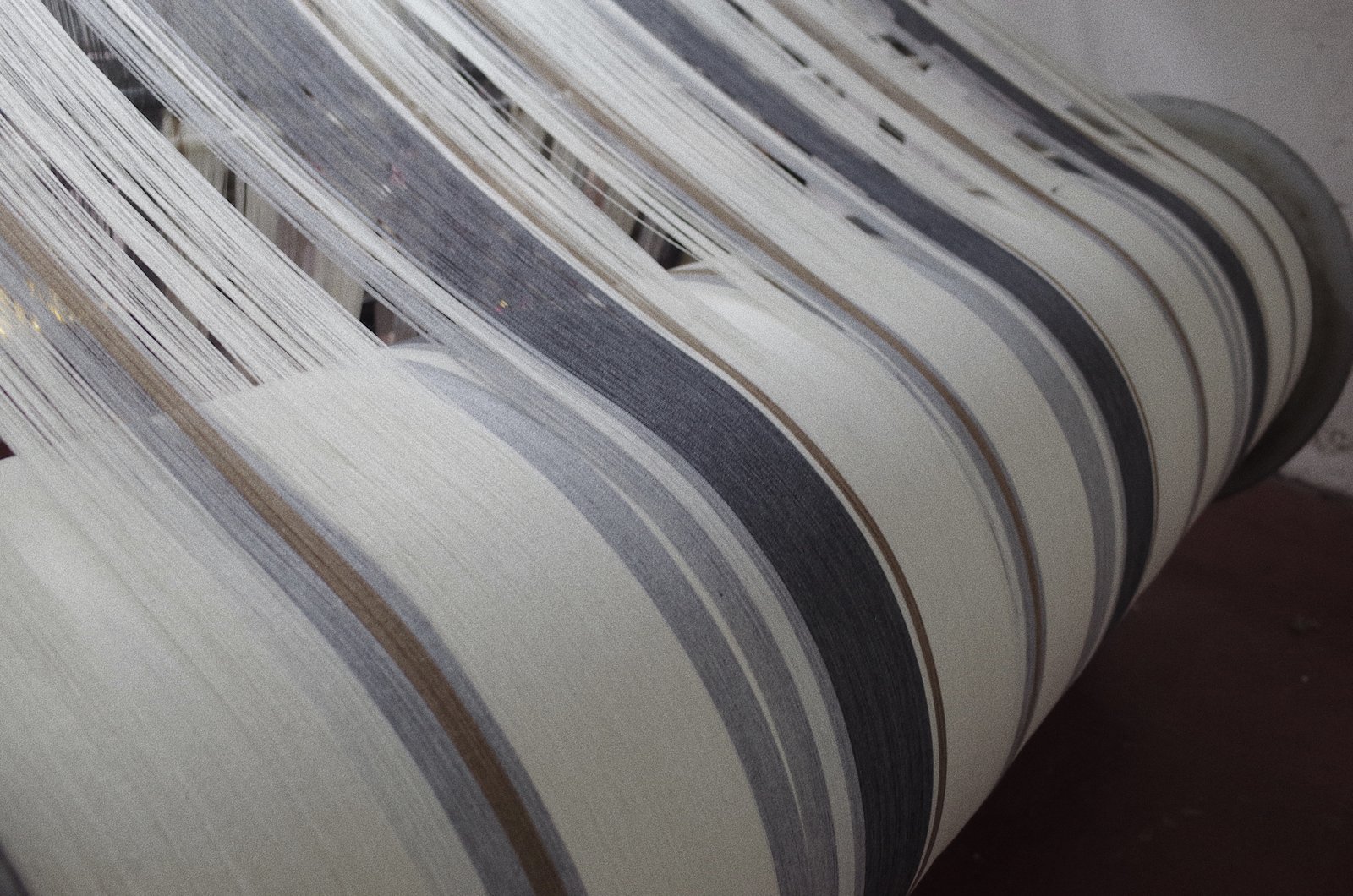
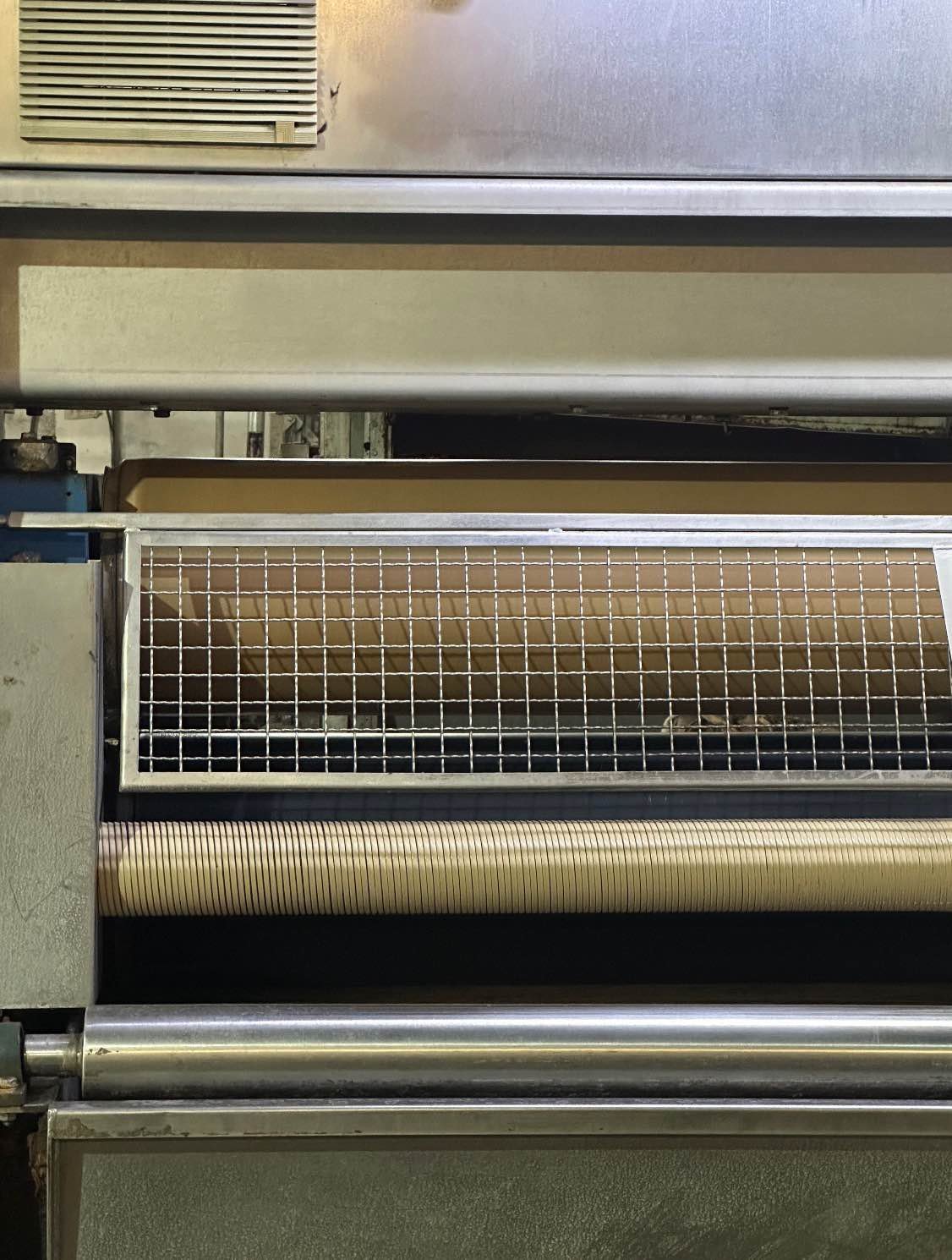
These production images are from Fred Textile, the connected specialist textile resource represented across the Allot Tech textile program.
Buyer questions
Frequently asked questions
Does tensile strength prove seam strength?
No. The sewn assembly introduces thread, stitches, seam geometry and possible yarn movement. Choose testing that addresses the seam concern directly.
Can one direction represent both fabric directions?
Do not assume it can. Define the directions and report them according to the agreed method and garment use.
Can stronger thread solve every seam failure?
No. First identify whether the failure involves thread, fabric rupture or yarn movement. Review the full assembly with the responsible specialist.
Project discussion
Discuss This Fabric Program
Send the garment use, reference swatch or images, finished specification, color plan, quantity, destination and required date.