
Beverage quality & acceptance
Beverage Product Loss & Mass Balance
Follow the beverage quantity through the line to separate packaged product, recoverable stock, measured loss and unexplained differences.
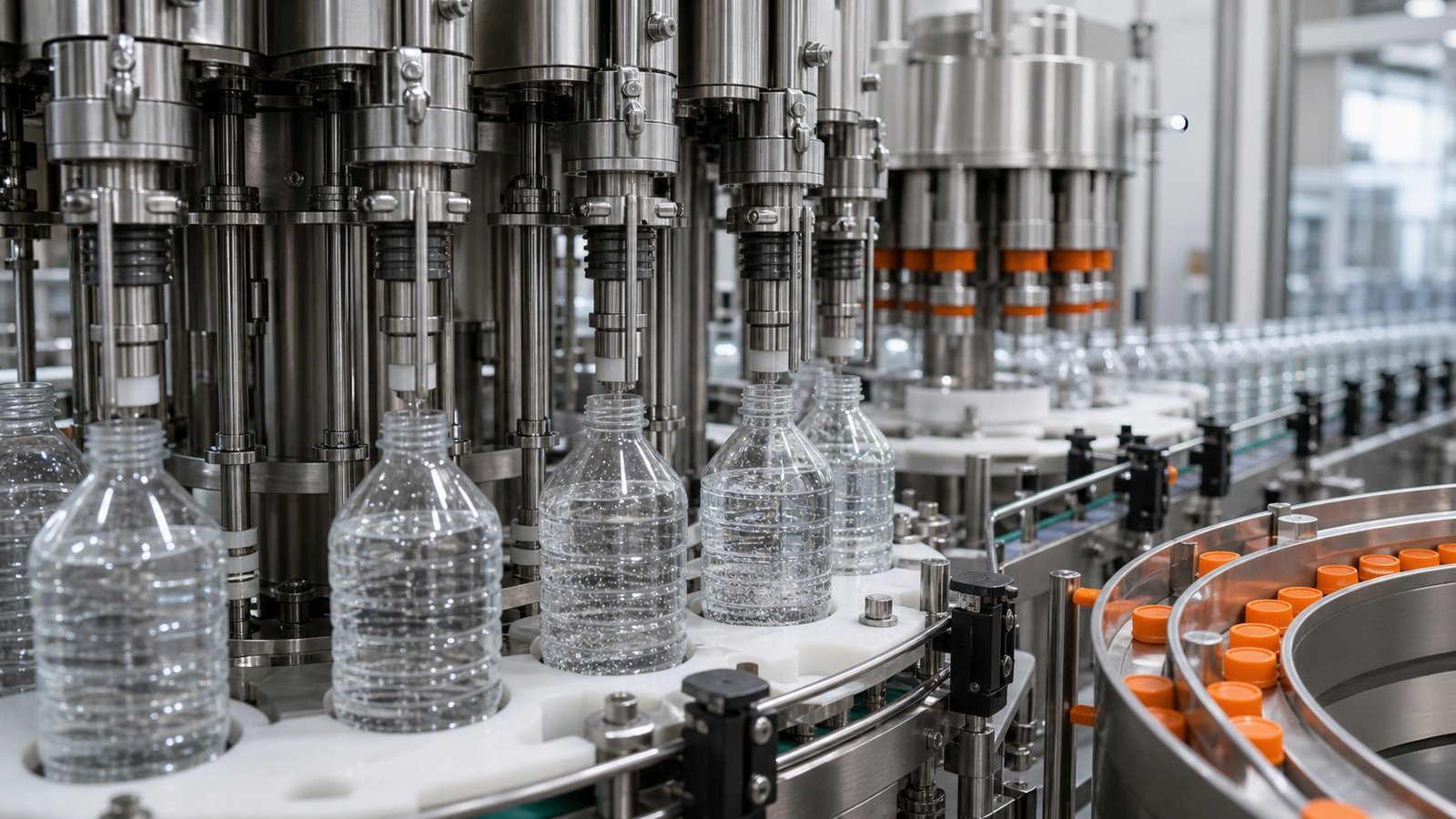
Published by Allot Tech. Project contact: founder Mr Kcal. Final engineering, performance, materials, compliance, manufacturing responsibility and commercial terms must be confirmed for the selected resource and signed project scope.
Updated September 14, 2026
Direct answer
Reconcile every quantity once, then investigate the remainder.
A beverage product-loss mass balance reconciles opening inventory and measured input with good packaged output, closing inventory, documented samples, rejects and other measured removals. Use one defined batch or time interval and one consistent mass or volume basis. Product remaining in tanks and pipes is not automatically waste. A gap in the balance is initially an unexplained difference, which may include measurement error; it is not proof that the same quantity went to drain. Keep this analysis separate from OEE, which combines time, speed and quality under its own definitions.
Project definition
Start with the complete decision basis.
Follow the beverage quantity through the line to separate packaged product, recoverable stock, measured loss and unexplained differences.
Boundary
Batch or time window, start and end states, tanks, transfer lines, filler, reject stations and output counting point.
Measurement basis
Mass or temperature-referenced volume, instrument identity, calibration, density basis and counter timing.
Disposition categories
Good product, usable closing stock, quarantined stock, samples, rejects, recovered product and measured waste.
Decision use
Loss-reduction target, measurement uncertainty, cost inputs and who may approve recovery or disposal.
System or development path
Build a review sequence with named records and decision owners.
Mark the system boundary
List every inlet, outlet and inventory location that crosses the selected batch or time window.
Collect matched readings
Capture opening and closing inventories alongside input and output counts, using synchronized timestamps.
Reconcile destinations
Assign documented quantities once to good product, stock, samples, rejects or waste; leave unexplained gaps visible.
Investigate the largest uncertainty
Check units, instruments and inventory assumptions before attributing a difference to equipment performance.
Quotation comparison
Agree the comparison basis before sampling or ordering.
| Decision area | Buyer should provide | Proposal should clarify |
|---|---|---|
| Input basis | Measured feed and opening stock. | Units, meter boundary and timestamp. |
| Output basis | Good packs and representative actual fill. | Quantity calculation and treatment of samples. |
| Inventory | Tanks, lines and recoverable product. | Opening and closing states and disposition. |
| Loss classification | Rejects, spills, drains and unknown difference. | Measured evidence without double counting. |
Buyer working matrix
Reconcile every quantity once, then investigate the remainder.
The example uses kilograms throughout; it is an illustration and not a guaranteed process yield.
| Quantity | Illustrative value | Treatment |
|---|---|---|
| Opening stock plus input | 200 + 10,000 kg | Available quantity: 10,200 kg |
| Accepted packs | 9,800 kg | Good output |
| Stock, samples and measured loss | 150 + 50 + 100 kg | Other documented destinations |
| Unexplained difference | 100 kg | Investigate measurement and inventory |
Solve the next project problem
Close these proposal gaps before price becomes the decision.
Use the brief below to turn a vague supplier conversation into questions that can be answered and documented.
Make this decision comparable.
Send: Measured feed and opening stock.
Require: Units, meter boundary and timestamp.
Make this decision comparable.
Send: Good packs and representative actual fill.
Require: Quantity calculation and treatment of samples.
Make this decision comparable.
Send: Tanks, lines and recoverable product.
Require: Opening and closing states and disposition.
Send the beverage, package files, required output, factory conditions, destination and current project stage. The Allot Tech Project Desk can help organize the first comparison.
Decision evidence
Keep project evidence connected to each approval and release decision.
Evidence should be identified before the order or approval stage so both sides know what will support the next decision.
Approved engineering basis
Keep the signed specification, equipment list, package files, layout and interface responsibilities under revision control.
Manufacturing progress record
Identify agreed drawings, component confirmations, photographs, open questions and approval decisions by date.
Test and acceptance record
State configuration, materials, operating conditions, measurements, results, punch-list items and release status.
Delivery and handover package
Connect packing, serial numbers, manuals, backups, spare parts, training and support contacts to the delivered scope.
Worked example: a quantity gap is not yet a waste finding
For illustration only, suppose a trial begins with 200 kg in the system and adds 10,000 kg. It ends with 9,800 kg in accepted packs, 150 kg of retained product, 50 kg of samples and 100 kg of measured rejected or drained product. The known outputs total 10,100 kg against 10,200 kg available, leaving 100 kg unexplained. Check inventory and measurement records before recording that final 100 kg as process waste. These are hypothetical numbers, not a production benchmark.
- Available quantity: 10,200 kg
- Accounted quantity: 10,100 kg
- Unexplained difference: 100 kg
Do not mix nominal fill with measured mass without explanation
Container count multiplied by label volume may be useful for planning, but it is not necessarily actual packaged quantity. Fill variation, density and temperature can affect a reconciliation. If only nominal quantities are available, label the estimate and show the uncertainty. Keep finished-package reject counts separate from liquid mass unless the conversion basis is documented.
- Identify actual versus nominal fill
- Keep mass and volume conversions explicit
- Align counters to the same time interval
Use loss locations to improve the quotation
A product balance can reveal which interfaces need better measurement, draining control, buffer handling or startup management. Ask suppliers to identify hold-up volume, sample points and product-recovery options with their conditions. Recovery suitability belongs to the responsible quality and process team; potential recoverability is not permission to return material to production.
- Request a flow and inventory map
- List measurement points as quotation scope
- Approve any recovery route before use
Decision gates
Move forward when the next commitment has enough written evidence.
Project stages overlap, but each commercial commitment should have a visible basis, named approvers and a list of unresolved items.
Engineering basis approved
The product, package, output, equipment boundary, layout, utilities, responsibilities and open assumptions are controlled.
Manufacturing and test basis approved
Drawings, component schedule, test materials, acceptance conditions, documents and planned evidence are agreed.
Delivery and handover released
Punch-list closure, packing, shipment files, site readiness, installation scope, training and support ownership are visible.
Before requesting a proposal
Build one brief that every resource can answer on the same basis.
This page is designed to help an international buyer prepare a clearer discussion, not to replace the responsible resource’s engineering or the buyer’s professional review.
Product
Beverage, process, hygiene, shelf-life and operating conditions.
Package
Container, closure, label, code, finished pack and approved files.
Output
Required rate for a named format, shifts, annual plan and changeovers.
Factory
Measured space, utilities, access, drainage and local site constraints.
Project scope
Equipment boundary, documents, FAT, delivery, startup and destination.
Allot Tech organized recurring buyer questions, project-scoping patterns, available catalog inputs and specialist-resource context into a decision sequence. No customer case, certification, output guarantee or factory ownership is implied unless separately verified for the named project.
Reference basis
Primary and specialist sources used to frame the buyer questions.
These sources support definitions and planning context. The current edition, local requirements and project-specific acceptance criteria still need confirmation by the responsible parties.
- Krones: LineXpress
Manufacturer context for coordinating product and packaging material flow during order changes. The mass-balance example here is an original planning illustration.
Manufacturing context
Use equipment views to ask more specific project questions.
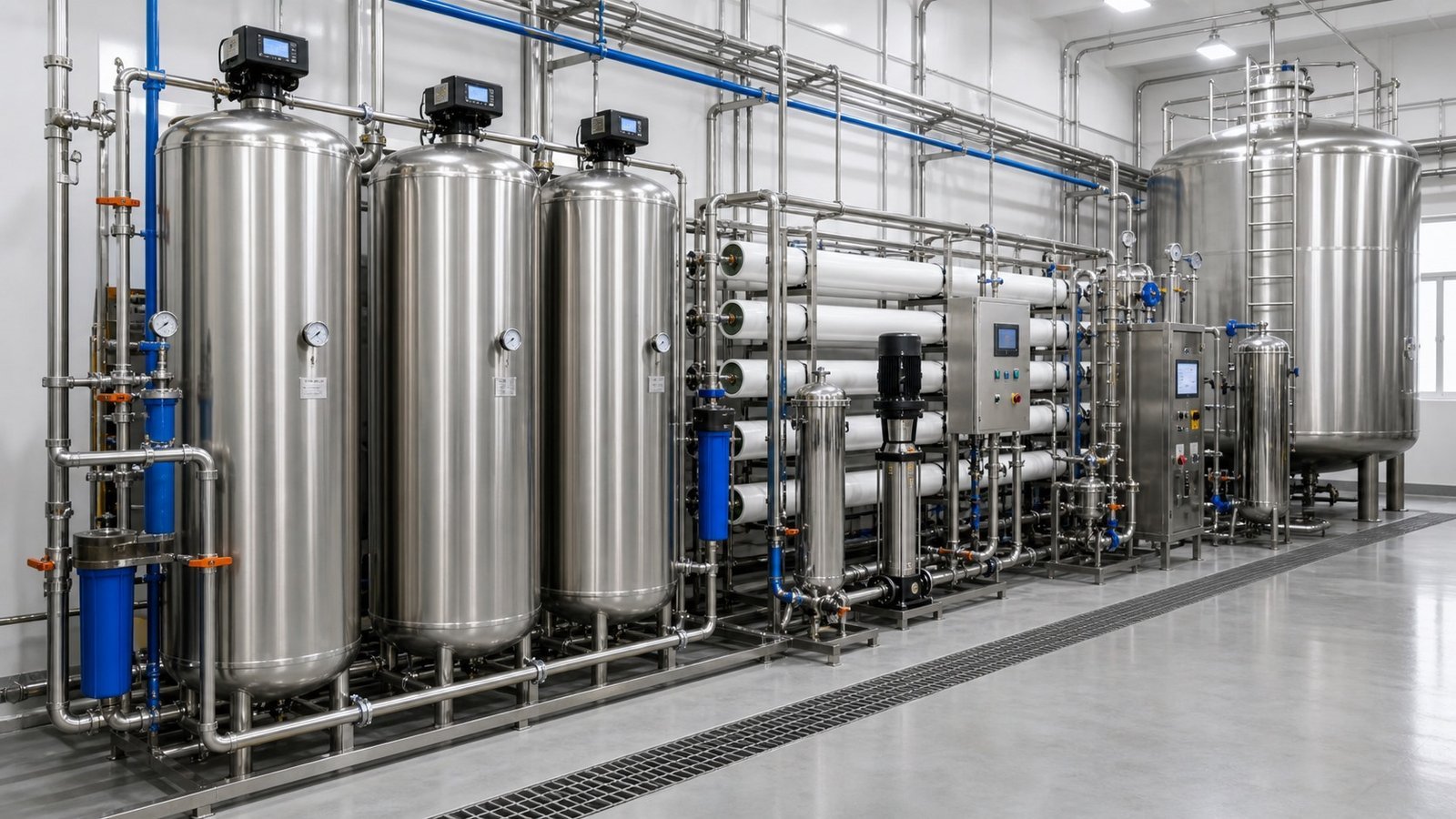
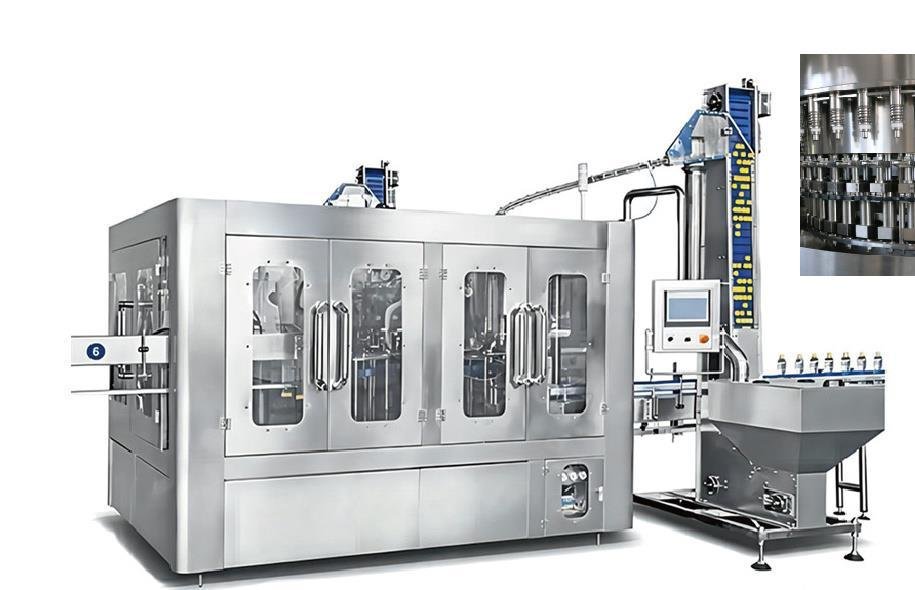
The process illustration supports scope discussion. The XGF equipment image is reproduced from page 9 of the Allot Tech 2026 catalog; use the catalog and project documents to review the applicable configuration.
Buyer questions
Frequently asked questions
Is product yield the same as OEE?
No. Product yield follows material quantities. OEE follows an agreed time, ideal-speed and good-unit framework. They can support the same investigation but are not interchangeable.
Should all product left in piping be counted as loss?
Classify it according to the end-of-run state and approved disposition. Some may remain usable stock; some may require disposal. Record the decision.
Can this method guarantee a specific saving?
No. Savings depend on verified baseline data, technical changes and the actual operating conditions. The balance identifies questions to investigate.
Project discussion
Discuss This Beverage Project
Send the beverage, package files, required output, factory conditions, destination and current project stage.