
Color performance planning
Fabric Colorfastness Testing for Buyer Specifications
Match each colorfastness risk to a named exposure and test method instead of relying on one unsupported colorfastness claim.
Published by Allot Tech. Project contact: founder Mr Kcal. Final engineering, performance, materials, compliance, manufacturing responsibility and commercial terms must be confirmed for the selected resource and signed project scope.
Updated September 3, 2026Direct answer
One fabric can perform differently under wash, rubbing, sweat, water and light.
Colorfastness is exposure-specific. A buyer specification should create a test matrix for the actual product risks, such as washing, dry and wet rubbing or crocking, perspiration, water and light. For each row, name the standard and edition, test option, specimen and adjacent fabric, color and finish state, exposure conditions, assessment method, change-in-color and staining grades, acceptance values, sampling and retest rule. Do not combine different exposures into one overall grade.
Project definition
Start with the complete decision basis.
Dye class, fiber blend, shade depth, fixation, washing-off, reduction clearing, print system, finish and residual chemicals all affect performance. Dark, saturated, fluorescent, printed or contrasting products may need additional attention. The test plan should follow the buyer market and end use, then connect failures to controlled dyeing and finishing records rather than asking the mill for a generic guarantee.
End use and market
Garment or home-textile application, wearer contact, outdoor exposure, care claim and buyer standard.
Material and color risk
Fiber blend, dye or print system, shade depth, contrast panels, finish and sensitive adjacent materials.
Method matrix
Exposure, standard, edition, option, specimen, adjacent fabric, apparatus, conditions and assessment references.
Acceptance control
Color-change and staining grades, wet and dry distinctions, lot sampling, retest and corrective action.
System or development path
Build a separate evidence row for every relevant colorfastness exposure.
Map product risks
Identify care, skin contact, moisture, rubbing, outdoor light, trim transfer and market-specific buyer needs.
Select procedures
Name the approved method, edition and option for each relevant exposure without assuming equivalence.
Control specimens
Record article, lot, color, finish, direction, adjacent fabric, conditioning and any pre-treatment.
Run the exposure
Use controlled apparatus, solutions, temperature, time, pressure, cycles and drying as required.
Assess separately
Grade color change and staining under defined lighting with the specified scales or instrumental method.
Investigate and verify
Trace misses to dyeing, printing, washing-off, fixation, finishing or contamination and retest the controlled correction.
Quotation comparison
Create a test matrix instead of one colorfastness sentence.
| Decision area | Buyer should provide | Proposal should clarify |
|---|---|---|
| Exposure set | End use, care and destination. | Required wash, rubbing, perspiration, water, light or other method rows. |
| Method detail | Buyer-approved procedure. | Standard, edition, option, specimen, adjacent material and apparatus settings. |
| Assessment | Contractual grade requirements. | Color change, staining, wet or dry result, scale, lighting and averaging. |
| High-risk colors | Shade depth, print and contrast design. | Additional sampling, panel combinations, retained standards and escalation. |
| Bulk release | Lot definition and change control. | Sample count, test frequency, retest, disposition and approved process changes. |
Solve the next project problem
Close these proposal gaps before price becomes the decision.
Use the brief below to turn a vague supplier conversation into questions that can be answered and documented.
Make this decision comparable.
Send: End use, care and destination.
Require: Required wash, rubbing, perspiration, water, light or other method rows.
Make this decision comparable.
Send: Buyer-approved procedure.
Require: Standard, edition, option, specimen, adjacent material and apparatus settings.
Make this decision comparable.
Send: Contractual grade requirements.
Require: Color change, staining, wet or dry result, scale, lighting and averaging.
Send the garment use, reference swatch or images, finished specification, color plan, quantity, destination and required date. The Allot Tech Project Desk can help organize the first comparison.
Decision evidence
Keep every grade connected to its exposure, specimen and assessment conditions.
Evidence should be identified before the order or approval stage so both sides know what will support the next decision.
Test matrix
List each exposure with standard, edition, option, specimen, conditions and acceptance grade.
Material identity
Link fiber, construction, color, dye or print route, finish, lot, roll and production date.
Assessment record
Retain individual change and staining grades, lighting, reference scales, images and specimens.
Process response
Document failure investigation, dyeing or finishing correction, retest and bulk disposition.
Keep color change and staining as separate results
A specimen may retain its own shade while transferring color to an adjacent material, or the reverse. Record both outcomes exactly as required by the method.
- Report every assessment component
- Name the adjacent material
- Preserve individual grades
Treat wet and dry rubbing as different conditions
Moisture can change dye transfer and friction behavior. State wet and dry requirements independently and control specimen wetting and rubbing conditions.
- Label wet and dry clearly
- Control water pickup and apparatus
- Investigate surface dye and finish
Retest after shade, dye or finish changes
A result for one color or process route does not automatically cover another. Use risk-based grouping only when the buyer accepts the rationale and keep high-risk shades visible.
- Maintain color and process genealogy
- Select worst-case shades deliberately
- Approve process changes before shipment
Decision gates
Move forward when the next commitment has enough written evidence.
Project stages overlap, but each commercial commitment should have a visible basis, named approvers and a list of unresolved items.
Development basis approved
The garment use, signed physical reference, written specification, color and requested sample stage describe the same fabric direction.
Bulk standard released
The accepted sample, measurable tolerances, required tests, quantity, lot plan and approved changes are recorded before production.
Shipment evidence accepted
Roll and lot identity, shade grouping, inspection or test findings, packing and authorized disposition support release.
Before requesting a proposal
Build one brief that every resource can answer on the same basis.
This page is designed to help an international buyer prepare a clearer discussion, not to replace the responsible resource’s engineering or the buyer’s professional review.
Garment
End use, season, silhouette, market and construction priorities.
Reference
Physical swatch or garment, marked face, color and attributes to match.
Specification
Composition, finished weight, usable width, construction, finish and tolerances.
Development
Sample type, meters, colors, approval stages and decision dates.
Bulk plan
Quantity, inspection, testing, packing, destination and delivery window.
Allot Tech organized recurring buyer questions, project-scoping patterns, available catalog inputs and specialist-resource context into a decision sequence. No customer case, certification, output guarantee or factory ownership is implied unless separately verified for the named project.
Reference basis
Primary and specialist sources used to frame the buyer questions.
These sources support definitions and planning context. The current edition, local requirements and project-specific acceptance criteria still need confirmation by the responsible parties.
- ISO 105-B03 – Colour Fastness to Weathering
Official ISO record illustrating the exposure-specific structure of the ISO 105 colour-fastness family.
- ASTM International – Textile Standards
Official standards index for textile test methods, including colorfastness-related procedures.
Specialist textile context
Connect fabric development with weaving and finishing.
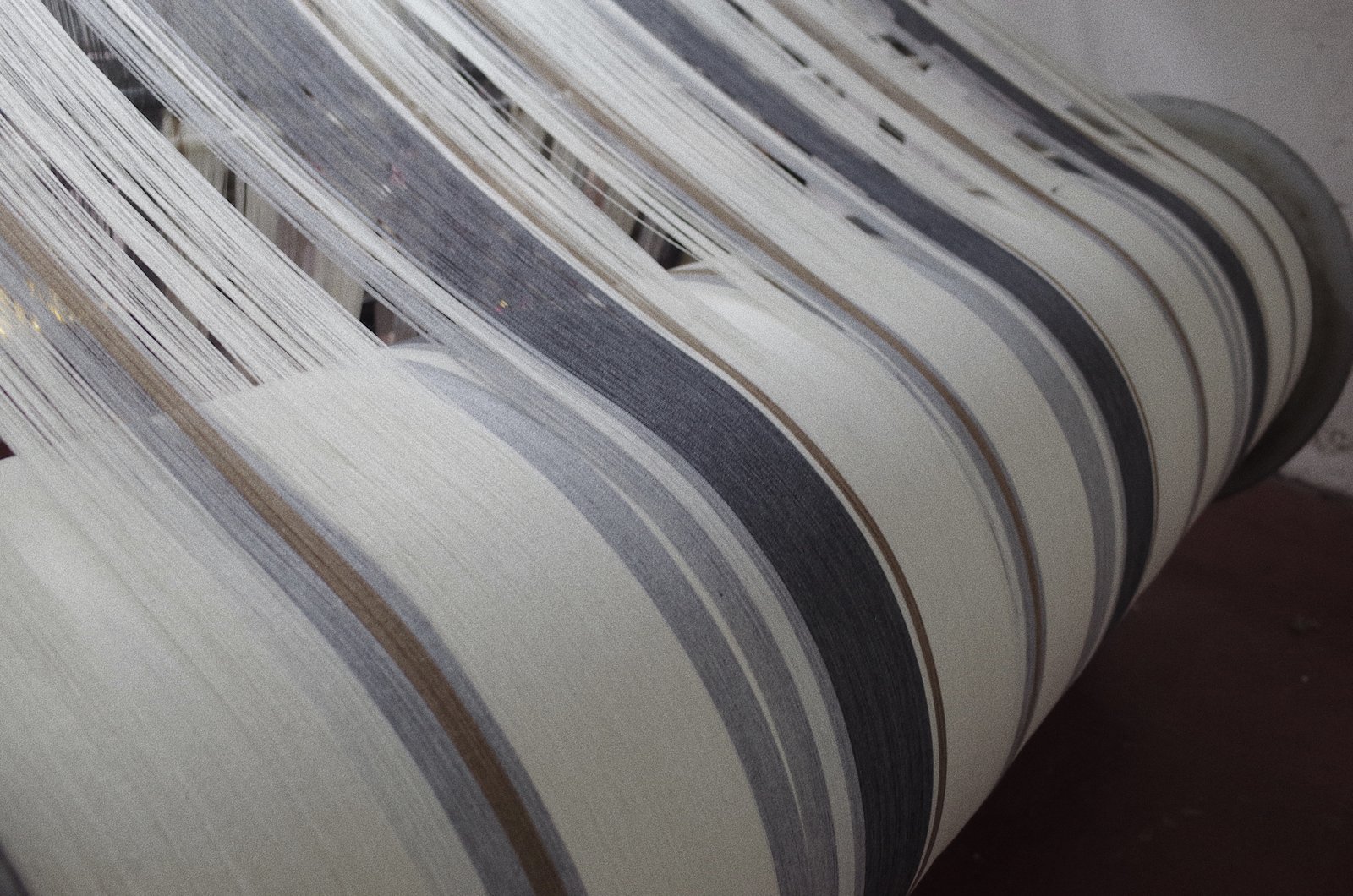
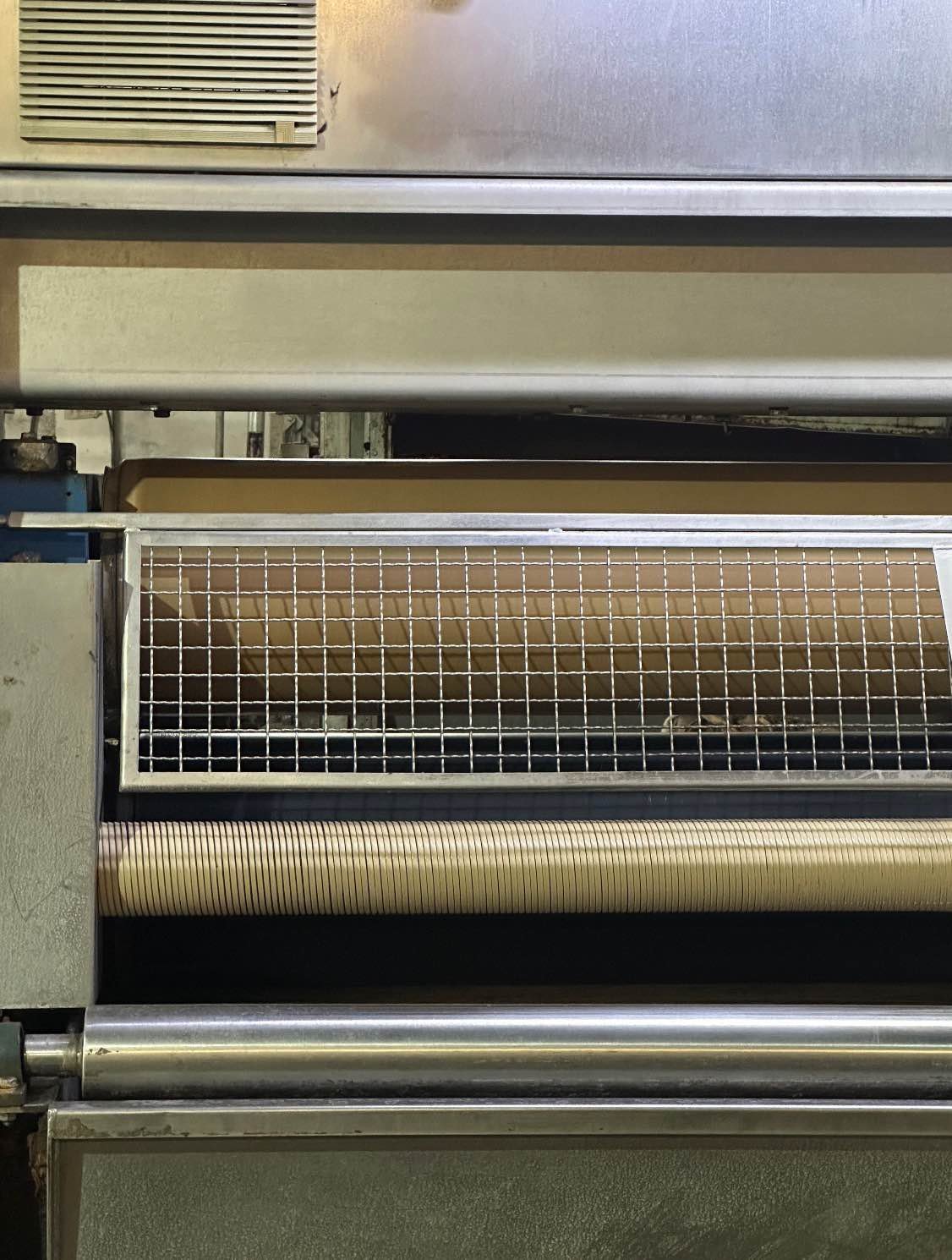
These production images are from Fred Textile, the connected specialist textile resource represented across the Allot Tech textile program.
Buyer questions
Frequently asked questions
What colorfastness tests should a fabric buyer request?
Choose tests from the actual end-use risks, commonly washing, dry and wet rubbing, perspiration, water and light, then state the exact buyer methods and limits.
Is there one overall colorfastness grade?
No. Each exposure and assessment component should be reported separately because performance can differ by mechanism.
Why are color change and staining both reported?
Color change evaluates the tested specimen; staining evaluates transfer to specified adjacent materials. Both may affect product acceptance.
Can one shade represent every color in an order?
Only under a buyer-approved risk rationale. Dark, saturated, fluorescent, printed and contrasting shades may need separate testing.
Project discussion
Build a Colorfastness Test Matrix
Send the garment use, reference swatch or images, finished specification, color plan, quantity, destination and required date.