
Filled-package quantity control
Beverage Filling Accuracy and Net Content Control
Connect filler setup, measurement method and market-specific net quantity requirements so accepted packs can be supported by repeatable evidence.

Published by Allot Tech. Project contact: founder Mr Kcal. Final engineering, performance, materials, compliance, manufacturing responsibility and commercial terms must be confirmed for the selected resource and signed project scope.
Updated October 7, 2026Direct answer
Machine repeatability and legal net quantity are related but different decisions.
Filling accuracy should be managed as a packaged-goods control system, not as one machine tolerance. Define the market rule and declared quantity, product and density basis, fill or weight measurement method, temperature correction where relevant, container tare variation, sampling plan, instrument calibration, control limits, reject or adjustment logic and record retention. The filler supplier can explain machine capability and controls, while the buyer and qualified compliance parties remain responsible for the applicable net quantity program.
Project definition
Start with the complete decision basis.
A filler may control level, volume, mass or another process variable depending on product and package. The finished-pack quantity result can also be affected by product temperature, density, foam, entrained gas, bottle variation, scale or volumetric measurement, sampling and timing. A project brief should therefore connect the filler principle with the buyer quality system and destination rules rather than requesting an unsupported universal accuracy percentage.
Market and declaration
Destination, declared net quantity, unit system, applicable rule, lot definition and responsible compliance reviewer.
Product condition
Recipe, density method, temperature range, carbonation, viscosity, particles, foam and stabilization time.
Package and filler
Container variation, tare method, filler principle, valve or nozzle arrangement, tank control and format set.
Measurement plan
Instrument, calibration, sample timing, sample size, uncertainty, control limits, records and corrective action.
System or development path
Control quantity from product condition through measurement and disposition.
Define the requirement
Confirm destination rule, declaration, lot, tolerances and the authorized person who interprets compliance.
Stabilize product inputs
Control density, temperature, carbonation, foam and supply pressure conditions that influence filling and measurement.
Set up the filler
Use approved recipes, clean components, verified level or dosing controls and package-specific change parts.
Measure correctly
Apply calibrated equipment, defined tare or density treatment, consistent timing and recorded environmental conditions.
Control the process
Trend results, detect drift, adjust within authority, segregate affected packs and investigate repeat causes.
Release with records
Retain lot identity, samples, calculations, deviations, disposition and approval under the buyer quality system.
Quotation comparison
Separate equipment capability from the complete net-content control program.
| Decision area | Buyer should provide | Proposal should clarify |
|---|---|---|
| Quantity rule | Destination and declared quantity. | Applicable buyer criterion, lot basis, sampling authority and excluded legal interpretation. |
| Filling method | Product and package characteristics. | Control principle, expected variation basis, recipe range, adjustment and alarm logic. |
| Measurement | Approved test method and instruments. | Tare, density, temperature, calibration, resolution, uncertainty and data capture. |
| Process response | Control limits and disposition authority. | Adjustment triggers, segregation, recheck, reject handling and root-cause record. |
| Acceptance | FAT materials and site verification plan. | Machine checks, sample data, limitations and transfer into routine quality control. |
Solve the next project problem
Close these proposal gaps before price becomes the decision.
Use the brief below to turn a vague supplier conversation into questions that can be answered and documented.
Make this decision comparable.
Send: Destination and declared quantity.
Require: Applicable buyer criterion, lot basis, sampling authority and excluded legal interpretation.
Make this decision comparable.
Send: Product and package characteristics.
Require: Control principle, expected variation basis, recipe range, adjustment and alarm logic.
Make this decision comparable.
Send: Approved test method and instruments.
Require: Tare, density, temperature, calibration, resolution, uncertainty and data capture.
Send the beverage, package files, required output, factory conditions, destination and current project stage. The Allot Tech Project Desk can help organize the first comparison.
Decision evidence
Make every quantity decision reproducible by lot and method.
Evidence should be identified before the order or approval stage so both sides know what will support the next decision.
Requirement register
Record market, declaration, applicable reference, buyer interpretation and approved control criteria.
Measurement work instruction
Define sampling, instrument, tare or density treatment, temperature, calculation, uncertainty and record format.
Filler capability study
Link product, package, speed, recipe, results, variation, adjustments and known limitations.
Deviation and disposition record
Identify affected lot, hold scope, investigation, correction, recheck and authorized release.
Do not confuse fill level with net quantity
Visible level can be useful for process checks but container geometry, headspace and product condition can make it an incomplete measure of declared quantity. Use the buyer-approved measurement basis.
- Define the official measurement method
- Control container tare or density
- Keep visual checks as supporting evidence only
Account for temperature and product condition
Volume and density can change with temperature, while foam and dissolved gas can disturb immediate readings. Record the defined condition and timing so results can be compared.
- State measurement temperature
- Allow agreed stabilization where required
- Use one controlled density source
Build a response plan before drift occurs
Operators need clear limits for adjustment, hold, recheck and escalation. A control chart without disposition authority does not protect the lot.
- Name adjustment authority
- Define affected-lot boundaries
- Retain before-and-after evidence
Decision gates
Move forward when the next commitment has enough written evidence.
Project stages overlap, but each commercial commitment should have a visible basis, named approvers and a list of unresolved items.
Engineering basis approved
The product, package, output, equipment boundary, layout, utilities, responsibilities and open assumptions are controlled.
Manufacturing and test basis approved
Drawings, component schedule, test materials, acceptance conditions, documents and planned evidence are agreed.
Delivery and handover released
Punch-list closure, packing, shipment files, site readiness, installation scope, training and support ownership are visible.
Before requesting a proposal
Build one brief that every resource can answer on the same basis.
This page is designed to help an international buyer prepare a clearer discussion, not to replace the responsible resource’s engineering or the buyer’s professional review.
Product
Beverage, process, hygiene, shelf-life and operating conditions.
Package
Container, closure, label, code, finished pack and approved files.
Output
Required rate for a named format, shifts, annual plan and changeovers.
Factory
Measured space, utilities, access, drainage and local site constraints.
Project scope
Equipment boundary, documents, FAT, delivery, startup and destination.
Allot Tech organized recurring buyer questions, project-scoping patterns, available catalog inputs and specialist-resource context into a decision sequence. No customer case, certification, output guarantee or factory ownership is implied unless separately verified for the named project.
Reference basis
Primary and specialist sources used to frame the buyer questions.
These sources support definitions and planning context. The current edition, local requirements and project-specific acceptance criteria still need confirmation by the responsible parties.
- NIST Handbook 133 – Checking Net Contents of Packaged Goods
U.S. procedural guide for compliance testing of packaged-goods net content statements.
- Canadian Food Inspection Agency – Net Quantity on Food Labels
Official market guidance showing that quantity control and tolerances belong to a defined regulatory system.
Manufacturing context
Use equipment views to ask more specific project questions.
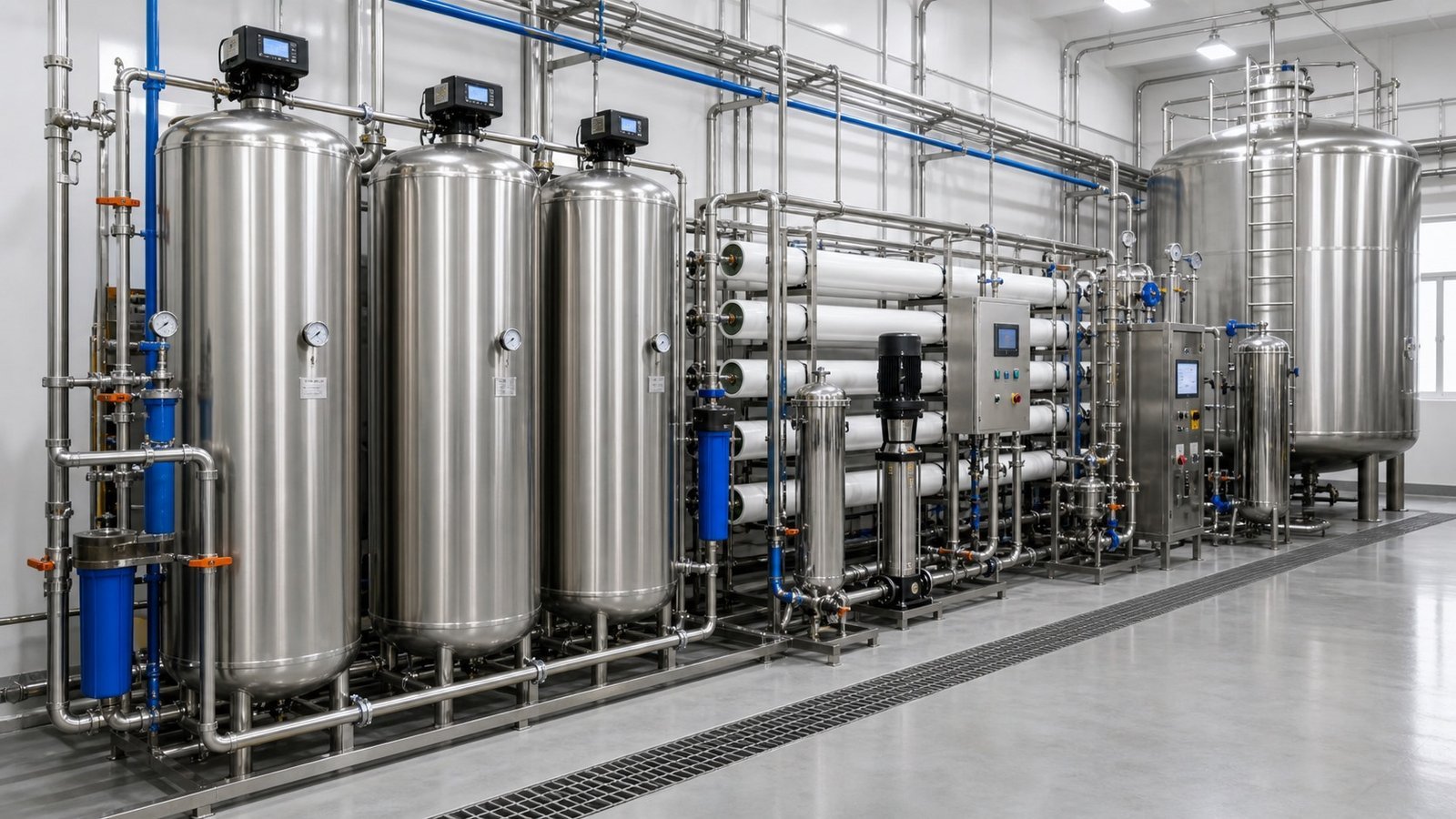
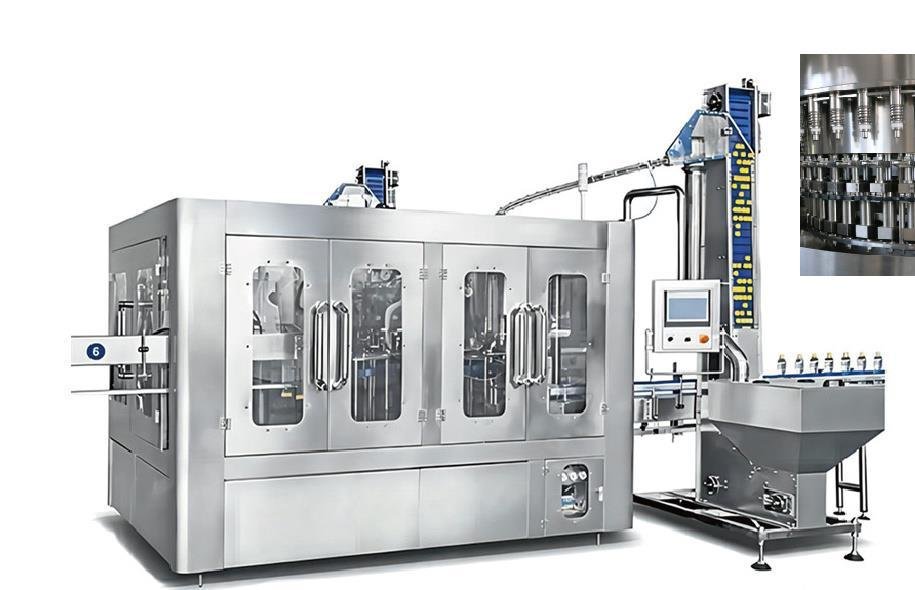
The process illustration supports scope discussion. The XGF equipment image is reproduced from page 9 of the Allot Tech 2026 catalog; use the catalog and project documents to review the applicable configuration.
Buyer questions
Frequently asked questions
Is filler accuracy the same as legal net content compliance?
No. Machine capability is one input. Compliance also depends on the destination rule, measurement method, sampling, product condition, package variation and quality-system decisions.
Should beverage quantity be checked by volume or weight?
Use the applicable requirement and approved buyer method. Weight-based checks may require controlled density and tare treatment to support a volume declaration.
What should be checked at FAT?
Check the agreed product or test liquid, package, speed, sample method, instruments, repeatability and known limitations, then define site verification with real production conditions.
Can Allot Tech set legal tolerances?
No. Allot Tech can organize project questions; qualified buyer and compliance parties must define applicable rules and acceptance criteria.
Project discussion
Define a Filling Accuracy Control Plan
Send the beverage, package files, required output, factory conditions, destination and current project stage.