
Filling process comparison
Hot Fill vs Aseptic Filling for Beverage Projects
Choose the process architecture before selecting the filler by matching product sensitivity, shelf-life strategy, package, validation responsibility and factory capability.
Published by Allot Tech. Project contact: founder Mr Kcal. Final engineering, performance, materials, compliance, manufacturing responsibility and commercial terms must be confirmed for the selected resource and signed project scope.
Updated September 3, 2026Direct answer
The decision is a complete process and validation choice, not a filler option.
Hot filling transfers a heated product into a compatible container and uses the defined thermal process and closure sequence as part of package protection. Aseptic filling sterilizes the product and package pathway separately and must maintain a controlled sterile boundary through filling and closure. The right choice cannot be made from temperature or equipment price alone. It depends on product microbiology, acidity, particles, sensory targets, shelf life, bottle design, process authority, cleaning and sterilization, utilities, operator discipline and the evidence required for validation.
Project definition
Start with the complete decision basis.
A buyer should first define the product family, storage condition and market requirement with qualified food-process and regulatory parties. The machinery discussion can then compare how each concept treats product, containers, closures and the surrounding environment; how it handles planned and unplanned stops; and which parameters must be monitored, recorded and released. Allot Tech can organize the project questions, while the validated process and final safety responsibility remain with the qualified process authority, manufacturing resource and buyer.
Product risk
Recipe family, pH, Brix, particles, heat sensitivity, target shelf life, storage condition and intended market.
Package system
Bottle material and design, closure, sterilization compatibility, oxygen or light requirement, label and finished pack.
Process boundary
Preparation, thermal treatment, hold section, buffer, product transfer, package treatment, filling, closure and post-fill treatment.
Factory capability
Water, steam, compressed air, sterile air where applicable, chemicals, cooling, drainage, zoning, laboratory support and trained operators.
System or development path
Compare the two concepts across the complete product and package path.
Product definition
Confirm the product family and have the responsible process specialists define the required preservation and validation basis.
Thermal process
Record heating, holding, cooling, diversion, restart and product-recovery logic instead of listing only a nominal temperature.
Package preparation
Define bottle and closure compatibility plus the treatment or sterilization method and verification responsibility.
Filling environment
Map hygienic or aseptic boundaries, sterile utilities where required, environmental controls and interventions.
Stops and cleaning
Describe CIP, SIP where applicable, start-up, planned stops, fault recovery, re-sterilization and product disposition.
Validation and release
List critical parameters, instruments, challenge or validation work, records, acceptance authority and ongoing verification.
Quotation comparison
Require each concept to answer the same product, package and evidence questions.
| Decision area | Buyer should provide | Proposal should clarify |
|---|---|---|
| Product suitability | Controlled recipe range, storage and shelf-life target. | Process rationale, product limits, qualified-party responsibilities and unresolved trials. |
| Package suitability | Approved bottle and closure files with samples. | Heat, chemical or other treatment compatibility, deformation risk, residual control and approval tests. |
| Hygienic boundary | Factory zoning and operating capability. | Controlled zones, sterile utilities, interventions, cleaning, sterilization and environmental assumptions. |
| Operating model | Shift plan, product changes, cleaning frequency and staff capability. | Start-up time, stop logic, losses, changeover, monitoring and operator qualification needs. |
| Validation evidence | Market and internal release requirements. | Protocol ownership, instruments, records, deviations, requalification and signed release conditions. |
Solve the next project problem
Close these proposal gaps before price becomes the decision.
Use the brief below to turn a vague supplier conversation into questions that can be answered and documented.
Make this decision comparable.
Send: Controlled recipe range, storage and shelf-life target.
Require: Process rationale, product limits, qualified-party responsibilities and unresolved trials.
Make this decision comparable.
Send: Approved bottle and closure files with samples.
Require: Heat, chemical or other treatment compatibility, deformation risk, residual control and approval tests.
Make this decision comparable.
Send: Factory zoning and operating capability.
Require: Controlled zones, sterile utilities, interventions, cleaning, sterilization and environmental assumptions.
Send the beverage, package files, required output, factory conditions, destination and current project stage. The Allot Tech Project Desk can help organize the first comparison.
Decision evidence
Do not approve the process concept without a visible validation pathway.
Evidence should be identified before the order or approval stage so both sides know what will support the next decision.
Product and process basis
Connect product characteristics, process assumptions, package and shelf-life objective to the selected concept.
Hygiene-boundary drawing
Show product, package, air, utilities, environment and every interface that must remain controlled.
Operating-state matrix
Describe production, start-up, planned stop, fault, restart, cleaning and sterilization states with product disposition.
Validation responsibility plan
Name protocol authors, execution roles, instruments, records, deviations, approvals and post-startup verification.
Compare lifecycle responsibility, not only capital cost
Aseptic operation generally introduces a wider sterile-control and validation boundary, while hot fill can impose heat-related product and bottle constraints. The commercial comparison should include package weight, utilities, cleaning, start-up losses, skilled staffing, monitoring, maintenance and revalidation expectations.
- Request a lifecycle boundary table
- Separate package savings from process obligations
- Keep validation and operating labor visible
Treat product changes as controlled engineering changes
A new recipe, particle range, acidity, bottle or closure can affect the established process basis. The proposal and operating plan should state which product and package families are covered and what review or testing is required for additions.
- Maintain an approved product matrix
- Record package-treatment compatibility
- Define change-control authority
Keep the qualified process authority in the decision
Machinery selection does not establish product safety or commercial sterility by itself. The buyer should involve qualified process, microbiology, packaging and regulatory parties early enough that equipment interfaces and validation evidence are built into the project.
- Name qualified decision owners
- Align machinery records with the validation plan
- Do not substitute marketing claims for process evidence
Decision gates
Move forward when the next commitment has enough written evidence.
Project stages overlap, but each commercial commitment should have a visible basis, named approvers and a list of unresolved items.
Engineering basis approved
The product, package, output, equipment boundary, layout, utilities, responsibilities and open assumptions are controlled.
Manufacturing and test basis approved
Drawings, component schedule, test materials, acceptance conditions, documents and planned evidence are agreed.
Delivery and handover released
Punch-list closure, packing, shipment files, site readiness, installation scope, training and support ownership are visible.
Before requesting a proposal
Build one brief that every resource can answer on the same basis.
This page is designed to help an international buyer prepare a clearer discussion, not to replace the responsible resource’s engineering or the buyer’s professional review.
Product
Beverage, process, hygiene, shelf-life and operating conditions.
Package
Container, closure, label, code, finished pack and approved files.
Output
Required rate for a named format, shifts, annual plan and changeovers.
Factory
Measured space, utilities, access, drainage and local site constraints.
Project scope
Equipment boundary, documents, FAT, delivery, startup and destination.
Allot Tech organized recurring buyer questions, project-scoping patterns, available catalog inputs and specialist-resource context into a decision sequence. No customer case, certification, output guarantee or factory ownership is implied unless separately verified for the named project.
Reference basis
Primary and specialist sources used to frame the buyer questions.
These sources support definitions and planning context. The current edition, local requirements and project-specific acceptance criteria still need confirmation by the responsible parties.
- VDI 4066 Part 1 – Aseptic Beverage Filling Principles
Scope and design criteria for hygienically safe processing and aseptic filling systems.
- U.S. FDA – Aseptic Processing and Packaging Inspection Guide
Inspection context for product sterilization, downstream equipment, packaging and sterile-condition records.
Manufacturing context
Use equipment views to ask more specific project questions.
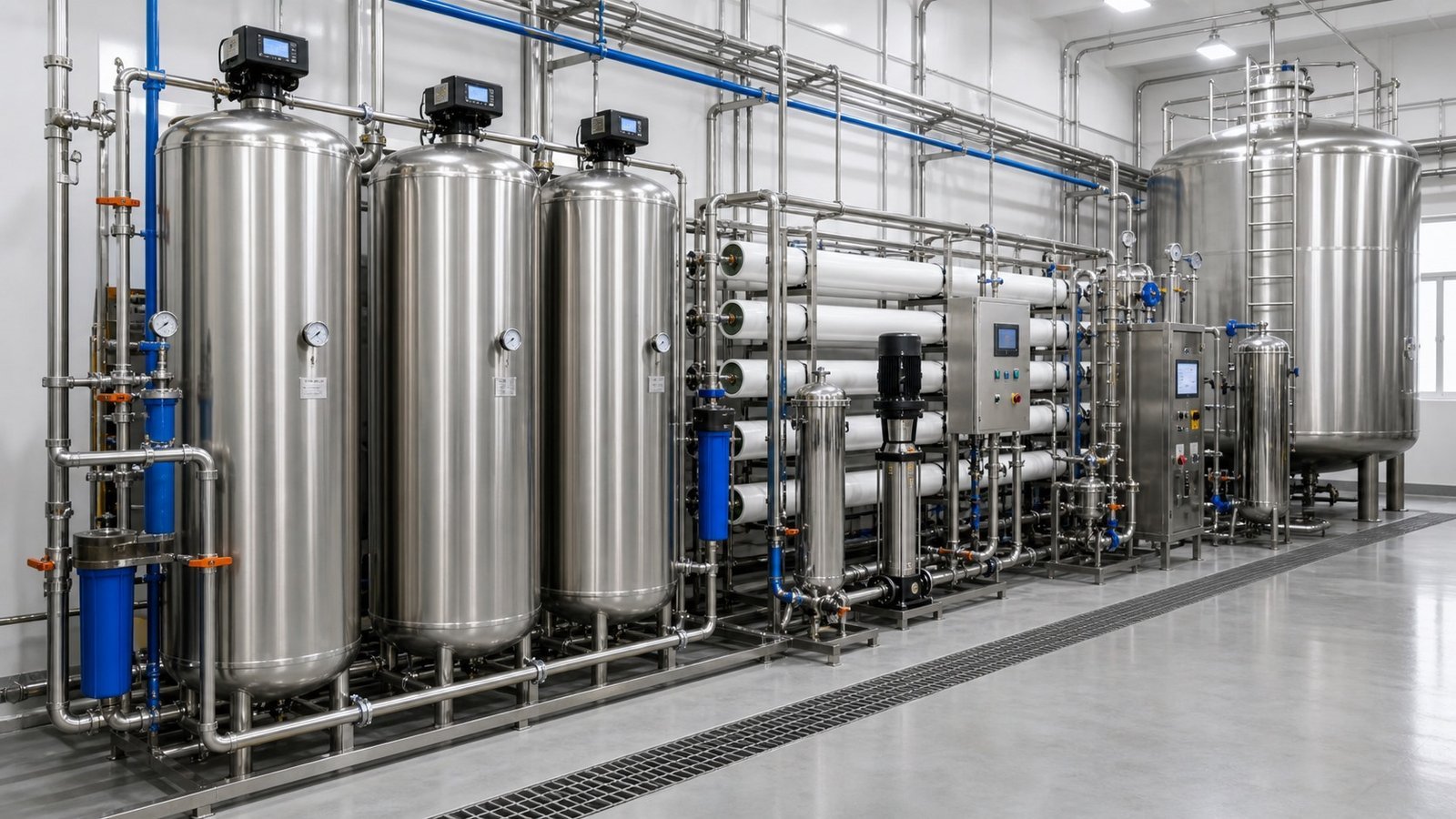
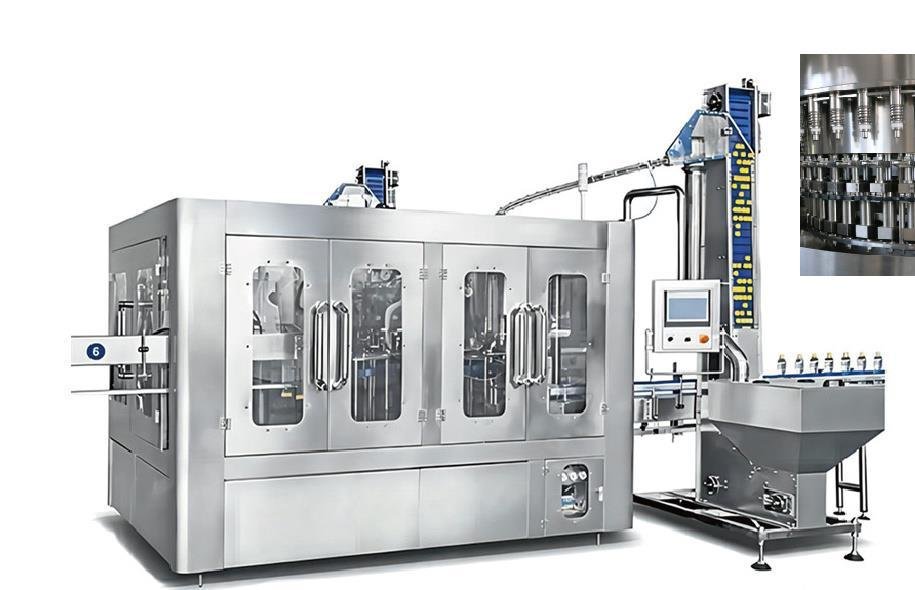
The process illustration supports scope discussion. The XGF equipment image is reproduced from page 9 of the Allot Tech 2026 catalog; use the catalog and project documents to review the applicable configuration.
Buyer questions
Frequently asked questions
Is aseptic filling always better than hot filling?
No. The suitable concept depends on the product, package, shelf-life strategy, factory capability, validation plan and commercial model. Aseptic complexity is not automatically justified for every beverage.
Can a normal PET water bottle be used for hot fill?
Bottle design and heat performance must be confirmed for the actual fill and cooling conditions. Do not assume a standard ambient-fill bottle is suitable.
What should suppliers explain about an aseptic line?
Ask for the sterile boundary, package treatment, CIP and SIP logic, sterile utilities, environmental controls, intervention rules, validation responsibilities and operating-state records.
Can Allot Tech choose the preservation process?
Allot Tech can coordinate the comparison and project questions, but qualified process and regulatory parties must define and validate the preservation process.
Project discussion
Compare Hot Fill and Aseptic Project Scope
Send the beverage, package files, required output, factory conditions, destination and current project stage.