
Textile color development
Fabric Color and Lab Dip Approval Guide
Define the color standard, substrate, finish and viewing conditions before requesting lab dips or approving bulk shade.
Published by Allot Tech. Project contact: founder Mr Kcal. Final engineering, performance, materials, compliance, manufacturing responsibility and commercial terms must be confirmed for the selected resource and signed project scope.
Updated September 3, 2026Direct answer
Color approval is a controlled comparison, not a screen match.
A fabric lab dip should be requested against an identified color standard, named substrate or closest development base, intended finish and agreed viewing conditions. The submission should carry a unique reference, recipe or supplier identity, date and option number. Buyer comments should describe direction such as lighter, darker, redder or duller under the agreed primary light, not only say wrong. Final bulk approval should compare finished production to the signed standard and account for lot and roll shade continuity; a lab dip alone does not approve every bulk variable.
Project definition
Start with the complete decision basis.
Fiber blend, yarn, construction, dye method, finish, pile direction and light source can change perceived color. Digital images help communication but do not replace physical review where color is commercially critical. The buyer and connected dyeing or textile resource should agree the applicable standard, light sources, color evaluation method, bulk tolerance and authorized approvers.
Color standard
Physical chip, fabric or approved reference with identity, owner, date, target name, face and direction marked.
Viewing conditions
Primary and secondary light sources, light-box practice, sample size, backing, orientation and observer roles.
Fabric substrate
Composition, construction, finished weight, finish, optical brightener or mélange effect and intended bulk article.
Approval schedule
Number of colors, lab-dip options, comment deadlines, resubmission, bulk shade-band stage and shipment date.
System or development path
Keep color identity controlled from standard through finished bulk shade.
Register the standard
Identify the physical source, face, direction, color name, owner and agreed viewing conditions.
Confirm the substrate
State whether the lab dip uses the intended fiber and construction or a disclosed development substitute.
Submit options
Label each option with unique identity, date and relevant recipe or process reference without mixing loose samples.
Review and comment
Compare under agreed lights, record directional comments, metameric concerns, accepted option or resubmission.
Approve bulk shade
Review finished production shade bands or representative lot samples against the signed standard.
Group and release
Maintain lot and roll identity, shade grouping, inspection, packing allocation and authorized disposition.
Quotation comparison
Compare color proposals and submissions on the same physical and viewing basis.
| Decision area | Buyer should provide | Proposal should clarify |
|---|---|---|
| Standard | Controlled physical reference and target identity. | Custody, sample return, target interpretation and handling of damaged or faded standards. |
| Substrate | Intended composition, article and finish. | Actual lab-dip base, differences from bulk, risks and stage for production-relevant confirmation. |
| Evaluation | Primary and secondary lights and approval roles. | Visual and optional instrumental method, backing, orientation, conditioning and report format. |
| Comments | Directional feedback and approval status by option. | Resubmission identity, change interpretation, schedule and recipe or process control. |
| Bulk shade | Signed standard, tolerance and allocation need. | Lot and roll comparison, shade bands, grouping, retained samples and shipment disposition. |
Solve the next project problem
Close these proposal gaps before price becomes the decision.
Use the brief below to turn a vague supplier conversation into questions that can be answered and documented.
Make this decision comparable.
Send: Controlled physical reference and target identity.
Require: Custody, sample return, target interpretation and handling of damaged or faded standards.
Make this decision comparable.
Send: Intended composition, article and finish.
Require: Actual lab-dip base, differences from bulk, risks and stage for production-relevant confirmation.
Make this decision comparable.
Send: Primary and secondary lights and approval roles.
Require: Visual and optional instrumental method, backing, orientation, conditioning and report format.
Send the garment use, reference swatch or images, finished specification, color plan, quantity, destination and required date. The Allot Tech Project Desk can help organize the first comparison.
Decision evidence
Color evidence should preserve the standard, each submission and the bulk relationship.
Evidence should be identified before the order or approval stage so both sides know what will support the next decision.
Color standard register
Record source, identifier, face, direction, light sources, custodian, condition and approval authority.
Lab-dip submission sheet
Identify fabric base, option, date, process reference, observed differences, comments and approval status.
Bulk shade-band record
Connect production lot, finished sample, comparison result, measured data where used and authorized decision.
Roll shade grouping
Keep roll identity, shade group, length, packing allocation, retained swatch and shipment disposition traceable.
Use the intended substrate as early as practical
A color on a different fiber blend, construction or finish may not predict the final article. When an early substitute is unavoidable, label it clearly and schedule confirmation on production-relevant fabric before bulk release.
- Disclose every substrate difference
- Repeat color review after final finish
- Do not treat a screen image as physical approval
Write directional comments that a dyeing team can act on
Comments such as close or wrong leave room for interpretation. Identify the option, viewing light and direction of change while avoiding unsupported recipe instructions. Keep each resubmission linked to the previous comment.
- Name the option and light source
- Use lighter, darker, redder or duller direction
- Record approval, rejection or resubmit clearly
Manage shade continuity after lab-dip approval
Bulk dye lots and finishing can create variation even when the target is approved. Review shade bands or representative lots, define grouping and allocate rolls so visible garment panels are not unintentionally mixed across incompatible shades.
- Approve finished bulk shade by lot
- Group and label rolls consistently
- Coordinate shade allocation with garment production
Decision gates
Move forward when the next commitment has enough written evidence.
Project stages overlap, but each commercial commitment should have a visible basis, named approvers and a list of unresolved items.
Development basis approved
The garment use, signed physical reference, written specification, color and requested sample stage describe the same fabric direction.
Bulk standard released
The accepted sample, measurable tolerances, required tests, quantity, lot plan and approved changes are recorded before production.
Shipment evidence accepted
Roll and lot identity, shade grouping, inspection or test findings, packing and authorized disposition support release.
Before requesting a proposal
Build one brief that every resource can answer on the same basis.
This page is designed to help an international buyer prepare a clearer discussion, not to replace the responsible resource’s engineering or the buyer’s professional review.
Garment
End use, season, silhouette, market and construction priorities.
Reference
Physical swatch or garment, marked face, color and attributes to match.
Specification
Composition, finished weight, usable width, construction, finish and tolerances.
Development
Sample type, meters, colors, approval stages and decision dates.
Bulk plan
Quantity, inspection, testing, packing, destination and delivery window.
Allot Tech organized recurring buyer questions, project-scoping patterns, available catalog inputs and specialist-resource context into a decision sequence. No customer case, certification, output guarantee or factory ownership is implied unless separately verified for the named project.
Specialist textile context
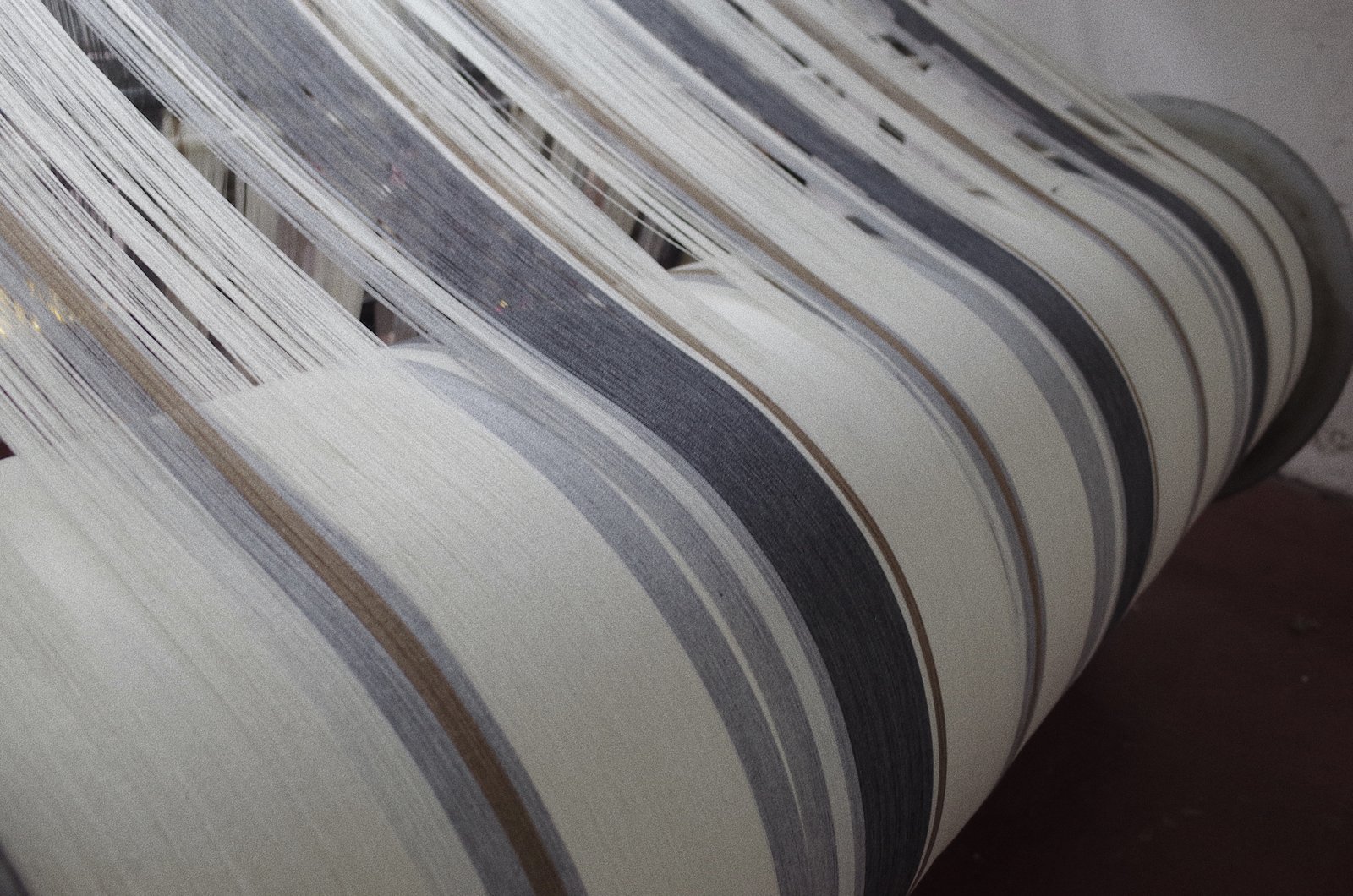
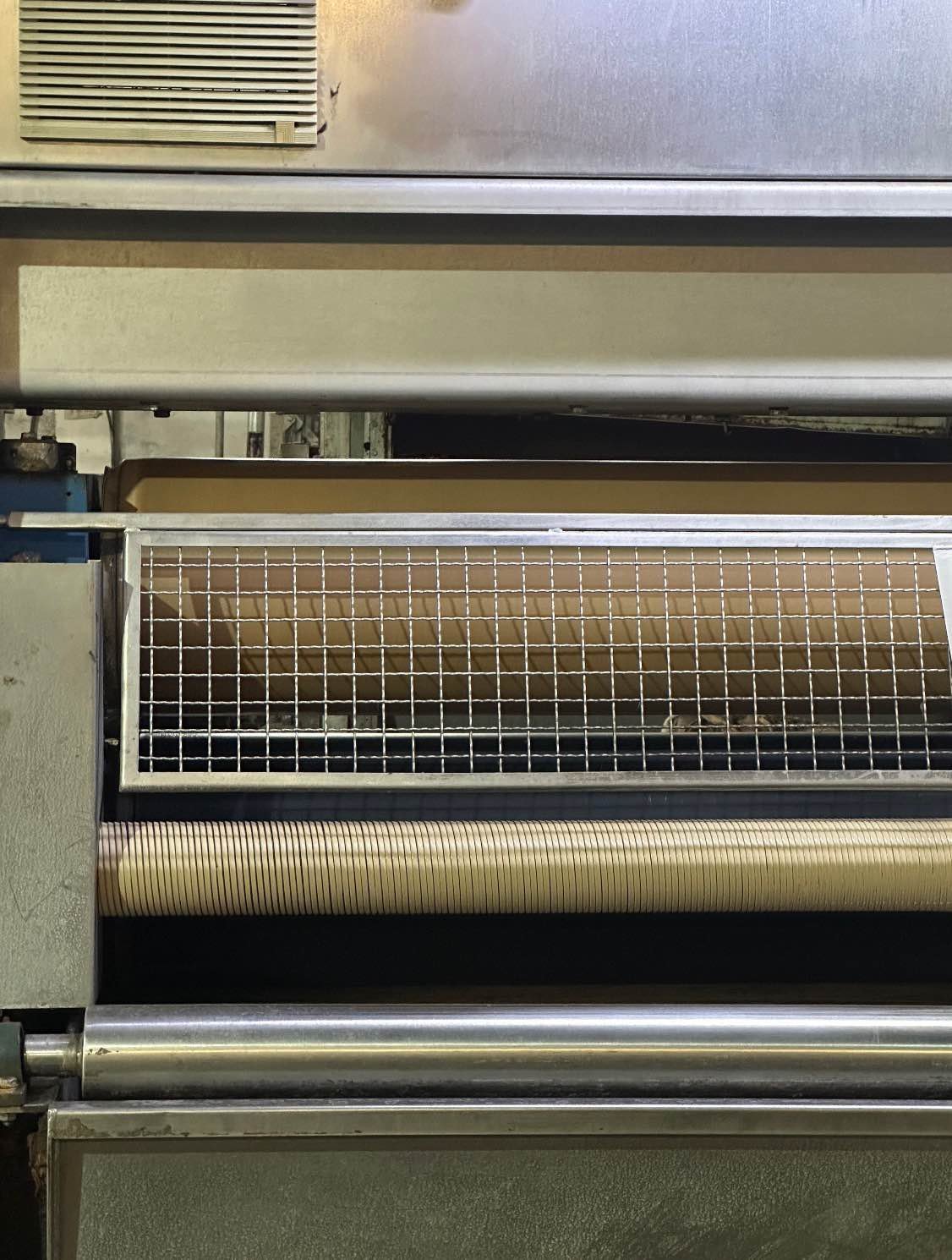
Connect fabric development with weaving and finishing.
These production images are from Fred Textile, the connected specialist textile resource represented across the Allot Tech textile program.
Buyer questions
Frequently asked questions
What should be included in a lab dip request?
Include the color standard, fabric composition and article, intended finish, light sources, sample size, options, approval deadline and bulk schedule.
Can a Pantone number replace a physical fabric standard?
It can identify a direction, but substrate and finish affect color. A production-relevant physical approval is preferable when color is critical.
What is metamerism in fabric color?
It is a change in the relative match of colors under different light sources. Relevant viewing lights and acceptable behavior should be agreed for the project.
Does an approved lab dip approve bulk fabric?
No. Bulk finished shade, lot and roll continuity, finish and other order requirements still need the agreed production-stage review and release.
Project discussion
Discuss Fabric Color Development
Send the garment use, reference swatch or images, finished specification, color plan, quantity, destination and required date.