
Fabric finish development
Coat Fabric Handfeel, Drape and Finish Guide
Connect subjective handfeel and drape language to a marked physical reference, garment use, finish route and controlled approval trail.
Published by Allot Tech. Project contact: founder Mr Kcal. Final engineering, performance, materials, compliance, manufacturing responsibility and commercial terms must be confirmed for the selected resource and signed project scope.
Updated October 7, 2026Direct answer
Subjective fabric language becomes useful when it is anchored to evidence.
Words such as soft, wool-like, compact, fluffy, crisp or fluid are not complete fabric specifications. A buyer should provide a marked-face swatch or garment and explain the intended coat, season and attributes to prioritize. The textile resource should connect that reference to composition, construction, finished weight and width, surface treatment and a feasible finishing direction. Compare physical submissions in consistent conditions, record differences and approve an identified bulk standard. Measurable tests may support selected risks, but they do not replace the signed physical reference.
Project definition
Start with the complete decision basis.
Handfeel includes several perceptions: surface friction, softness, fullness, compression, warmth and recovery. Drape describes how the fabric falls and moves, while finish may also affect luster, nap direction, pilling tendency, dimensional behavior and sewing. The final route and controls should be agreed with the connected specialist resource for the actual article and garment.
Reference
Physical swatch or garment with face and direction marked, plus attributes to match, improve or deliberately change.
Garment intent
End use, silhouette, season, lining, construction, target wearer, care direction and market presentation.
Fabric basis
Composition, yarn and construction direction, finished GSM, usable width, color, reverse-side requirement and quantity.
Approval plan
Swatch, lab dip, finish trial or yardage stages, review method, selected tests, bulk standard and decision dates.
System or development path
Develop finish through a controlled reference, trial, review and bulk-release sequence.
Name the attributes
Separate softness, fullness, compactness, drape, surface, nap, luster and recovery instead of using one broad adjective.
Confirm the base fabric
Align composition, yarn, construction, finished weight and width before judging a finish route.
Plan finishing trials
Identify brushing, raising, milling, shearing, pressing or other confirmed operations and variables to compare.
Review consistently
Condition samples, mark face and direction, compare under stable light and handling and record comments by sample identity.
Approve the standard
Sign the selected sample and connect it to written values, allowed variation, tests and approved changes.
Control bulk continuity
Group lots and shades, compare start-middle-end or selected rolls and record finish or handfeel disposition.
Quotation comparison
Compare finish proposals by physical result and reproducible control points.
| Decision area | Buyer should provide | Proposal should clarify |
|---|---|---|
| Handfeel direction | Signed reference and named sensory priorities. | Achievable match, intended finish route, compromises and sample stages. |
| Drape and structure | Garment silhouette, lining and movement expectation. | Construction and finish contribution, weight or thickness range and limitations. |
| Surface | Face, nap direction, brushing, luster and visual standard. | Process steps, directional control, shearing or pressing and bulk comparison method. |
| Performance risks | Wear area, care, pilling, dimensional or color concerns. | Selected methods, sample stage, expected evidence and responsibility for final suitability. |
| Bulk control | Approved physical and written standards. | Lot grouping, comparison frequency, roll sampling, retained swatches and disposition workflow. |
Solve the next project problem
Close these proposal gaps before price becomes the decision.
Use the brief below to turn a vague supplier conversation into questions that can be answered and documented.
Make this decision comparable.
Send: Signed reference and named sensory priorities.
Require: Achievable match, intended finish route, compromises and sample stages.
Make this decision comparable.
Send: Garment silhouette, lining and movement expectation.
Require: Construction and finish contribution, weight or thickness range and limitations.
Make this decision comparable.
Send: Face, nap direction, brushing, luster and visual standard.
Require: Process steps, directional control, shearing or pressing and bulk comparison method.
Send the garment use, reference swatch or images, finished specification, color plan, quantity, destination and required date. The Allot Tech Project Desk can help organize the first comparison.
Decision evidence
Handfeel approval needs an identified physical trail, not memory or photographs alone.
Evidence should be identified before the order or approval stage so both sides know what will support the next decision.
Marked reference register
Identify article or garment, face, direction, color, owner, date and the attributes requested from the reference.
Finish trial matrix
Record base fabric, process route, variables, measured values, observations and buyer comments for each submission.
Signed bulk standard
Connect the approved physical sample to specification, finish route, tests, tolerances and approved changes.
Bulk continuity record
Link lot and roll identity with shade, surface, handfeel comparison, inspection, disposition and retained samples.
Break broad adjectives into comparable attributes
A request for softer fabric may mean smoother surface, lower bending resistance, more fullness or a raised warmer face. Ask the buyer to rank attributes and identify what must not change, such as weight, compactness or tailoring structure.
- Rank the desired sensory attributes
- Name the non-negotiable construction features
- Use side-by-side physical comparison
Control sample conditioning and direction
Humidity, handling and sample direction can change perception. Mark the face, warp and nap direction where relevant and compare similarly sized, conditioned pieces under consistent light. Keep approved and rejected samples identified.
- Mark face and direction
- Condition samples consistently
- Archive approvals and rejected alternatives
Plan bulk control before production
A beautiful development swatch is useful only when the order defines how bulk will be compared. Agree retained standard custody, lot and roll sampling, acceptable variation, escalation and who can approve a marginal difference.
- Name the retained standard holder
- Define lot and roll comparison points
- Record authorized disposition of differences
Decision gates
Move forward when the next commitment has enough written evidence.
Project stages overlap, but each commercial commitment should have a visible basis, named approvers and a list of unresolved items.
Development basis approved
The garment use, signed physical reference, written specification, color and requested sample stage describe the same fabric direction.
Bulk standard released
The accepted sample, measurable tolerances, required tests, quantity, lot plan and approved changes are recorded before production.
Shipment evidence accepted
Roll and lot identity, shade grouping, inspection or test findings, packing and authorized disposition support release.
Before requesting a proposal
Build one brief that every resource can answer on the same basis.
This page is designed to help an international buyer prepare a clearer discussion, not to replace the responsible resource’s engineering or the buyer’s professional review.
Garment
End use, season, silhouette, market and construction priorities.
Reference
Physical swatch or garment, marked face, color and attributes to match.
Specification
Composition, finished weight, usable width, construction, finish and tolerances.
Development
Sample type, meters, colors, approval stages and decision dates.
Bulk plan
Quantity, inspection, testing, packing, destination and delivery window.
Allot Tech organized recurring buyer questions, project-scoping patterns, available catalog inputs and specialist-resource context into a decision sequence. No customer case, certification, output guarantee or factory ownership is implied unless separately verified for the named project.
Specialist textile context
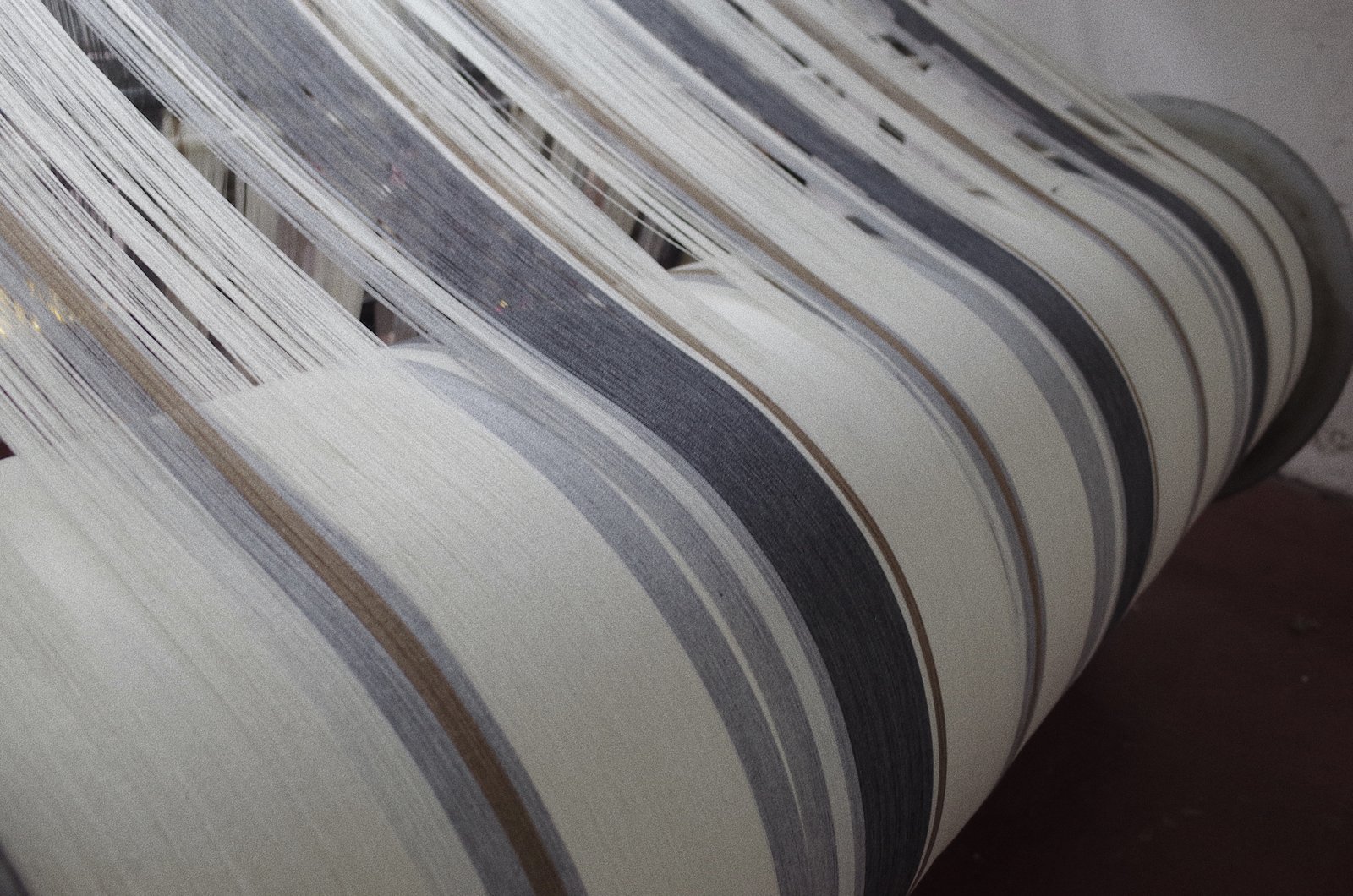
Connect fabric development with weaving and finishing.
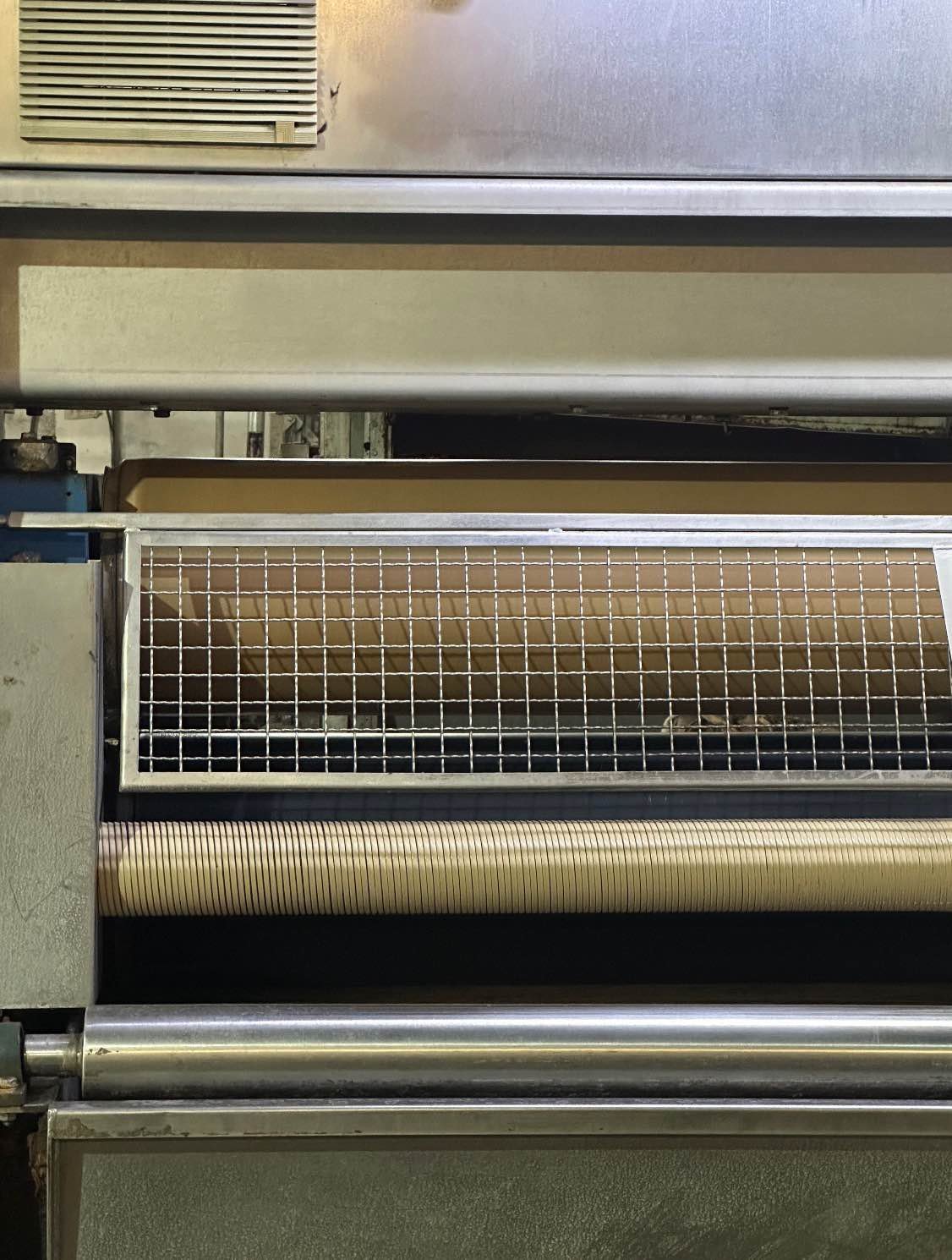
These production images are from Fred Textile, the connected specialist textile resource represented across the Allot Tech textile program.
Buyer questions
Frequently asked questions
How can a buyer specify fabric handfeel?
Provide a marked physical reference and name the important attributes such as softness, fullness, compactness, surface, warmth, drape and recovery in garment context.
Can handfeel be measured by one test?
No single number fully represents handfeel. Selected measurements can support specific attributes, while the approved physical standard remains important.
Why do finish samples change after conditioning?
Fibers and fabric structures can respond to moisture, relaxation, heat and handling. Compare samples under a consistent agreed condition.
How is bulk handfeel controlled?
Use a signed standard, controlled specification and finish route, then compare identified lots and selected rolls with recorded approval or disposition.
Project discussion
Discuss Handfeel and Finish Development
Send the garment use, reference swatch or images, finished specification, color plan, quantity, destination and required date.