
Process hygiene infrastructure
Beverage CIP Cleaning System Planning
Define each cleaning circuit and its verified operating envelope before selecting tanks, pumps, heating, chemical dosing and controls.
Published by Allot Tech. Project contact: founder Mr Kcal. Final engineering, performance, materials, compliance, manufacturing responsibility and commercial terms must be confirmed for the selected resource and signed project scope.
Updated October 7, 2026Direct answer
CIP capacity comes from the hardest circuit and the production schedule.
A beverage CIP system should be sized from a circuit schedule, not from the production-line output alone. List every tank, pipeline, mixer, heat exchanger, filler and product path that will be cleaned; state circuit volume, pipe diameter, elevation, required flow or velocity basis, temperature, chemical sequence, return condition and allowable overlap. Then compare tank arrangement, supply and return pumps, heating, dosing, recovery, instrumentation, valve control, route proof, recipe records and the boundary between CIP skid and production equipment.
Project definition
Start with the complete decision basis.
Cleaning effectiveness is influenced by time, action, chemistry and temperature, but the correct program depends on product soil, equipment design, materials, water and the site hygiene plan. A CIP skid cannot correct an uncleanable production path. Qualified hygiene, process and equipment specialists should confirm cleanability, chemicals, safety, verification and final procedures for the actual plant.
Circuit register
Each item and path, pipe sizes, volumes, elevations, spray devices, simultaneous routes, drain points and ownership.
Soil and chemistry
Product families, allergens or carryover concerns, water quality, detergents, concentrations, temperature limits and disposal policy.
Production schedule
Campaign length, changeovers, available cleaning window, required turnaround, overlapping demand and recovery priorities.
Verification and safety
Return criteria, conductivity or concentration basis, temperature and flow records, sampling, lockout and chemical-handling requirements.
System or development path
Engineer every CIP recipe as a controlled supply, route, return and verification cycle.
Prepare solutions
Define water, recovered rinse, detergent and sanitizer tanks, level control, make-up, concentration and segregation.
Heat and circulate
Size pumps and heat transfer for the controlling circuit, expected losses, ramp time, pressure and equipment limits.
Select the route
Prove supply and return valves, prevent incompatible connections and identify the equipment included in each recipe.
Monitor return
Measure agreed flow, temperature, conductivity or other return conditions at meaningful locations and times.
Recover or drain
Define rinse recovery, chemical return, interface separation, contamination prevention, neutralization and disposal boundary.
Verify and release
Retain recipe, operator, circuit, times, trends, deviations and required post-cleaning checks before production.
Quotation comparison
Compare CIP quotations circuit by circuit and recipe by recipe.
| Decision area | Buyer should provide | Proposal should clarify |
|---|---|---|
| Circuit hydraulics | Pipe sizes, lengths, elevations, equipment losses and spray devices. | Pump duty, flow basis, pressure protection, return method and controlling circuit calculation. |
| Tank arrangement | Chemicals, recovery strategy, batch size and cleaning schedule. | Tank count, working volume, insulation, agitation, heating, level control and simultaneous-use limits. |
| Chemical control | Approved products, concentration range and handling policy. | Dosing method, conductivity basis, calibration, safeguards, make-up and operator access. |
| Route control | Production and cleaning valve matrix with ownership. | Valve feedback, interlocks, route proof, double-seat or separation strategy and manual steps. |
| Records and acceptance | Required recipe evidence and verification method. | Trend fields, reports, alarms, challenge tests, FAT simulation and site qualification boundary. |
Solve the next project problem
Close these proposal gaps before price becomes the decision.
Use the brief below to turn a vague supplier conversation into questions that can be answered and documented.
Make this decision comparable.
Send: Pipe sizes, lengths, elevations, equipment losses and spray devices.
Require: Pump duty, flow basis, pressure protection, return method and controlling circuit calculation.
Make this decision comparable.
Send: Chemicals, recovery strategy, batch size and cleaning schedule.
Require: Tank count, working volume, insulation, agitation, heating, level control and simultaneous-use limits.
Make this decision comparable.
Send: Approved products, concentration range and handling policy.
Require: Dosing method, conductivity basis, calibration, safeguards, make-up and operator access.
Send the beverage, package files, required output, factory conditions, destination and current project stage. The Allot Tech Project Desk can help organize the first comparison.
Decision evidence
A CIP package should make the cleaned route and achieved conditions reconstructable.
Evidence should be identified before the order or approval stage so both sides know what will support the next decision.
Circuit and valve matrix
Map every included route, valve state, production isolation, supply, return, drain and buyer-supplied interface.
Hydraulic and heat basis
Record circuit volume, duty, losses, pump selection, heating assumptions, ramp time and equipment limitations.
Recipe record design
Show steps, setpoints, minimum conditions, transition logic, operator actions, alarms, deviations and retained trends.
Qualification plan
Separate FAT function checks, water trials, site chemical trials and hygiene verification with named responsibilities.
Do not size CIP from a generic number of tanks
Two plants with the same production output can have very different circuits, pipework and cleaning windows. The controlling route may be a long transfer line, a spray device or a heat exchanger rather than the largest vessel. Require calculations and a circuit schedule.
- Measure or estimate every circuit volume
- Identify the controlling hydraulic route
- State which circuits may run simultaneously
Verify the return condition at the right place
Supply temperature or concentration does not prove what reached the far end of a circuit. Instrument location and return criteria should support the actual cleaning decision, with acknowledged delay, heat loss, dilution and interface behavior.
- Mark instrument locations on the diagram
- Define minimum conditions and hold time
- Calibrate critical measurements
Treat chemical and valve safety as engineered scope
Concentrated chemicals, hot solutions and automated routes create risks that require suitable containment, materials, interlocks, relief, access and procedures. Applicable safety review belongs with qualified project parties and destination requirements.
- List chemical properties and material compatibility
- Review unintended route scenarios
- Include training and emergency procedures in handover
Decision gates
Move forward when the next commitment has enough written evidence.
Project stages overlap, but each commercial commitment should have a visible basis, named approvers and a list of unresolved items.
Engineering basis approved
The product, package, output, equipment boundary, layout, utilities, responsibilities and open assumptions are controlled.
Manufacturing and test basis approved
Drawings, component schedule, test materials, acceptance conditions, documents and planned evidence are agreed.
Delivery and handover released
Punch-list closure, packing, shipment files, site readiness, installation scope, training and support ownership are visible.
Before requesting a proposal
Build one brief that every resource can answer on the same basis.
This page is designed to help an international buyer prepare a clearer discussion, not to replace the responsible resource’s engineering or the buyer’s professional review.
Product
Beverage, process, hygiene, shelf-life and operating conditions.
Package
Container, closure, label, code, finished pack and approved files.
Output
Required rate for a named format, shifts, annual plan and changeovers.
Factory
Measured space, utilities, access, drainage and local site constraints.
Project scope
Equipment boundary, documents, FAT, delivery, startup and destination.
Allot Tech organized recurring buyer questions, project-scoping patterns, available catalog inputs and specialist-resource context into a decision sequence. No customer case, certification, output guarantee or factory ownership is implied unless separately verified for the named project.
Manufacturing context
Use equipment views to ask more specific project questions.
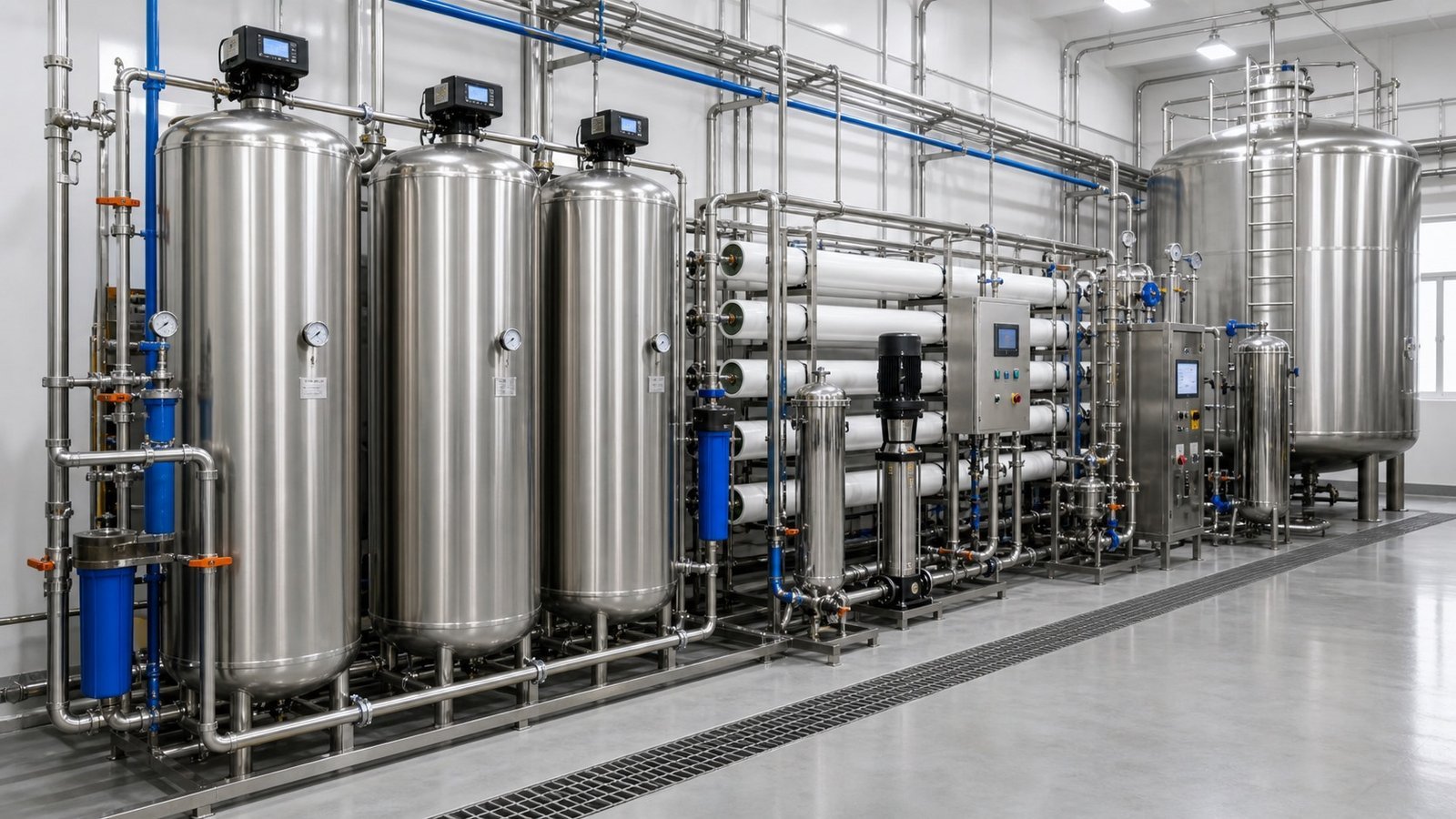
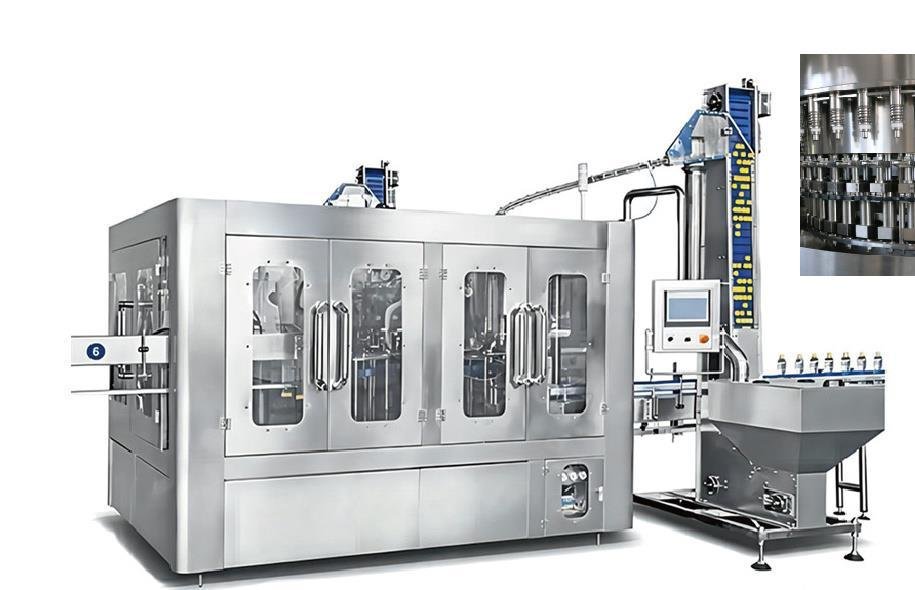
The process illustration supports scope discussion. The XGF equipment image is reproduced from page 9 of the Allot Tech 2026 catalog; use the catalog and project documents to review the applicable configuration.
Buyer questions
Frequently asked questions
What information is needed to size a CIP system?
Provide a circuit register with volumes, pipe sizes, elevations, equipment and spray devices, plus cleaning recipes, temperatures, chemicals, available time and simultaneous-use requirements.
Can one CIP skid clean the process area and filler?
It may, but circuits, hygiene zones, flow, return, production schedule and equipment limits must be compatible and responsibilities at each interface must be explicit.
How is CIP performance verified?
Verification can include recorded time, temperature, flow and concentration-related conditions plus site hygiene checks selected by qualified specialists for the actual product and equipment.
Does Allot Tech design the final cleaning program?
Allot Tech coordinates project information. Final CIP engineering, chemical selection, validation and operating procedures remain with the confirmed qualified resources and authorized plant team.
Project discussion
Discuss a Beverage CIP System
Send the beverage, package files, required output, factory conditions, destination and current project stage.