
Complete line coordination
Complete Beverage Production Lines from China
Turn a list of machines into a coordinated beverage project by defining product process, packaging, interfaces, utilities, layout, acceptance, export and startup responsibilities.
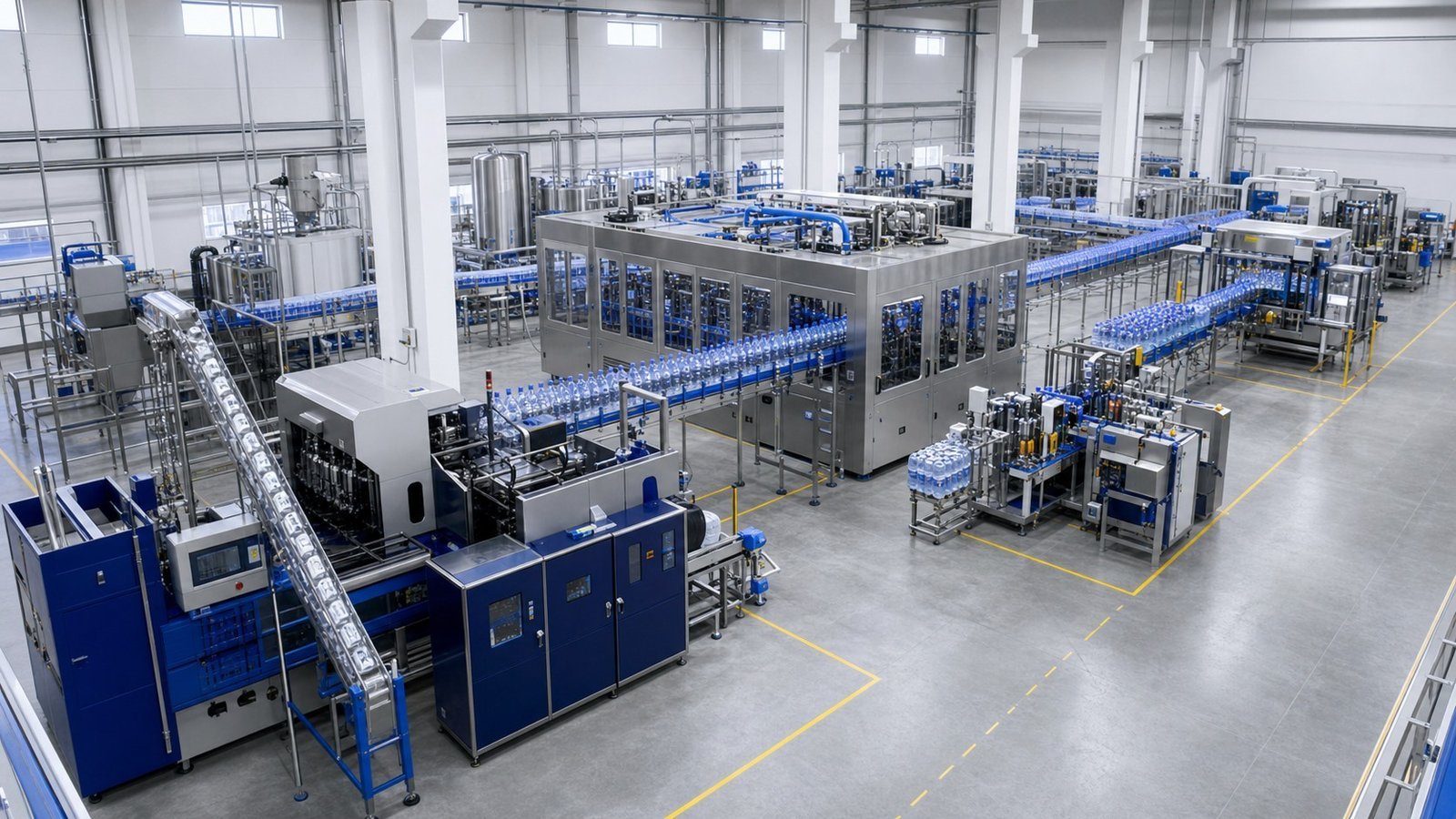
Published by Allot Tech. Project contact: founder Mr Kcal. Final engineering, performance, materials, compliance, manufacturing responsibility and commercial terms must be confirmed for the selected resource and signed project scope.
Updated October 7, 2026Direct answer
Turnkey should describe responsibility, not just equipment quantity.
A complete beverage line can span ingredient handling and water treatment through filling, packing and warehouse handover. The word turnkey is useful only when the quotation identifies engineering outputs, equipment boundaries, buyer-supplied work, utility connections, civil requirements, testing, shipping, installation, training and final acceptance responsibility.
Project definition
Start with the complete decision basis.
A complete beverage line can span ingredient handling and water treatment through filling, packing and warehouse handover. The word turnkey is useful only when the quotation identifies engineering outputs, equipment boundaries, buyer-supplied work, utility connections, civil requirements, testing, shipping, installation, training and final acceptance responsibility.
Product portfolio
Beverages, recipes, shelf-life targets, package formats and planned changeovers.
Production plan
Outputs, shifts, annual volume, future formats, cleaning cycles and expansion assumptions.
Factory
Building, layout, utilities, floor, drainage, access, storage and local labor.
Project boundary
Engineering, supply, inspection, export, installation, commissioning, training and support expectations.
System or development path
Control interfaces from process design through finished-product handling.
Process and utilities
Define water, ingredients, preparation, treatment, CIP, air, power, steam, cooling and drainage.
Container production or supply
Coordinate preforms, bottle blowing, depalletizing, can or glass handling and approved package files.
Filling and closure
Select the hygienic and filling method for the product and confirm container, cap or seam interfaces.
Inspection and traceability
Define coding, fill and closure checks, reject logic, production records and buyer systems.
Labeling, packing and palletizing
Balance downstream formats, accumulation, labor, consumables and finished-goods flow.
Delivery and startup
Connect export packing, shipment, site readiness, installation, trials, training and open-issue closure.
Quotation comparison
Use a responsibility matrix to compare complete-line proposals.
| Decision area | Buyer should provide | Proposal should clarify |
|---|---|---|
| Engineering | Process brief, package files, building data and destination standards. | Layouts, flow diagrams, equipment list, utility schedule and approval sequence. |
| Supply boundary | Requested complete line and known existing equipment. | Included machines, conveyors, piping, cables, platforms, spares and buyer supply. |
| Site work | Local contractors, permits, labor and utility readiness. | Supervision, installation, commissioning, travel and local responsibility. |
| Acceptance | Products, packages, run duration and quality checks. | FAT, site trials, performance basis, punch list and sign-off method. |
| Lifecycle | Operators, maintenance plan, spare-parts strategy and remote access policy. | Training, manuals, recommended spares, warranty and after-sales escalation. |
Buyer working matrix
Separate a complete equipment line from the full factory investment.
Use a responsibility matrix to compare the same installed outcome. A line quotation does not automatically include every site service or construction item.
| Scope block | List in the equipment proposal | Keep the buyer interface explicit |
|---|---|---|
| Product process | Treatment, preparation, tanks, transfer and cleaning modules required by the chosen beverage. | Raw materials, product process approval and connections to existing systems. |
| Packaging line | Container feed or blowing, filling, closing, labeling, coding, inspection and packing. | Approved packaging materials, format list and finished-pack definition. |
| Utilities and site | Quoted compressors, chillers, treatment skids, load and connection schedules. | Building, drainage, local installation works and any buyer-supplied utilities. |
| Acceptance and handover | FAT, SAT scope, manuals, training, spares and commissioning services. | Trial materials, site staffing, local specialists and authorized acceptance decisions. |
Solve the next project problem
Close these proposal gaps before price becomes the decision.
Use the brief below to turn a vague supplier conversation into questions that can be answered and documented.
Make this decision comparable.
Send: Process brief, package files, building data and destination standards.
Require: Layouts, flow diagrams, equipment list, utility schedule and approval sequence.
Make this decision comparable.
Send: Requested complete line and known existing equipment.
Require: Included machines, conveyors, piping, cables, platforms, spares and buyer supply.
Make this decision comparable.
Send: Local contractors, permits, labor and utility readiness.
Require: Supervision, installation, commissioning, travel and local responsibility.
Send the beverage, package files, required output, factory conditions, destination and current project stage. The Allot Tech Project Desk can help organize the first comparison.
Decision evidence
Keep project evidence connected to each approval and release decision.
Evidence should be identified before the order or approval stage so both sides know what will support the next decision.
Approved engineering basis
Keep the signed specification, equipment list, package files, layout and interface responsibilities under revision control.
Manufacturing progress record
Identify agreed drawings, component confirmations, photographs, open questions and approval decisions by date.
Test and acceptance record
State configuration, materials, operating conditions, measurements, results, punch-list items and release status.
Delivery and handover package
Connect packing, serial numbers, manuals, backups, spare parts, training and support contacts to the delivered scope.
Define interfaces before price comparison
Two quotations can list similar major machines while assigning piping, conveyors, electrical distribution, utilities or installation to different parties. A line-by-line responsibility matrix prevents these differences from disappearing inside the total price.
- Use one equipment list
- Mark every supplier and buyer boundary
- Track revisions and interface owners
Make layout a working engineering file
A layout should show dimensions, line direction, access, service clearances, utility points, drains, material routes and future constraints. It should be updated as package formats and machine selections are approved.
- Confirm building dimensions
- Review operator and maintenance access
- Reserve space for accumulation and expansion
Plan project closure from the beginning
Agree document deliverables, FAT records, shipment evidence, site-readiness checks, training records and open-item closure. The final signed agreement should state which party owns each deliverable.
- Create a document register
- Link milestones to approvals
- Close the punch list with named owners
Decision gates
Move forward when the next commitment has enough written evidence.
Project stages overlap, but each commercial commitment should have a visible basis, named approvers and a list of unresolved items.
Engineering basis approved
The product, package, output, equipment boundary, layout, utilities, responsibilities and open assumptions are controlled.
Manufacturing and test basis approved
Drawings, component schedule, test materials, acceptance conditions, documents and planned evidence are agreed.
Delivery and handover released
Punch-list closure, packing, shipment files, site readiness, installation scope, training and support ownership are visible.
Before requesting a proposal
Build one brief that every resource can answer on the same basis.
This page is designed to help an international buyer prepare a clearer discussion, not to replace the responsible resource’s engineering or the buyer’s professional review.
Product
Beverage, process, hygiene, shelf-life and operating conditions.
Package
Container, closure, label, code, finished pack and approved files.
Output
Required rate for a named format, shifts, annual plan and changeovers.
Factory
Measured space, utilities, access, drainage and local site constraints.
Project scope
Equipment boundary, documents, FAT, delivery, startup and destination.
Allot Tech organized recurring buyer questions, project-scoping patterns, available catalog inputs and specialist-resource context into a decision sequence. No customer case, certification, output guarantee or factory ownership is implied unless separately verified for the named project.
Manufacturing context
Use equipment views to ask more specific project questions.
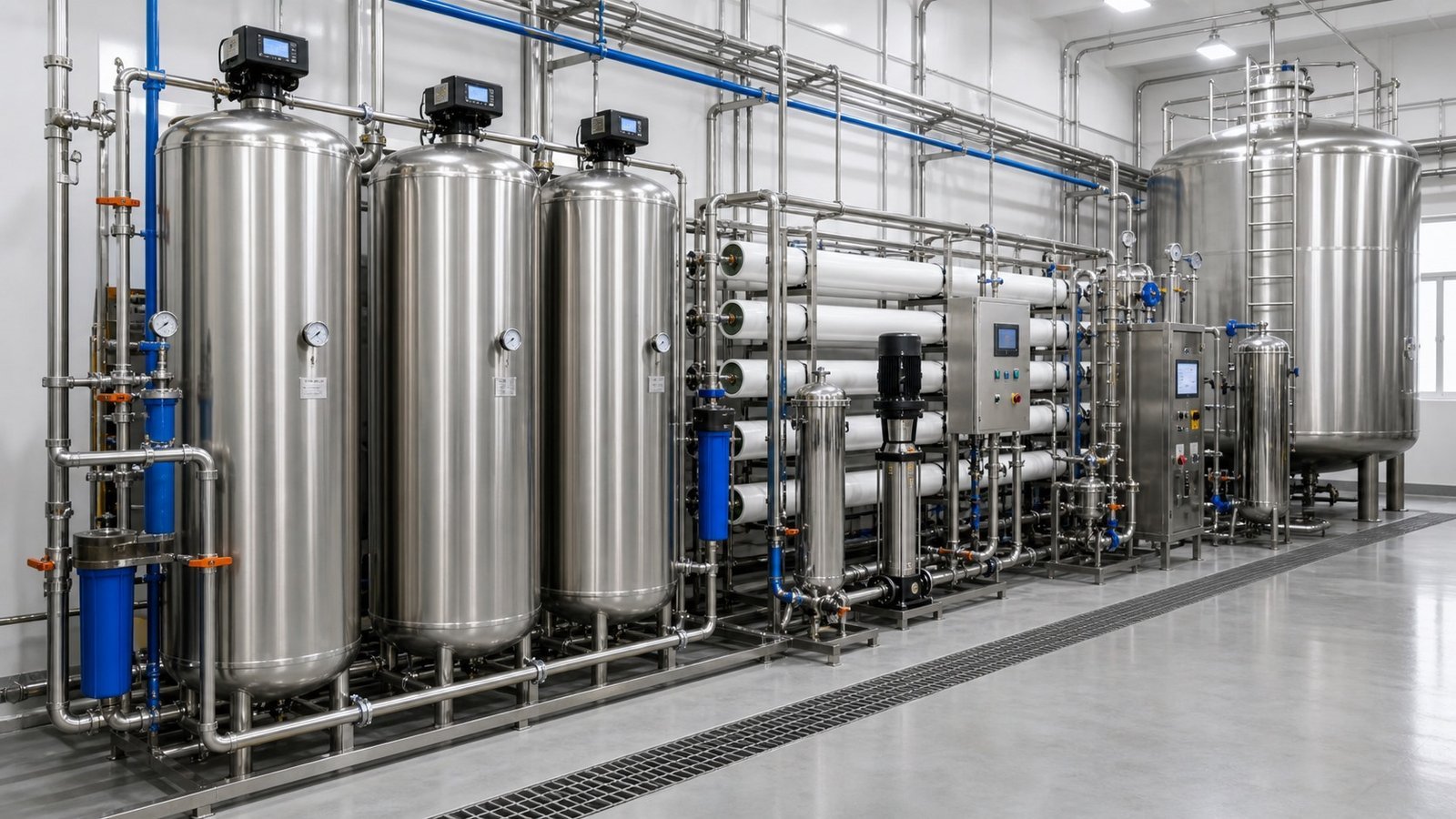
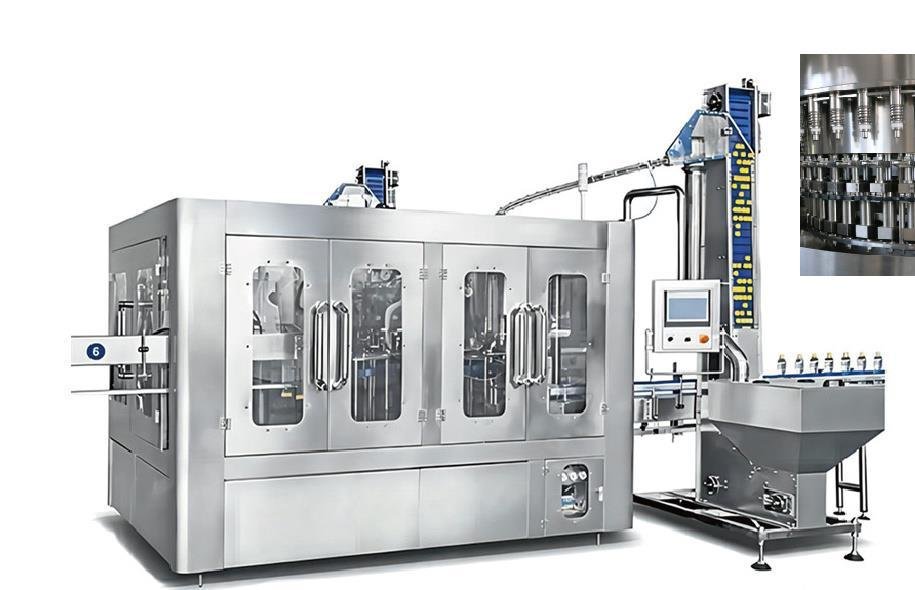
The process illustration supports scope discussion. The XGF equipment image is reproduced from page 9 of the Allot Tech 2026 catalog; use the catalog and project documents to review the applicable configuration.
Buyer questions
Frequently asked questions
What does a complete beverage production line include?
Scope may include water and beverage process, bottle or container handling, filling, closure, inspection, labeling, packing, palletizing, utilities, engineering, testing, export and startup support.
Is turnkey the same for every supplier?
No. Each supplier may use the word differently. Compare a written responsibility matrix, equipment list, engineering outputs and site-work boundary.
What files should be prepared first?
Prepare product and package details, target outputs, building drawings, utility information, destination requirements, existing-equipment data and the required delivery boundary.
How should several suppliers be compared?
Issue one RFQ, normalize inclusions and exclusions, record assumptions, compare technical interfaces and evaluate service and acceptance terms separately from total price.
Project discussion
Discuss a Complete Beverage Line
Send the beverage, package files, required output, factory conditions, destination and current project stage.