
Beverage engineering guide
Bottling Line Retrofit and Upgrade Planning
Decide what to retain, modify or replace using measured line performance and a controlled cutover plan.
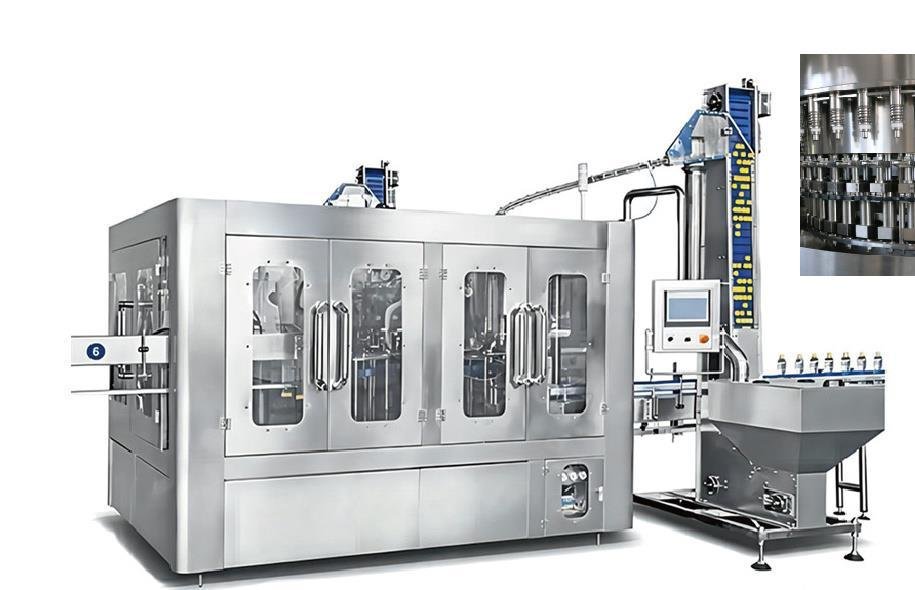
Use this guide to prepare a reviewable request. Confirm the selected article or equipment, test basis and responsibilities in the project scope.
Updated October 7, 2026Direct answer
Survey the installed line before choosing an upgrade.
A bottling line retrofit starts with the actual installed machines, product and package range, controls and measured output. Record the constraint that the upgrade must remove, then compare retaining, modifying and replacing equipment against the same accepted-pack target. A faster replacement filler is useful only when the remaining preparation, bottle supply, conveyors, closure, labeling and packing stages can support it. Define compatibility, outage work, responsibility and acceptance before ordering.
Build an installed-equipment survey that a supplier can use.
Identify each machine by manufacturer, model, serial number, year and current configuration. Photograph the nameplate and the transfer points; attach the latest available layout, electrical drawings and control backups. Label files as verified, outdated or missing. An old general arrangement drawing is a starting point, not a measured installation record.
Record actual conveyor heights, transfer direction, bottle support and neck handling, cap and label feed, service access and available floor space. List the operating PLC, HMI, drives, network and safety interfaces, with the responsible local engineer reviewing what may be reused. A replacement quote should state which connections it assumes, which adapters it includes and who completes the remaining work.
Check the availability of supported spare parts, software access and service documentation for retained equipment. Name any unresolved ownership or access question in the quotation review so commissioning does not depend on an unavailable program or unidentified component.
Test the bottleneck under the formats you actually sell.
Use a representative running period and count accepted closed and packed containers at a named point. Record the package, recipe, operator arrangement, speed settings, stoppages and blocked or starved periods. Compare the observed restriction with the planned product mix: a small bottle at high speed and a larger bottle with a different label can expose different constraints.
Separate speed loss from rejects, frequent breakdowns and lengthy changeovers. If the filler waits for bottles, investigate blowing or bottle feeding first. If a full discharge conveyor stops filling, review downstream packing and accumulation. Use this evidence to request a targeted remedy, rather than assuming that every low-output line needs a larger filling machine.
Make the shutdown and restart part of the purchase scope.
Agree what can be prepared while the old line runs, what requires isolation and how retained equipment will be protected. Assign dismantling, lifting, electrical work, programming, utility reconnection, format parts and waste handling. Confirm that drawings and parts will be available before the outage starts; calendar duration alone does not describe site readiness.
Define the restart sequence, training and punch-list decisions. Test the complete line with named product and packaging, checking sustained accepted output, transfer stability, closure quality, cleaning boundaries and fault recovery. Where a fallback is technically feasible, agree its trigger and required parts in advance. Keep the acceptance owner and the disposition of unresolved items visible.
Compare three upgrade routes on the same operating basis.
Illustrative decision framework; suitability depends on the installed condition and confirmed engineering review.
| Route | Evidence to request | Commercial boundary to resolve |
|---|---|---|
| Modify a retained machine | Condition survey, supported conversion design, compatibility and test plan. | Included parts, software work, warranty boundary and service support. |
| Replace the bottleneck stage | Measured constraint and verified rates of retained upstream and downstream stages. | Adapters, conveyors, controls, utilities and line-level acceptance. |
| Extend or replace the line | Future formats, measured footprint, site capacity and total installed scope. | Building works, production interruption, commissioning and disposal. |
Prepare the request
Send the inputs needed to review this requirement.
Current line
Machine list, latest layout, photos, controls and available backups.
Operating evidence
Good-pack rate, package mix, stop log, rejects and changeover observations.
Upgrade objective
Named product and format, required accepted output and future changes.
Outage boundary
Permitted shutdown window, local trades, access and restart responsibilities.
Acceptance
Trial conditions, complete-line measurement point and authorized sign-off.
Reference basis
Primary sources for the technical context.
The checklists are Allot Tech procurement guidance. External manufacturer examples do not establish the capabilities of a quoted Allot Tech configuration.
- KHS: conversion catalog and installed-line development
Manufacturer context for compatibility with an installed machine park and line-level upgrade planning. KHS options are not represented as Allot Tech products.
Frequently asked questions
Can a new filler be connected to an old packing line?
Possibly, after transfer geometry, package handling, controls and the packer’s measured capacity are reviewed. Require the proposal to include the necessary interfaces and a complete-line trial.
Does the nameplate rate show the available upgrade capacity?
No. Use a documented run with the actual product and format, and distinguish rated machine output from accepted output across the whole line.
Should every old machine be replaced?
Age alone does not decide. Compare condition, serviceability, safety review, supported controls, operating losses and integration cost before choosing the retained scope.
Project discussion
Discuss this line requirement
Include the available specifications, samples or files, project stage and destination so the next review can address the actual requirement.