
Beverage quality & acceptance
Bottle Cap Torque & Leak Testing
A cap that looks straight can still be outside its application window. Connect bottle-neck dimensions, closure design, capper setup and package testing before accepting a filling line.

Published by Allot Tech. Project contact: founder Mr Kcal. Final engineering, performance, materials, compliance, manufacturing responsibility and commercial terms must be confirmed for the selected resource and signed project scope.
Updated September 14, 2026
Direct answer
One package trial needs more than a single torque average.
Bottle cap torque and leak testing evaluate different parts of closure performance. Application torque describes tightening during capping; removal torque measures opening under a stated test condition. Neither reading alone proves a leak-tight package. Start with the bottle and closure supplier specifications, an approved capper configuration and a sampling plan covering individual heads. Agree when samples are measured, how they are conditioned, which leak method is appropriate and who can release the package. Use package-specific limits supplied by the responsible specialists; there is no universal torque setting for every bottle or cap diameter.
Project definition
Start with the complete decision basis.
A cap that looks straight can still be outside its application window. Connect bottle-neck dimensions, closure design, capper setup and package testing before accepting a filling line.
Package identity
Bottle drawing and neck finish revision, cap article, liner or plug design, tamper band and material lot numbers.
Operating conditions
Product, filling temperature, carbonation or pressure conditions, cap storage and line speed for the trial.
Measurement plan
Instrument identity, calibration status, units, grip method, time after capping and sample conditioning.
Decision rules
Approved application window, removal-torque criteria, leak-test procedure, head coverage and response to a failed sample.
System or development path
Build a review sequence with named records and decision owners.
Confirm the package pair
Review neck and closure drawings together, including sealing surfaces and the actual components supplied.
Review the capper
Identify chuck and head compatibility, alignment, cap feed and the setup record for the trial.
Sample by head and time
Keep head identity, speed and elapsed time with each sample; include startup and steady production as agreed.
Release with paired evidence
Review torque, leakage, tamper-band condition and visual damage together before signing the package result.
Quotation comparison
Agree the comparison basis before sampling or ordering.
| Decision area | Buyer should provide | Proposal should clarify |
|---|---|---|
| Compatibility | Approved neck and cap specifications. | Dimension review and a named package-pair trial. |
| Torque | Measurement units and elapsed time after application. | Separate application settings from measured removal results. |
| Leakage | Service conditions and supplier-approved test method. | Conditions, duration, observations and signed disposition. |
| Traceability | Capper-head list and packaging lot identity. | Individual results rather than an unexplained line average. |
Buyer working matrix
One package trial needs more than a single torque average.
Use this as a record structure. The supplier-approved procedure supplies the actual values and acceptance rules.
| Record | Capture | Why it matters |
|---|---|---|
| Component pair | Bottle and closure articles, drawings and lots | Makes the approved combination reproducible |
| Machine state | Head, chuck, setup revision and line speed | Locates variation within the capper |
| Torque result | Unit, time, temperature and individual readings | Prevents comparison of unlike measurements |
| Package outcome | Leak method, visual findings and disposition | Connects a number to package performance |
Solve the next project problem
Close these proposal gaps before price becomes the decision.
Use the brief below to turn a vague supplier conversation into questions that can be answered and documented.
Make this decision comparable.
Send: Approved neck and cap specifications.
Require: Dimension review and a named package-pair trial.
Make this decision comparable.
Send: Measurement units and elapsed time after application.
Require: Separate application settings from measured removal results.
Make this decision comparable.
Send: Service conditions and supplier-approved test method.
Require: Conditions, duration, observations and signed disposition.
Send the beverage, package files, required output, factory conditions, destination and current project stage. The Allot Tech Project Desk can help organize the first comparison.
Decision evidence
Keep project evidence connected to each approval and release decision.
Evidence should be identified before the order or approval stage so both sides know what will support the next decision.
Approved engineering basis
Keep the signed specification, equipment list, package files, layout and interface responsibilities under revision control.
Manufacturing progress record
Identify agreed drawings, component confirmations, photographs, open questions and approval decisions by date.
Test and acceptance record
State configuration, materials, operating conditions, measurements, results, punch-list items and release status.
Delivery and handover package
Connect packing, serial numbers, manuals, backups, spare parts, training and support contacts to the delivered scope.
Keep application and removal torque separate
A displayed capper setting is not automatically the torque retained by the package. Thread friction, closure construction, temperature and time can affect results. Compare removal measurements only when the sampling and conditioning methods match. If the buyer needs results after cooling or transport simulation, list these as additional stages rather than comparing them directly with fresh-line readings.
- Write the unit beside every result
- Record time since capping
- Retain the setup revision used
A torque pass is not a sealing pass
Use the closure specialist to define leakage and package-integrity checks for the selected product. Inspect neck damage, tilted caps, thread engagement and the tamper band as separate observations. Increasing tightening force to hide a leak can introduce another defect; review the component pair and machine setup before changing the approved process window.
- Link leak results to the same trial
- Identify rejected sample locations
- Retest after an approved correction
Request the complete trial record
For an equipment quotation, ask who supplies approved caps and bottles, torque instruments, leak-test equipment and trained operators. Define which tests can occur at FAT and which require the final product and site conditions. Keep excluded tests visible so a mechanical run is not mistaken for finished-package approval.
- Assign material supply responsibilities
- Separate FAT from site checks
- Name the release owner
Decision gates
Move forward when the next commitment has enough written evidence.
Project stages overlap, but each commercial commitment should have a visible basis, named approvers and a list of unresolved items.
Engineering basis approved
The product, package, output, equipment boundary, layout, utilities, responsibilities and open assumptions are controlled.
Manufacturing and test basis approved
Drawings, component schedule, test materials, acceptance conditions, documents and planned evidence are agreed.
Delivery and handover released
Punch-list closure, packing, shipment files, site readiness, installation scope, training and support ownership are visible.
Before requesting a proposal
Build one brief that every resource can answer on the same basis.
This page is designed to help an international buyer prepare a clearer discussion, not to replace the responsible resource’s engineering or the buyer’s professional review.
Product
Beverage, process, hygiene, shelf-life and operating conditions.
Package
Container, closure, label, code, finished pack and approved files.
Output
Required rate for a named format, shifts, annual plan and changeovers.
Factory
Measured space, utilities, access, drainage and local site constraints.
Project scope
Equipment boundary, documents, FAT, delivery, startup and destination.
Allot Tech organized recurring buyer questions, project-scoping patterns, available catalog inputs and specialist-resource context into a decision sequence. No customer case, certification, output guarantee or factory ownership is implied unless separately verified for the named project.
Reference basis
Primary and specialist sources used to frame the buyer questions.
These sources support definitions and planning context. The current edition, local requirements and project-specific acceptance criteria still need confirmation by the responsible parties.
- BERICAP: Development & Services
Manufacturer context for bottle-neck compatibility, capper and chuck review, and controlled application trials.
Manufacturing context
Use equipment views to ask more specific project questions.
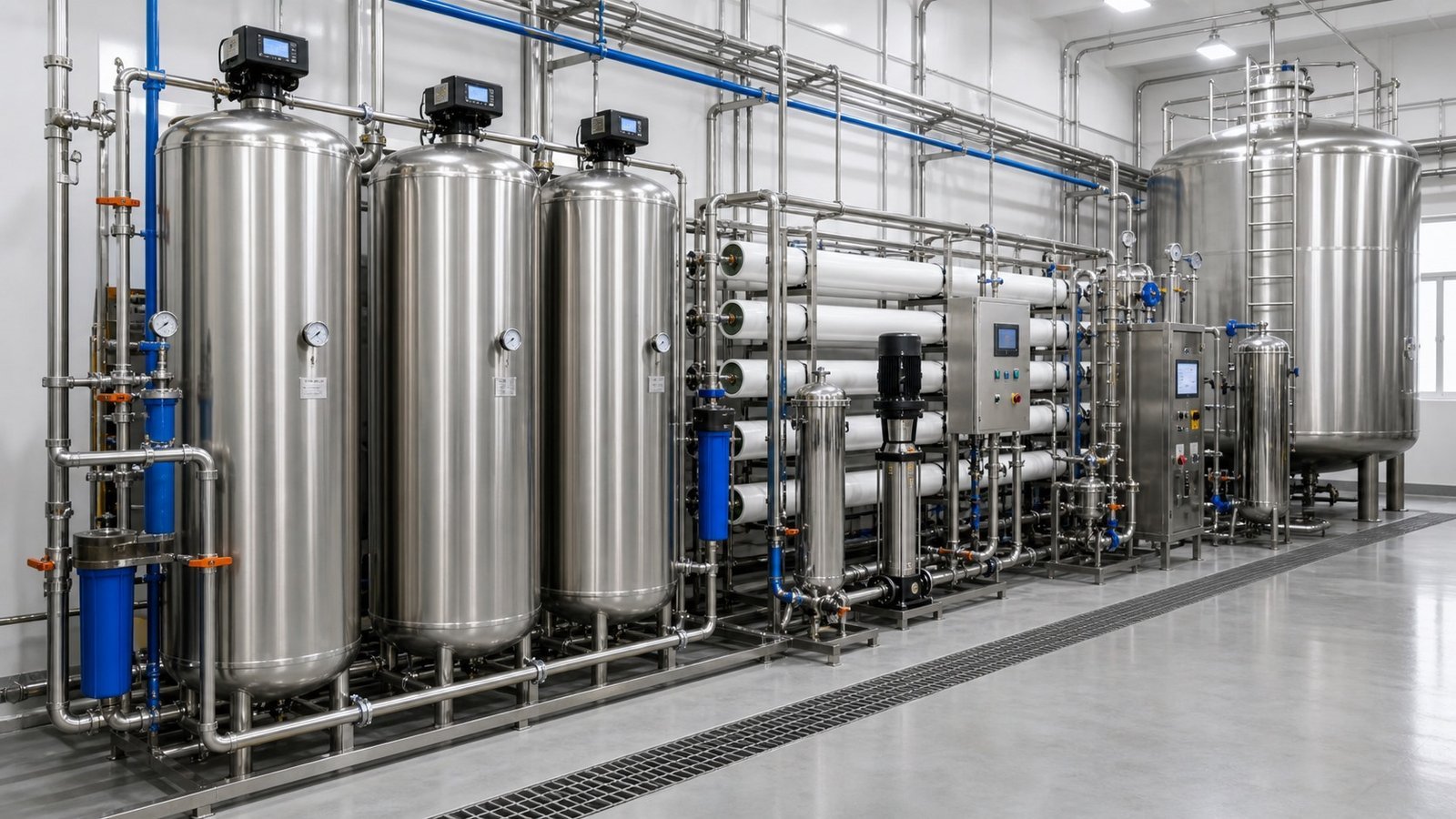
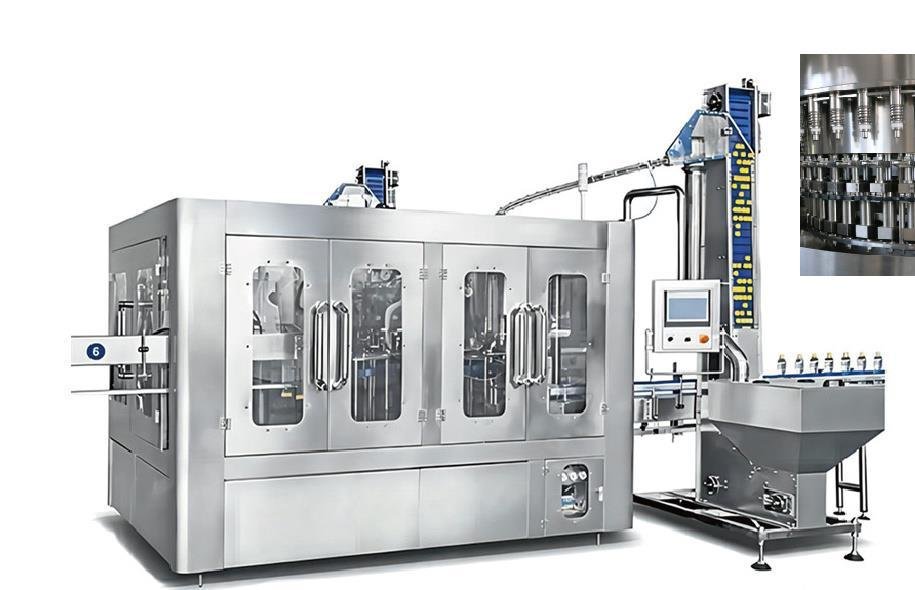
The process illustration supports scope discussion. The XGF equipment image is reproduced from page 9 of the Allot Tech 2026 catalog; use the catalog and project documents to review the applicable configuration.
Buyer questions
Frequently asked questions
Can one torque value be used for every 28 mm cap?
No. A nominal diameter does not define the neck finish, closure design, material or process. Obtain the approved limits for the actual package pair.
Does acceptable opening torque prove there is no leak?
No. Opening behavior and sealing performance are related but distinct. Review the agreed leakage and integrity tests as well.
Why record the capper head?
Head-level identity helps distinguish a repeated setup problem from general packaging variation and supports targeted correction.
Project discussion
Discuss This Beverage Project
Send the beverage, package files, required output, factory conditions, destination and current project stage.