
Format changeover planning
Bottling Line Changeover Checklist and SMED Review
Turn bottle, cap, label and pack changes into a controlled sequence with prepared parts, safe ownership, first-off approval and measured restart performance.
Published by Allot Tech. Project contact: founder Mr Kcal. Final engineering, performance, materials, compliance, manufacturing responsibility and commercial terms must be confirmed for the selected resource and signed project scope.
Updated September 3, 2026Direct answer
Control the complete format path, not only the filler change parts.
A useful bottling line changeover checklist separates work that can be prepared while the line runs from work that requires a safe stop. It identifies every bottle, cap, label, code and pack change; required star wheels, guides, screws, nozzles, cap parts, label and packer tooling; recipe and sensor updates; cleaning needs; tools and lifting aids; responsible people; first-off checks; and the exact start and finish timestamps. SMED improvement begins with observation and evidence, not with an arbitrary target.
Project definition
Start with the complete decision basis.
A package change can affect blower molds, air conveyors, filler transfers, cap feed, coding, labeling, inspection, conveyors and packing. Missing or damaged parts, unapproved samples, poor tool organization and late quality decisions can extend downtime even when machine adjustments are quick. The project should therefore include a master format matrix, identified parts, storage, instructions, recipes, safety steps and restart acceptance.
Format matrix
Every bottle or can, closure, label, code and sales pack with approved drawing, sample and compatibility notes.
Parts register
Machine, part number, format, quantity, storage location, condition, tool and lifting requirement.
Change sequence
External preparation, safe stop, internal work, settings, inspections, first-off approval and restart handover.
Performance record
Last-good to first-good definition, timestamps, people, delays, defects, speed ramp and accepted output.
System or development path
Prepare, change, verify and restart with one controlled sequence.
Prepare externally
Stage identified parts, tools, materials, recipes, documents and trained people before the safe stop.
Secure the line
Apply the site-approved shutdown, isolation, drainage, cleaning and access procedure before internal work.
Change components
Follow the controlled sequence for mechanical parts, guides, tooling, sensors and utilities without mixing formats.
Load settings
Apply approved recipes, positions, inspection limits, code content and pack data with version control.
Approve first-off packs
Check container, fill, closure, code, label, inspection and final pack before normal release.
Ramp and learn
Record restart speed, stops, rejects, total last-good to first-good time and the next evidence-based improvement.
Quotation comparison
Make changeover scope and acceptance visible in the equipment proposal.
| Decision area | Buyer should provide | Proposal should clarify |
|---|---|---|
| Launch formats | Controlled package and pack files. | Included change parts, adjustment range, shared parts and excluded future formats. |
| Method and safety | Site operating and isolation rules. | Recommended sequence, access, tools, lifting aids, ergonomic risks and responsible roles. |
| Recipe control | Naming, approval and backup requirements. | Stored parameters, access levels, version control, restore method and audit trail. |
| First-off approval | Quality checks and decision authority. | Sample points, instruments, inspection recipes, acceptance record and release signal. |
| Time study | Start and finish definitions. | Observation method, delay codes, repeated trials, conditions and improvement ownership. |
Solve the next project problem
Close these proposal gaps before price becomes the decision.
Use the brief below to turn a vague supplier conversation into questions that can be answered and documented.
Make this decision comparable.
Send: Controlled package and pack files.
Require: Included change parts, adjustment range, shared parts and excluded future formats.
Make this decision comparable.
Send: Site operating and isolation rules.
Require: Recommended sequence, access, tools, lifting aids, ergonomic risks and responsible roles.
Make this decision comparable.
Send: Naming, approval and backup requirements.
Require: Stored parameters, access levels, version control, restore method and audit trail.
Send the beverage, package files, required output, factory conditions, destination and current project stage. The Allot Tech Project Desk can help organize the first comparison.
Decision evidence
Preserve the parts, settings and first-off evidence for every format.
Evidence should be identified before the order or approval stage so both sides know what will support the next decision.
Master format matrix
Connect package revisions with every machine part, adjustment, recipe, sensor and quality check.
Change-parts register
Identify part number, machine, format, storage, condition, quantity and replacement responsibility.
Approved work sequence
Show external and internal tasks, safe ownership, tools, expected checks and escalation points.
Changeover study
Record timestamps, delays, rejects, restart curve, observations, action owner and verified result.
Convert internal work into prepared external work where practical
Parts gathering, material verification, recipe review and tool staging can often happen before the stop. The site safety procedure still controls what may be done while equipment operates.
- Observe the actual sequence
- Move preparation outside the stop
- Never trade isolation for speed
Define last good and first good
Changeover duration is meaningless unless the start and end points are consistent. Count the last accepted pack before shutdown and the first accepted pack at stable release, while preserving start-up rejects and speed ramp.
- Use one timestamp definition
- Record first-off quality approval
- Keep restart losses visible
Design changeability into the purchase
Quick-release parts, adjustment scales, recipes, tool-free features and access can support faster work, but only if every launch format is included and tested. Ask suppliers to demonstrate a representative changeover during FAT.
- List all launch formats
- Include tools and storage
- Test the method with approved materials
Decision gates
Move forward when the next commitment has enough written evidence.
Project stages overlap, but each commercial commitment should have a visible basis, named approvers and a list of unresolved items.
Engineering basis approved
The product, package, output, equipment boundary, layout, utilities, responsibilities and open assumptions are controlled.
Manufacturing and test basis approved
Drawings, component schedule, test materials, acceptance conditions, documents and planned evidence are agreed.
Delivery and handover released
Punch-list closure, packing, shipment files, site readiness, installation scope, training and support ownership are visible.
Before requesting a proposal
Build one brief that every resource can answer on the same basis.
This page is designed to help an international buyer prepare a clearer discussion, not to replace the responsible resource’s engineering or the buyer’s professional review.
Product
Beverage, process, hygiene, shelf-life and operating conditions.
Package
Container, closure, label, code, finished pack and approved files.
Output
Required rate for a named format, shifts, annual plan and changeovers.
Factory
Measured space, utilities, access, drainage and local site constraints.
Project scope
Equipment boundary, documents, FAT, delivery, startup and destination.
Allot Tech organized recurring buyer questions, project-scoping patterns, available catalog inputs and specialist-resource context into a decision sequence. No customer case, certification, output guarantee or factory ownership is implied unless separately verified for the named project.
Reference basis
Primary and specialist sources used to frame the buyer questions.
These sources support definitions and planning context. The current edition, local requirements and project-specific acceptance criteria still need confirmation by the responsible parties.
- Lean Enterprise Institute – Single Minute Exchange of Die
Primary lean-method definition for SMED and the single-digit-minute improvement objective.
- Sidel Empty Container Air Conveying
Official equipment context showing why bottle dimensions and automatic settings belong in format-change planning.
Manufacturing context
Use equipment views to ask more specific project questions.
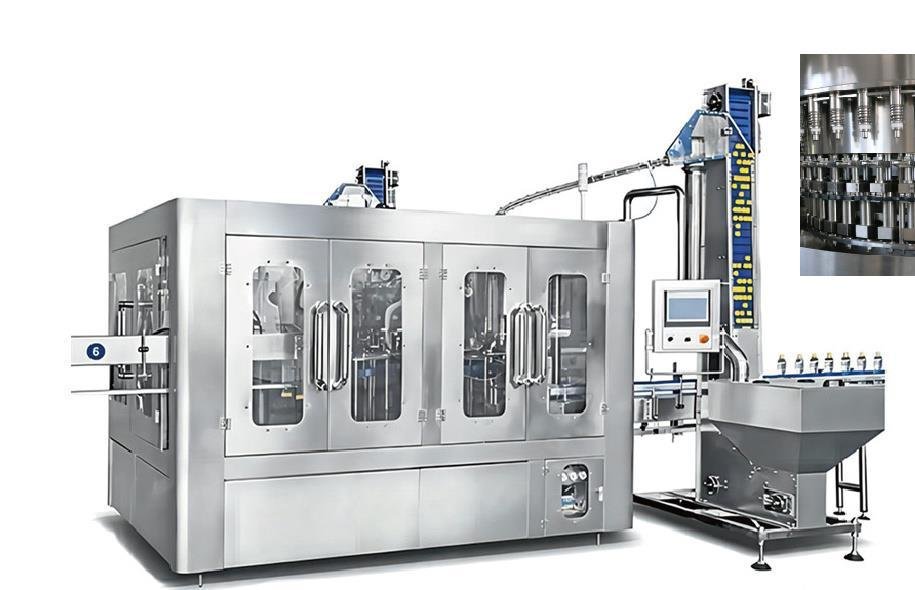
The process illustration supports scope discussion. The XGF equipment image is reproduced from page 9 of the Allot Tech 2026 catalog; use the catalog and project documents to review the applicable configuration.

Buyer questions
Frequently asked questions
What does SMED mean?
Single-minute exchange of die is a structured approach that targets single-digit-minute changeovers by observing work and moving suitable tasks outside the stopped period. It is a method, not a promise for every line.
Where should changeover time start and stop?
Use a documented definition such as last accepted pack before the stop to first accepted pack after restart at the agreed release condition.
Should change parts be included in the quotation?
Every launch format should have a listed mechanical, electrical, recipe, inspection and packing scope with included parts and exclusions.
Can changeover be tested during FAT?
A representative changeover can be demonstrated when approved formats, materials, parts, tools and acceptance checks are available.
Project discussion
Build a Bottling Changeover Checklist
Send the beverage, package files, required output, factory conditions, destination and current project stage.