
International project delivery
Beverage Equipment Export Packing and Handover
Connect shipment release, packing, loading, documents, destination receipt and site handover before the equipment leaves China.

Published by Allot Tech. Project contact: founder Mr Kcal. Final engineering, performance, materials, compliance, manufacturing responsibility and commercial terms must be confirmed for the selected resource and signed project scope.
Updated September 3, 2026Direct answer
The project is not delivered when the factory doors close.
A beverage equipment delivery plan should identify every machine, loose part, change part, tool, spare, manual and control backup before export packing begins. The parties should agree shipment-release authority, packing method, corrosion and moisture protection, lifting points, case marks, serial-number register, container allocation, loading evidence, document set, Incoterm and insurance responsibility, destination unloading, storage and damage-report procedure. Packing quality cannot replace correct contractual risk allocation and site receipt planning.
Project definition
Start with the complete decision basis.
Machinery may be split into modules, frames, electrical cabinets, piping, platforms and many small items. Long transit, humidity, vibration, multiple handling points and site storage can create risks that were absent during FAT. The signed contract, logistics providers, insurers, destination authorities and responsible technical resources determine final shipping, compliance and claim obligations.
Delivery register
Equipment list, serial numbers, dimensions, weights, lifting points, loose parts, spares, tools, documents and software backups.
Trade basis
Incoterm and named place, transport mode, routing, insurance responsibility, required documents and import-party roles.
Packing conditions
Transit duration, climate, handling, storage, corrosion sensitivity, electrical protection and destination restrictions.
Site receipt
Port and road limits, unloading equipment, access, temporary storage, inventory team, inspection window and claim process.
System or development path
Preserve equipment identity and condition from shipment release through site receipt.
Release the scope
Close or classify FAT issues, approve the shipment list and identify any authorized conditional-release items.
Prepare and preserve
Clean, drain, dry, secure moving parts, protect surfaces and electronics, apply approved preservation and cap connections.
Pack and mark
Use suitable bases, cases, wrapping, blocking, desiccant or indicators, lifting marks and package identification.
Load and record
Verify container condition, weight distribution, blocking, lashing, package location, seal and photographic evidence.
Issue documents
Reconcile packing list, invoice, transport files, certificates or declarations required for the agreed shipment and destination.
Receive and hand over
Inspect seals and condition, unload safely, inventory packages, record damage, preserve storage and transfer to installation.
Quotation comparison
Compare delivery scope beyond the freight price.
| Decision area | Buyer should provide | Proposal should clarify |
|---|---|---|
| Shipment boundary | Incoterm, named place, routing and responsible parties. | Freight, origin charges, export formalities, insurance, destination costs and exclusions. |
| Packing standard | Equipment sensitivities, transit and storage conditions. | Materials, preservation, cases or bases, moisture control, marks, fumigation or wood compliance where applicable. |
| Identity control | Approved equipment, spare and document register. | Serial and package numbering, loose-part mapping, container allocation and reconciliation method. |
| Loading | Container type, weight and destination handling limits. | Loading plan, lifting and securing method, center of gravity, photos, seal and overweight prevention. |
| Receipt and claims | Inspection time, storage and communication roles. | Condition report, evidence required, notification route, mitigation and insurer or carrier procedure. |
Solve the next project problem
Close these proposal gaps before price becomes the decision.
Use the brief below to turn a vague supplier conversation into questions that can be answered and documented.
Make this decision comparable.
Send: Incoterm, named place, routing and responsible parties.
Require: Freight, origin charges, export formalities, insurance, destination costs and exclusions.
Make this decision comparable.
Send: Equipment sensitivities, transit and storage conditions.
Require: Materials, preservation, cases or bases, moisture control, marks, fumigation or wood compliance where applicable.
Make this decision comparable.
Send: Approved equipment, spare and document register.
Require: Serial and package numbering, loose-part mapping, container allocation and reconciliation method.
Send the beverage, package files, required output, factory conditions, destination and current project stage. The Allot Tech Project Desk can help organize the first comparison.
Decision evidence
A shipment record should let the site team find, inspect and protect every delivered item.
Evidence should be identified before the order or approval stage so both sides know what will support the next decision.
Final delivery register
Connect equipment, serial, package, dimensions, weight, loose parts, spares, tools, manuals and software.
Preservation and packing checklist
Record cleaning, draining, protection, caps, desiccant or indicators, case construction, marks and closure.
Container loading record
Show container identity, condition, package positions, blocking, lashing, weight distribution, seal and photographs.
Site receipt record
Capture arrival condition, seal, unloading, package count, visible damage, storage action, notifications and open claims.
Make loose parts traceable to the machine
A small sensor bracket, change part or cable can delay installation when it is not linked to a machine and package. Use item and package identifiers on the packing list and physical labels, and provide a destination inventory sequence.
- Number machines, packages and loose items
- Link photographs to identifiers
- Prepare a site receipt checklist before sailing
Plan preservation for transit and storage, not just sailing time
Equipment may wait at origin, port, customs or site. Drain product and test fluids, protect machined surfaces and electronics, close openings and state storage checks. Any preservation material should be compatible with the equipment and destination requirements.
- State the assumed storage duration and environment
- Protect electrical cabinets and exposed surfaces
- Give the site team preservation-maintenance instructions
Keep commercial and technical handover aligned
Shipping documents, packing lists, manuals, drawings, backups and open technical items often travel through different channels. Use one document register with revisions, responsible people, required format and receipt confirmation.
- Reconcile invoice and packing-list identities
- Issue current manuals and approved drawings
- Confirm receipt of software and parameter backups
Decision gates
Move forward when the next commitment has enough written evidence.
Project stages overlap, but each commercial commitment should have a visible basis, named approvers and a list of unresolved items.
Engineering basis approved
The product, package, output, equipment boundary, layout, utilities, responsibilities and open assumptions are controlled.
Manufacturing and test basis approved
Drawings, component schedule, test materials, acceptance conditions, documents and planned evidence are agreed.
Delivery and handover released
Punch-list closure, packing, shipment files, site readiness, installation scope, training and support ownership are visible.
Before requesting a proposal
Build one brief that every resource can answer on the same basis.
This page is designed to help an international buyer prepare a clearer discussion, not to replace the responsible resource’s engineering or the buyer’s professional review.
Product
Beverage, process, hygiene, shelf-life and operating conditions.
Package
Container, closure, label, code, finished pack and approved files.
Output
Required rate for a named format, shifts, annual plan and changeovers.
Factory
Measured space, utilities, access, drainage and local site constraints.
Project scope
Equipment boundary, documents, FAT, delivery, startup and destination.
Allot Tech organized recurring buyer questions, project-scoping patterns, available catalog inputs and specialist-resource context into a decision sequence. No customer case, certification, output guarantee or factory ownership is implied unless separately verified for the named project.
Manufacturing context
Use equipment views to ask more specific project questions.
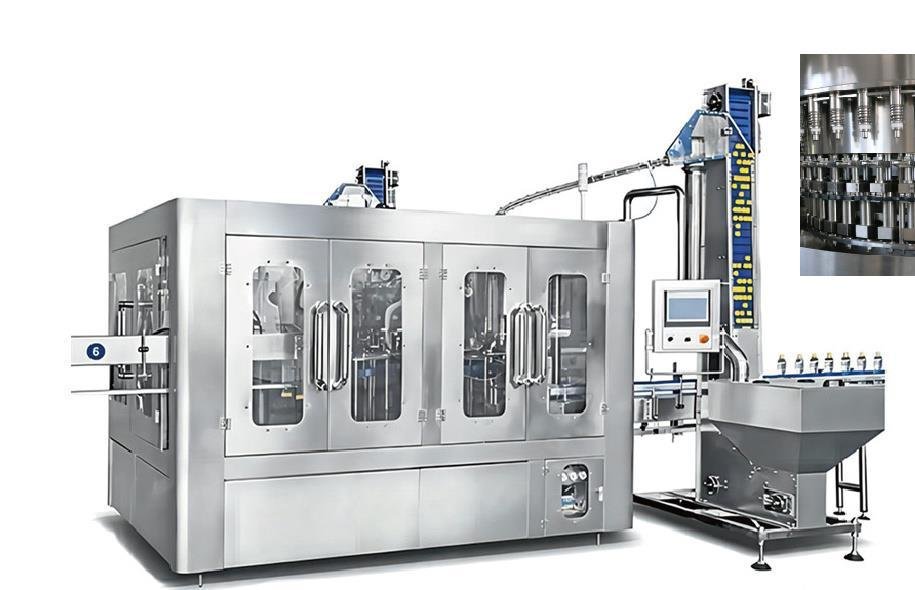
The process illustration supports scope discussion. The XGF equipment image is reproduced from page 9 of the Allot Tech 2026 catalog; use the catalog and project documents to review the applicable configuration.

Buyer questions
Frequently asked questions
What should a machinery packing list include?
It should identify packages, equipment and serial numbers, dimensions, weights, quantities, loose parts, spares, tools and a practical relationship to the delivery register.
Who is responsible for shipping damage?
Responsibility depends on the signed contract, Incoterm, insurance, carrier terms and evidence. The parties should agree inspection and notification procedures before shipment.
What should be checked when a container arrives?
Check container and seal identity, visible condition, package count and damage before and during unloading, then document findings and protect the equipment in storage.
Can Allot Tech coordinate export handover?
Allot Tech can coordinate project and commercial communication within the signed scope while logistics, insurance, customs and technical responsibilities remain with the named parties.
Project discussion
Discuss Export Delivery and Handover
Send the beverage, package files, required output, factory conditions, destination and current project stage.