Packaging quality controls
Beverage Line Inspection and Coding Guide
Define the defect, package condition, action and retained evidence for every inspection or coding point on the line.
Published by Allot Tech. Project contact: founder Mr Kcal. Final engineering, performance, materials, compliance, manufacturing responsibility and commercial terms must be confirmed for the selected resource and signed project scope.
Updated September 3, 2026Direct answer
Every inspection point needs a defined question and action.
Beverage line inspection should be designed from a defect-and-action matrix, not from a generic request for a camera. For each check, state the package condition and speed, defect or code to detect, acceptable limit, detection method, response, reject location, reject confirmation, record requirement and challenge frequency. Coding scope should define content, location, substrate, line speed, environmental condition, code verification and data source. The quotation should separate detection capability from the final quality decision.
Project definition
Start with the complete decision basis.
An inspection system can only evaluate features visible or measurable under its configured conditions. Bottle glare, condensation, label artwork, product foam, line vibration and package variation can affect performance. Challenge samples and controlled settings help establish capability, but production quality still depends on component control, maintenance and authorized disposition procedures.
Defect matrix
Each potential defect, where it becomes visible, acceptable limit, risk level, action and final decision authority.
Package state
Container and pack drawings, speed, spacing, orientation, temperature, moisture, product appearance and approved variations.
Code specification
Required text or data, format, location, character size, contrast, data source, change control and retention.
System boundary
Sensors, vision, checkweigher or leak checks, reject device, bin, confirmation, alarms, network and reports.
System or development path
Connect each quality question with sensing, decision, rejection and evidence.
Define the defect
Describe the nonconforming condition with controlled examples and an agreed limit or classification.
Choose the inspection point
Place the check after the defect can exist and where package presentation supports reliable observation.
Stabilize presentation
Control spacing, orientation, background, lighting, vibration and surface condition before sensing.
Decide and identify
Apply the configured logic, track the package identity and distinguish system fault from product rejection.
Reject and confirm
Remove the correct package, confirm the action, secure rejects and define response when rejection fails.
Challenge and record
Use controlled samples, document results, protect settings and retain events required by the quality plan.
Quotation comparison
Compare inspection systems one defect, package state and action at a time.
| Decision area | Buyer should provide | Proposal should clarify |
|---|---|---|
| Inspection task | Defect examples, tolerance or class and package condition. | Sensing method, field of view, resolution, speed capability, limitations and required controls. |
| Coding | Content, data source, location, substrate and legibility need. | Printer technology, consumables, environmental range, recipe control and verification method. |
| Reject system | Package dimensions, line speed, risk and reject policy. | Tracking, actuator, confirmation, bin security, full-bin response and fail-safe behavior. |
| Data and access | Event, image, count or batch records and retention. | User roles, recipe protection, report fields, storage, network interface, backup and privacy boundary. |
| Acceptance | Challenge samples and decision protocol. | Sample set, repeated tests, speeds, false reject review, fault tests, records and open limitations. |
Solve the next project problem
Close these proposal gaps before price becomes the decision.
Use the brief below to turn a vague supplier conversation into questions that can be answered and documented.
Make this decision comparable.
Send: Defect examples, tolerance or class and package condition.
Require: Sensing method, field of view, resolution, speed capability, limitations and required controls.
Make this decision comparable.
Send: Content, data source, location, substrate and legibility need.
Require: Printer technology, consumables, environmental range, recipe control and verification method.
Make this decision comparable.
Send: Package dimensions, line speed, risk and reject policy.
Require: Tracking, actuator, confirmation, bin security, full-bin response and fail-safe behavior.
Send the beverage, package files, required output, factory conditions, destination and current project stage. The Allot Tech Project Desk can help organize the first comparison.
Decision evidence
Inspection evidence should show both capability and known limitations.
Evidence should be identified before the order or approval stage so both sides know what will support the next decision.
Defect and action matrix
Link every check to defect definition, package state, acceptance limit, action, authority and record requirement.
Challenge set register
Identify controlled good and defective samples, revision, custody, expected result and use frequency.
Capability trial record
Capture format, speed, lighting or environment, repeated results, false rejects, failures and settings.
Reject and fault test
Verify package tracking, physical removal, confirmation, full bin, air or power loss, alarm and recovery response.
Place inspection after the defect can occur
A cap check before downstream handling cannot detect a closure damaged later, while a label check must see the final applied label. Map where each defect is introduced and choose a point with enough package control and time to reject it safely.
- Map defect creation and detection points
- Leave adequate reject distance
- Avoid duplicate checks without a defined purpose
Treat code printing and verification as one controlled process
Correct data must reach the printer, appear on the intended package area and remain readable. Confirm message source, recipe permissions, line-clearance procedure, print quality checks, verification limits and response to unreadable or mismatched codes.
- Control message creation and selection
- Check print on actual substrate and speed
- Retain the events required by the quality plan
Challenge realistic defects without overstating capability
A few ideal samples do not prove detection of every variation. Build a representative challenge set, repeat tests at agreed speeds and package states, record false rejects and disclose features that remain operator- or laboratory-dependent.
- Use controlled defect examples
- Test across approved formats
- Record both successes and misses
Decision gates
Move forward when the next commitment has enough written evidence.
Project stages overlap, but each commercial commitment should have a visible basis, named approvers and a list of unresolved items.
Engineering basis approved
The product, package, output, equipment boundary, layout, utilities, responsibilities and open assumptions are controlled.
Manufacturing and test basis approved
Drawings, component schedule, test materials, acceptance conditions, documents and planned evidence are agreed.
Delivery and handover released
Punch-list closure, packing, shipment files, site readiness, installation scope, training and support ownership are visible.
Before requesting a proposal
Build one brief that every resource can answer on the same basis.
This page is designed to help an international buyer prepare a clearer discussion, not to replace the responsible resource’s engineering or the buyer’s professional review.
Product
Beverage, process, hygiene, shelf-life and operating conditions.
Package
Container, closure, label, code, finished pack and approved files.
Output
Required rate for a named format, shifts, annual plan and changeovers.
Factory
Measured space, utilities, access, drainage and local site constraints.
Project scope
Equipment boundary, documents, FAT, delivery, startup and destination.
Allot Tech organized recurring buyer questions, project-scoping patterns, available catalog inputs and specialist-resource context into a decision sequence. No customer case, certification, output guarantee or factory ownership is implied unless separately verified for the named project.
Manufacturing context
Use equipment views to ask more specific project questions.
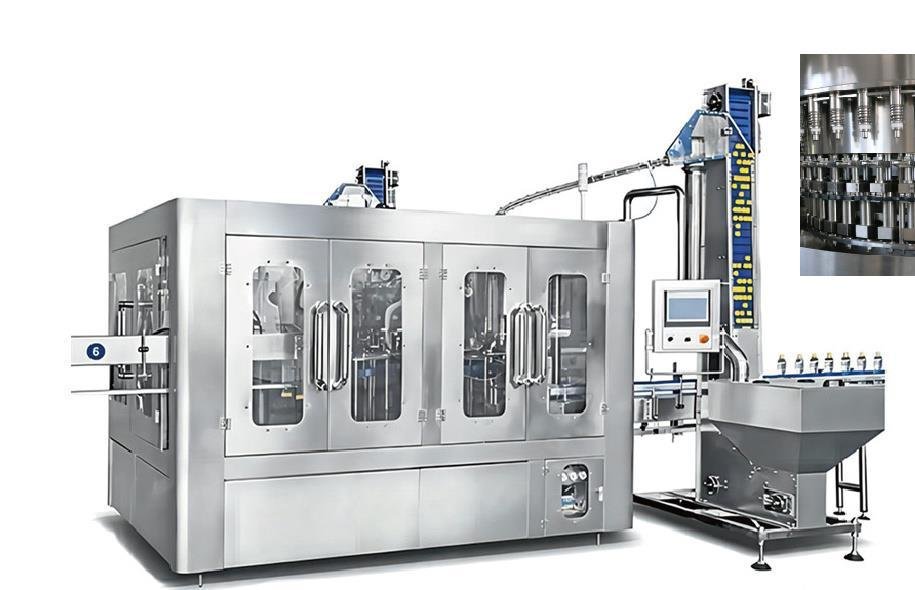
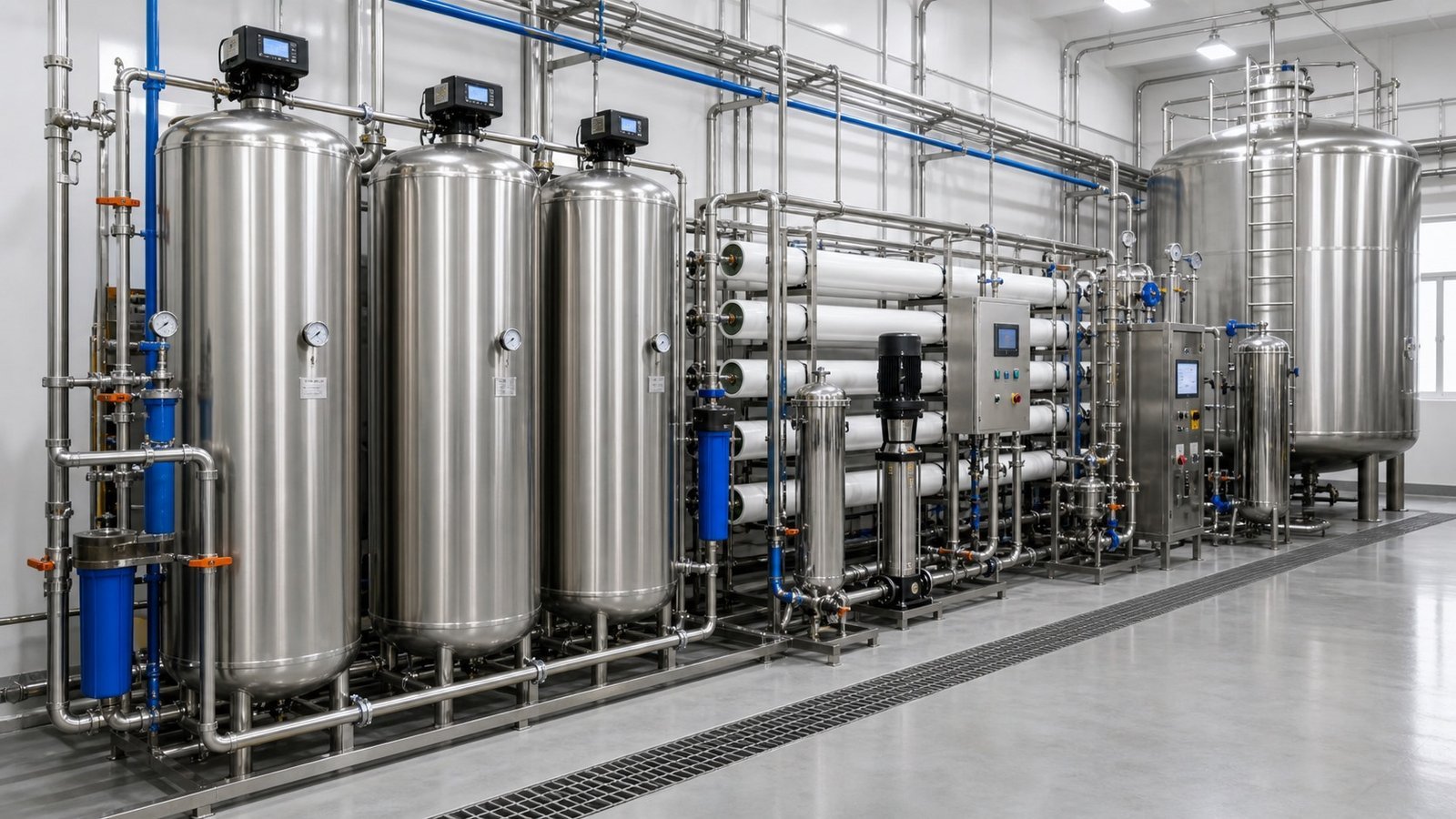
The process illustration supports scope discussion. The XGF equipment image is reproduced from page 9 of the Allot Tech 2026 catalog; use the catalog and project documents to review the applicable configuration.
Buyer questions
Frequently asked questions
What can a beverage vision inspection system check?
Depending on configuration and package presentation, it may check features such as presence, position, identity, level, closure or code. Each task and limitation should be specified separately.
What is reject confirmation?
It is a check that the package selected for rejection was physically removed from the production flow, with a defined response if removal is not confirmed.
How should an inspection system be tested?
Use controlled good and defect samples at agreed package states and speeds, repeat the tests, review false rejects, test faults and retain results and settings.
Does inspection replace upstream quality control?
No. Inspection can detect selected visible or measurable conditions; component control, process control, sampling and authorized quality decisions remain necessary.
Project discussion
Discuss Inspection and Coding Scope
Send the beverage, package files, required output, factory conditions, destination and current project stage.