
Line movement and controls
Beverage Conveyors, Accumulation and Line Controls
Use the real package and operating sequence to engineer every transfer, buffer, speed zone and fault response across the beverage line.
Published by Allot Tech. Project contact: founder Mr Kcal. Final engineering, performance, materials, compliance, manufacturing responsibility and commercial terms must be confirmed for the selected resource and signed project scope.
Updated September 3, 2026Direct answer
Most line instability begins at transfers, buffers and fault recovery.
Beverage conveyors should be engineered as a package-handling and controls system, not priced only by total length. Provide bottle, can or pack drawings and samples, filled weight, surface condition, output, line layout and operating sequence. Each proposal should show conveyor type, width, speed zones, transfer details, accumulation purpose, guide and lubrication strategy, sensors, machine handshakes, stop-start behavior, reject routes, safety devices and responsibility for integrated debugging.
Project definition
Start with the complete decision basis.
Containers can be empty, open, capped, hot, cold, wet, labeled or bundled at different points in one line. The same conveyor pressure or transfer geometry does not suit every condition. Controls must also let equipment slow, stop and restart without creating jams, spills, scuffing or excessive process exposure. Final mechanical, electrical and functional safety engineering remains with qualified project resources.
Package states
Drawings, samples, weight, center of gravity, neck support, surface, temperature and condition at every line segment.
Process sequence
Machine list, nominal rates, expected stops, residence-time limits, reject points and required isolation.
Factory layout
Measured positions, elevations, columns, aisles, drains, access, crossings, pallet routes and future expansion.
Control standard
Power, PLC and network preference, signals, data, safety requirement, operator stations and integration owner.
System or development path
Design container movement and control response as one balanced operating narrative.
Map package condition
Identify where containers are unstable, open, wet, hot, labeled, pressurized or grouped into packs.
Engineer transfers
Review infeed and discharge heights, dead plates, curves, lane changes, elevators, air conveyors and guide transitions.
Place useful buffers
State which machine stop each accumulation zone protects and the time or quantity basis used.
Divide control zones
Assign motors, variable speeds, sensors, jam logic, pressure release and machine-ready or fault signals.
Handle rejects and stops
Separate rejected product, confirm removal and define controlled slowdown, stop, restart and blocked-route response.
Prove the complete line
Observe normal production, starve and block conditions, changeover, emergency stop recovery and accepted output.
Quotation comparison
Compare conveyor scope by package behavior, functional zones and integration responsibility.
| Decision area | Buyer should provide | Proposal should clarify |
|---|---|---|
| Mechanical path | Layout, machine interfaces, package files and access constraints. | Conveyor types, elevations, supports, widths, curves, transfers, guides and excluded steelwork. |
| Accumulation | Stop patterns, critical process limits and recovery priorities. | Buffer location, usable capacity, pressure strategy, control logic and package limitations. |
| Drives and controls | Electrical standard, network, signals and data expectations. | Motor zones, variable-speed control, panels, PLC boundary, interfaces and source-code handover. |
| Safety and access | Applicable site review, cleaning and maintenance needs. | Guards, crossings, emergency stops, lockout points, access doors and risk-review responsibility. |
| Acceptance | Representative formats and integrated operating scenarios. | Normal, starve, block, reject and restart tests, run duration, records and punch-list closure. |
Solve the next project problem
Close these proposal gaps before price becomes the decision.
Use the brief below to turn a vague supplier conversation into questions that can be answered and documented.
Make this decision comparable.
Send: Layout, machine interfaces, package files and access constraints.
Require: Conveyor types, elevations, supports, widths, curves, transfers, guides and excluded steelwork.
Make this decision comparable.
Send: Stop patterns, critical process limits and recovery priorities.
Require: Buffer location, usable capacity, pressure strategy, control logic and package limitations.
Make this decision comparable.
Send: Electrical standard, network, signals and data expectations.
Require: Motor zones, variable-speed control, panels, PLC boundary, interfaces and source-code handover.
Send the beverage, package files, required output, factory conditions, destination and current project stage. The Allot Tech Project Desk can help organize the first comparison.
Decision evidence
A conveyor package should explain how the line behaves, not only where it runs.
Evidence should be identified before the order or approval stage so both sides know what will support the next decision.
Interface and elevation drawing
Record machine datum, conveyor top, direction, widths, transitions, supports, access and responsibility at every handoff.
Control narrative
Describe speed zones, sensors, handshakes, fault propagation, accumulation, reject routes and restart sequence.
Package trial observations
Use approved containers or packs to record instability, scuffing, pressure, jams and adjustments at critical transfers.
Integrated scenario test
Capture line response to starve, block, machine fault, reject, emergency stop and recovery with open actions.
Give every accumulation zone a reason
Accumulation is useful when it lets a downstream or upstream machine recover from a realistic stop. Excessive buffering can increase container pressure, heat exposure, scuffing and cleaning area. State the protected event and usable capacity for each zone.
- Link buffer capacity to a defined stop
- Consider package pressure and residence time
- Avoid counting unusable curve or transfer length
Review the complete stop-and-restart sequence
Independent machines can each run correctly while the connected line repeatedly jams. The integrated test should create controlled starve and block conditions, verify speed changes and signal exchange, then observe how containers clear and production resumes.
- Test normal and abnormal line states
- Record signal ownership at every interface
- Confirm restart without manual workarounds
Preserve access, drainage and visibility
Conveyors can block maintenance doors, create difficult cleaning zones or hide inspection points. Layout review should include operator paths, removal of change parts, drainage, spill cleanup, guard access and visibility of reject locations.
- Walk maintenance tasks on the layout
- Keep drains and aisles accessible
- Provide safe access to sensors and motors
Decision gates
Move forward when the next commitment has enough written evidence.
Project stages overlap, but each commercial commitment should have a visible basis, named approvers and a list of unresolved items.
Engineering basis approved
The product, package, output, equipment boundary, layout, utilities, responsibilities and open assumptions are controlled.
Manufacturing and test basis approved
Drawings, component schedule, test materials, acceptance conditions, documents and planned evidence are agreed.
Delivery and handover released
Punch-list closure, packing, shipment files, site readiness, installation scope, training and support ownership are visible.
Before requesting a proposal
Build one brief that every resource can answer on the same basis.
This page is designed to help an international buyer prepare a clearer discussion, not to replace the responsible resource’s engineering or the buyer’s professional review.
Product
Beverage, process, hygiene, shelf-life and operating conditions.
Package
Container, closure, label, code, finished pack and approved files.
Output
Required rate for a named format, shifts, annual plan and changeovers.
Factory
Measured space, utilities, access, drainage and local site constraints.
Project scope
Equipment boundary, documents, FAT, delivery, startup and destination.
Allot Tech organized recurring buyer questions, project-scoping patterns, available catalog inputs and specialist-resource context into a decision sequence. No customer case, certification, output guarantee or factory ownership is implied unless separately verified for the named project.
Manufacturing context
Use equipment views to ask more specific project questions.
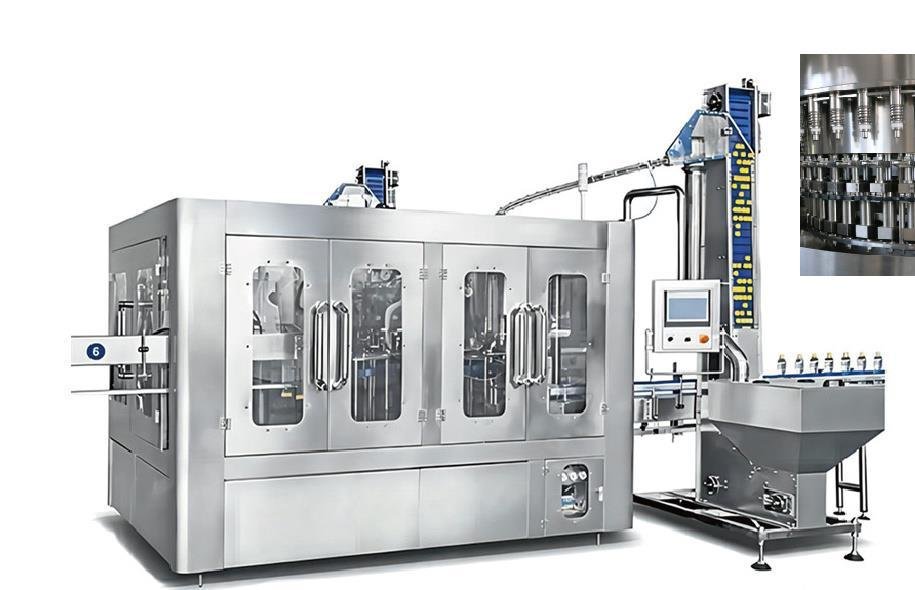
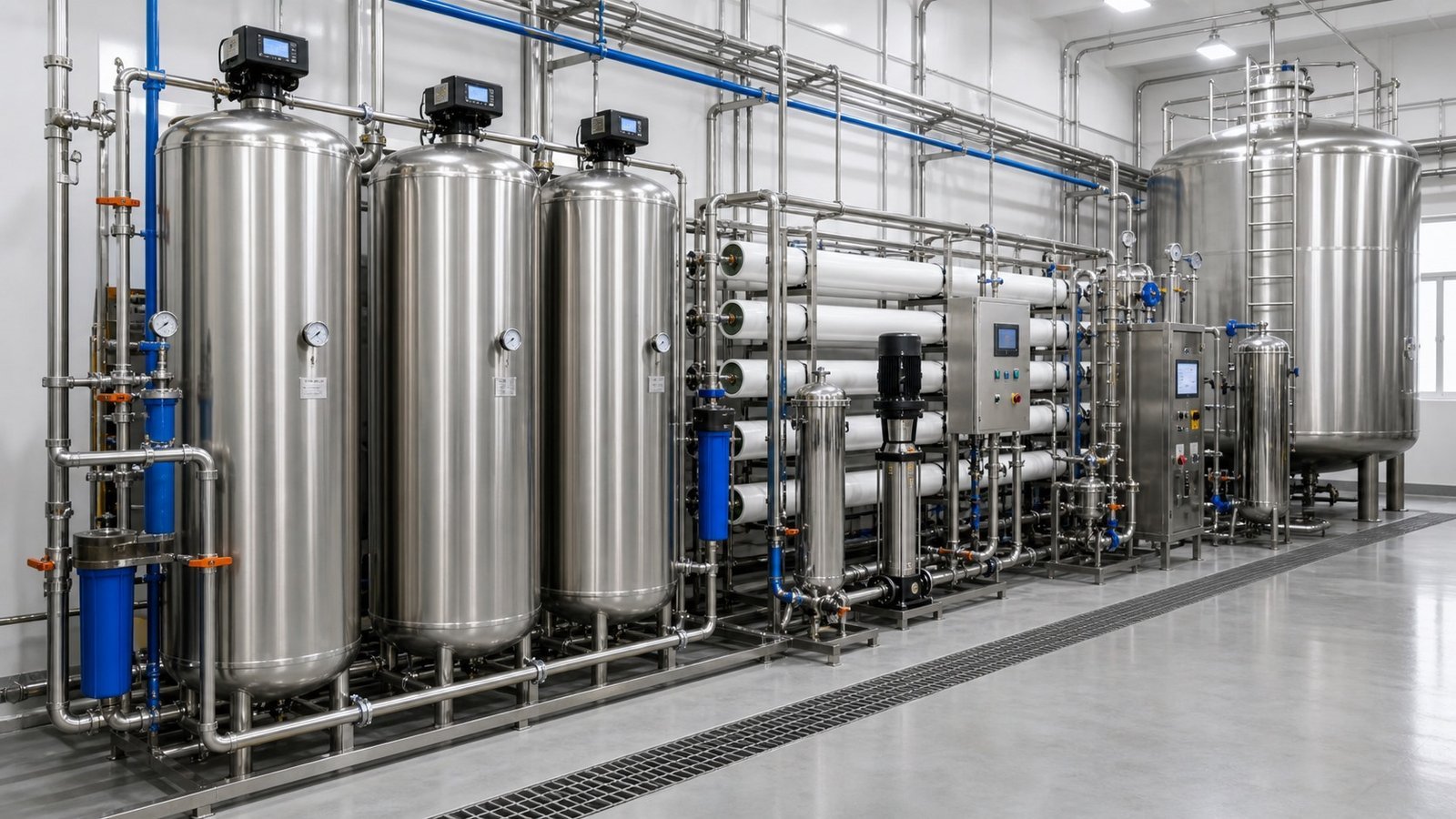
The process illustration supports scope discussion. The XGF equipment image is reproduced from page 9 of the Allot Tech 2026 catalog; use the catalog and project documents to review the applicable configuration.
Buyer questions
Frequently asked questions
How much accumulation does a bottling line need?
It depends on the protected machine stop, package behavior, process exposure and recovery strategy. Each buffer should have a stated purpose and usable capacity.
Why do bottles jam between machines?
Common contributors include unstable packages, poor transfer geometry, excessive pressure, mismatched speeds, guide settings, sensor placement and incomplete stop-start logic.
Who should supply the line control system?
The contract should name one party responsible for the overall control narrative, interfaces, integrated testing and punch-list closure even when several resources supply machines.
Should conveyor FAT use actual bottles and packs?
Yes for critical transfers and integrated behavior whenever possible. If substitutes are used, the limitations and remaining site tests should be recorded.
Project discussion
Discuss Beverage Conveyors and Controls
Send the beverage, package files, required output, factory conditions, destination and current project stage.