
Secondary beverage packaging
Shrink Wrapping and Carton Packing Guide
Define the saleable pack and transport requirement before selecting shrink-film, tray, wraparound-carton or case-packing equipment.
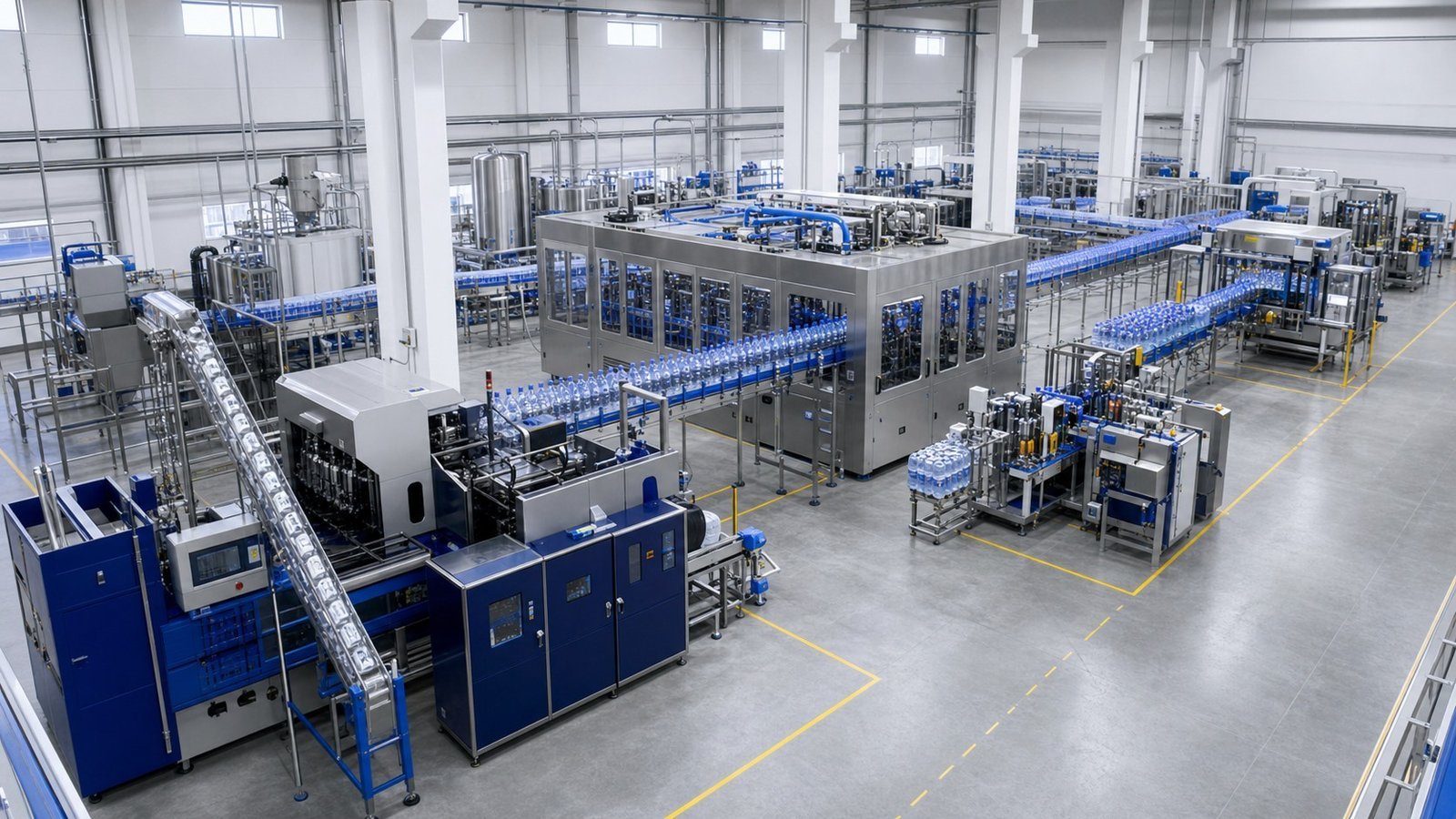
Published by Allot Tech. Project contact: founder Mr Kcal. Final engineering, performance, materials, compliance, manufacturing responsibility and commercial terms must be confirmed for the selected resource and signed project scope.
Updated September 3, 2026Direct answer
The finished sales pack is the engineering input.
A secondary packer should be quoted for a controlled container and a finished pack definition: count, row pattern, orientation, film or board material, tray or carton style, handle or opening feature, code, output and pallet interface. Compare infeed lanes, collation, container control, material feed, sealing or gluing, shrink tunnel where used, cooling, inspection, reject handling, change parts and accepted packs per minute. Film or board quality and bottle surface condition should be included in the test basis.
Project definition
Start with the complete decision basis.
Secondary packaging protects containers during handling and presents the product to distribution or retail. Lightweight bottles, unstable cans, wet surfaces and warm packs can change collation and seal quality. Material thickness alone does not define film or board performance. The responsible packaging resource should confirm final material, pack strength, transport tests and market compliance for the actual distribution chain.
Primary container
Bottle or can drawing, filled weight, temperature, surface moisture, label sensitivity, stability and approved samples.
Pack configuration
Count, rows, orientation, tray or pad, film or carton style, handle, perforation, printed artwork and approved sample.
Material basis
Film or board specification, roll or blank dimensions, print registration, sealing or adhesive requirement and supply tolerances.
Performance
Finished packs per minute, upstream container rate, changeovers, accumulation, downstream pallet pattern and transport expectations.
System or development path
Build a stable pack from controlled infeed through cooled or sealed discharge.
Receive containers
Define lane count, spacing, accumulation, surface condition and stop-start behavior from the upstream conveyor.
Collate the pattern
Control rows, count, orientation, separators and bottle or can contact without damaging labels or closures.
Feed packaging material
Manage film roll or carton blank identity, tension, registration, splice, magazine and low-material warning.
Form and close
Wrap, seal, glue, fold or close the pack using the approved material and documented operating window.
Shrink or cure
Control tunnel temperature and airflow or adhesive setting, then cool the pack before transfer and stacking.
Inspect and hand over
Verify count, pack shape, seal, code, missing material and stable discharge to manual or automatic palletizing.
Quotation comparison
Compare packing systems by accepted finished pack, not machine infeed speed.
| Decision area | Buyer should provide | Proposal should clarify |
|---|---|---|
| Pack style | Approved drawing, sample, count, orientation and distribution use. | Forming method, supported range, tooling, consumables and known limitations. |
| Material | Film or board specification and supply format. | Roll or blank range, tension, sealing or adhesive, registration, storage and test assumptions. |
| Container condition | Filled weight, temperature, moisture and label sensitivity. | Infeed control, lane guides, drying requirement, contact pressure and scuff protection. |
| Performance | Container rate and accepted packs per minute by format. | Collation cycle, tunnel or closure capacity, efficiency basis, accumulation and reject treatment. |
| Changeover and acceptance | Priority formats, materials and decision criteria. | Parts, settings, procedure, trial quantity, run duration, pack tests and punch-list release. |
Solve the next project problem
Close these proposal gaps before price becomes the decision.
Use the brief below to turn a vague supplier conversation into questions that can be answered and documented.
Make this decision comparable.
Send: Approved drawing, sample, count, orientation and distribution use.
Require: Forming method, supported range, tooling, consumables and known limitations.
Make this decision comparable.
Send: Film or board specification and supply format.
Require: Roll or blank range, tension, sealing or adhesive, registration, storage and test assumptions.
Make this decision comparable.
Send: Filled weight, temperature, moisture and label sensitivity.
Require: Infeed control, lane guides, drying requirement, contact pressure and scuff protection.
Send the beverage, package files, required output, factory conditions, destination and current project stage. The Allot Tech Project Desk can help organize the first comparison.
Decision evidence
Keep the final pack connected to its container, material and machine settings.
Evidence should be identified before the order or approval stage so both sides know what will support the next decision.
Approved pack specification
Identify container, count, pattern, material, artwork, dimensions, code and distribution requirement by revision.
Material trial record
Record supplier lot, film or board properties, machine settings, ambient condition and observed seal or forming result.
Integrated output record
Measure accepted finished packs with actual containers and materials, including stops, rejects and downstream transfer.
Pack handling evidence
Document cooling or cure, dimensions, visual checks and any agreed stacking, compression or transport evaluation.
Freeze the pack drawing early
Changing bottle count, row pattern, tray depth or carton opening can change infeed lanes, collating tools, blank size, film width, tunnel duty and pallet pattern. Provisional engineering should mark open dimensions and connect the approval date to delivery.
- Control pack drawings and samples by revision
- List every launch format
- Record schedule effects of packaging changes
Test with production-equivalent materials
Packaging machines are sensitive to film shrink behavior, board stiffness, score lines, adhesive and printing. A substitute may prove movement but not final appearance or strength. State which conclusions are valid when FAT material differs from production supply.
- Reserve enough approved film or board
- Record material lot and specification
- Transfer unresolved material trials to site acceptance
Measure output after the slowest pack process
Collation speed alone does not prove accepted output if seals open, film remains hot or packs become unstable at discharge. Count packs at the agreed handover point and include cooling, inspection and reject behavior.
- Define the finished-pack measurement point
- Include tunnel or adhesive process limits
- Check stable downstream transfer
Decision gates
Move forward when the next commitment has enough written evidence.
Project stages overlap, but each commercial commitment should have a visible basis, named approvers and a list of unresolved items.
Engineering basis approved
The product, package, output, equipment boundary, layout, utilities, responsibilities and open assumptions are controlled.
Manufacturing and test basis approved
Drawings, component schedule, test materials, acceptance conditions, documents and planned evidence are agreed.
Delivery and handover released
Punch-list closure, packing, shipment files, site readiness, installation scope, training and support ownership are visible.
Before requesting a proposal
Build one brief that every resource can answer on the same basis.
This page is designed to help an international buyer prepare a clearer discussion, not to replace the responsible resource’s engineering or the buyer’s professional review.
Product
Beverage, process, hygiene, shelf-life and operating conditions.
Package
Container, closure, label, code, finished pack and approved files.
Output
Required rate for a named format, shifts, annual plan and changeovers.
Factory
Measured space, utilities, access, drainage and local site constraints.
Project scope
Equipment boundary, documents, FAT, delivery, startup and destination.
Allot Tech organized recurring buyer questions, project-scoping patterns, available catalog inputs and specialist-resource context into a decision sequence. No customer case, certification, output guarantee or factory ownership is implied unless separately verified for the named project.
Manufacturing context
Use equipment views to ask more specific project questions.
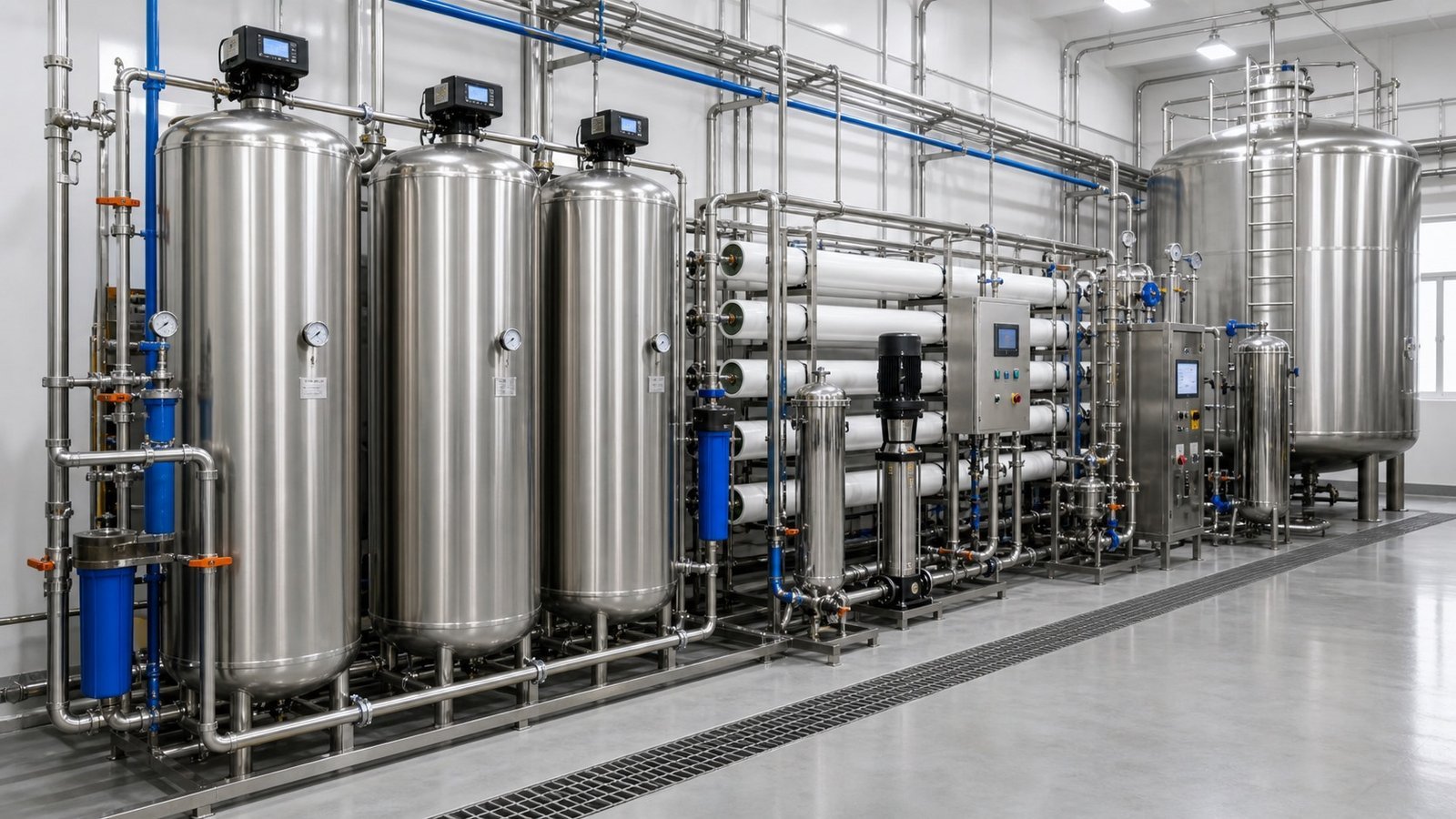
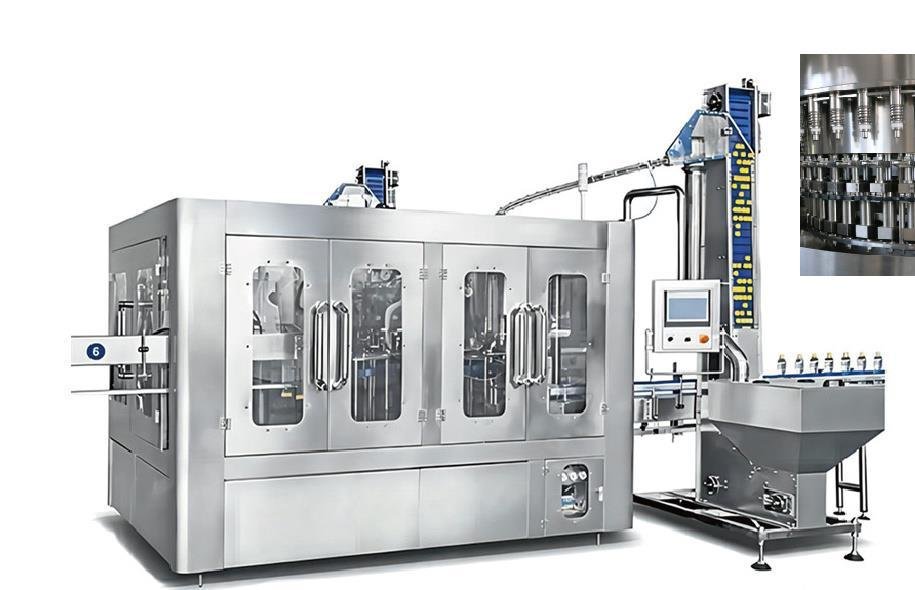
The process illustration supports scope discussion. The XGF equipment image is reproduced from page 9 of the Allot Tech 2026 catalog; use the catalog and project documents to review the applicable configuration.
Buyer questions
Frequently asked questions
What information is needed for a shrink wrapper quotation?
Provide container drawings and samples, filled weight, pack count and pattern, film specification, target packs per minute, upstream rate, utilities and downstream handover.
When is a tray or pad used with shrink film?
The choice depends on container stability, handling, distribution and market presentation. The approved pack design should state whether a tray, pad or unsupported bundle is required.
Can one packer make different pack counts?
Often yes within a designed range, but every count and pattern should have listed guides, tools, settings, material dimensions and accepted speed.
How should pack quality be accepted?
Agree visual and measurable checks, material basis, test duration, output point and any selected handling or transport evaluation before FAT.
Project discussion
Discuss Secondary Beverage Packing
Send the beverage, package files, required output, factory conditions, destination and current project stage.