
Beverage labeling equipment
Bottle Labeling System Selection Guide
Match the label technology to the actual container, label stock and post-fill surface condition before comparing machine speed.
Published by Allot Tech. Project contact: founder Mr Kcal. Final engineering, performance, materials, compliance, manufacturing responsibility and commercial terms must be confirmed for the selected resource and signed project scope.
Updated September 3, 2026Direct answer
Label technology follows the package and presentation requirement.
A bottle labeling system should be selected from approved containers and label samples, required label position and appearance, container surface at labeler entry, target output and number of formats. Compare OPP hot-melt, shrink sleeve, self-adhesive or other confirmed technologies only when they meet the same decoration brief. The quotation should identify infeed control, bottle spacing, orientation, label handling, adhesive or heat system, application accuracy, missing-label inspection, reject logic, change parts, utilities and the interface to upstream drying and downstream packing.
Project definition
Start with the complete decision basis.
Round, shaped, lightweight, hot, cold or wet containers behave differently through a labeler. Paper, film, sleeve and pressure-sensitive materials also have different storage, tension, cutting, adhesive and shrink requirements. A stable result depends on compatible bottle and label tolerances, surface condition and line control. The responsible packaging, label and equipment resources should approve final materials and application conditions.
Container
Drawing, material, diameter or profile, panel, orientation feature, surface condition, temperature and approved production samples.
Label
Artwork and dieline, material, thickness, roll or magazine dimensions, unwind direction, overlap, adhesive area and approved samples.
Application result
Label position, allowable skew, seam or overlap, wrinkles, bubbles, shrink appearance, orientation and inspection requirement.
Line basis
BPH by format, number of labels, upstream dryer, downstream packer, changeovers, room conditions and utilities.
System or development path
Control the bottle and label from infeed spacing through inspected application.
Condition the container
Define rinsing or drying result, temperature, condensation, cleanliness and the acceptable bottle condition at infeed.
Space and orient
Stabilize bottle pitch and use the confirmed mechanical, sensor or vision reference where orientation is required.
Feed label material
Control magazine or roll loading, web tension, splice, sensor marks, cutting and label identity.
Apply the label
Match adhesive, wipe-down, pressure, shrink or placement method to the container and approved label.
Inspect and reject
Detect missing, incorrect or poorly positioned labels to the agreed capability and confirm removal of rejected bottles.
Transfer to packing
Preserve label position and surface through discharge conveyors, accumulation and the secondary packer.
Quotation comparison
Compare labelers using the same bottle, label and visual standard.
| Decision area | Buyer should provide | Proposal should clarify |
|---|---|---|
| Technology | Bottle shape, material, label design and market appearance. | Why the selected application method fits, plus material and geometry limitations. |
| Material handling | Approved label specifications and roll or magazine format. | Web path, tension, cutting, adhesive, shrink, splice, sensors and storage assumptions. |
| Bottle control | Drawing, samples, stability and orientation need. | Infeed spacing, star wheels or screws, guides, orientation method and included change parts. |
| Inspection | Required label identity, presence, position and code checks. | Sensor or vision capability, limitations, reject device, reject confirmation and records. |
| Acceptance | Production labels and bottles for every priority format. | Run duration, speed, visual criteria, defect samples, changeover and open-issue treatment. |
Solve the next project problem
Close these proposal gaps before price becomes the decision.
Use the brief below to turn a vague supplier conversation into questions that can be answered and documented.
Make this decision comparable.
Send: Bottle shape, material, label design and market appearance.
Require: Why the selected application method fits, plus material and geometry limitations.
Make this decision comparable.
Send: Approved label specifications and roll or magazine format.
Require: Web path, tension, cutting, adhesive, shrink, splice, sensors and storage assumptions.
Make this decision comparable.
Send: Drawing, samples, stability and orientation need.
Require: Infeed spacing, star wheels or screws, guides, orientation method and included change parts.
Send the beverage, package files, required output, factory conditions, destination and current project stage. The Allot Tech Project Desk can help organize the first comparison.
Decision evidence
Approve the labeler against controlled package materials and visible results.
Evidence should be identified before the order or approval stage so both sides know what will support the next decision.
Package and label matrix
Link each bottle and label revision to material, dimensions, artwork, unwind, application position and change parts.
Surface-condition basis
Record expected bottle temperature, moisture, cleanliness, drying and time from filling to labeling.
Application trial record
Capture speed, format, materials, position measurements, visual findings, defects, stops and adjustments.
Inspection challenge record
Identify challenge samples, detection result, reject confirmation, limitations and retained settings.
Choose the method before choosing the model
OPP hot-melt, shrink sleeve and self-adhesive systems solve different decoration needs. Compare total material path, utilities, consumables, operator steps and finished appearance rather than assuming one labeler can provide the same result with every label type.
- Approve the decoration brief and sample
- Compare material and operating requirements
- Keep each technology on its valid package basis
Control condensation and bottle temperature
Cold-filled bottles may develop moisture, while hot-filled bottles may still be changing shape or temperature. Label adhesion, shrink and visual quality should be evaluated at the actual expected infeed condition, including the performance of any air knife or dryer.
- State temperature and moisture at infeed
- Test the selected drying arrangement
- Approve labels after the full filling process
Include changeover and inspection in FAT
A labeler can run one ideal bottle while still requiring difficult adjustments for another. Test priority formats, record settings and parts, verify artwork or product change control and challenge the agreed inspection functions before release.
- Test more than the easiest format
- Record recipe and mechanical settings
- Confirm reject removal and downstream behavior
Decision gates
Move forward when the next commitment has enough written evidence.
Project stages overlap, but each commercial commitment should have a visible basis, named approvers and a list of unresolved items.
Engineering basis approved
The product, package, output, equipment boundary, layout, utilities, responsibilities and open assumptions are controlled.
Manufacturing and test basis approved
Drawings, component schedule, test materials, acceptance conditions, documents and planned evidence are agreed.
Delivery and handover released
Punch-list closure, packing, shipment files, site readiness, installation scope, training and support ownership are visible.
Before requesting a proposal
Build one brief that every resource can answer on the same basis.
This page is designed to help an international buyer prepare a clearer discussion, not to replace the responsible resource’s engineering or the buyer’s professional review.
Product
Beverage, process, hygiene, shelf-life and operating conditions.
Package
Container, closure, label, code, finished pack and approved files.
Output
Required rate for a named format, shifts, annual plan and changeovers.
Factory
Measured space, utilities, access, drainage and local site constraints.
Project scope
Equipment boundary, documents, FAT, delivery, startup and destination.
Allot Tech organized recurring buyer questions, project-scoping patterns, available catalog inputs and specialist-resource context into a decision sequence. No customer case, certification, output guarantee or factory ownership is implied unless separately verified for the named project.
Manufacturing context
Use equipment views to ask more specific project questions.
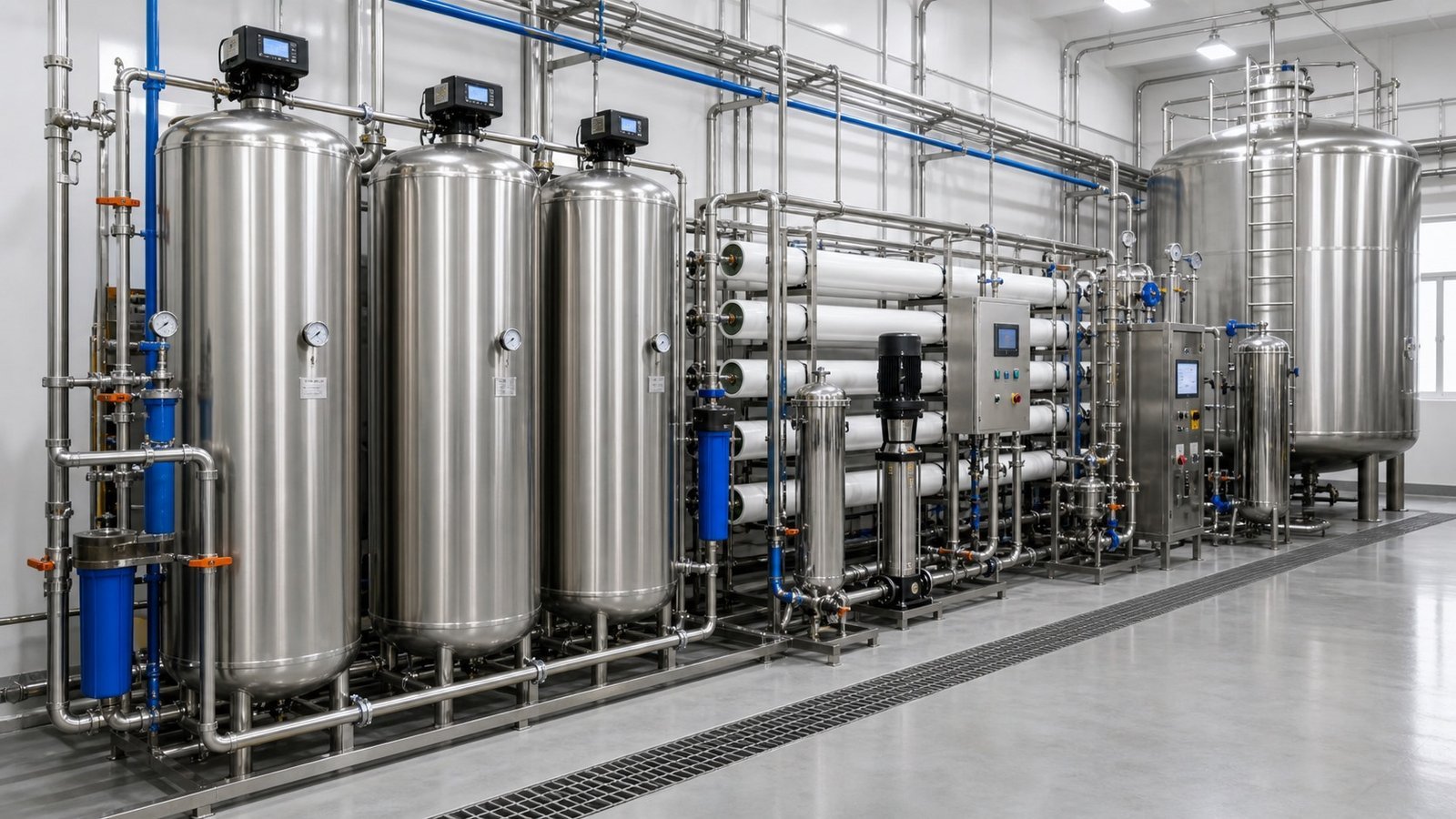
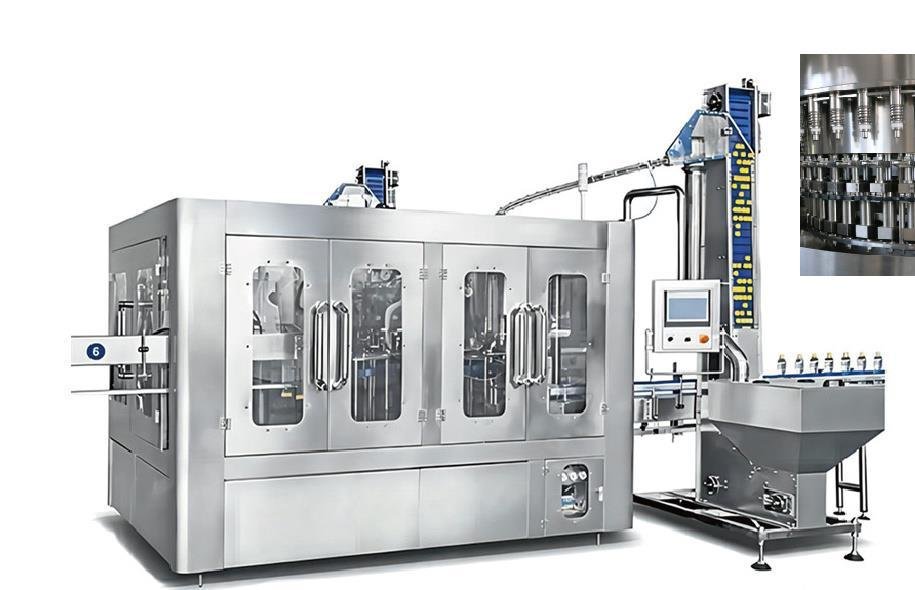
The process illustration supports scope discussion. The XGF equipment image is reproduced from page 9 of the Allot Tech 2026 catalog; use the catalog and project documents to review the applicable configuration.
Buyer questions
Frequently asked questions
Which labeling machine is suitable for beverage bottles?
The answer depends on container shape and surface, label material, required appearance, output and inspection. OPP hot-melt, shrink sleeve and self-adhesive systems should be compared on those inputs.
Can one labeler handle several bottle sizes?
Often yes within a defined range, but each bottle and label should have listed guides, change parts, recipes, adjustment steps and accepted output.
Why is a bottle dryer important?
Moisture can affect adhesive and label application. The need and design depend on filling temperature, ambient conditions, label technology and the approved surface condition.
Should label inspection be integrated?
If label presence, position, identity or code is a release requirement, the scope should define the inspection capability, challenge method, reject device and records.
Project discussion
Discuss a Bottle Labeling System
Send the beverage, package files, required output, factory conditions, destination and current project stage.