
Canned beverage systems
Can Filling and Seaming Line Planning
Define the beverage, can body, end, seam requirement and finished pack before comparing can filling line equipment and layout.
Published by Allot Tech. Project contact: founder Mr Kcal. Final engineering, performance, materials, compliance, manufacturing responsibility and commercial terms must be confirmed for the selected resource and signed project scope.
Updated September 3, 2026Direct answer
The seamed can is the acceptance unit, not the filler alone.
A can filling line proposal should begin with the beverage condition, can-body and end specifications, required cans per hour, fill temperature, carbonation where applicable and finished pack. Compare the full can path: depalletizing, empty-can conveyance and treatment, filling, lid feeding, seaming, seam inspection, leakage control, warming or cooling, coding, packing and line controls. The filler and seamer must be evaluated together because product pressure, headspace, lid placement and seam formation all affect package integrity.
Project definition
Start with the complete decision basis.
Cans are lightweight, open containers before closure and sensitive to dents, contamination and unstable transfer. The filling environment, lid path and seamer setup should therefore be reviewed as one primary-packaging zone. Product properties and shelf-life strategy determine whether additional process control, pasteurization, warming or cooling is needed. Final seam specifications, process validation and food-safety obligations must be confirmed with the qualified resources for the project.
Beverage
Still or carbonated product, ingredients, dissolved gas target, fill temperature, foaming behavior and cleaning requirement.
Can and end
Supplier specifications, diameter, height, material, internal coating, end type, approved samples and future formats.
Output and pack
CPH by can size, shift pattern, tray or carton count, film, multipack, pallet plan and warehouse handover.
Quality plan
Fill check, seam specification, leakage check, coding, inspection, sampling, record retention and release authority.
System or development path
Protect the open can, control filling and prove the finished seam.
Depalletize
Define pallet and layer-pad format, empty-can handling, elevation, accumulation, access and changeover.
Treat and inspect
Plan empty-can inversion or treatment, foreign-material control, damage checks and hygienic conveyance to filling.
Fill
Match the filling principle, bowl or tank control, product pressure, temperature, gas management and fill-level method.
Feed ends
Protect ends from damage and contamination through storage, elevation, orientation, track and missing-end detection.
Seam
Connect can and end specifications with chuck and roll setup, seam monitoring, sampling and maintenance tools.
Condition and pack
Verify leakage, code, warming or cooling, label or sleeve where used, dry surface and the final sales pack.
Quotation comparison
Normalize can-line quotations from empty-can infeed to finished pack.
| Decision area | Buyer should provide | Proposal should clarify |
|---|---|---|
| Package specification | Controlled can-body and end files with samples. | Compatible filler handling, seamer tooling, change parts and accepted tolerance basis. |
| Product condition | Carbonation, temperature, pressure and foam behavior. | Filling principle, gas management, tank control, product loss and cleaning arrangement. |
| Seam control | Required seam dimensions, checks and authority. | Setup method, gauges, destructive or non-destructive checks, frequency and record format. |
| Post-fill process | Shelf-life process, discharge temperature and pack requirement. | Warmer, cooler or pasteurizer boundary, residence time basis, drying and inspection. |
| Line performance | CPH for a named can and finished pack. | Balanced speeds, accumulation, test point, duration, planned stops and reject treatment. |
Solve the next project problem
Close these proposal gaps before price becomes the decision.
Use the brief below to turn a vague supplier conversation into questions that can be answered and documented.
Make this decision comparable.
Send: Controlled can-body and end files with samples.
Require: Compatible filler handling, seamer tooling, change parts and accepted tolerance basis.
Make this decision comparable.
Send: Carbonation, temperature, pressure and foam behavior.
Require: Filling principle, gas management, tank control, product loss and cleaning arrangement.
Make this decision comparable.
Send: Required seam dimensions, checks and authority.
Require: Setup method, gauges, destructive or non-destructive checks, frequency and record format.
Send the beverage, package files, required output, factory conditions, destination and current project stage. The Allot Tech Project Desk can help organize the first comparison.
Decision evidence
Keep can and seam evidence connected from engineering through release.
Evidence should be identified before the order or approval stage so both sides know what will support the next decision.
Controlled can and end set
Identify supplier specification, revision, samples, coating, dimensions and the tooling selected for each format.
Seamer setup and check record
Record chuck and roll identity, setup values, seam measurements, sampling time, findings and corrective action.
Integrated run data
Capture beverage condition, can format, accepted output, fill checks, seam checks, stops, rejects and pack quality.
Handover tools and documents
List gauges, setup references, maintenance items, spares, recipes, manuals and operator training evidence.
Control the can and end as engineering inputs
Nominal can size is not enough for seamer selection. The body and end specifications, supplier tolerances and approved production samples should be available before tooling is finalized. A change of end supplier or profile may require review, trial or adjustment.
- Keep approved samples by supplier and revision
- Name included tooling for every format
- Define change control for can or end substitutions
Make seam verification part of the project scope
Seam quality depends on package inputs, setup, wear, cleanliness and operator discipline. The quotation should identify supplied gauges and tools, training, recommended check frequency and the data expected during FAT and routine production.
- Agree the seam measurement basis
- Train setup and inspection roles
- Record corrective action and recheck results
Balance downstream treatment and packing
A fast filler-seamer cannot deliver saleable output if warmers, dryers, coders or packers restrict the line. Require the layout and speed schedule to show post-fill residence time, conveyor loading, inspection points and finished-pack output.
- Map residence-time equipment on the layout
- Check container surface before coding and packing
- Measure acceptance at the finished-pack handover
Decision gates
Move forward when the next commitment has enough written evidence.
Project stages overlap, but each commercial commitment should have a visible basis, named approvers and a list of unresolved items.
Engineering basis approved
The product, package, output, equipment boundary, layout, utilities, responsibilities and open assumptions are controlled.
Manufacturing and test basis approved
Drawings, component schedule, test materials, acceptance conditions, documents and planned evidence are agreed.
Delivery and handover released
Punch-list closure, packing, shipment files, site readiness, installation scope, training and support ownership are visible.
Before requesting a proposal
Build one brief that every resource can answer on the same basis.
This page is designed to help an international buyer prepare a clearer discussion, not to replace the responsible resource’s engineering or the buyer’s professional review.
Product
Beverage, process, hygiene, shelf-life and operating conditions.
Package
Container, closure, label, code, finished pack and approved files.
Output
Required rate for a named format, shifts, annual plan and changeovers.
Factory
Measured space, utilities, access, drainage and local site constraints.
Project scope
Equipment boundary, documents, FAT, delivery, startup and destination.
Allot Tech organized recurring buyer questions, project-scoping patterns, available catalog inputs and specialist-resource context into a decision sequence. No customer case, certification, output guarantee or factory ownership is implied unless separately verified for the named project.
Manufacturing context
Use equipment views to ask more specific project questions.
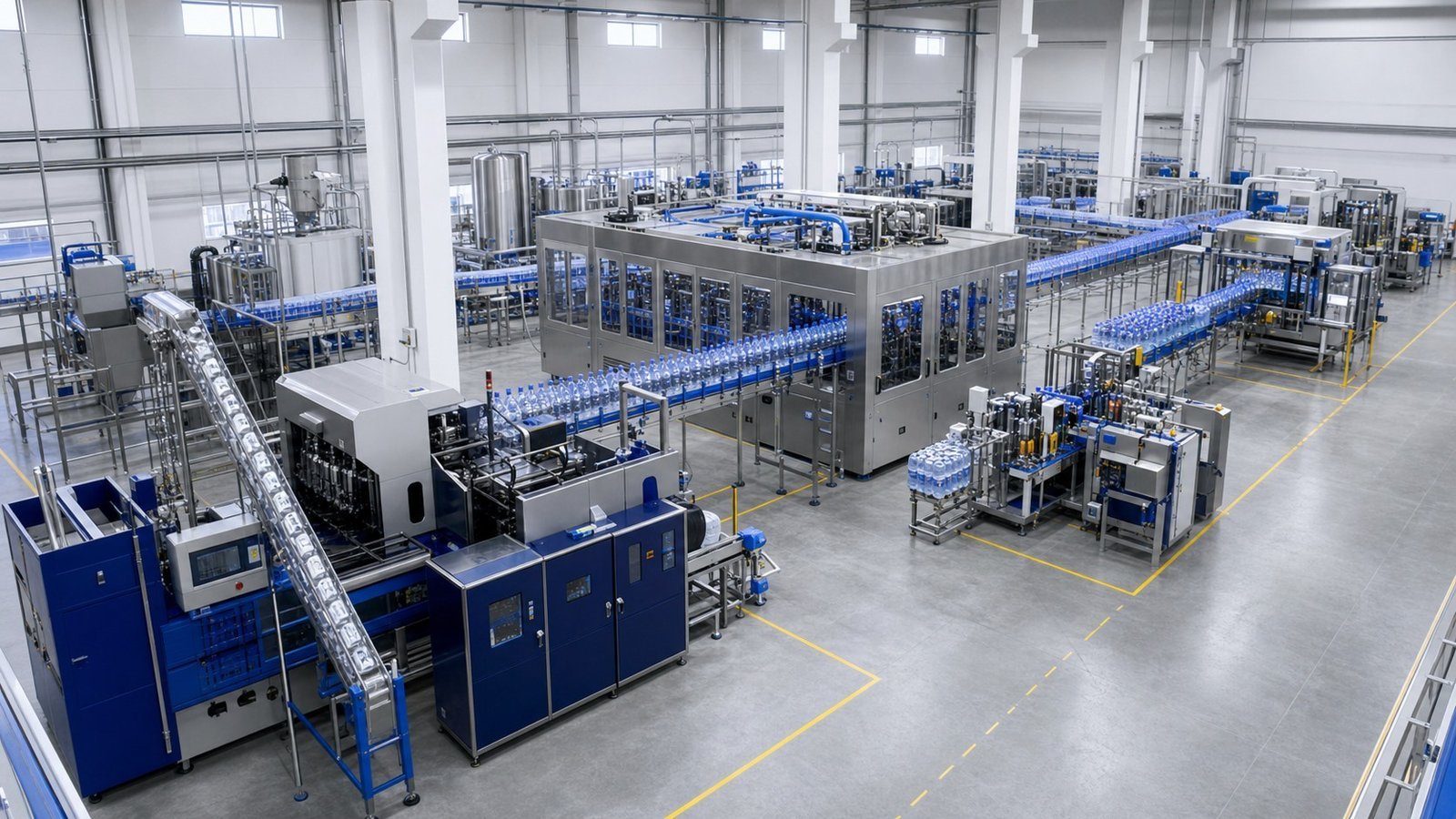
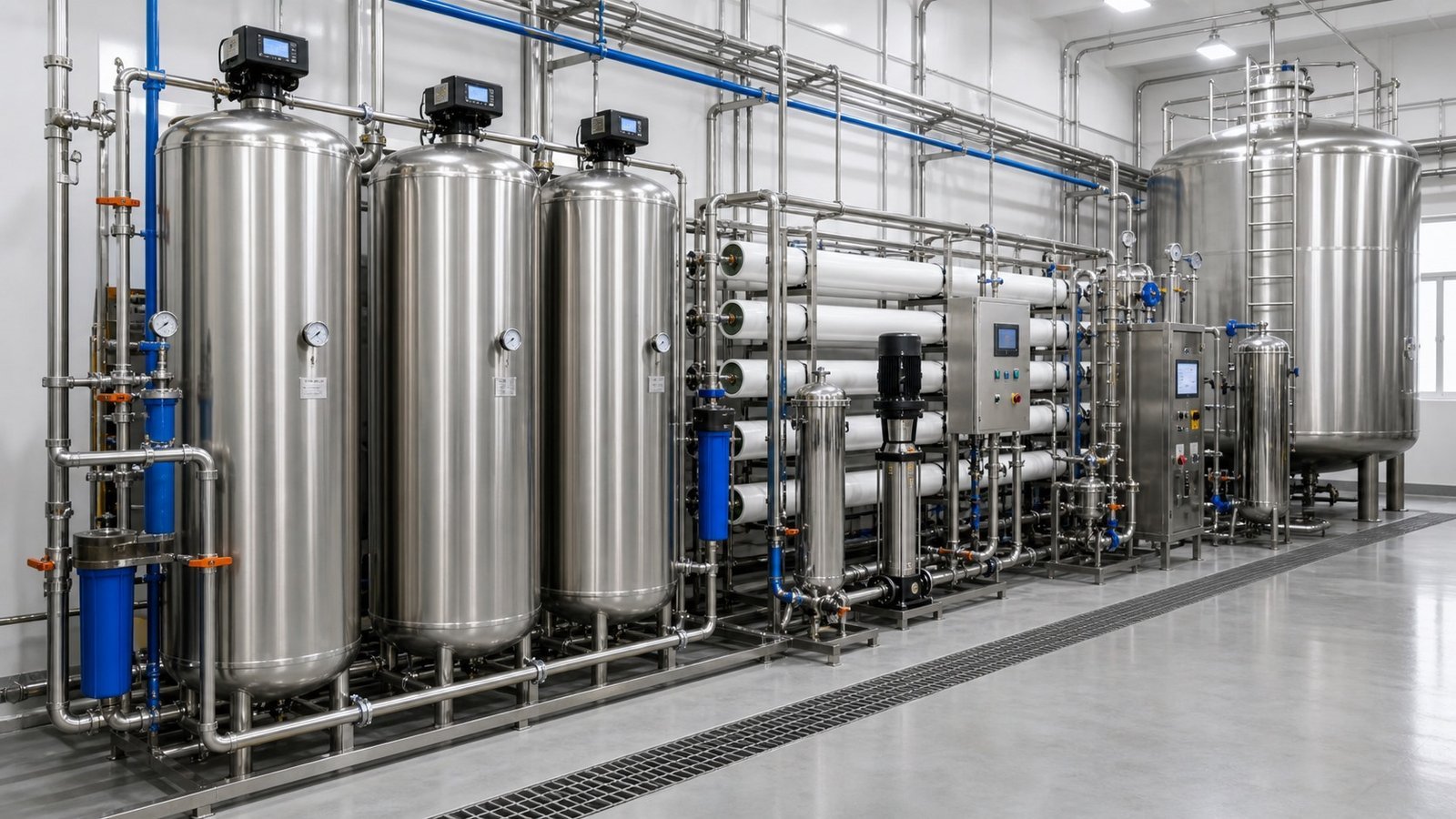
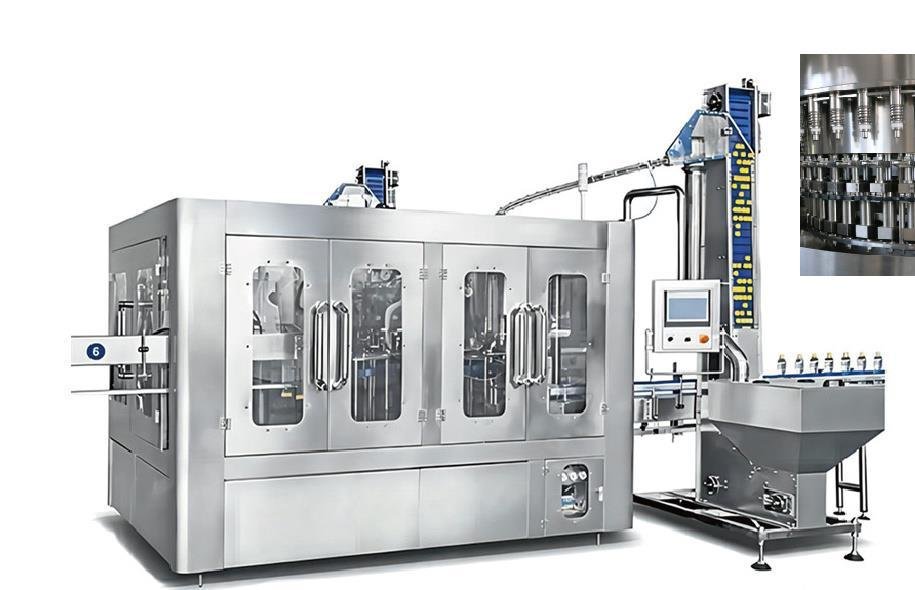
The process illustration supports scope discussion. The XGF equipment image is reproduced from page 9 of the Allot Tech 2026 catalog; use the catalog and project documents to review the applicable configuration.
Buyer questions
Frequently asked questions
What information is needed for a can filling line quotation?
Provide beverage properties, can and end specifications, CPH by size, fill temperature, carbonation, seam requirements, post-fill process, pack format, utilities and destination.
Why must the filler and seamer be reviewed together?
The filled-can condition, headspace, lid placement, transfer and seaming setup jointly affect product loss, package integrity and accepted output.
How is a can seam checked?
The project quality plan should define the applicable seam dimensions, tools or equipment, sampling method, frequency, responsible people and acceptance authority.
Can Allot Tech coordinate a can line?
Allot Tech can coordinate the commercial and project discussion while the confirmed specialist resources retain their documented engineering and manufacturing responsibilities.
Project discussion
Discuss a Can Filling and Seaming Line
Send the beverage, package files, required output, factory conditions, destination and current project stage.